My appreciation for the unrefined elegance of brutalist interior design has deepened as I explore its candid and striking nature-a style that continues to resonate with city dwellers across America. Defined by its fearless use of raw concrete interiors, steel, and glass, brutalism injects a distinctive charm into contemporary living spaces. Whether manifested in imposing architectural forms or sleek minimalist brutalist interiors, contemporary brutalist design captures a monumental spirit, turning compact urban homes into chic, practical retreats amid the city’s constant motion.
Essential Insights
- Brutalist interior design boldly embraces material honesty, making it ideal for metropolitan settings.
- Authentic brutalist style hinges on the use of raw concrete interiors as a foundational element.
- Minimalist brutalist interiors prioritize utility while celebrating the inherent beauty of exposed materials.
- Integrating contemporary brutalist design into modern homes offers a fresh, edgy approach to décor.
- The challenge lies in honoring brutalism’s core principles while adapting to today’s functional demands.
Core Principles of Brutalist Interiors
Diving into the realm of brutalist architecture interior, I’m continually impressed by the style’s raw power and austere beauty. The tactile surfaces and muted tones of béton brut come alive in spaces that embrace minimalist design, drawing from urban landscapes to craft environments that exude unfiltered sophistication. The defining traits of brutalist interiors are as unmistakable as the concrete surfaces they proudly reveal.
Brutalism Origins and Transformation
Originating from the French phrase “béton brut,” meaning raw concrete, brutalism emerged as a counterpoint to the polished aesthetics of mid-century design. Visionaries like Moshe Safdie championed this movement, with landmark projects such as Habitat 67 in Montreal exemplifying its ethos. Initially an architectural language, brutalism’s embrace of exposed materials and structural honesty gradually influenced interior design, celebrating the beauty of unrefined surfaces and rejecting unnecessary embellishments.
Signature Elements of Brutalist Design
Brutalist interiors are marked by their monumental presence, crafted from the raw truth of their materials. These spaces serve as canvases of texture, where the absence of decorative excess highlights form and function. Their versatility spans from institutional settings to intimate homes, reflecting a vision that brings urban-inspired aesthetics into everyday living.
- Highlighting structural features: Visible beams, blocky shapes, and exposed piping are seamlessly integrated.
- Minimalist philosophy: The mantra “less is more” governs, allowing the architecture to take center stage.
- Geometric rigor: Sharp angles and box-like volumes define the spatial experience, echoing urban influences.
Ultimately, brutalist interiors celebrate minimalism’s purity, the boldness of béton brut, and the transformative potential of urban-inspired design to create resilient, distinctive living spaces.
Exploring the Béton Brut Aesthetic
The rugged allure of brutalist interior design is inseparable from the “béton brut” concept, which I interpret as the raw, tactile impact of raw concrete and exposed materials within interiors. This commitment to authenticity reveals the inherent beauty of industrial elements once concealed beneath layers of decoration. Each surface in these spaces narrates a story of form, function, and unvarnished resilience.
Reflecting on industrial brutalist design, its stark, uncompromising presence embodies the philosophy of brutalism itself. This style is more than a design choice; it’s a celebration of the unrefined textures and materials-concrete, steel, and glass-that define our built environment. It invites us to appreciate the raw, unfiltered essence of these elements.
- Concrete walls bearing the marks of their molds
- Weathered steel panels adding tactile richness
- Large glass expanses blurring the line between interior and exterior
These components transcend mere aesthetics; they symbolize a dedication to unembellished strength. From repurposed industrial lofts to modern residences inspired by brutalism, these spaces honor the raw integrity of their materials.
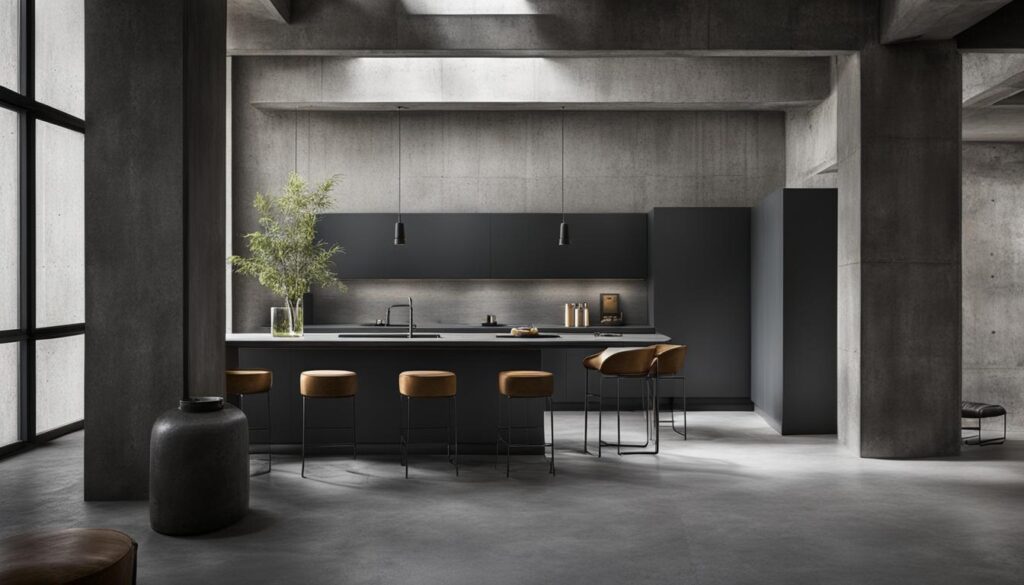
What truly distinguishes this aesthetic is its transparency. Every element in a brutalist interior is exposed-the history, the craftsmanship, the imperfections-creating a sensory mosaic of raw aesthetics that invites deeper appreciation of the relationship between exposed materials and their surroundings.
My exploration of ‘béton brut’ reveals it as a symbol of endurance, a tribute to elemental forces, and a challenge to traditional design norms. Within this interplay of raw concrete and steel, brutalism’s timeless narrative continues to evolve, reshaping how we perceive architectural authenticity.
Integrating Raw Concrete for True Brutalist Style
My fascination with brutalist interior design deepens as I explore the transformative power of concrete interiors. Concrete lends a commanding presence to any room, infusing it with an authenticity that appeals to purists. From imposing concrete walls and floors to subtle brutalist-inspired furnishings, this material’s adaptability is unparalleled. My experience confirms that industrial materials like concrete can serve as the foundation of a home’s aesthetic identity.
Incorporating concrete into interiors brings a weighty yet understated charm. Its stark, minimalist appeal acts as a blank canvas, inviting admiration of its texture and strength. When paired with brutalist decor, concrete creates a cohesive environment that balances modernity with timelessness-a harmony I aim to achieve in every project.
Complementing these spaces with brutalist style furniture reinforces their bold character. Each piece, whether defined by clean lines or organic shapes, contributes to the narrative of strength and refinement that brutalism embodies. Key elements include:
- Concrete floors and walls that provide durable, striking backdrops for abstract and geometric accents
- Brutalist furniture crafted with honest construction, free from superfluous decoration, emphasizing function
- Handcrafted concrete accessories like planters and sculptures that add warmth and intimacy
The magnetic appeal of concrete in brutalist interiors is undeniable, symbolizing a steadfast commitment to raw beauty and structural integrity.
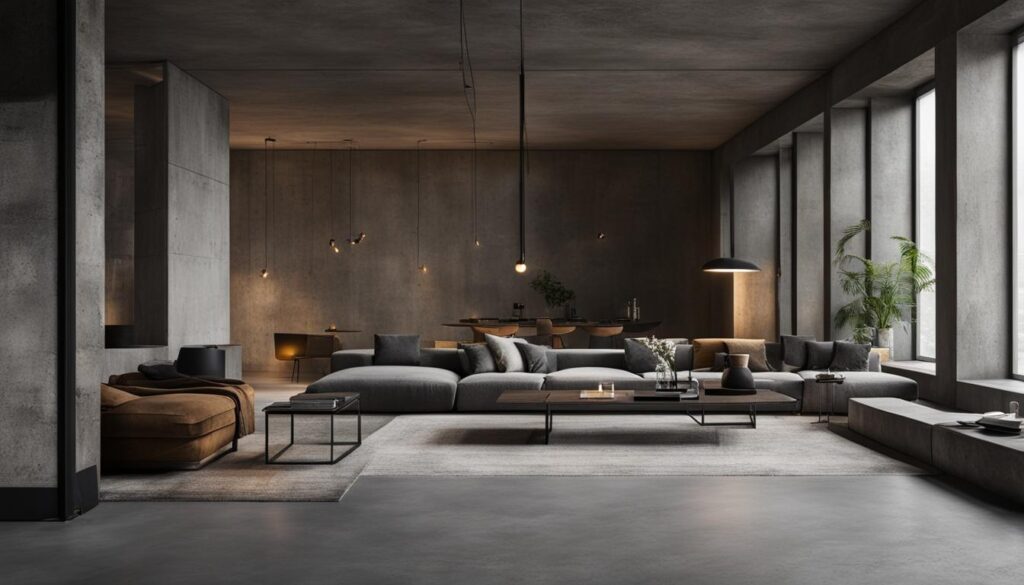
Optimizing Space with Brutalist Design in Cities
Living in densely populated urban areas presents the challenge of maximizing limited space. Brutalist design, with its focus on minimalist design and structural clarity, offers a compelling framework for converting small city dwellings into spacious, serene havens. In my pursuit of contemporary interior design that harmonizes with urban rhythms, I explore how brutalist principles can balance practicality with striking aesthetics.
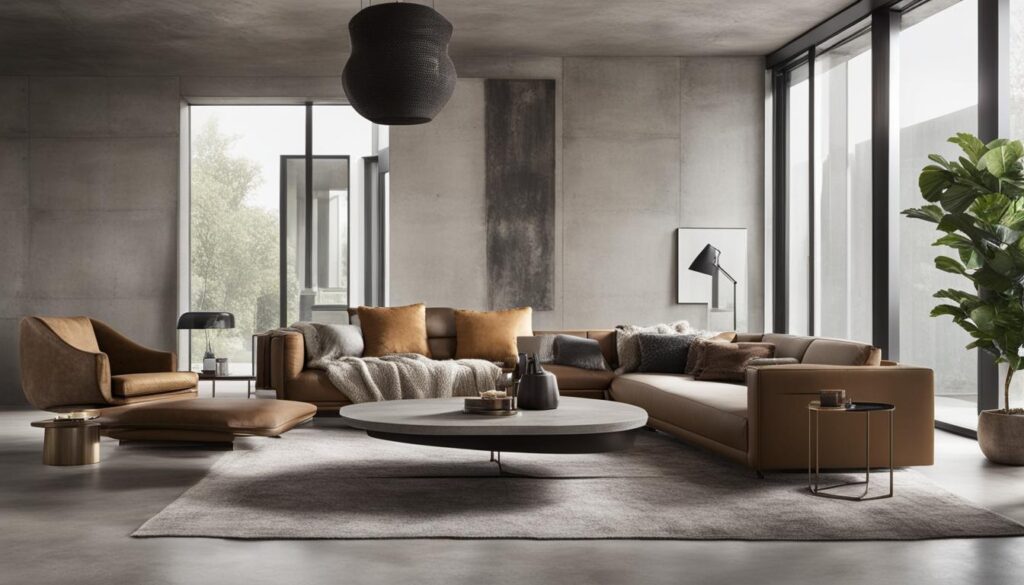
Harnessing Geometric Design
In my brutalist house interior, geometric shapes are fundamental, shaping the spatial flow and imparting a sense of structure. Clean lines and angular furniture pieces create rooms that feel expansive and orderly. Thoughtful placement of brutalist elements-such as square concrete coffee tables or angular shelving-ensures fluid movement and a clutter-free environment, where every item serves a clear purpose.
Maximizing Natural Light
Natural light plays a pivotal role in enhancing a brutalist living room. It accentuates the raw textures and stark beauty of brutalist materials, casting dynamic shadows that enliven the space. I favor large, unadorned windows that flood interiors with warm light, complemented by strategically placed mirrors to amplify brightness. Soft window treatments like sheer curtains introduce a gentle contrast to the style’s rigid lines, blending functionality with subtle elegance.
Industrial Essence in Minimalist Brutalist Interiors
As an enthusiast of modern brutalist interior design, I find the fusion of industrial decor with minimalist principles particularly compelling. The raw textures of steel and glass, when paired with restrained aesthetics, challenge traditional notions of comfort and utility.
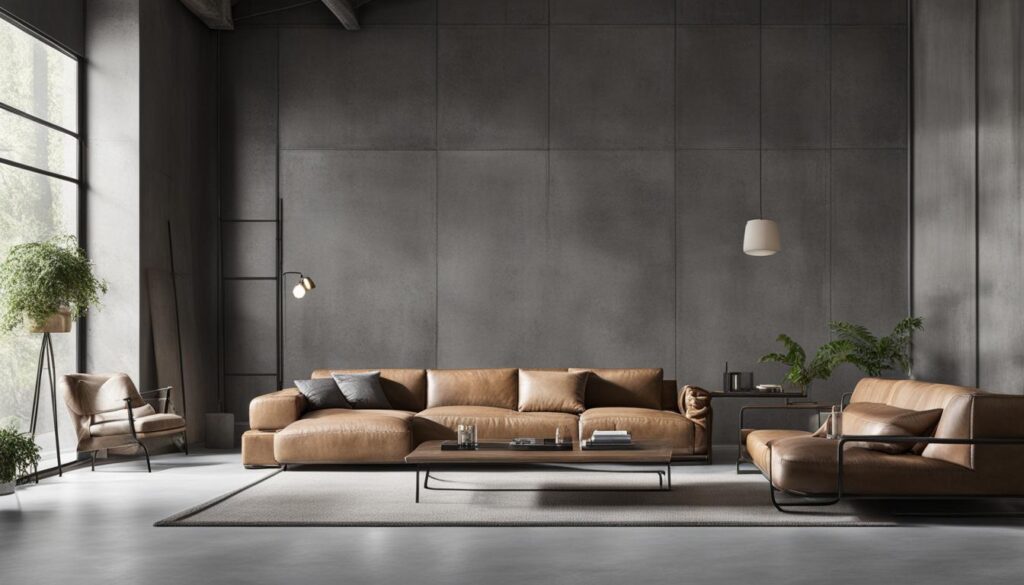
The power of minimalist brutalist interiors lies in their simplicity-removing the unnecessary to highlight what truly matters. This decluttering not only sharpens the visual impact but also honors brutalism’s utilitarian roots. These interiors are designed to be both intimate and awe-inspiring, grounding occupants in a space that is as functional as it is striking.
- Prioritizing substance over superficiality, revealing a space’s essence through its structure
- Raw, unfinished textures paired with precision and order for understated elegance
- Functional elements integrated seamlessly into the design narrative
In practice, minimalist brutalist interiors create dynamic environments where light and shadow interplay throughout the day. The stark industrial components are softened by thoughtful arrangement and natural illumination, resulting in spaces that evolve with their inhabitants.
- Careful furniture placement that complements the strong lines of concrete or brick
- Incorporation of contemporary artworks that echo brutalism’s visceral impact
- Use of muted color schemes to emphasize texture and form
The synergy of industrial decor and minimalist brutalist interiors reveals a profound beauty in architectural honesty, adaptable to the pace of modern life.
Brutalist Furniture: Melding Design and Utility
As a devotee of impactful design philosophies, I’m captivated by how brutalist furniture harmonizes aesthetic boldness with practical function. The robust energy of brutalist style furniture appeals to those seeking pieces that are both visually commanding and highly usable. Through the fusion of geometric solidity and everyday practicality, these furnishings carve out a distinctive niche for the daring.
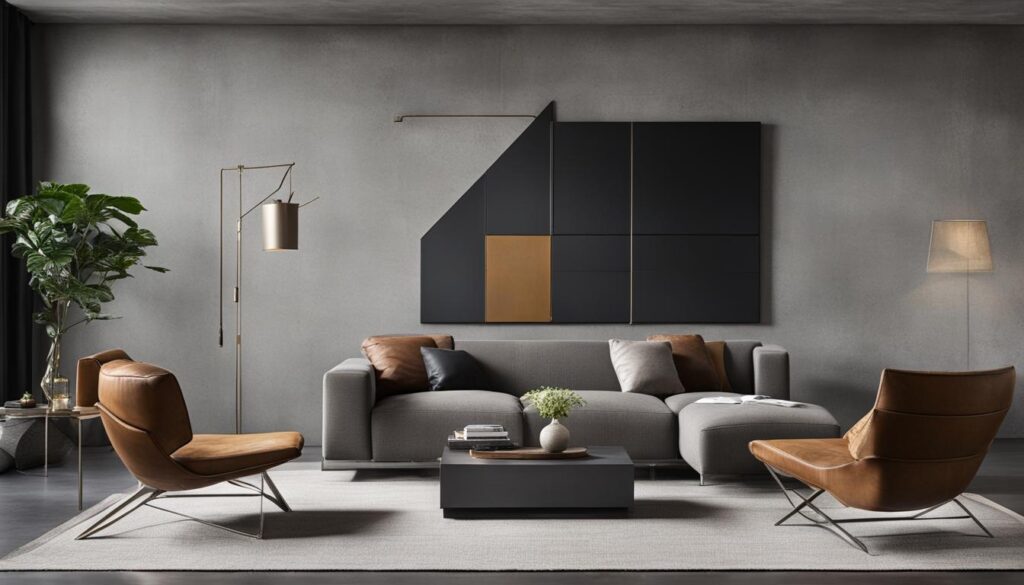
Noteworthy Brutalist Furniture
Iconic brutalist furniture pieces are distinguished by their monumental scale and uncompromising presence. Imagine a dining table with a hefty concrete surface supported by a complex steel framework-where utility meets sculptural artistry. This daring, raw elegance defines interiors and sparks conversation, becoming a centerpiece of admiration.
Selecting Brutalist Furniture for Style and Use
When curating furnishings for a brutalist-inspired space, I focus on balancing visual impact with everyday functionality. The right pieces must not only captivate but endure daily use. For example, a cast iron bookshelf serves as both storage and an architectural statement, blending form and function seamlessly.
- Choose items with sharp, geometric profiles that embody brutalism’s architectural spirit
- Opt for materials that develop character over time, such as aged metals or distressed leather
- Prioritize comfort and usability alongside striking design
Integrating brutalist style furniture is a rewarding challenge, requiring sensitivity to scale, materiality, and the interplay of light and shadow. Each selected piece elevates the space and reinforces a commitment to enduring, straightforward design.
Contemporary Expressions of Brutalist Interiors
As an advocate for modernist brutalist interiors, I’ve observed this style’s evolution from its post-war roots to its current avant-garde interpretations in residential design. The dynamic nature of contemporary brutalist design fascinates me-how it juxtaposes the rawness of concrete with sleek modern minimalism. These interiors emerge as sculptural masterpieces, infusing homes with historical depth and modern flair.
While once defined by stark, monolithic forms, brutalism today embraces softer edges and a broader material palette, yet retains its core traits: unadorned robustness and material transparency.
- Concrete remains central, whether polished, textured, or raw
- Geometric rigor provides a framework for innovative, light-filled interiors
- Incorporation of greenery introduces softness and vitality
- Functionality is integral, with furniture and fixtures designed for practical elegance
My admiration grows as brutalism adapts to diverse architectural contexts, proving it is a living design language that honors material honesty and structural clarity with contemporary relevance.
Enhancing Brutalist Interiors with Color and Texture
In approaching brutalist interior decor, I recognize that color and texture interplay is fundamental, not incidental. By skillfully manipulating these elements, I inject vitality into brutalism’s austere precision, crafting spaces that feel both modern and timeless.
Strategic Color Use
Working within a neutral palette, I introduce carefully chosen colors to accentuate the starkness of brutalist design interior. A burst of burnt sienna or deep teal can transform the atmosphere, adding warmth and energy to the monolithic backdrop. This is a deliberate technique, ensuring each hue enhances the surrounding materials.
Texture Layering for Depth
Texture softens brutalism’s inherent severity. I layer raw concrete with plush wool rugs, silk drapes, and natural wood to create tactile richness. This contrast engages the senses and invites a nuanced experience. Incorporating elements of eco brutalist interior design further adds sustainability, demonstrating that beauty and environmental responsibility can coexist.
In brutalist kitchen design, color and texture are pivotal. Concrete countertops paired with sleek cabinetry and matte black fixtures exemplify how contrasting materials elevate both form and function.
- Neutral expanses highlight polished appliances
- Wood introduces warmth and organic shapes
- Thoughtful lighting emphasizes architectural details
The vibrancy of brutalist interiors arises from this careful orchestration of color, light, and texture, making each space uniquely expressive.
Artistic Integration in Brutalist Interiors
As a passionate supporter of brutalism’s stark beauty, I delight in how art can elevate these spaces. Within the raw framework of brutalist decor, artworks transcend decoration to become powerful partners to the architecture’s bold forms. Large-scale paintings and sculptures create dialogues with the space, amplifying the minimalist environment’s depth and meaning. Integrating art transforms brutalist interiors from austere rooms into immersive, narrative-rich experiences.
My search for harmony between art and space often leads me to pieces that echo the boldness of brutalist architecture inspiration. Murals command walls with equal force as concrete, while metal or stone sculptures reflect the raw complexity of their surroundings. Each artwork becomes a vital thread in the interior’s fabric, guiding occupants through a sensory journey where every surface tells a story. This fusion of form, space, and artistic expression elevates brutalist interiors beyond mere functionality into curated experiences.
In crafting spaces that are both visually striking and highly functional, I strive to weave art seamlessly into brutalism’s ethos. This approach not only enhances aesthetics but also infuses the environment with palpable energy-a unique intensity that provokes thought and curiosity. Through this blend of art and architecture, brutalist interiors become more than living spaces; they become encounters with design’s transformative power.
FAQ
What is the core concept behind brutalist interior design?
Brutalist interior design emphasizes the raw, unembellished beauty of materials like concrete, steel, and glass. It celebrates bold simplicity and material authenticity, with minimal decorative elements.
How does the term “Brutalism” relate to interior design?
“Brutalism” stems from the French “béton brut,” meaning raw concrete. In interiors, it refers to the use of honest, durable materials and an emphasis on exposed structural forms typical of brutalist architecture.
Can brutalist design principles be applied to small urban homes?
Definitely. Though rooted in large-scale architecture, brutalism adapts well to smaller spaces through strong geometric shapes, minimalist furnishings, and smart use of natural light to enhance openness.
What materials are commonly used in brutalist interior design?
Typical materials include raw concrete, exposed steel, and glass, reflecting brutalism’s industrial and utilitarian roots.
How do I choose furniture for a brutalist-inspired interior?
Opt for pieces with strong geometric shapes made from materials that age well, like steel or leather. Furniture should be both functional and visually impactful.
Are there any contemporary adaptations of brutalist design?
Yes, modernist brutalist interiors blend traditional brutalism’s raw minimalism with modern design elements, creating spaces that are both functional and avant-garde.
How important is color in brutalist interior design?
Color plays a vital role in creating contrast. Neutral tones emphasize material form and texture, while selective color accents add warmth and vibrancy.
What role does texture play in brutalist interiors?
Texture introduces depth and softens brutalism’s starkness. Combining smooth concrete with plush textiles or natural wood creates a warm, inviting atmosphere.
How can art enhance a brutalist interior?
Art complements brutalist interiors by adding drama and depth. Large-scale artworks and sculptures amplify the bold, minimalist aesthetic, enriching the space’s narrative.
Is it possible to have a cozy brutalist interior?
Yes, by thoughtfully incorporating textures, art, and furniture, brutalist interiors can feel warm and inviting without losing their characteristic boldness.
For those interested in exploring brutalist furniture, concrete interiors, or minimalist brutalist interiors, Amazon offers a curated selection to help you bring this bold aesthetic into your home.