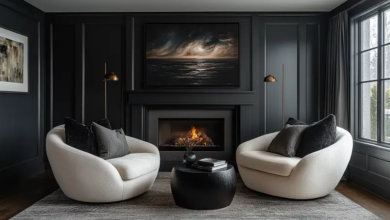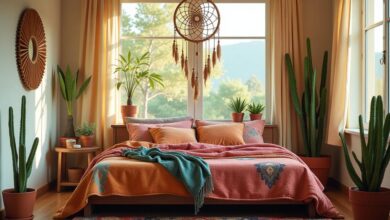
Having a passion for transformative aesthetics and cultural milestones, I’ve observed how design trends often cycle back into popularity. Among these, the distinctive style of the 1970s stands out as a timeless influence in interior design. The bold colors, unique shapes, and eclectic patterns that defined the 1970s interior style continue to inspire contemporary spaces, proving that the charm of retro home decor and vintage interior design from this era remains vibrant and relevant.
From blending the iconic avocado green with sleek modern furnishings to incorporating psychedelic patterns reminiscent of the decade’s daring spirit, these elements celebrate a period of fearless creativity. Join me as we delve into how the essence of 70s interior design is being reimagined and embraced in today’s homes.
Essential Insights
- Exploring the integration of 70s design motifs within modern interiors.
- Understanding the synergy between vintage interior design and current trends.
- Examining the nostalgic influence of 70s decor on contemporary home aesthetics.
- Appreciating the cultural and timeless significance of 1970s interior style.
- Recognizing the revival and adaptation of 70s decorating elements in today’s design landscape.
Revival of 70s Design in Modern Interiors
As a design enthusiast and writer, I’ve been fascinated by the resurgence of the 1970s interior design aesthetic. This era, marked by its vibrant energy and boundary-pushing creativity, is making a strong comeback. The allure of disco-inspired decor and the whimsical charm of psychedelic interiors are being reinterpreted to fit contemporary tastes, blending nostalgia with innovation.
Rather than a mere trend, this revival represents a celebration of individuality and artistic freedom. Designers today skillfully merge vintage elements with modern minimalism, crafting spaces that honor the past while embracing the present.
- Geometric motifs and vivid color schemes evoke a sense of nostalgia while complementing modern aesthetics.
- Classic items like shag rugs, lava lamps, and disco balls serve as playful yet meaningful connections to the past.
- The fusion of psychedelic interior accents with streamlined designs injects freshness into contemporary homes.
- Disco era decor is being adapted to resonate with today’s technology-driven lifestyles, bridging generations through style.
This dynamic blend of eras creates interiors that are not only visually captivating but also emotionally resonant, inspiring creativity and a renewed appreciation for the bold spirit of the 70s.
Vibrant Color Schemes That Define the 70s
My exploration of interior color trends has deepened my admiration for the 70s color palette, a vivid mix of earthy and psychedelic hues that continue to influence modern design. The resurgence of 70s decor style is evident in how these colors are thoughtfully integrated into contemporary homes, creating spaces that feel both nostalgic and fresh.
Signature 70s Colors and Their Modern Appeal
Imagine a cozy living room featuring a feature wall painted in burnt orange paired with accents of avocado green and deep brown furnishings. This combination captures the essence of living room 70s interior design, infusing warmth and character. Ochre tones add a subtle glow, perfect for kitchens or dining areas seeking a retro yet inviting atmosphere. These colors, when balanced with modern elements, create a timeless aesthetic that honors the decade’s boldness without overwhelming the space.
Explore 70s color palette decor to bring these iconic hues into your home.
Incorporating Earthy Hues into Contemporary Designs
My design approach often involves balancing vibrant colors with clean, modern lines. Whether it’s a mid-century modern chair upholstered in burnt orange or a geometric-patterned throw rug, these retro home decor touches add depth and personality. Earthy tones, applied thoughtfully through paint, textiles, and accessories, create inviting spaces that feel both grounded and stylish.
- Textiles in burnt orange and chocolate brown evoke the era’s warmth.
- Avocado green accents enliven rooms with a playful nod to the past.
- Ochre details in kitchen appliances or decor add nostalgic charm.
This palette’s versatility ensures it complements a variety of interiors, making it a favorite for those seeking a retro-inspired yet contemporary look.
Textural Elements: Revisiting 70s Fabrics and Surfaces
Diving into the tactile world of 1970s interiors, I find the era’s signature textures-plush, bold, and inviting-are making a notable comeback. The iconic shag carpet, once a staple of 70s homes, now adds a cozy, nostalgic layer to modern floors, inviting touch and comfort.
Shop shag carpets to add retro texture to your space.
Wood paneling, another hallmark of the decade, brings warmth and a natural feel to walls, reminiscent of cozy cabins and earthy retreats. This element transcends mere decoration, embodying a connection to nature and a tactile richness that complements contemporary interiors.
- Funky furniture with exaggerated curves and playful forms injects personality.
- Velvet sofas in deep jewel tones offer luxurious comfort and visual appeal.
- Fringed cushions and tufted headboards add layers of texture and interest.
- Handcrafted macramé wall hangings return as charming, artisanal decor pieces.
Integrating these textures into modern homes celebrates the 70s’ innovative spirit while enhancing sensory experience and visual depth.
Retro Furniture Revival: Classic Designs Meet Contemporary Flair
Continuing my journey through 70s aesthetics, I’m struck by the renewed enthusiasm for retro furniture that defined the 1970s decorating style. This revival is more than nostalgia-it’s a recognition of the era’s enduring design brilliance and its seamless fit within today’s eclectic interiors.
Classic 70s Furniture Pieces Rediscovered
Owning vintage pieces is like holding a piece of history. The organic curves and clean lines of 70s furniture, such as teak credenzas or chrome-accented coffee tables, bring a unique character to modern rooms. These items tell stories of a time when design was bold and expressive, yet functional.
Browse retro furniture to find statement pieces that blend past and present.
Blending Vintage Charm with Contemporary Style
Combining vintage and modern elements requires a thoughtful eye. For example, pairing a classic mid-century sofa with a sleek, minimalist shelving unit creates a dynamic interplay of eras. This fusion not only highlights the best of both worlds but also crafts a personalized narrative within the home.
Whether it’s a vibrant vintage rug adding color to a neutral room or a retro lamp illuminating a cozy corner, these pieces celebrate the fearless creativity of the 70s while fitting effortlessly into today’s design ethos.
Maximalism Meets Minimalism: A Modern Take on 70s Boldness
Exploring the resurgence of the 1970s decorating style, I’m intrigued by how the era’s maximalist tendencies are being balanced with minimalist principles. The once overwhelming patterns and colors are now curated with restraint, creating spaces that are visually rich yet harmonious.
This blend allows for dramatic statements through select bold patterns and eclectic decor, while maintaining a clean and breathable environment. It’s a sophisticated dance between exuberance and simplicity.
- Incorporating eclectic decor pieces like vibrant pillows or striking wall art adds a touch of 70s flair.
- Statement furniture captures the era’s iconic style without overpowering the room.
- Neutral backdrops and careful curation ensure the space remains inviting and balanced.
This approach honors the spirit of the 70s while adapting it to contemporary lifestyles, resulting in interiors that feel both nostalgic and fresh.
Retro Lighting: Classic Fixtures with Contemporary Appeal
One of the most captivating aspects of 70s design making a comeback is the use of retro lighting. Iconic fixtures like Sputnik chandeliers, inspired by the space race, now grace modern homes with their starburst silhouettes, serving as both functional lighting and artistic centerpieces.
Discover Sputnik chandeliers to add a retro-modern glow to your space.
Complementing these are globe pendant lights, whose soft, rounded forms create warm, ambient lighting. These fixtures effortlessly bridge the gap between vintage charm and modern sophistication, enhancing any room’s atmosphere.
- Sputnik chandeliers provide bold, sculptural focal points.
- Globe pendants offer gentle illumination with timeless appeal.
- Pairing retro lighting with contemporary decor creates a unique, inviting ambiance.
These lighting choices are more than accessories; they embody the era’s optimism and innovation, illuminating homes with style and personality.
Natural Elements: Incorporating Greenery and Organic Materials
Reflecting on current design trends, the 70s’ embrace of nature-inspired elements aligns perfectly with today’s focus on sustainability and wellness. The integration of indoor plants and natural materials like rattan and wood creates serene, inviting environments that honor both past and present.
The Role of Indoor Plants in 70s-Inspired Spaces
In the spirit of 70s home style, lush greenery plays a vital role. Large statement plants such as fiddle leaf figs or cascading pothos not only enhance air quality but also bring a vibrant, organic energy indoors. This connection to nature reflects the decade’s free-spirited ethos and continues to resonate with modern homeowners seeking tranquility.
Rattan and Wood: Timeless Natural Furnishings
The resurgence of rattan furniture and wooden coffee tables highlights a preference for sustainable, handcrafted pieces. These materials add warmth and texture, grounding interiors in natural beauty. Their lightweight yet durable nature makes them versatile additions that complement both vintage and modern decor.
- Rattan accents bring a breezy, mid-century modern vibe.
- Indoor plants promote well-being and enliven spaces.
- Wooden tables serve as sustainable, stylish focal points.
Enduring Influence of 70s Interior Design
Immersing myself in the world of interior design, I recognize the lasting impact of 70s interior design styles. The era’s combination of plush textures, vibrant colors, and eclectic patterns continues to inspire spaces that feel warm, inviting, and full of character.
The genius of 70s design lies in its ability to blend contrasts-bold patterns with clean lines, ornate textures with simple forms-creating a unique, personalized aesthetic. This approach defies uniformity, encouraging individuality and storytelling through design.
- Vibrant colors like harvest gold and avocado green evoke a sense of nostalgia and warmth.
- Maximalist layering of textures and patterns celebrates exuberance and creativity.
- Minimalist elements provide balance and elegance within vibrant spaces.
Witnessing the integration of these principles into modern interiors reaffirms the 70s’ place as a timeless source of inspiration, enriching homes with a blend of cultural heritage and personal expression.
Final Thoughts
In conclusion, embracing the 70s interior design aesthetic is more than a nostalgic indulgence-it’s a fusion of history and contemporary style. The era’s distinctive color schemes, textured fabrics, and iconic furniture pieces create a vintage aesthetic that resonates with today’s design sensibilities. This blend honors a time when diversity and boldness in design were celebrated, transforming nostalgia into a living, breathing element of home decor.
Throughout this exploration, it’s clear that the spirit of the 70s continues to influence modern interiors, inspiring creativity and individuality. This enduring legacy encourages us to mix the old with the new, crafting spaces that are as eclectic and vibrant as the decade itself.
As design trends evolve, the 70s remind us of the power of self-expression and the beauty of blending eras. Let this rich heritage guide us in creating homes that are uniquely ours-timeless, dynamic, and full of life.
Frequently Asked Questions
What characterizes 70s interior design?
The 70s interior design is distinguished by warm, earthy tones combined with psychedelic colors, rich textures like shag carpets and wood paneling, and distinctive furniture with bold, unconventional shapes. It embraces a maximalist approach, contrasting with today’s minimalist trends.
How is 70s design incorporated in modern homes?
Modern interiors incorporate 70s design by blending vintage furniture with contemporary decor, using earthy colors like burnt orange and avocado green, and adding textured fabrics, retro lighting, and natural materials such as wood and rattan to evoke the era’s nostalgic charm.
Can 70s interior design be combined with minimalism?
Absolutely. By selectively incorporating bold 70s colors or statement pieces into minimalist spaces, you can create a balanced, contemporary look that honors both styles without overwhelming the room.
What are iconic furniture pieces from the 70s?
Notable 70s furniture includes rounded chairs, chrome bar stools, modular sofas, and low-profile coffee tables often featuring wood grain, smoked glass, and velvet upholstery, reflecting the era’s bold and luxurious design ethos.
Are 70s color schemes suitable for all rooms?
Yes, when applied thoughtfully. Earthy tones work well in living rooms and bedrooms for a cozy feel, while brighter hues can energize kitchens and bathrooms. The key is to match colors with the desired mood and function of each space.
How to add a 70s vibe without making a room look dated?
Incorporate 70s elements as accents rather than overwhelming the space. Use feature walls, standout furniture, or retro lighting to create focal points, blending them with modern decor for a fresh, timeless look.
What are popular 70s patterns used in interior design?
Common 70s patterns include paisley, psychedelic swirls, bold geometric shapes, and abstract prints, often featured in wallpapers, textiles, and artwork to create dynamic and lively interiors.
Why is rattan furniture popular in 70s home style?
Rattan furniture gained popularity in the 70s due to its natural, handcrafted look and eco-friendly appeal. Its lightweight durability made it ideal for both indoor and outdoor use, aligning with the decade’s appreciation for organic materials and artisanal craftsmanship.
How does retro lighting enhance 70s interior design?
Retro lighting fixtures like Sputnik chandeliers and globe pendants serve as iconic statement pieces that capture the era’s fascination with space-age design and futuristic aesthetics, adding both visual interest and nostalgic charm to interiors.
Is 70s interior design eco-friendly?
Yes, by incorporating sustainable materials such as rattan, bamboo, reclaimed wood, and abundant indoor plants, 70s-inspired design can align with eco-conscious principles while celebrating the naturalistic elements characteristic of the era.