Designing a bedroom for two children to share can be a balancing act between functionality and harmony. The secret to success lies in clever design strategies that optimize every inch of space while ensuring each child enjoys their own personal zone. From multifunctional furniture that adapts as your kids grow to innovative storage ideas that keep clutter at bay, these 18 expert tips will transform a shared bedroom into a well-organized, inviting retreat tailored to your family’s lifestyle.
Space-Smart Bunk Beds Featuring Integrated Storage
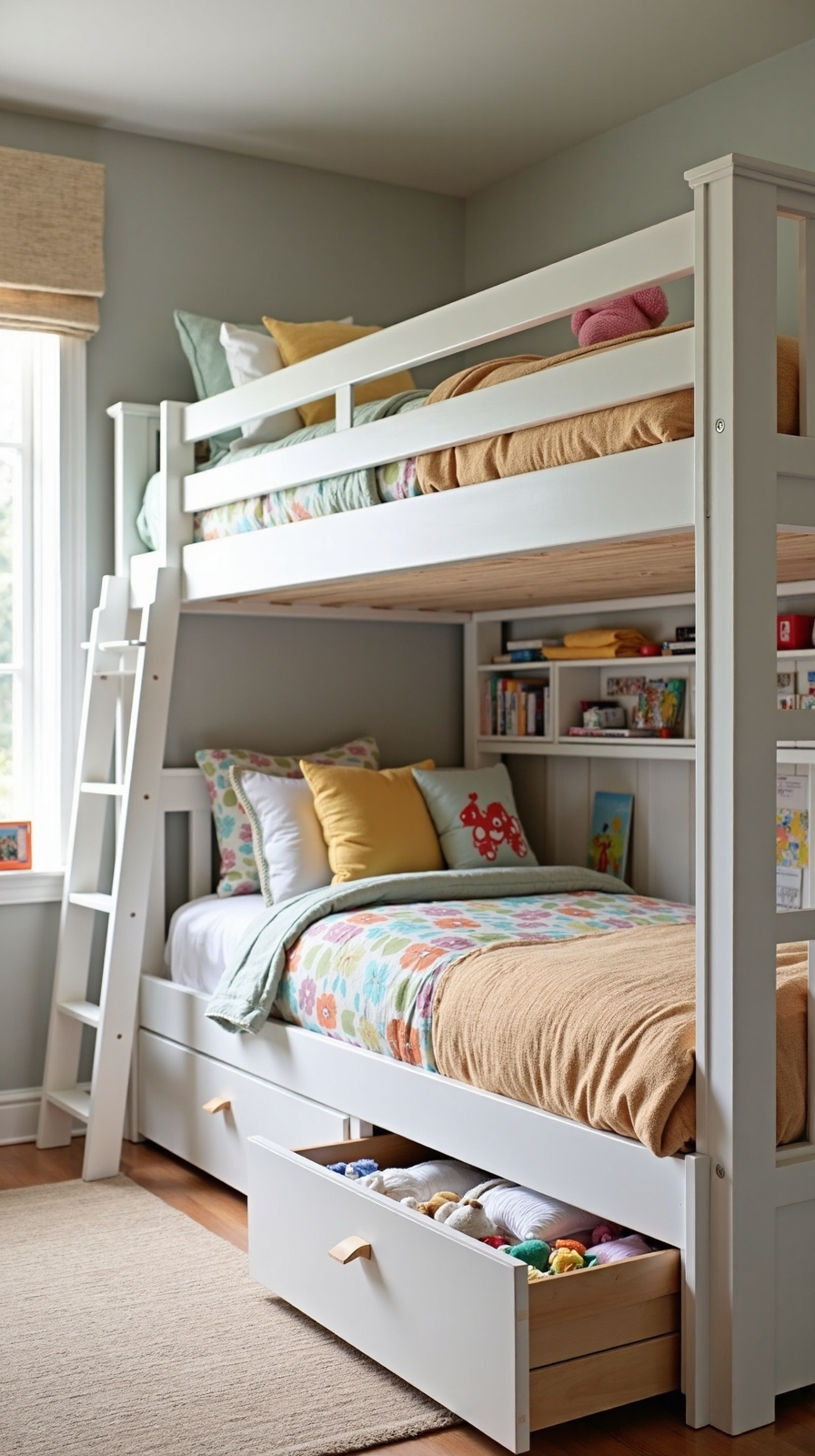
Bunk beds equipped with built-in storage compartments are a game-changer for shared bedrooms, combining sleeping arrangements with practical organization. These designs eliminate the need for extra furniture pieces by incorporating drawers, shelves, and even desks into the bed frame itself.
Modern bunk beds often feature staircases that double as storage cubbies, perfect for stashing shoes, toys, or books. Accessories like hanging organizers and bedside pockets further enhance usability. Opt for configurations that suit your room’s layout, such as staggered or perpendicular beds, which create cozy storage nooks and personal zones without sacrificing openness.
Complement these beds with additional clever storage solutions like rolling bins or wall-mounted cubbies to keep toys tidy and accessible, maintaining a playful yet orderly environment.
Twin Beds Paired With a Cozy Shared Reading Corner
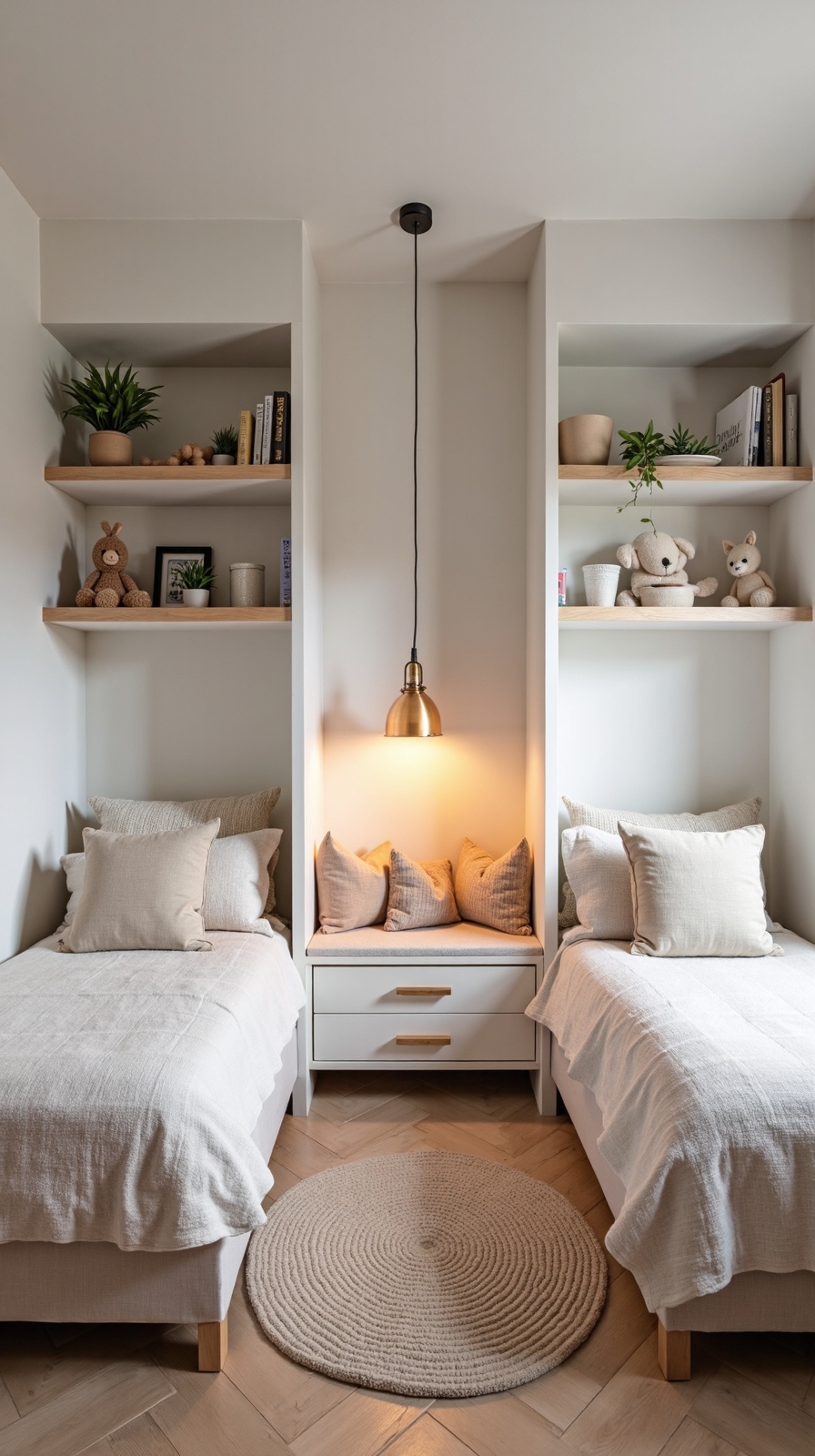
Arranging twin beds on opposite walls with a central reading nook creates a warm, inviting space that fosters both independence and connection. This setup offers each child their own sleeping area while providing a shared sanctuary for quiet moments and storytelling.
Enhance the nook with plush floor cushions, soft lighting, and accessible bookshelves. Wall-mounted reading lamps above each bed allow for personal nighttime reading, while a small lamp in the nook encourages shared storytime. Incorporate washable rugs and storage baskets to keep the area neat and kid-friendly.
Personalize each bed space with unique bedding colors, name plaques, or themed wall art that reflect your children’s interests. These personalized elements help transform the shared room into distinct retreats celebrating each child’s individuality.
Loft Beds That Open Up Play Areas Beneath
Utilizing vertical space with loft beds is an excellent way to free up floor area for imaginative play zones. These elevated beds create a dynamic environment where children can enjoy both rest and recreation within the same footprint.
Safety is paramount-choose sturdy frames with guardrails and wide ladders, and ensure there’s sufficient ceiling height to avoid bumps. Position beds away from windows and ceiling fans for added security.
Design the space underneath with distinct themes tailored to each child’s interests, such as a reading nook with bean bags or an art corner with easels and storage. Adding functional shelving along the walls keeps toys and books organized while maintaining a clutter-free play area.
Defining Personal Zones Through Color Coding
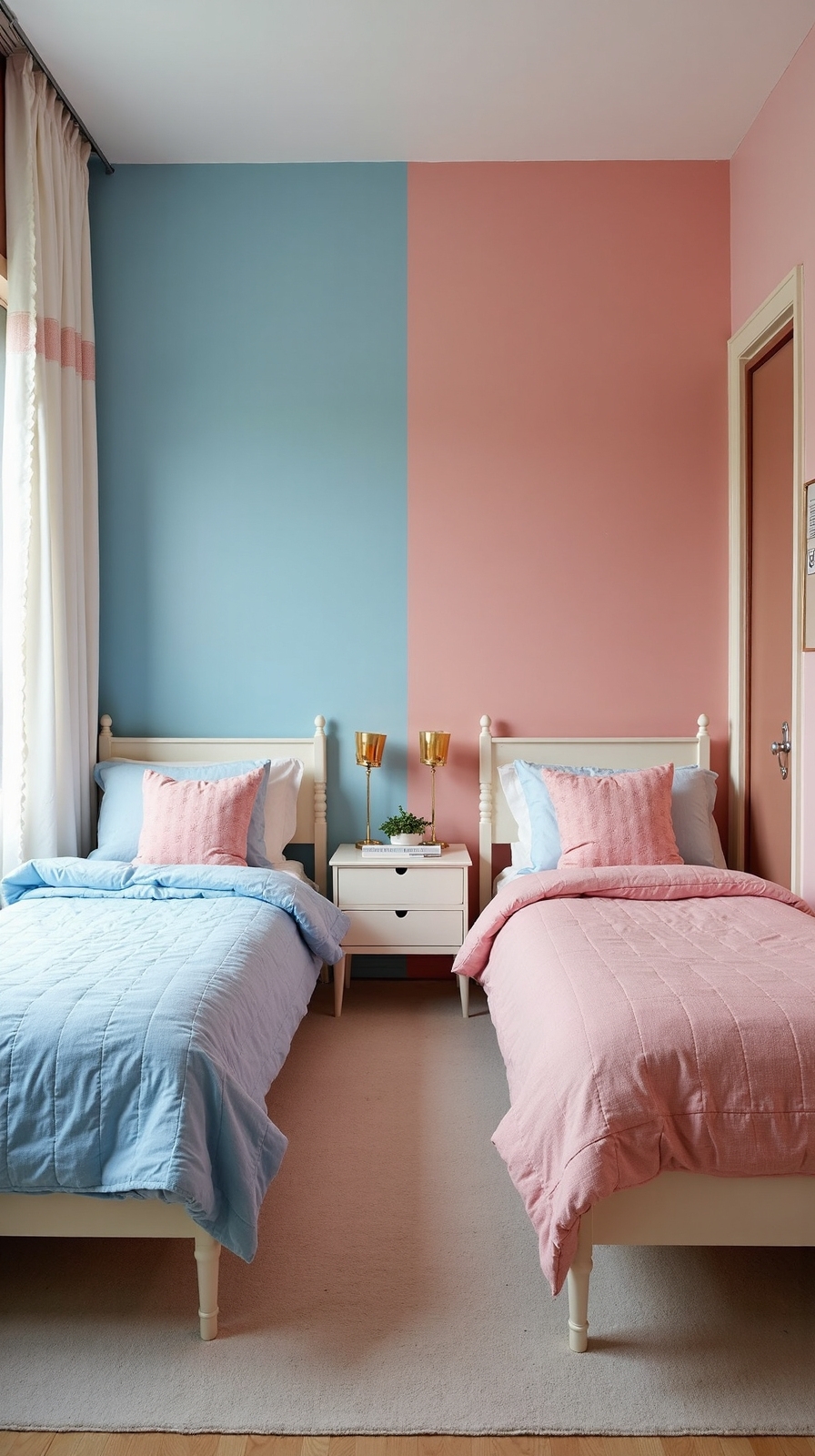
Using distinct color schemes to delineate each child’s area within a shared bedroom creates clear visual boundaries that honor their unique tastes without erecting physical barriers. This method fosters a sense of ownership and individuality.
Incorporate matching lighting fixtures, such as lampshades or string lights, in each child’s color palette to reinforce their personal space. Designate craft or study zones within these color-coded areas, outfitting them with coordinating desk accessories and storage containers to encourage creativity and organization.
A lively color palette energizes the room while maintaining harmony through complementary hues.
Murphy Beds That Double as Workstations
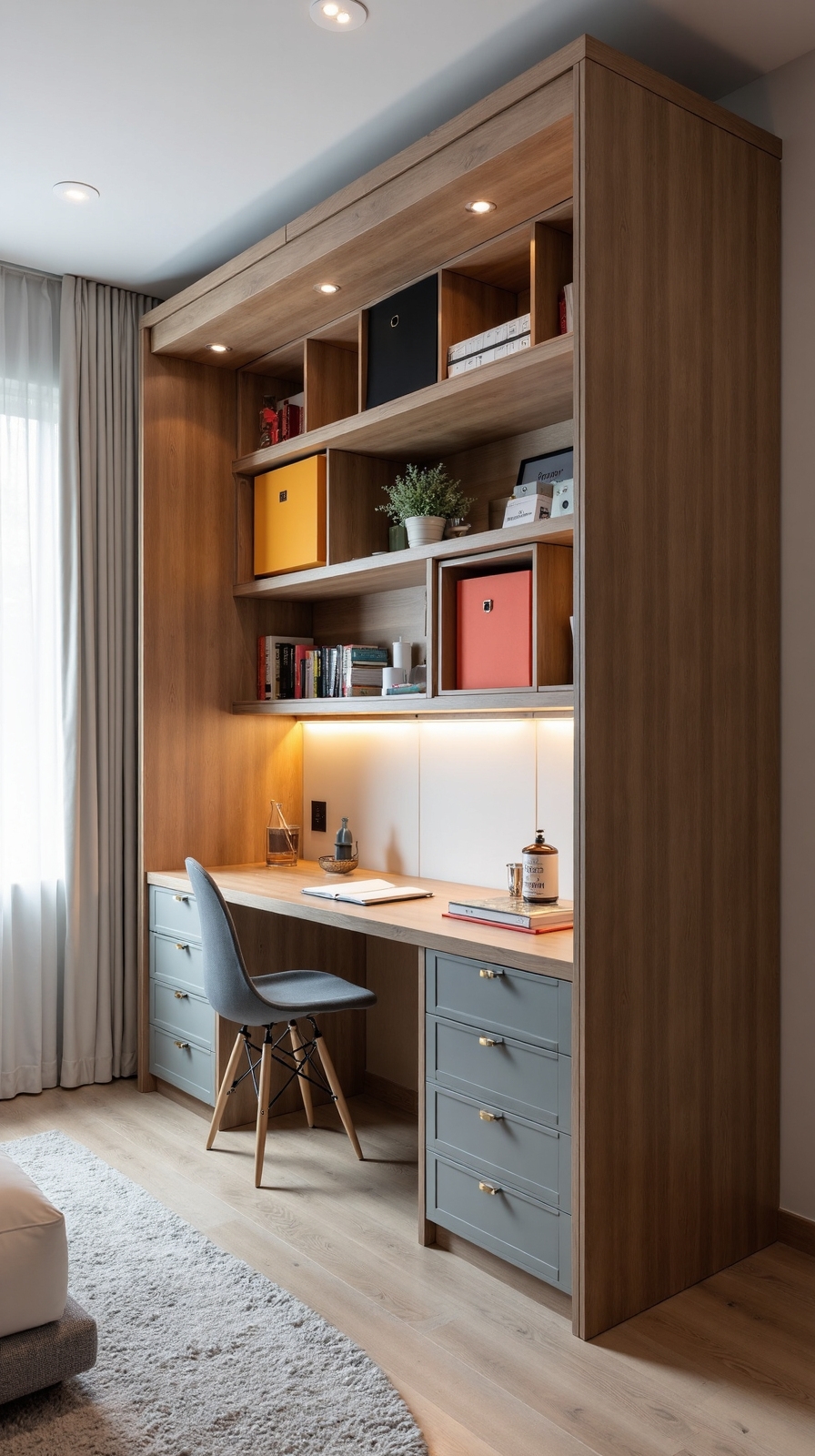
Murphy beds that fold up to reveal desks are ideal for maximizing space in a shared bedroom, seamlessly transitioning from sleep to study zones. These versatile pieces provide dedicated homework areas without encroaching on play space.
Look for adjustable desk heights to accommodate your children’s growth, and models with built-in storage, power outlets, and LED lighting for enhanced functionality. Installing two units side-by-side allows each child to have their own customizable setup.
When beds are folded away, consider adding room dividers to create focused study areas that offer privacy and minimize distractions.
L-Shaped Bed Layouts Enhanced by Corner Storage
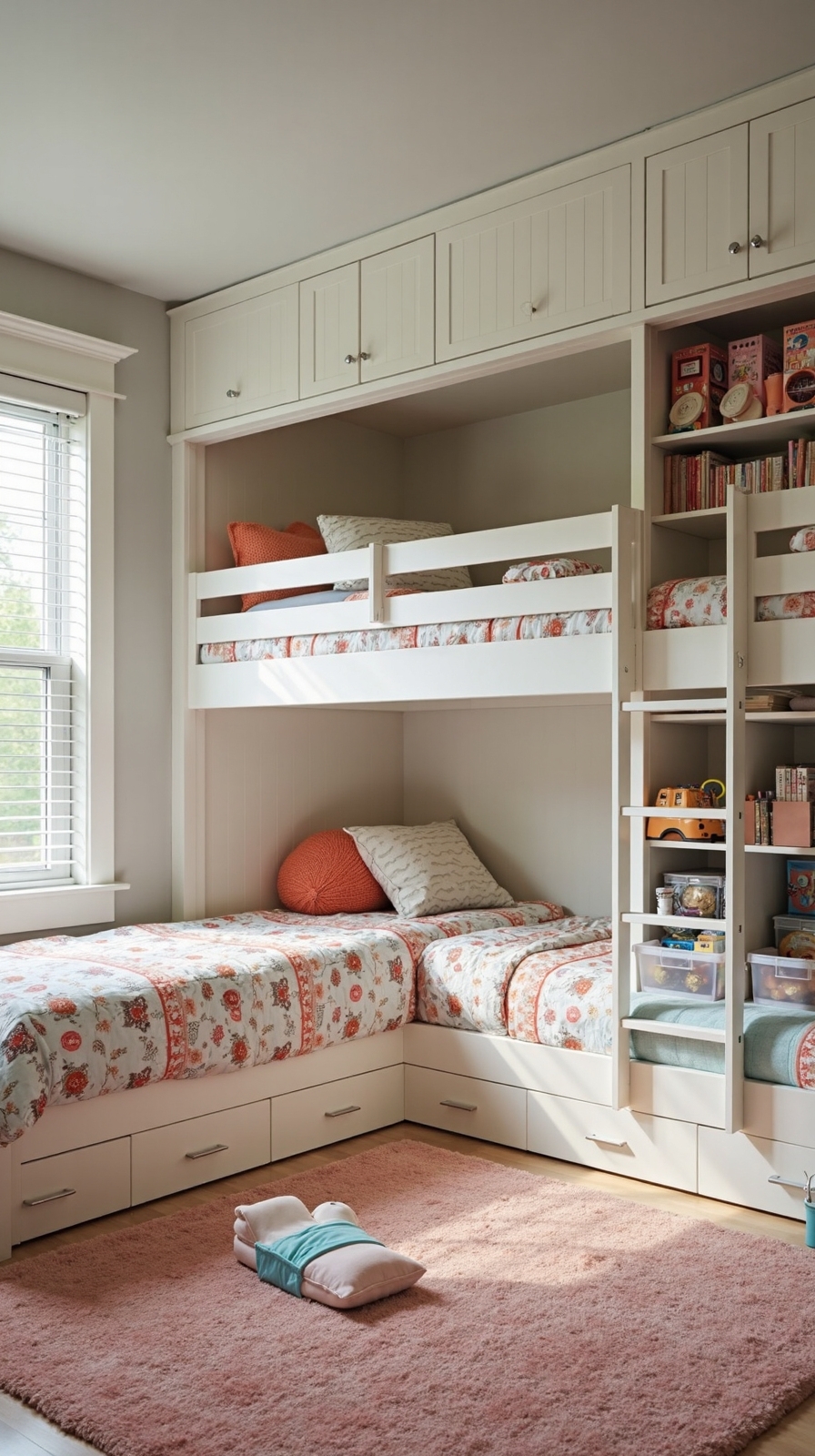
Arranging beds in an L-shape along adjacent walls opens up the center of the room for shared activities while defining individual sleeping zones. This layout maximizes floor space and encourages natural movement.
Utilize the corner for storage solutions like corner bookshelves or cubbies to keep toys and personal items organized. Combining a twin bed on the floor with a perpendicular loft bed can further optimize space and create distinct areas for each child.
Canopy Beds That Inspire Privacy and Imagination
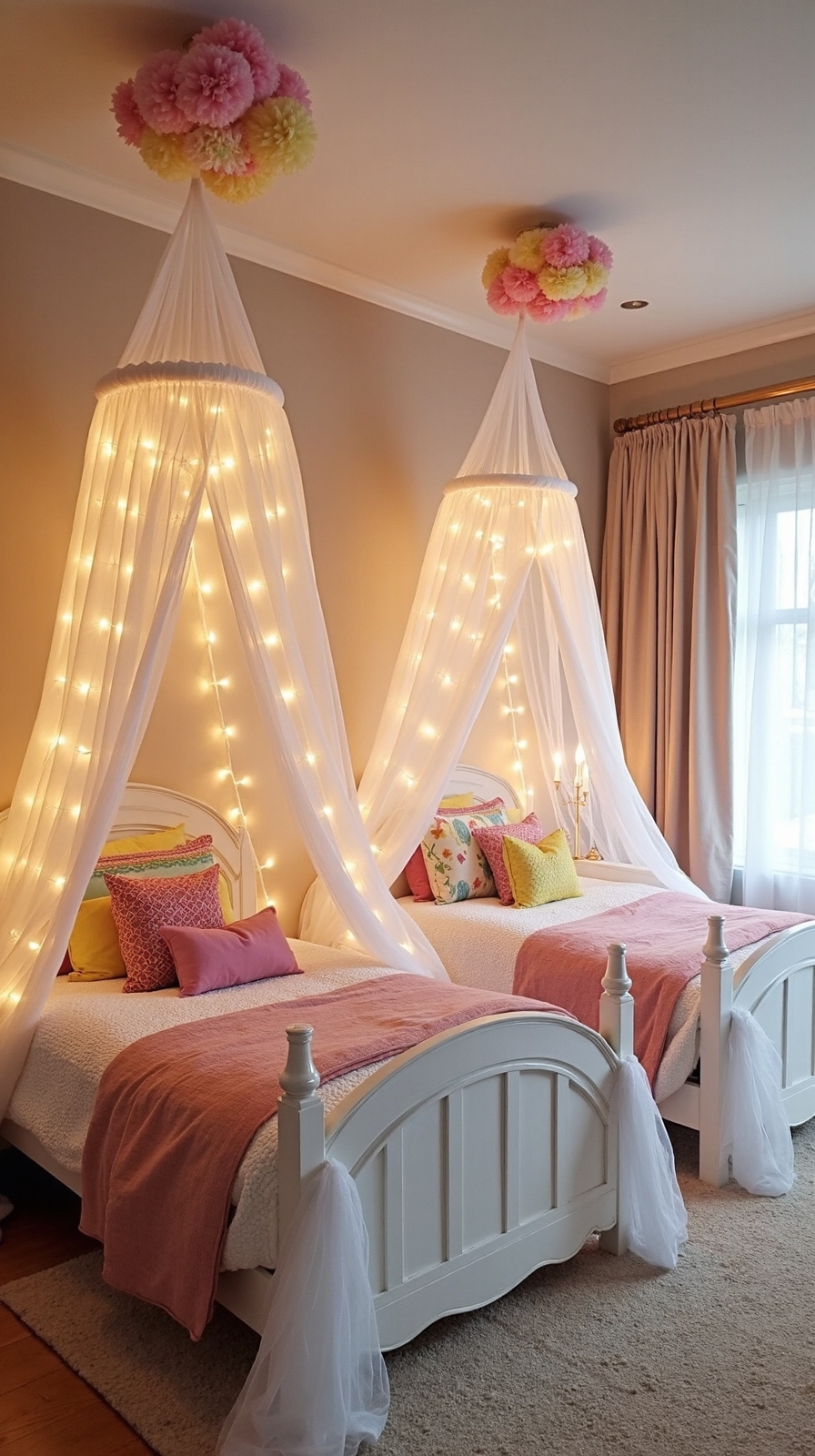
Canopy beds transform shared bedrooms into enchanting personal retreats, offering each child a private nook to relax and dream. These beds encourage imaginative play and provide a sense of security without permanent partitions.
Consider fabric canopies that double as reading tents or hanging chairs placed near windows for gentle swinging and daydreaming. Customize fabrics and themes to reflect your children’s personalities, from enchanted forests to outer space adventures.
Modular Furniture Designed to Evolve With Your Children
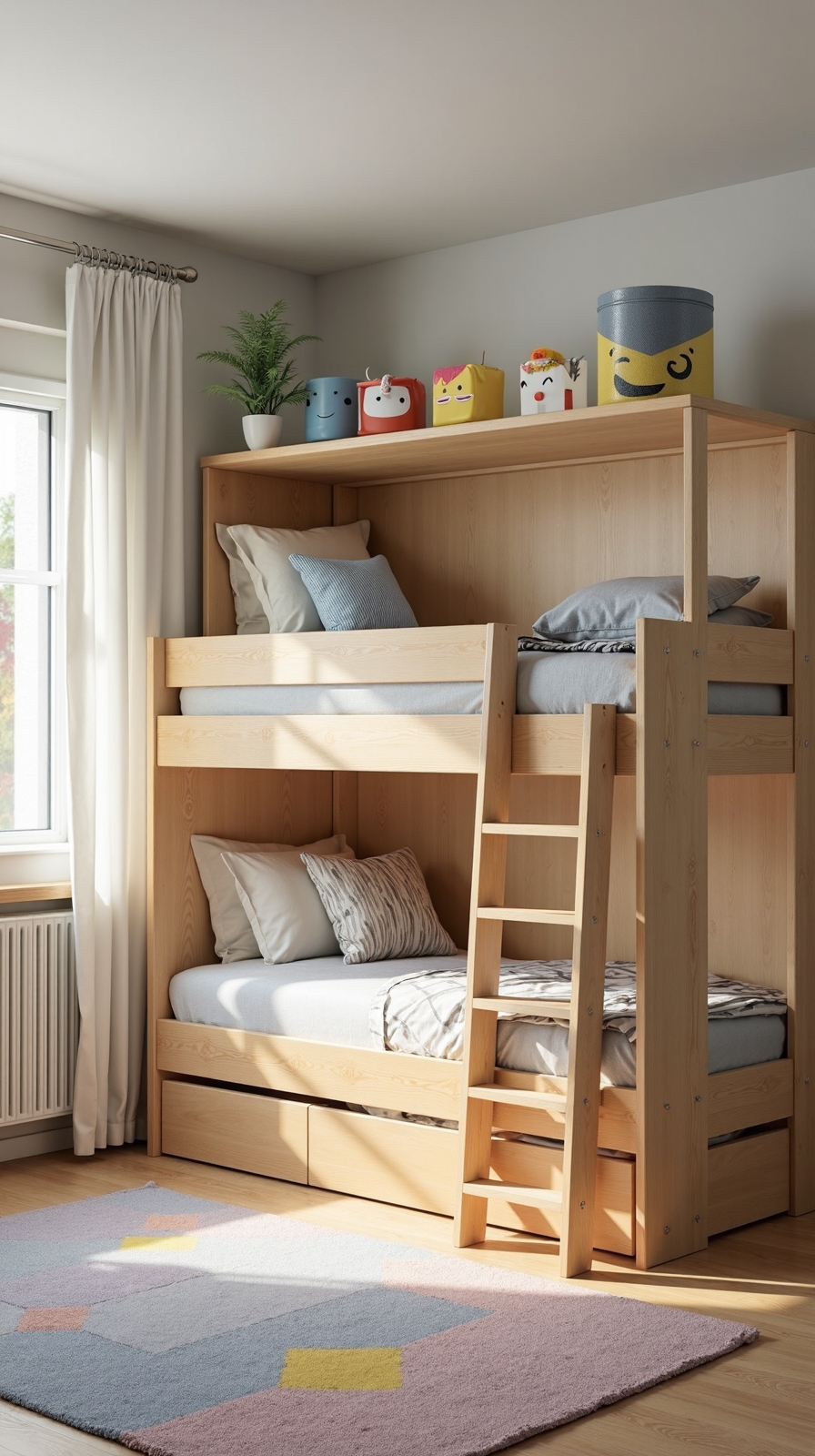
Furniture that adapts as your children grow offers long-term value and flexibility. Modular desks can expand from simple writing surfaces into comprehensive workstations with added shelves and drawers, adjusting to evolving academic needs.
Seating options like bean bags with removable covers or stackable ottomans provide versatile comfort that can be rearranged to suit different activities or room layouts. These adaptable pieces maximize your investment and empower kids to personalize their space.
Wall-Mounted Desks That Preserve Play Areas
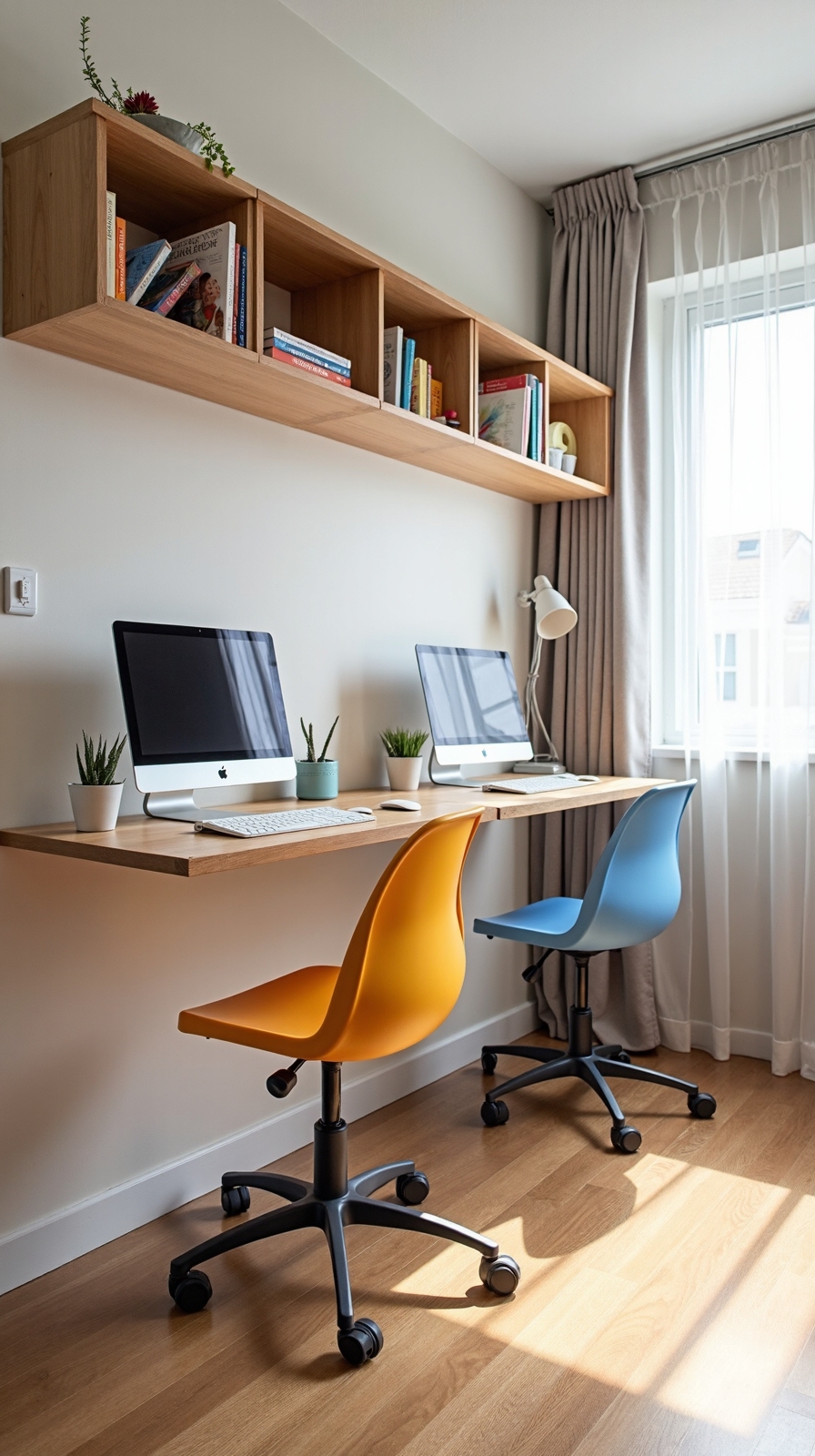
In rooms where every inch counts, wall-mounted desks offer a practical solution by freeing up floor space for play and movement. Fold-down models disappear when not in use, instantly creating room for games or exercise.
Height-adjustable options accommodate growing children, and installing two desks at varying heights allows simultaneous use. Position desks near windows to benefit from natural light, and add floating shelves above for extra storage, optimizing vertical space.
Shared Themed Rooms That Unite Diverse Interests
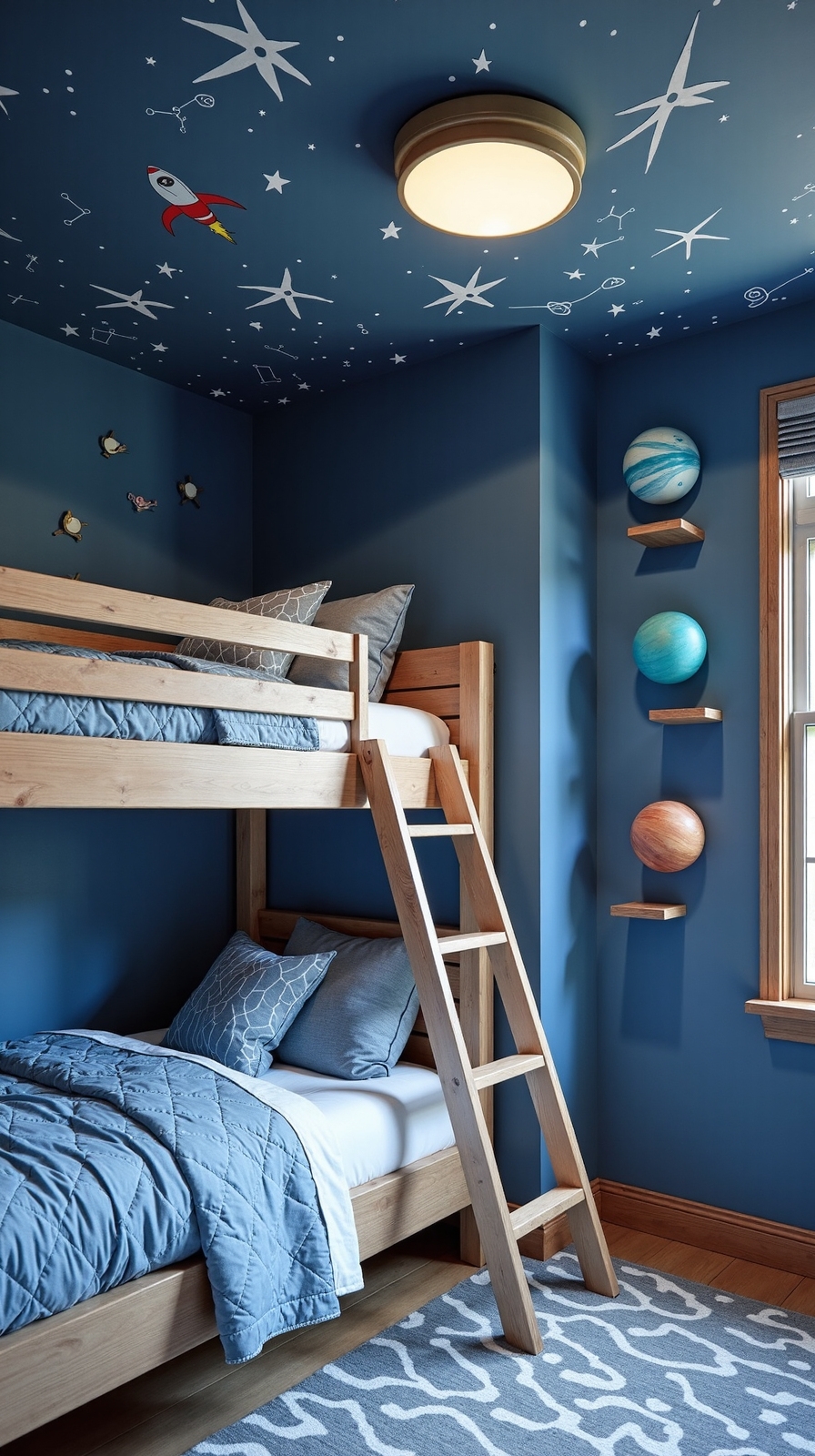
Creating a shared bedroom theme that appeals to both children can foster unity while respecting individuality. Neutral yet engaging themes like nature, space, or adventure provide a broad canvas for personal expression.
Blend color preferences thoughtfully-for example, combining blue and green into an oceanic or forest motif. Use removable wall decals, custom name signs, and fabric panels to personalize zones, allowing the room to evolve with your children’s changing tastes.
Room Dividers That Double as Storage Solutions
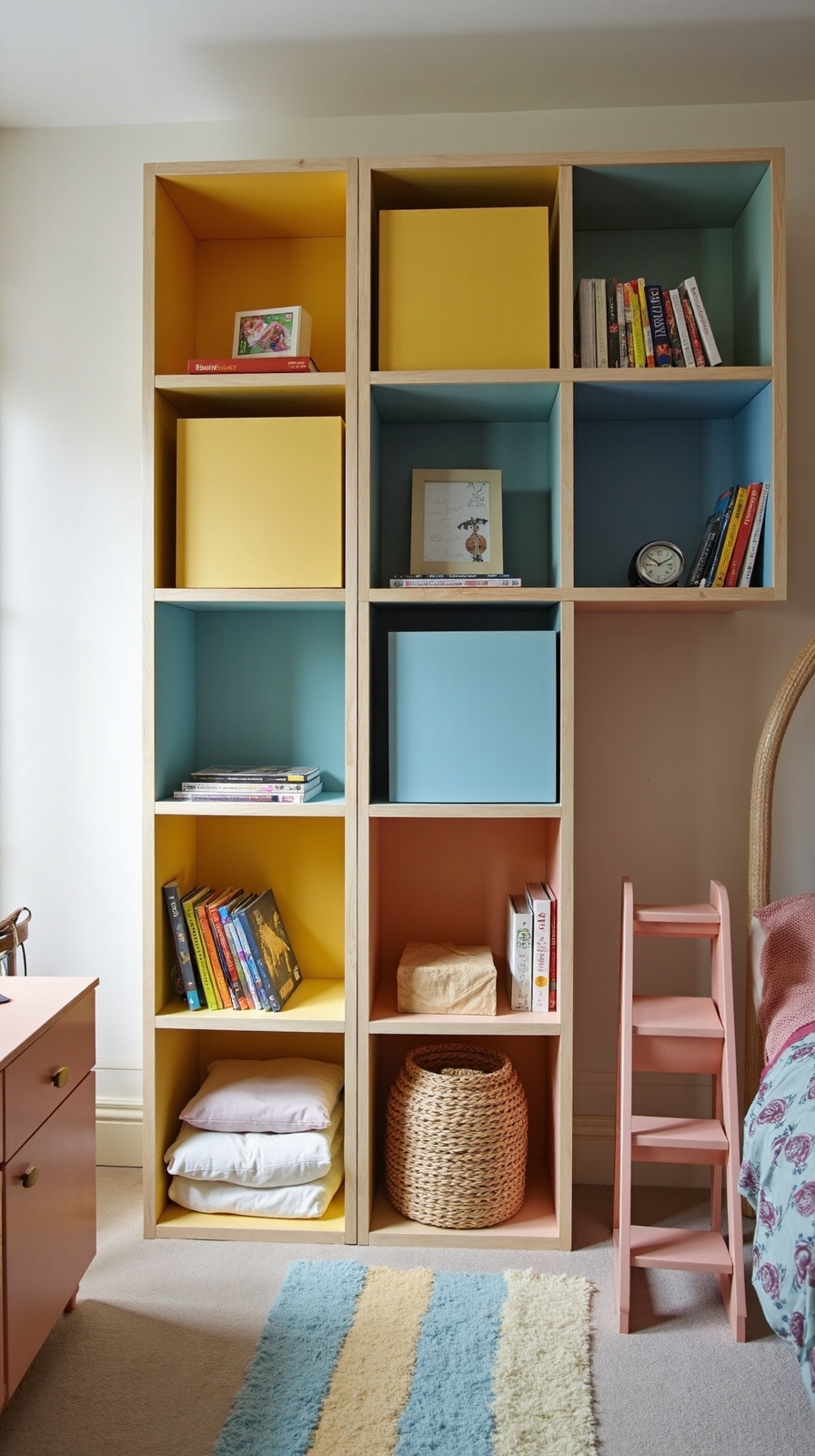
Modern room dividers that incorporate storage transform unused space into functional zones, providing privacy and organization simultaneously. Modular cube storage units can be arranged to fit your room’s layout, offering accessible compartments for toys, books, and clothes.
Choose dividers with built-in desks, reading nooks, or hanging organizers to maximize utility. Tall bookcases placed perpendicular to walls create separation without blocking light, maintaining an open and airy feel.
Under-Bed Storage Drawers to Tame Toy Clutter
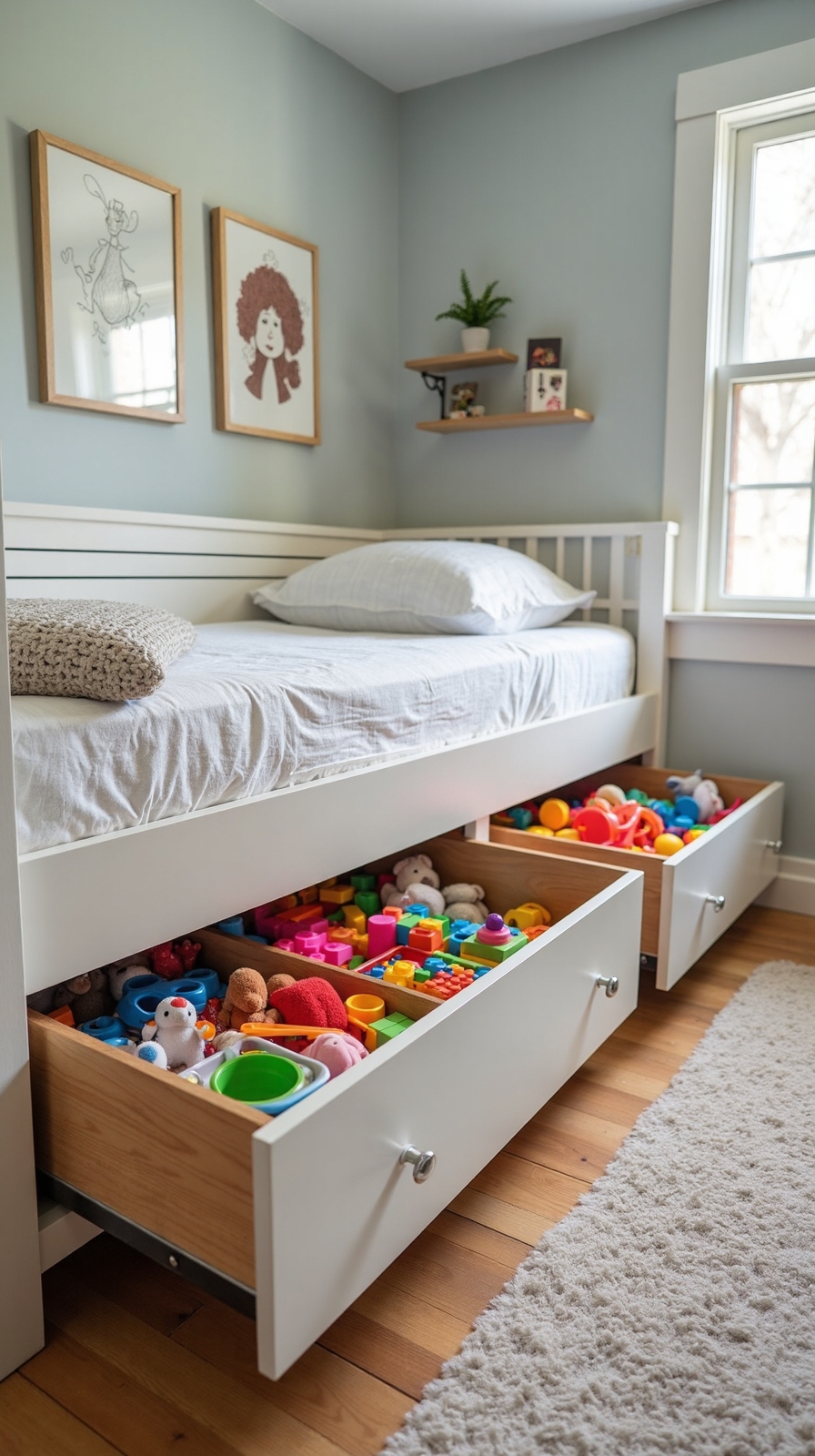
Utilizing the space beneath beds with rolling storage bins or drawers is an effective way to keep toys organized and out of sight. Transparent containers help children quickly identify contents, reducing mess during cleanup.
Wheeled bins glide easily over various flooring types, making tidying up less of a chore. Label each container with images or words to assist younger kids in maintaining order independently. Assigning specific bins to each child fosters responsibility and minimizes disputes.
Floating Shelves for Displaying Books and Treasured Items
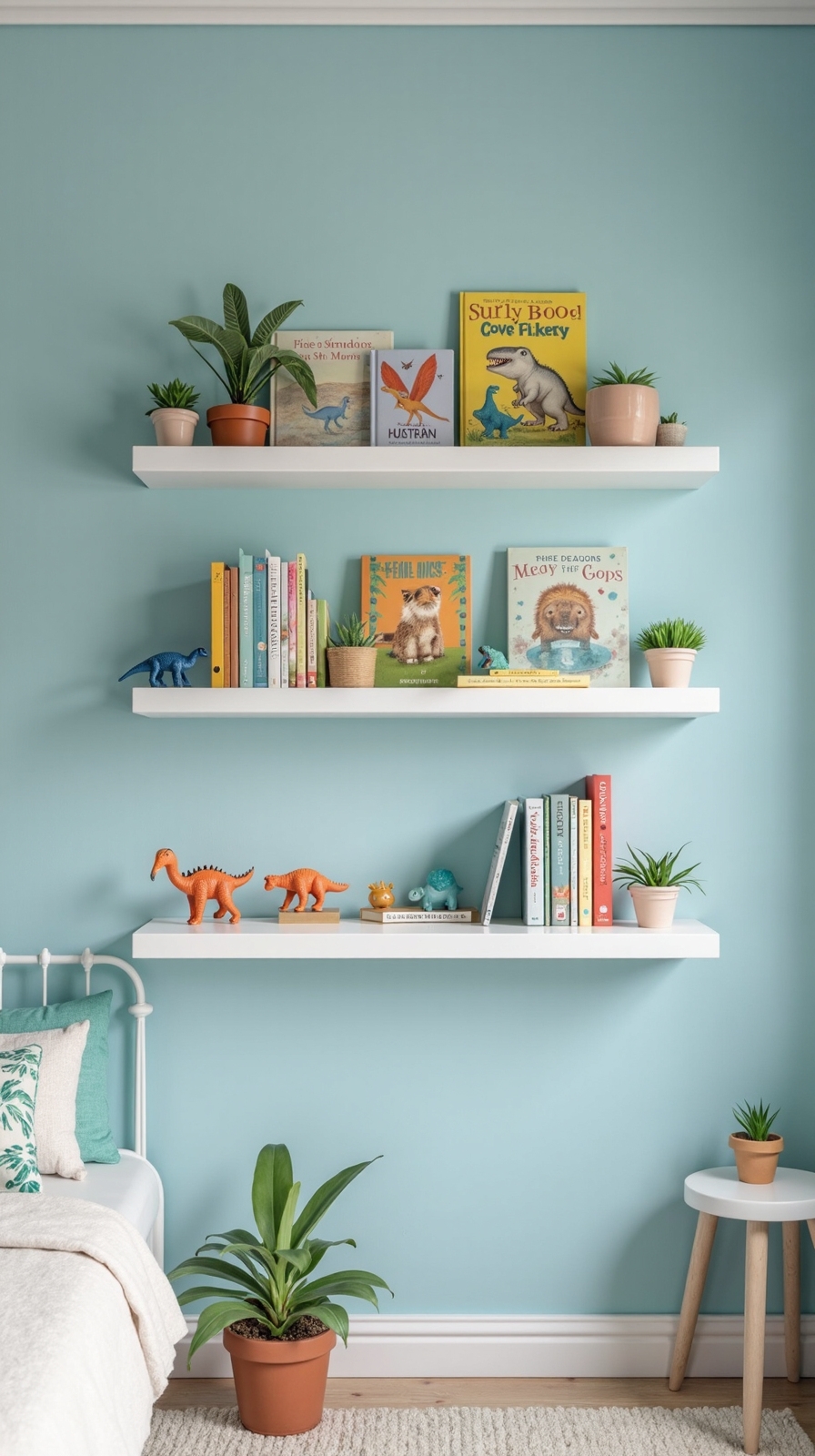
Floating shelves make excellent use of vertical wall space, providing attractive spots for books and collectibles without encroaching on floor area. Install shelves at varying heights to accommodate both children’s reach and add visual interest.
Choose brackets that complement your room’s style, whether sleek metal or warm wood. Place frequently used books within easy reach and display special items higher up for safety. Adding LED strip lighting beneath shelves highlights displays and offers gentle illumination for reading.
Versatile Ottoman Storage for Seating and Organization
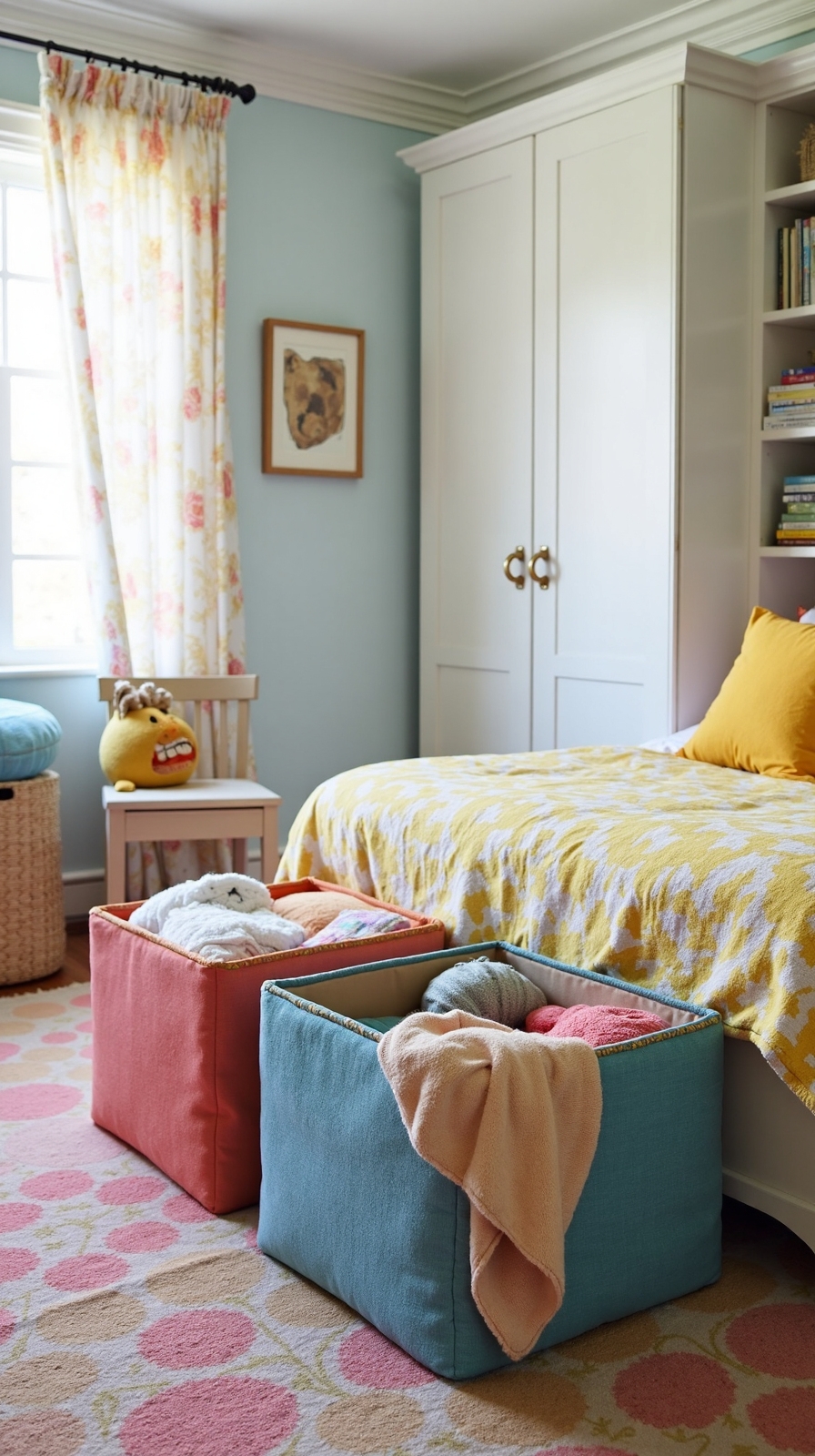
Ottomans with hidden storage compartments serve dual purposes as comfortable seating and practical storage, ideal for shared bedrooms. These pieces help maximize floor space while providing cozy spots for reading or playing.
Look for ottomans with lift-up lids and safety hinges to protect little fingers. Stackable cubes offer flexible arrangements that can evolve with your children’s needs. Select fabrics that coordinate with the room’s color scheme and withstand everyday wear.
Customizable Pegboard Walls for Dynamic Storage
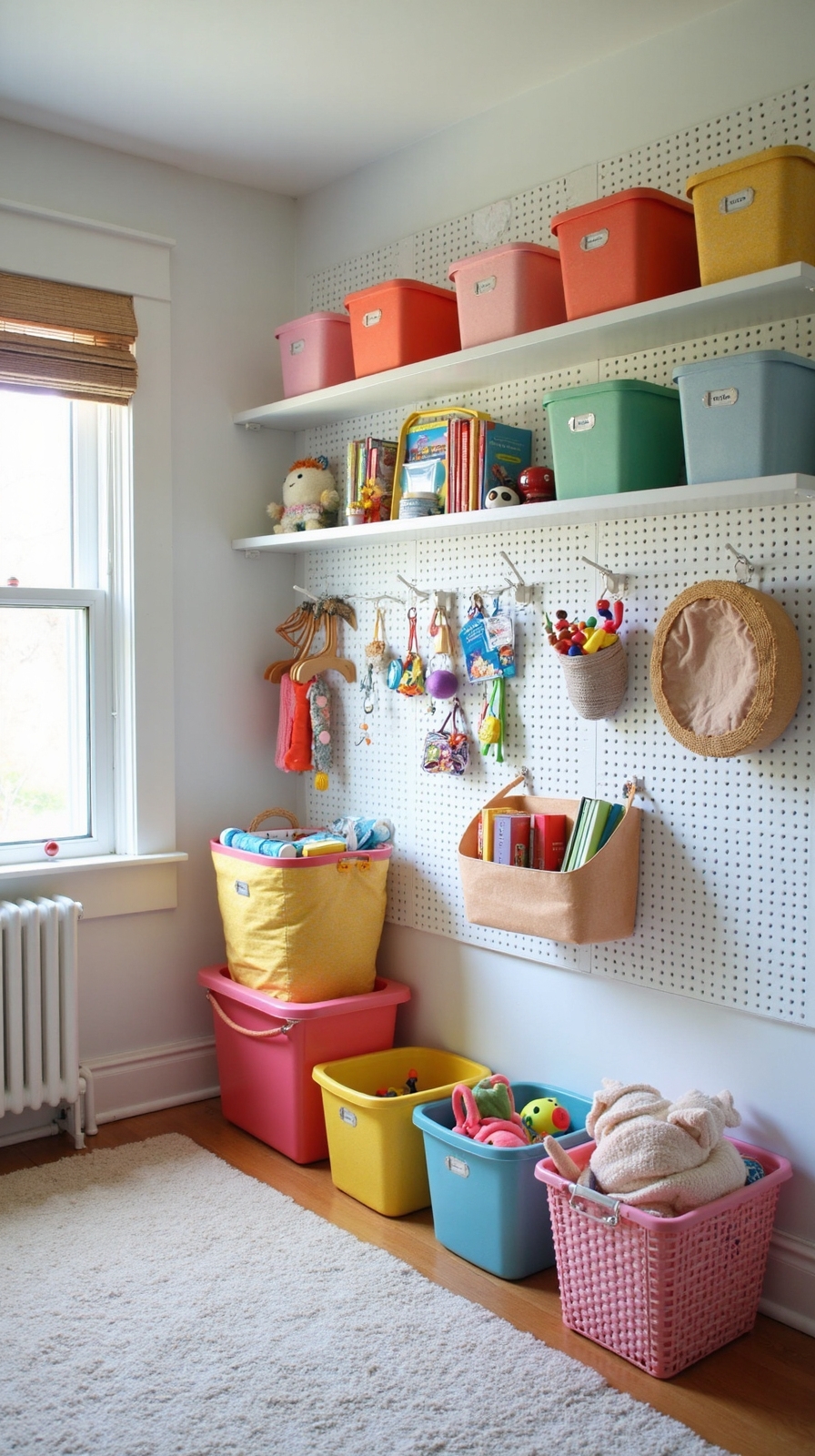
Transform any wall into a versatile storage hub with pegboard panels that adapt to your children’s evolving needs. Adjustable hooks, baskets, and shelves can be rearranged to hold everything from art supplies to sports gear.
Paint pegboards in vibrant colors or patterns to complement the room’s theme, and assign sections to each child using color-coded accessories. This system keeps essentials visible and accessible, encouraging kids to take ownership of their space and simplifying cleanup.
Shared Closet Organization Featuring Personalized Zones
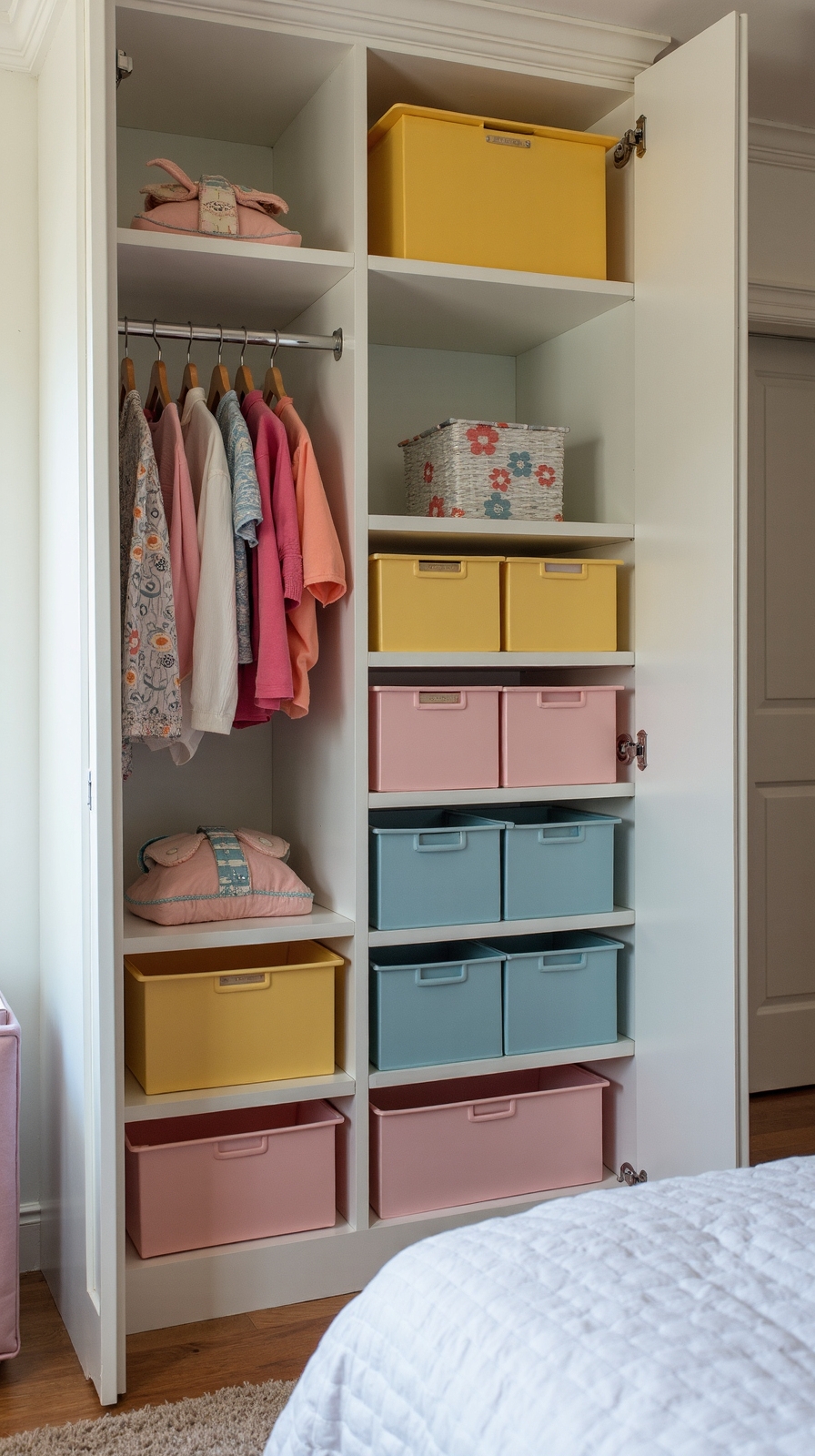
Divide a shared closet into clearly marked sections to give each child their own storage area, reducing conflicts and promoting independence. Use adjustable shelves and double hanging rods to maximize vertical space and accommodate different clothing types.
Label each zone with names or photos to clarify ownership, and add bins for accessories and seasonal items. This organized approach streamlines daily routines and keeps the closet tidy.
Window Seat Benches Offering Cozy Seating and Hidden Storage
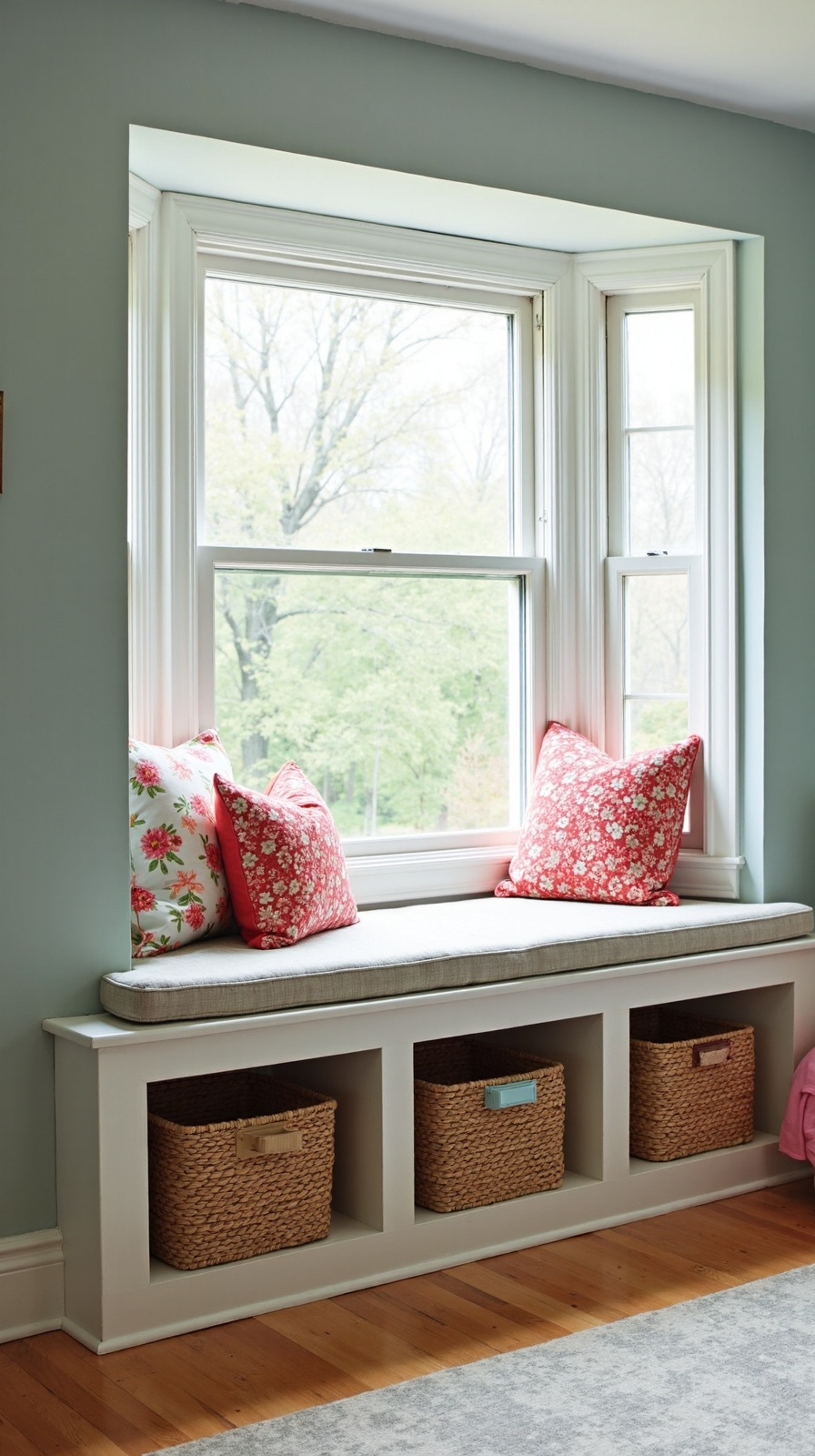
Built-in window seat benches transform underused window areas into inviting seating spots with concealed storage beneath. These cozy nooks provide perfect places for reading, playing, or daydreaming while keeping toys and seasonal items neatly tucked away.
Incorporate hinged lids with safety features to prevent accidents, and add cushions and pillows that reflect each child’s style. Position the bench at a comfortable height to serve both kids effectively.
Ceiling-Hung Nets for Creative Stuffed Animal Storage
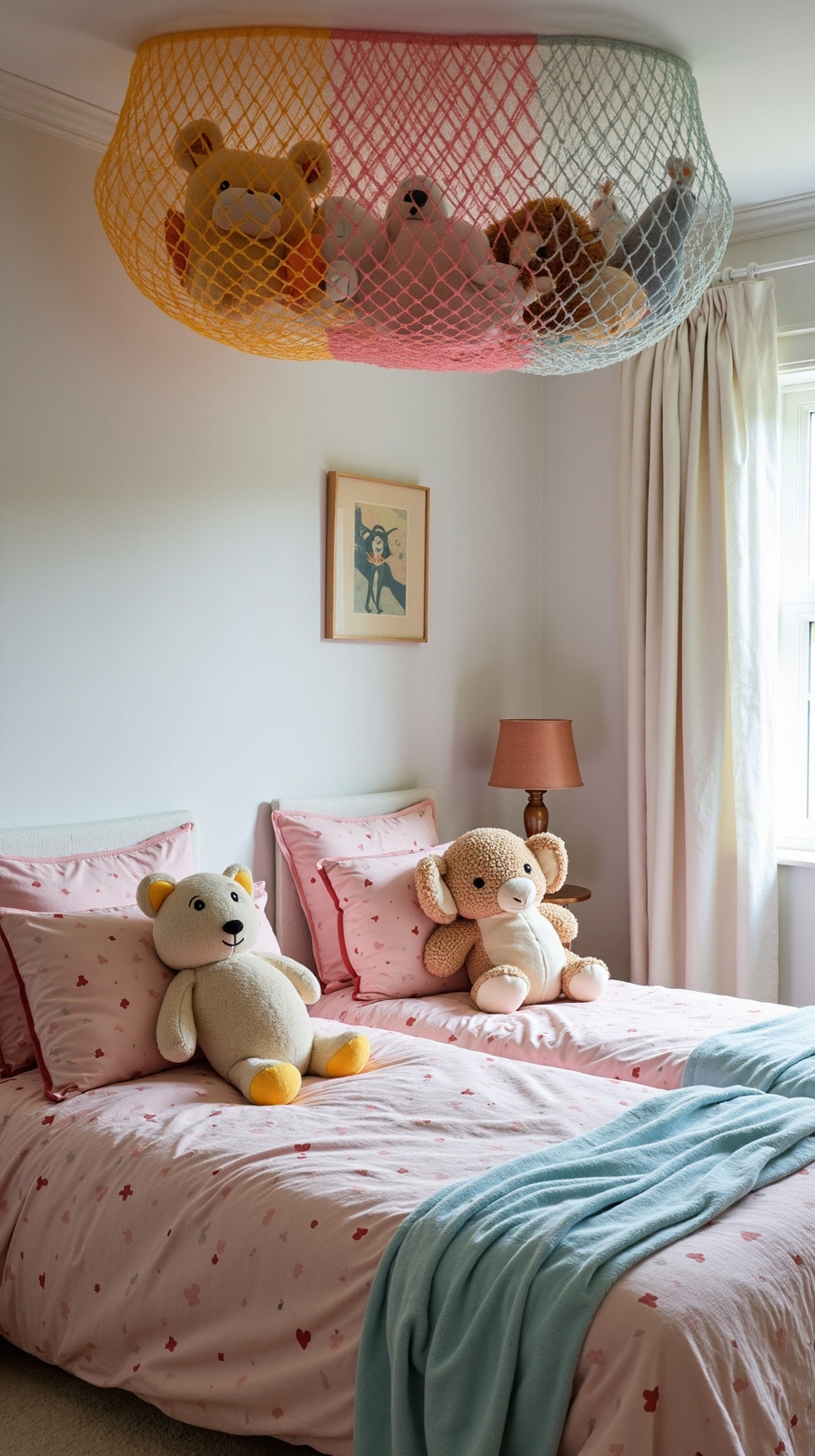
When stuffed animals start to take over surfaces, ceiling-mounted nets offer a clever vertical storage option that keeps toys accessible yet off the floor. Install hammock-style nets in separate corners to designate each child’s collection.
Use sturdy ceiling hooks and mesh materials that complement the room’s decor. Add colorful tags or signs to label each net, preventing disputes and encouraging responsibility. This solution turns clutter into a playful display that enhances the room’s personality.
With these innovative strategies, you can craft a shared bedroom that balances functionality, personalization, and fun for two children. Involving your kids in the design process empowers them to express their tastes and fosters a sense of ownership. By selecting adaptable furniture and smart storage solutions, you’ll create a harmonious space that grows with your family and becomes a cherished retreat for years to come.