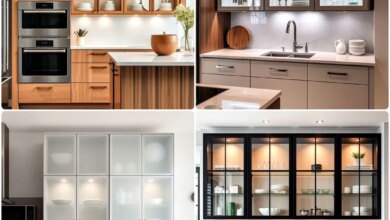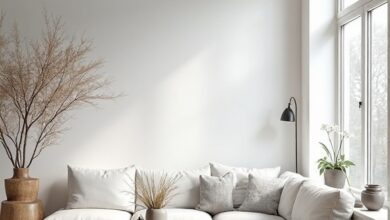
Elevate your child’s living space into a tranquil and practical retreat with these 29 cost-effective Japandi-inspired room ideas. Merging the simplicity of Japanese design with the cozy functionality of Scandinavian style, these interiors do more than just look appealing-they cultivate environments that nurture creativity, encourage relaxation, and evolve alongside your child’s changing needs. Whether you’re setting up a nursery, a play area, or a study corner, these affordable and intentional designs will help you build a harmonious atmosphere that supports your child’s growth and imagination.
1. Minimalist Playroom Inspiration

Design a minimalist playroom that sparks imagination through neutral palettes and uncluttered spaces. Incorporate affordable storage units that blend effortlessly with Japandi’s soothing aesthetic, keeping toys neatly arranged. Soft fabrics and open floor plans invite creative play while maintaining a peaceful ambiance. This budget-friendly setup is ideal for cultivating a joyful and calm environment for your child.
2. Tranquil Nursery Design

Create a serene nursery by combining soft, muted shades with minimalist furnishings crafted from natural wood. Gentle textiles and simple decor foster a secure and calming atmosphere for infants. This economical design encourages restful sleep and is perfect for new parents seeking a nurturing space without overspending.
3. Safe Toddler Sanctuary

Design a toddler-friendly haven featuring low-profile furniture that ensures safety and comfort. Utilize neutral tones and organic materials to create a soothing environment that supports exploration. Cost-effective storage solutions keep playthings organized, promoting independence while maintaining Japandi’s minimalist charm.
4. Compact Rest Area

Craft a sleek rest nook with streamlined, budget-friendly furniture that promotes a clutter-free and relaxing atmosphere. Incorporate soft bedding and subtle lighting to enhance comfort without inflating costs. This minimalist space is perfect for older children seeking a peaceful retreat.
5. Inspiring Artistic Corner

Encourage creativity with an artistic corner featuring affordable desks positioned near natural light sources. Keep decor minimal to maintain focus and reduce distractions. Soft hues and practical storage options create a serene and cost-effective environment ideal for budding young artists.
6. Cozy Natural Retreat

Combine soft, earthy tones with natural textures to create a warm and inviting space that adapts as your child grows. This budget-conscious design uses simple furnishings to maintain Japandi’s timeless appeal while keeping expenses manageable. Ideal for parents seeking a versatile and cozy environment.
7. Bright Playful Space

Maximize natural sunlight with pale wood furnishings and light color schemes to create an uplifting and energetic playroom. Keep window treatments minimal to maintain brightness while staying budget-friendly. This design is perfect for active children who thrive in vibrant, airy spaces.
8. Organized Geometric Play Area

Utilize geometric-shaped, affordable furniture to maintain a clean and orderly play environment. Built-in storage solutions help keep clutter under control, aligning with Japandi’s minimalist ethos. This practical design is ideal for parents who value organization without overspending.
9. Soft Curved Study Corner

Incorporate curved, budget-friendly furniture to create a welcoming and safe study area. Neutral shades and gentle shapes foster a calm atmosphere conducive to learning. This design balances Japandi’s serene style with affordability, making it perfect for school-age children.
10. Versatile Activity Zone

Combine play and study areas using affordable natural materials and soft color palettes to create a balanced, multifunctional space. This budget-conscious design encourages creativity and calmness with minimal decorative elements. Ideal for children with diverse interests, it’s straightforward to set up.
11. Serene Relaxation Spot

Design a minimalist retreat with cozy bedding and soft illumination to foster relaxation. This affordable setup embraces Japandi’s tranquil aesthetic, using simple decor to keep expenses low while providing a nurturing environment. Perfect for children who need a calm space to unwind.
12. Peaceful Reading Room

Set up a tranquil space for reading and quiet play using soft fabrics and budget-friendly materials. This design minimizes distractions and aligns with Japandi’s calming principles, making it ideal for introspective children. It’s an easy and affordable way to encourage thoughtful activities.
13. Soft Pastel Play Area

Use soft pastel colors to create a soothing and playful environment. This budget-friendly design encourages gentle play with age-appropriate toys and minimalistic decor, perfectly complementing Japandi’s peaceful style. It’s an excellent choice for young children sensitive to overstimulation.
14. Balanced Living Space

Merge active and restful zones using natural elements and soft furnishings to create a budget-friendly, uplifting environment. This design supports a variety of activities while maintaining Japandi’s minimalist elegance. It’s perfect for children who enjoy a versatile living space.
15. Safe Playpen Design

Provide a secure and sensory-friendly playpen using soft materials and neutral colors. This cost-effective design avoids overwhelming decor and uses non-toxic finishes, aligning with Japandi’s calming aesthetic. It’s an ideal solution for parents seeking a safe play area for infants.
16. Monochrome Playroom

Adopt a stylish black-and-white theme with affordable furnishings to create a playful yet minimalist space. Interactive features like chalkboard walls add fun without cluttering the room. This budget-conscious design is perfect for children who appreciate modern aesthetics.
17. Discreet Play Area

Encourage imaginative play with versatile, affordable equipment in a minimalist setting. This budget-friendly design emphasizes creativity without visual overload, staying true to Japandi’s serene style. It’s an easy-to-create space for children who love to explore.
18. Contemporary Calm Space

Blend contemporary furniture with Japandi’s minimalist vibe using soft textiles and rounded shapes. This affordable design ensures safety and comfort while maintaining a tranquil atmosphere. It’s an excellent choice for modern families seeking a peaceful space for their children.
19. Sensory-Friendly Suite

Incorporate soft carpets and cushions to create a sensory-friendly environment that encourages exploration. This budget-conscious design features smooth edges and calming colors, perfectly aligning with Japandi’s aesthetic. It’s ideal for young children who benefit from tactile stimulation.
20. Warm Lighting Loft

Use soft, affordable lighting fixtures and simple window treatments to create a cozy, adaptable space for play or rest. This budget-friendly design captures Japandi’s warm and inviting atmosphere, making it suitable for energetic children who need a versatile room.
21. Refined Sleep Space

Offer a serene sleeping area with high-quality yet affordable bedding and neutral tones. This minimalist design promotes restful sleep while keeping costs low, making it perfect for children who value comfort and simplicity.
22. Focused Activity Corner

Design a quiet corner for hobbies like reading or drawing using neutral colors and budget-friendly furniture. This Japandi-inspired space minimizes distractions and fosters concentration, making it ideal for creative children.
23. Luminous Playroom

Incorporate affordable lighting fixtures to create a playful yet calming environment. Sleek furniture maintains an uncluttered look, perfectly balancing style and function. This design suits older children who appreciate a bright and organized space.
24. Modern Simple Playroom

Opt for functional, affordable furniture to create a spacious and modern play area. This budget-conscious design encourages active play while maintaining Japandi’s clean and minimal aesthetic. It’s an excellent choice for energetic children.
25. Airy Light Den

Use transparent shelving and soft furnishings to create a bright, airy playroom. This budget-friendly design maximizes natural light and maintains a cozy Japandi-inspired atmosphere. It’s perfect for children who enjoy open and inviting spaces.
26. Curved Sleep Space

Incorporate curved, affordable furniture to design a safe and stylish sleeping area. Soft geometric shapes and neutral colors align with Japandi’s calming principles without inflating the budget. This cozy nook is ideal for children who appreciate modern design elements.
27. Soft-Hued Quarters

Apply soft pastel tones to cultivate a serene and budget-friendly environment. This design encourages calmness and focus with minimal decor, perfectly reflecting Japandi’s tranquil vibe. It’s especially suitable for children sensitive to sensory overload.
28. Organized Reading Nook

Create a neat and inviting reading corner with sleek seating and ample storage. This affordable design minimizes distractions and embraces Japandi’s minimalist charm, encouraging storytelling and literacy without costly materials.
29. Calm Play Pavilion

Design a tranquil and organized play pavilion using soft colors and natural materials. This budget-conscious space supports calm and creative play, embodying Japandi’s peaceful aesthetic. It’s an excellent choice for expressive children who benefit from a serene environment.
These 29 Japandi-inspired kids’ room concepts demonstrate how intentional design can foster nurturing spaces where learning and tranquility coexist. By integrating clean lines, natural textures, and gentle color schemes, each idea promotes both focus and relaxation for developing minds. Whether you’re creating a reading nook, study area, or play zone, these elements help cultivate creativity and mindfulness in a beautifully balanced setting. Transform your child’s room into a peaceful sanctuary that inspires curiosity, comfort, and happiness every day.
Explore Japandi kids room furniture and minimalist kids storage options on Amazon to find affordable pieces that complement these designs. For creative spaces, check out kids art desks and soft kids lighting to enhance your child’s room ambiance.