Transforming your living room into a chic and welcoming space no longer requires a hefty budget. This detailed guide presents 29 fresh and inventive contemporary modern living room concepts that demonstrate how creativity and smart spending can revitalize your home. Whether you favor minimalist tranquility or dynamic metropolitan vibes, these designs cater to diverse preferences and lifestyles, proving that elegant interiors are attainable for everyone.
1. Tranquil Minimalist Retreat
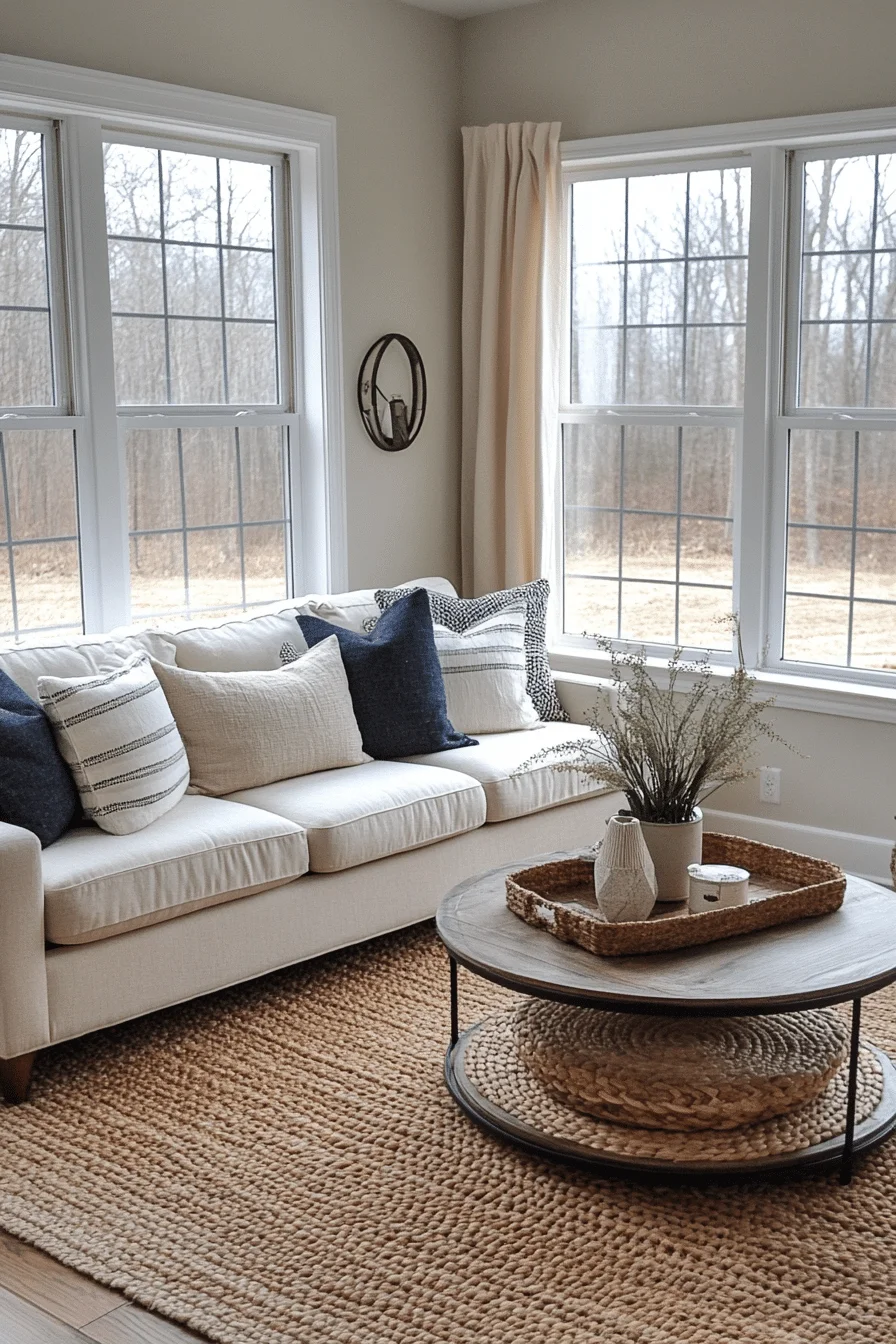
Enter a Tranquil Minimalist Retreat where simplicity reigns with clean architectural lines and a soothing neutral palette. Budget-friendly, sparse furnishings combined with gentle textures create an open, serene atmosphere reminiscent of a peaceful sanctuary. Expansive windows flood the room with natural light, enhancing the airy and spacious ambiance.
2. Urban Chic Corner
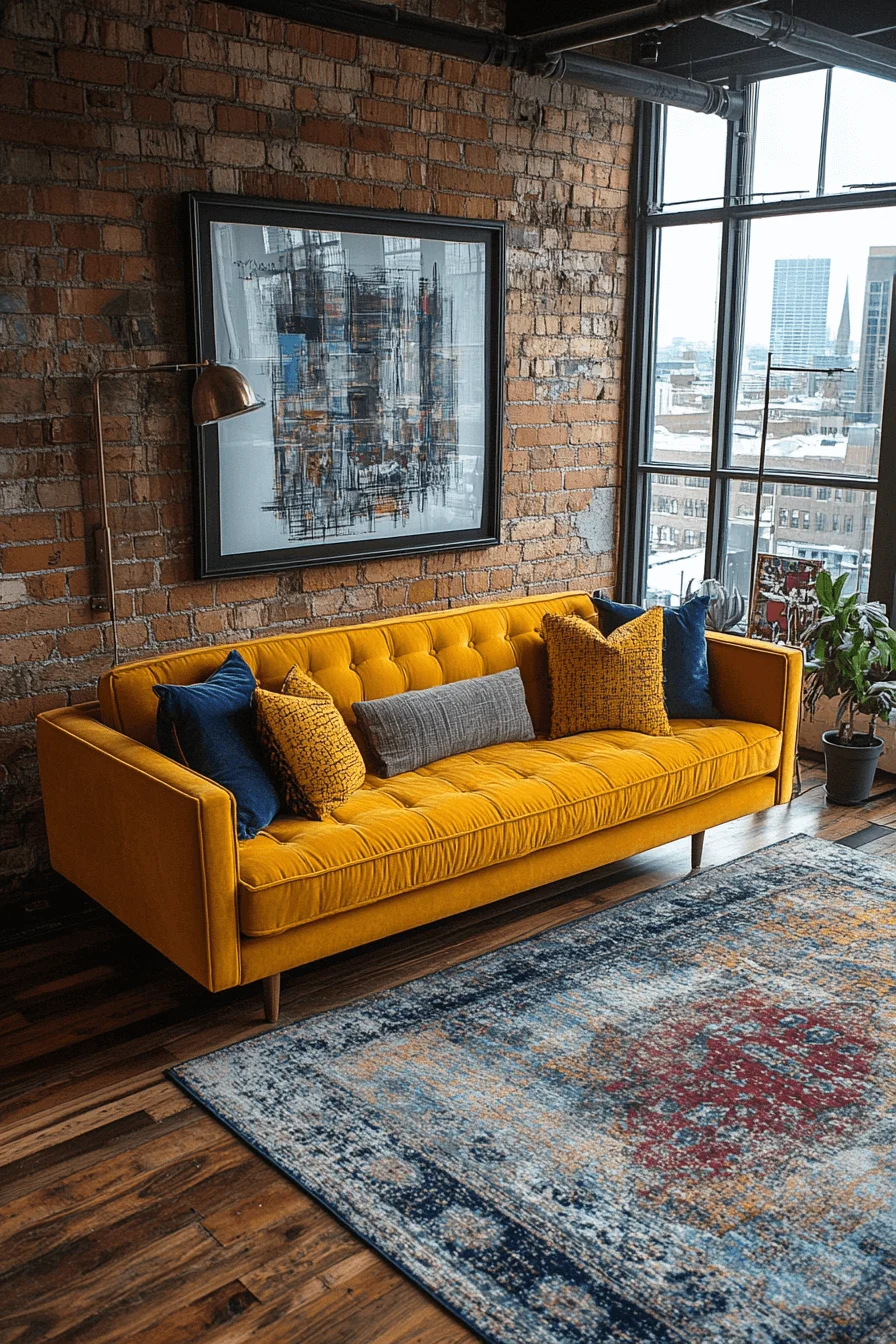
Capture the essence of city living with an Urban Chic Corner that fuses industrial elements like exposed ductwork and metallic finishes with affordable, stylish furniture. A statement art piece or a sleek modern lamp injects character without overwhelming the space, creating a refined yet accessible metropolitan vibe.
3. Innovative Tech Lounge
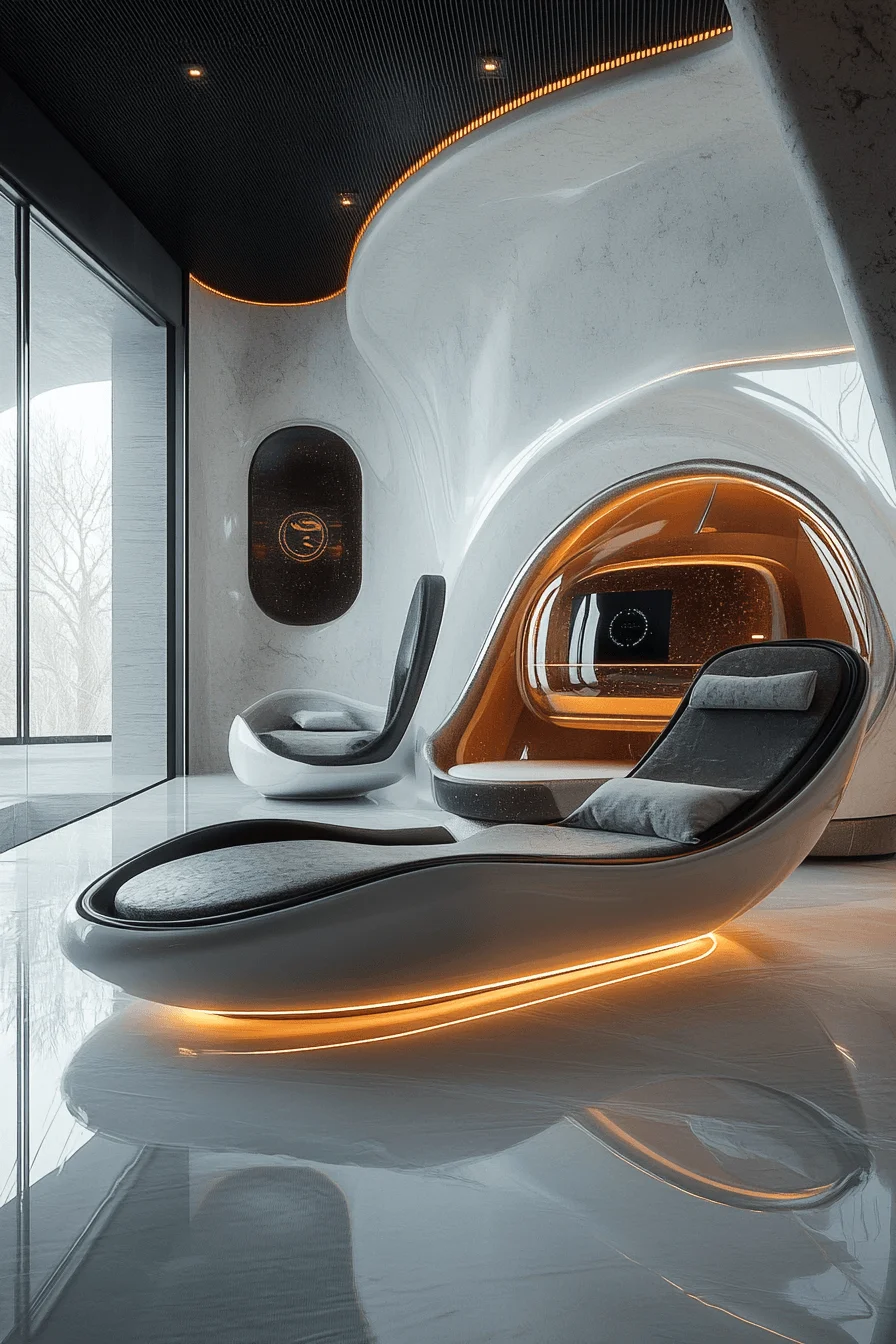
Step into the future with an Innovative Tech Lounge, where sleek, budget-conscious furniture meets smart technology like ambient LED lighting and wireless speakers. This modern setup offers a fresh, cutting-edge atmosphere that’s both functional and stylish without a steep price tag.
4. Eco-Friendly Modern Sanctuary
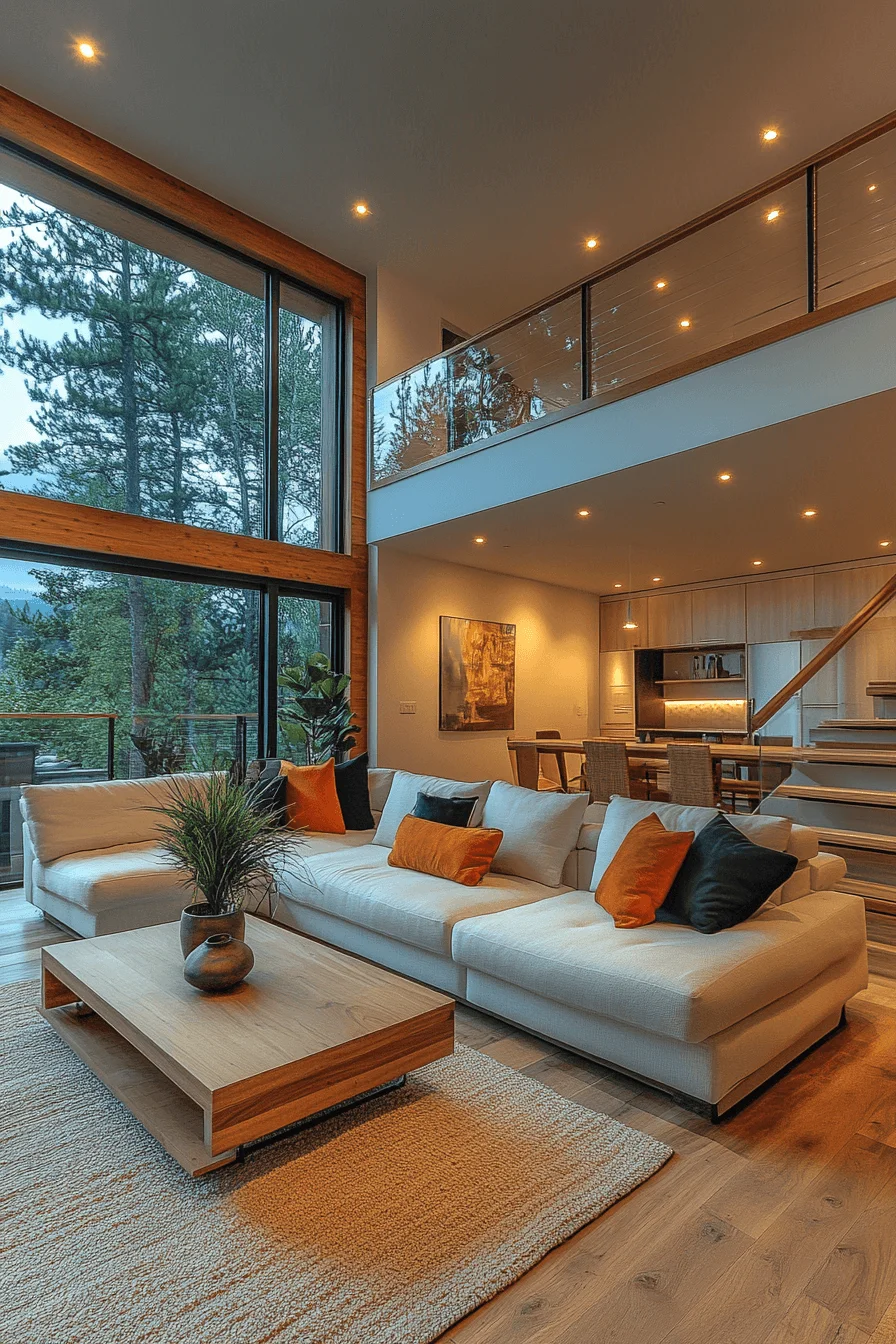
Embrace sustainability with an Eco-Friendly Modern Sanctuary featuring reclaimed wood accents and organic, secondhand textiles. Incorporate lush greenery and energy-efficient lighting to foster a healthy, inviting environment that’s both stylish and kind to the planet.
5. Seamless Indoor-Outdoor Living
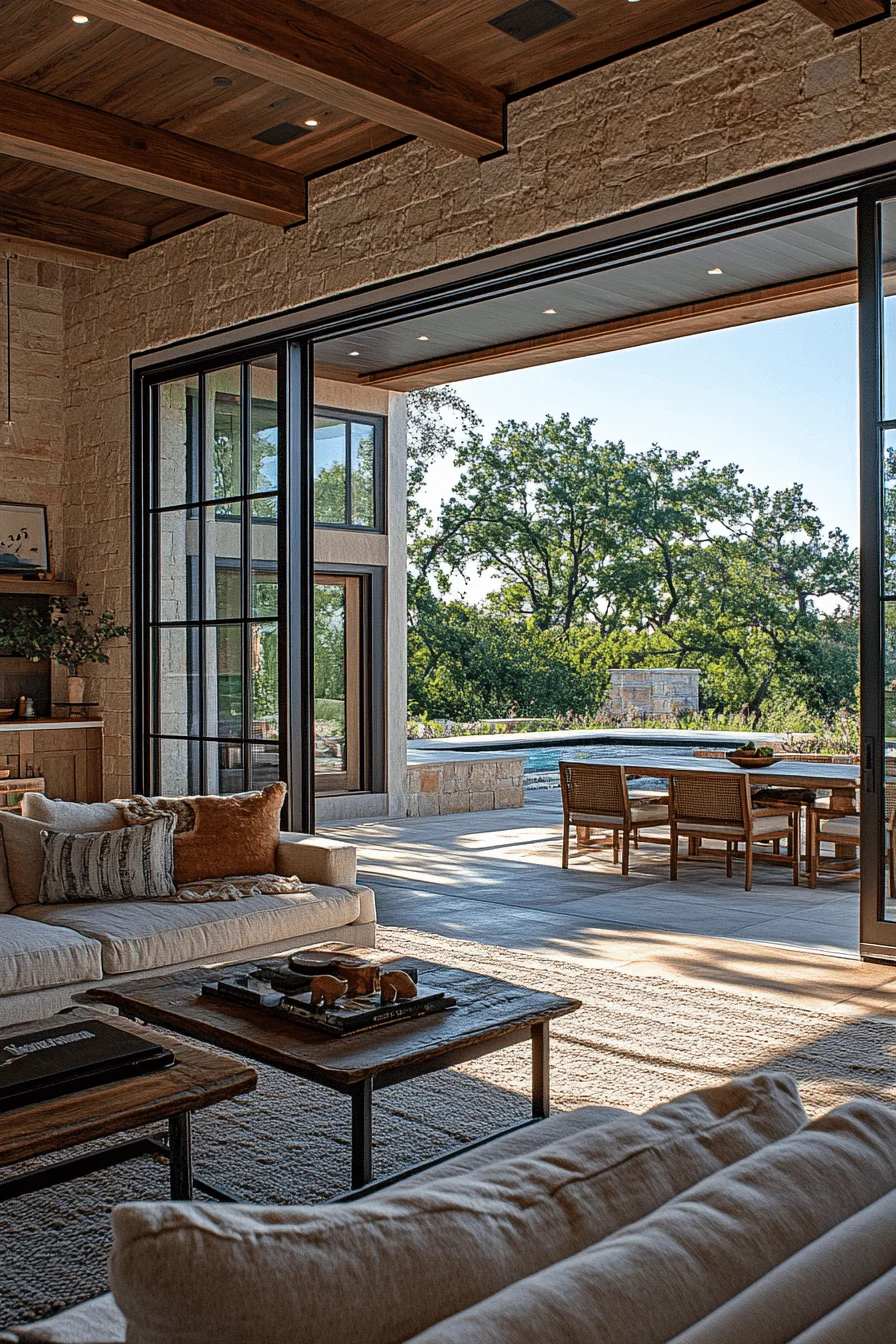
Bring the outdoors inside with a Seamless Indoor-Outdoor Living space, where large windows and earthy color schemes merge nature with modern design. Versatile, affordable furniture that transitions effortlessly between indoor and outdoor use creates a relaxed, airy atmosphere perfect for unwinding.
6. Tech-Enhanced Entertainment Hub
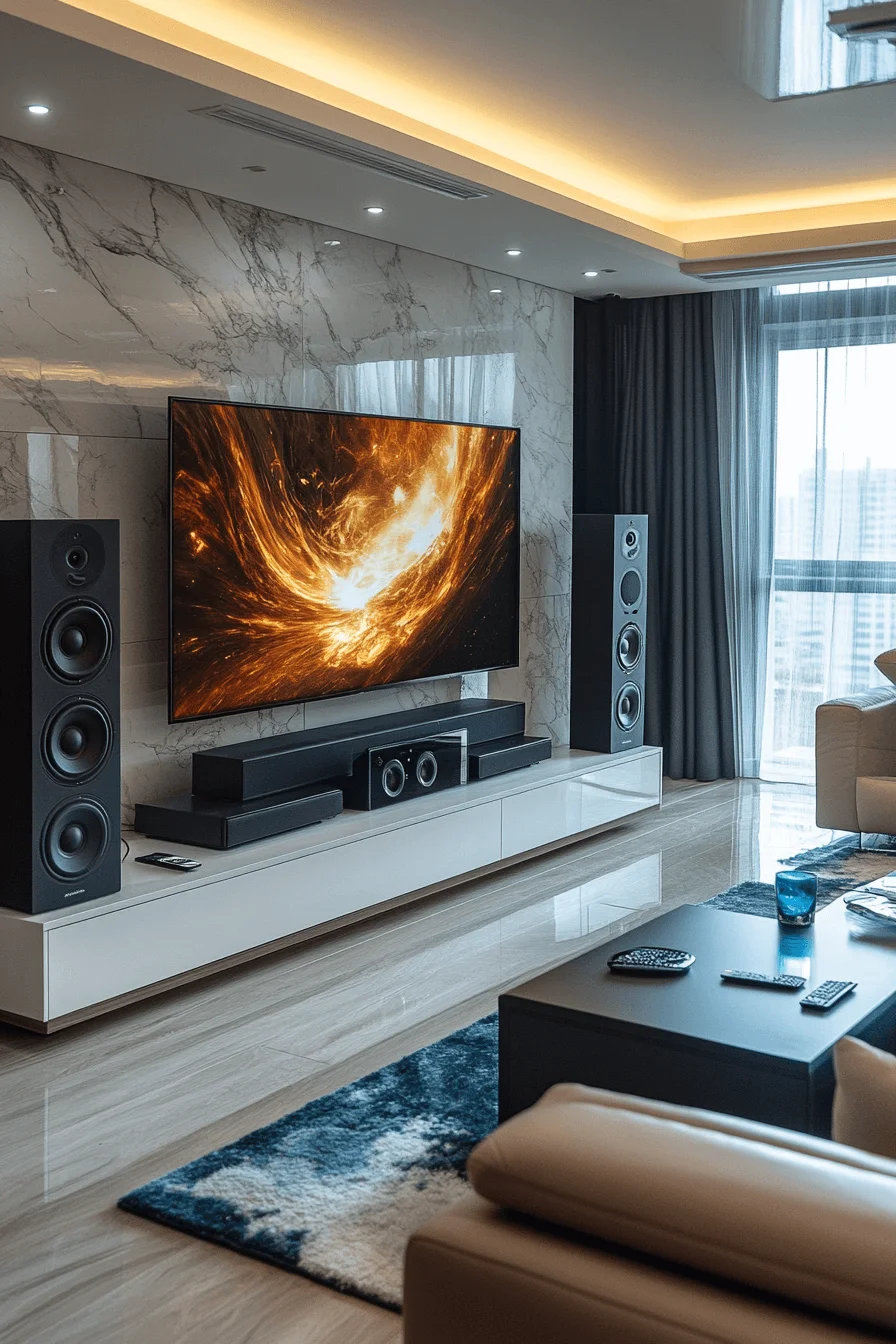
Upgrade your leisure time with a Tech-Enhanced Entertainment Hub, combining budget-friendly smart TVs and sound systems with sleek, minimalist furniture. This setup offers an immersive experience for movies and gaming while maintaining a clean, uncluttered aesthetic.
7. Luxe Glamour Lounge
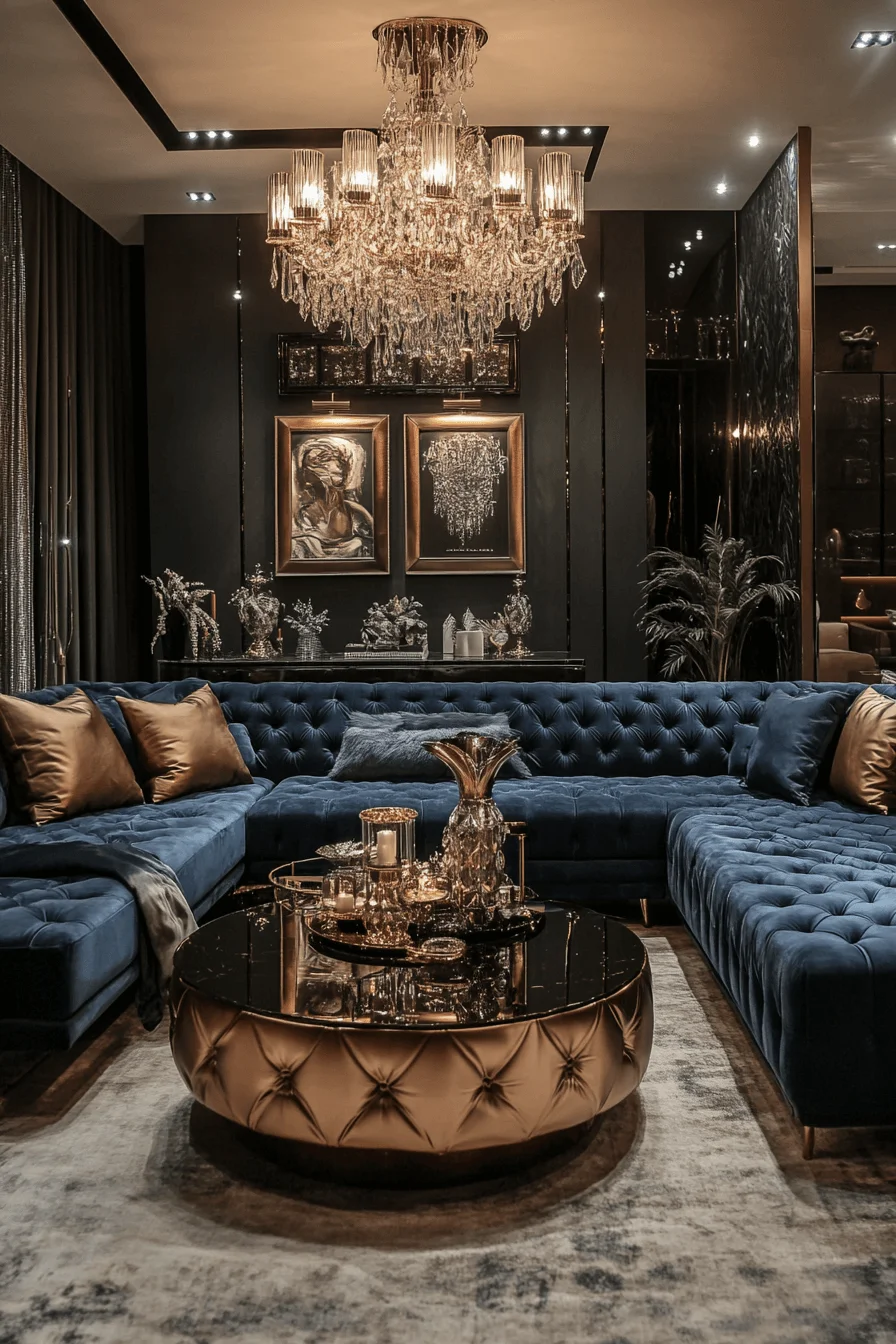
Experience affordable luxury with a Luxe Glamour Lounge, where plush velvet cushions and metallic accents sourced from thrift stores add opulence. A budget-friendly chandelier elevates the space, creating a cozy yet sophisticated environment perfect for relaxation.
8. Monochrome Elegance
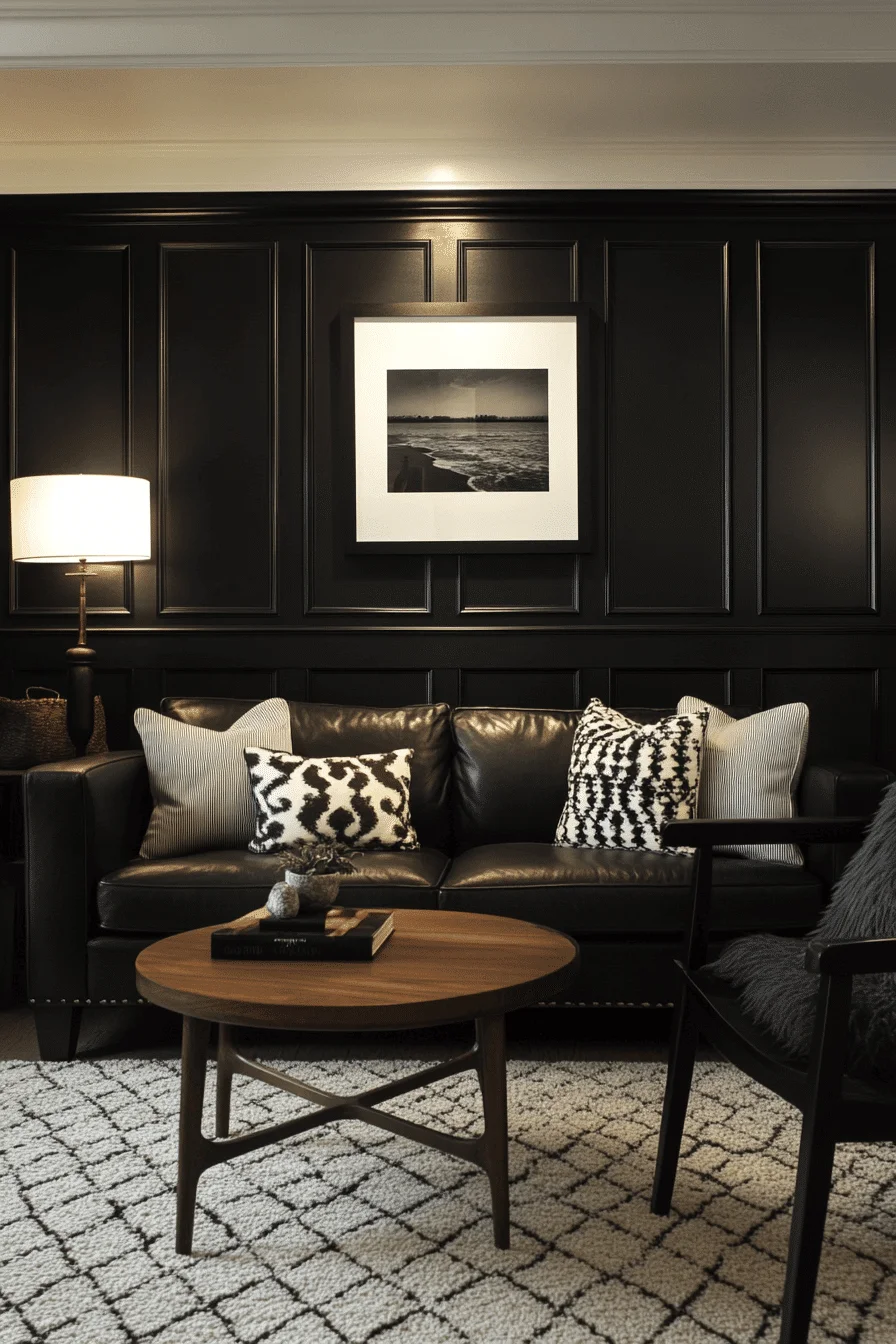
Achieve refined simplicity with Monochrome Elegance, where a single color palette-such as shades of gray or white-unifies the room. Affordable furnishings paired with varied textures like leather and soft fabrics create a serene and polished atmosphere.
9. Artistic Expression Space
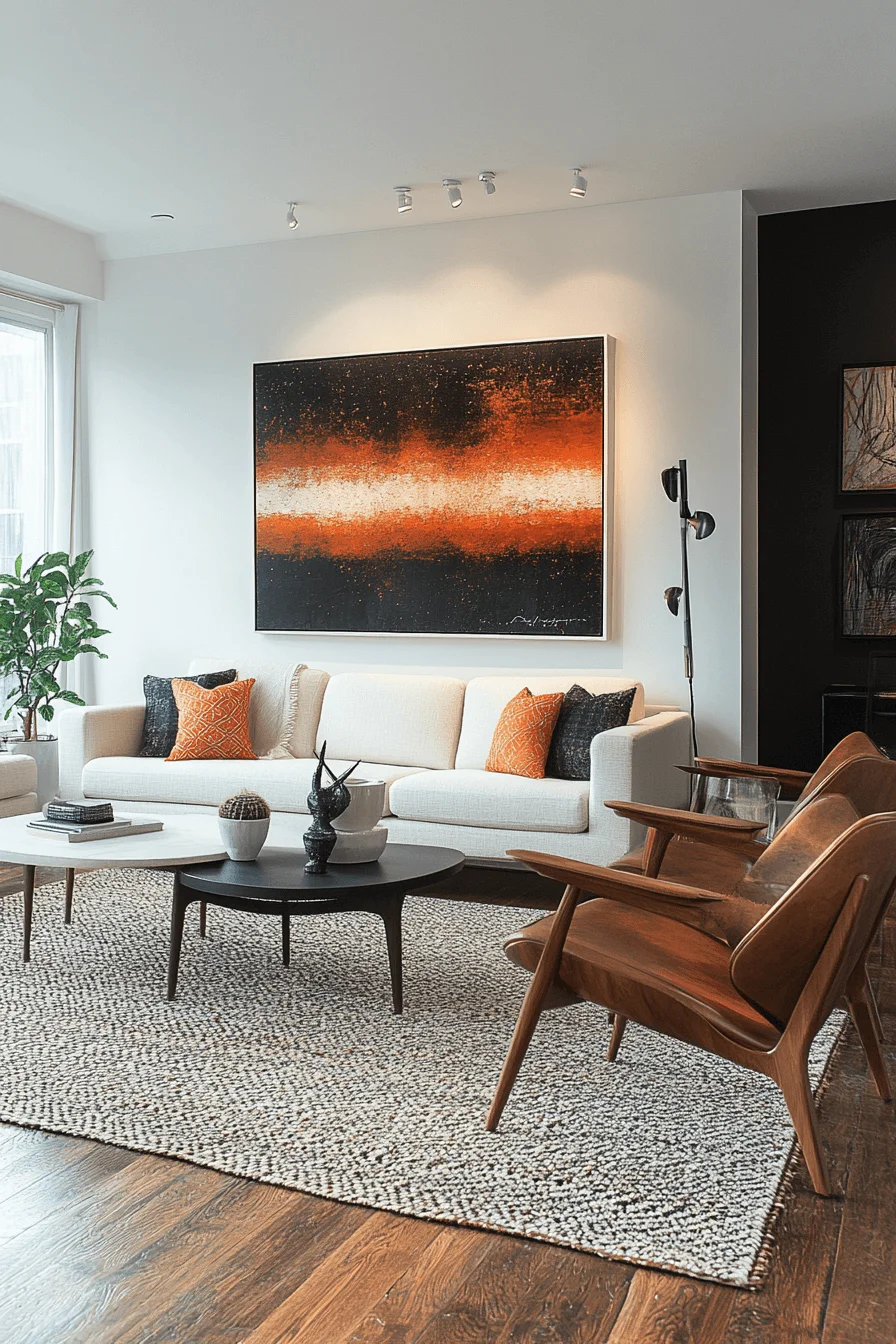
Celebrate creativity in an Artistic Expression Space, where neutral backdrops and simple furniture allow your artwork to take center stage. Inexpensive spotlighting enhances the visual impact, turning your living room into a personal gallery.
10. Bright and Airy Open Plan
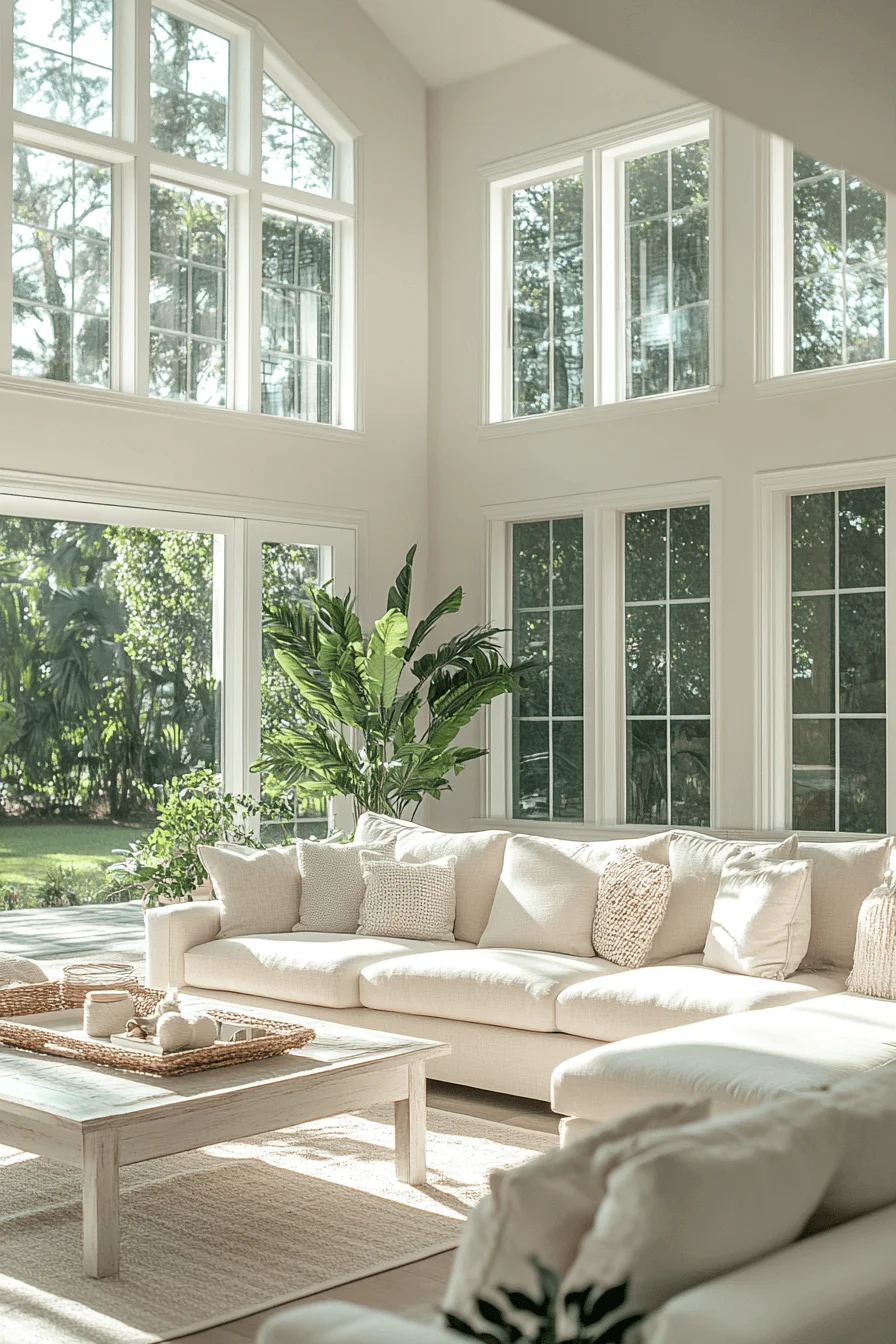
Maximize natural illumination with a Bright and Airy Open Plan design. Large windows combined with light-colored walls and strategically placed mirrors amplify the sense of space and cheerfulness, all achievable on a modest budget.
11. Vintage-Modern Fusion
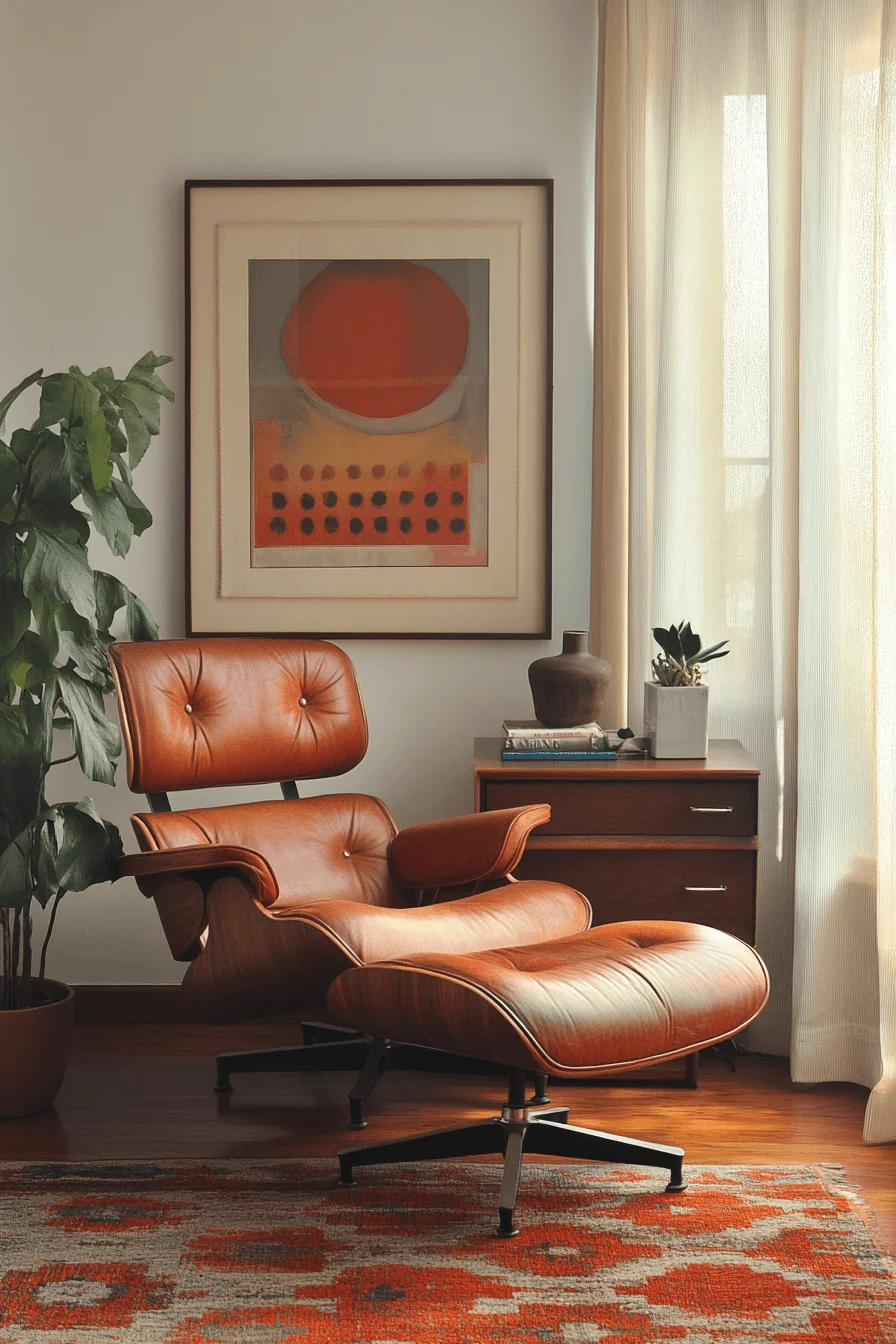
Combine nostalgia and modernity with a Vintage-Modern Fusion, blending mid-century wooden furniture and thrifted retro pieces with contemporary textures. This warm, inviting space balances timeless charm with current trends affordably.
12. Vibrant Color Pop
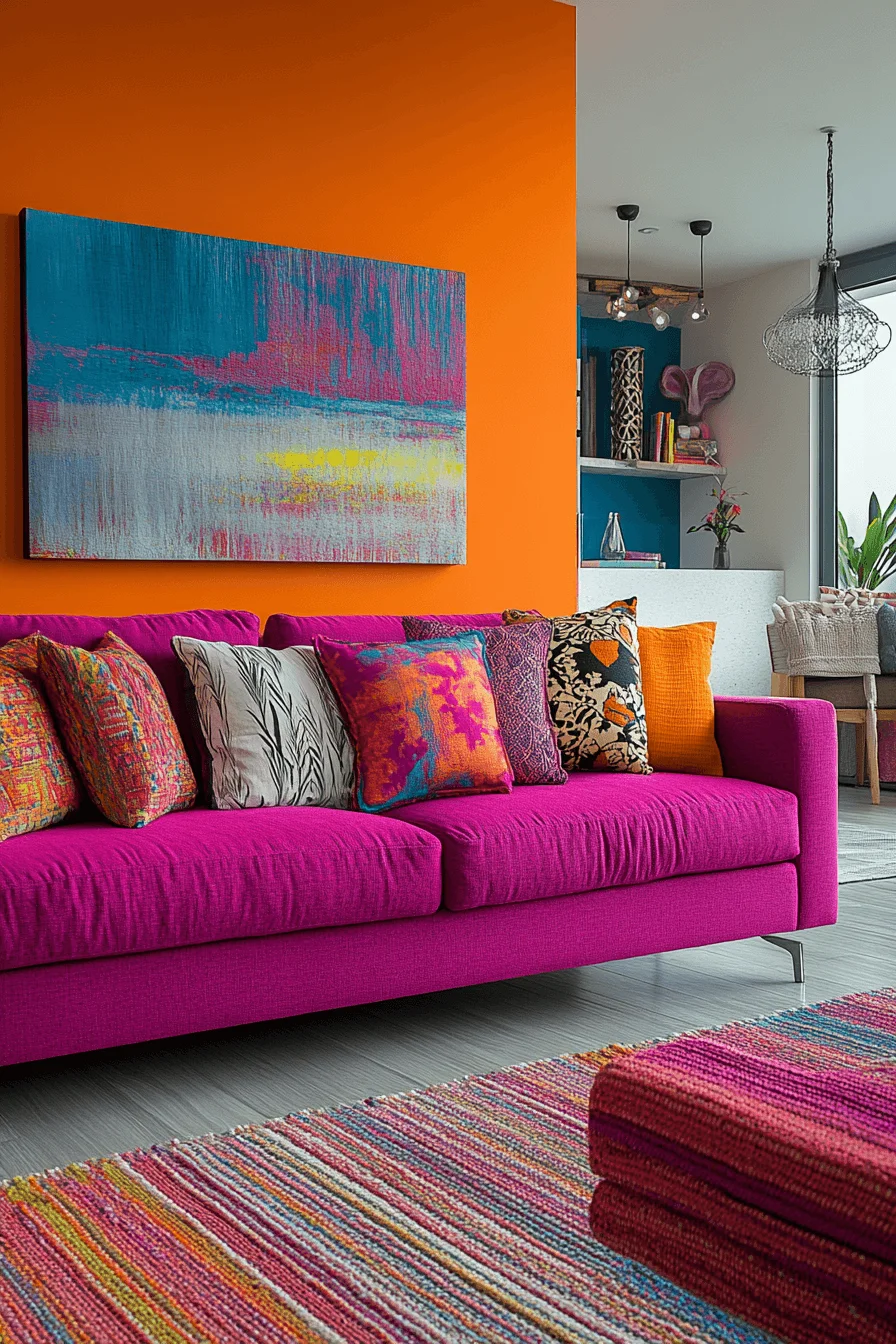
Inject energy with a Vibrant Color Pop, where bold, budget-friendly accents like bright cushions or an accent wall enliven neutral foundations. This lively approach instantly uplifts the mood and adds personality without overspending.
13. Industrial Loft Vibe
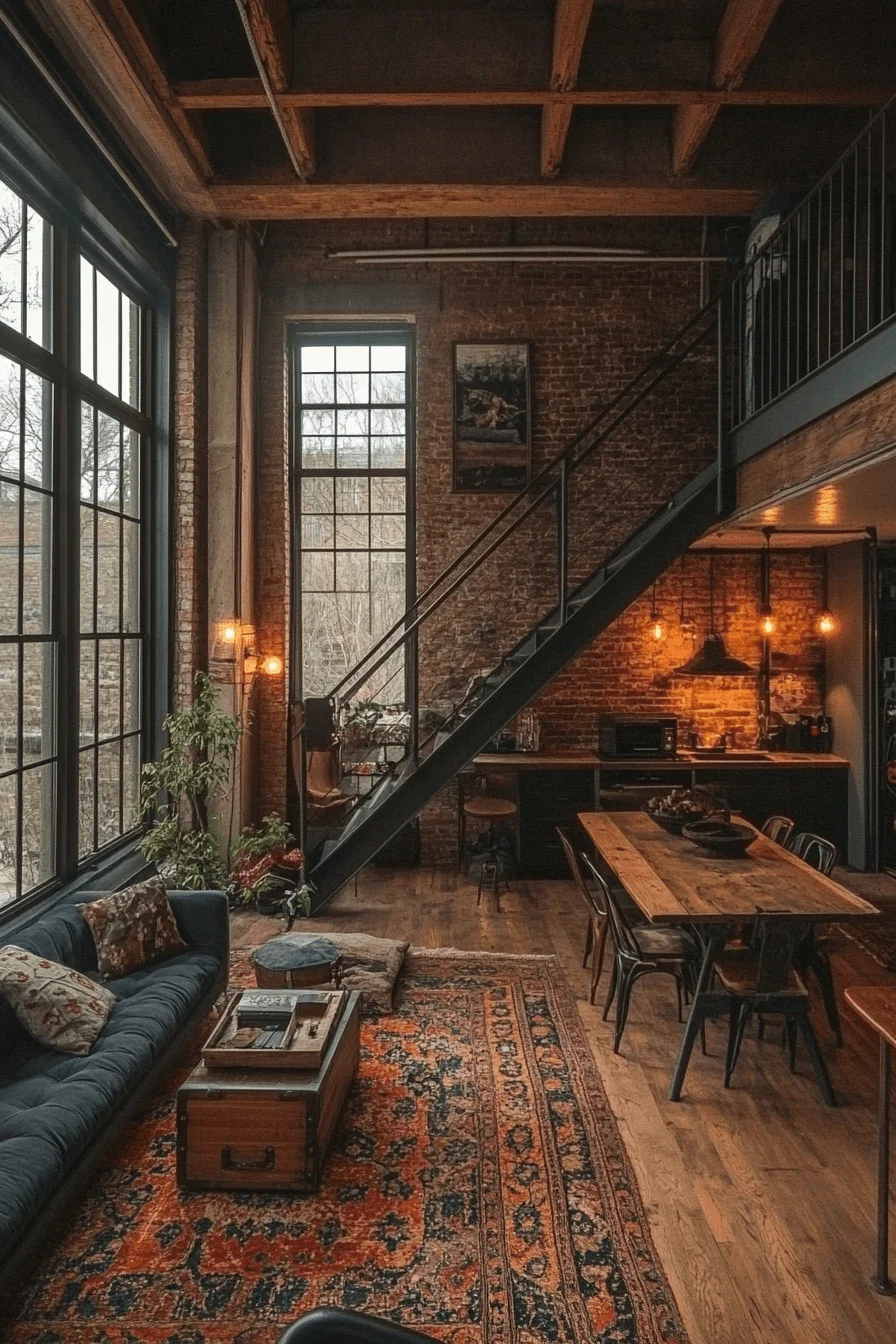
Embrace raw textures with an Industrial Loft Vibe, showcasing exposed brick and concrete paired with minimalistic, affordable furnishings. Large windows enhance the urban feel, creating a modern yet authentic living space.
14. Scandinavian Warmth
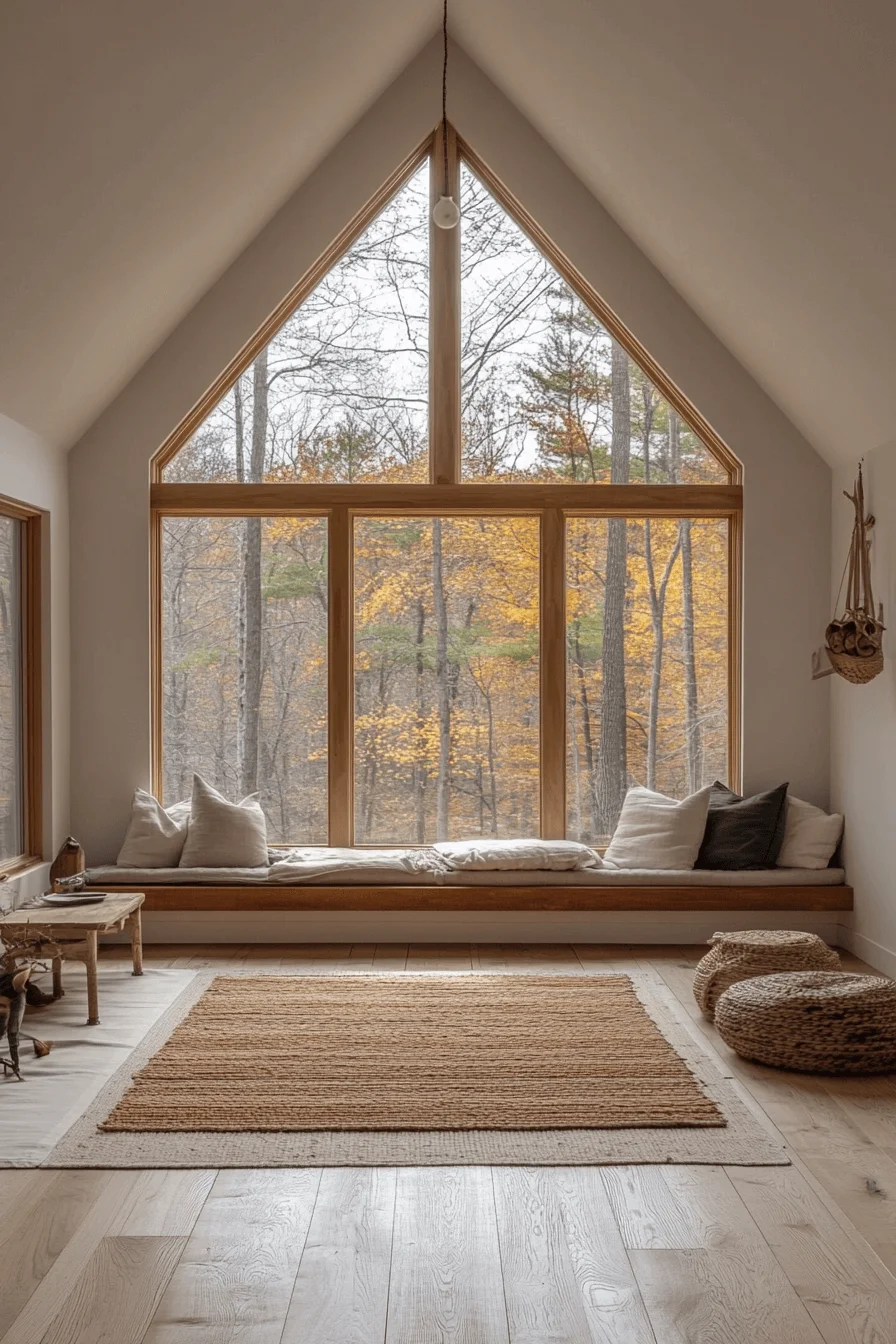
Adopt the cozy simplicity of Scandinavian design with light wood furniture and soft, muted tones. This budget-friendly style fosters a welcoming and practical environment that encourages relaxation and comfort.
15. Bohemian Eclectic Mix
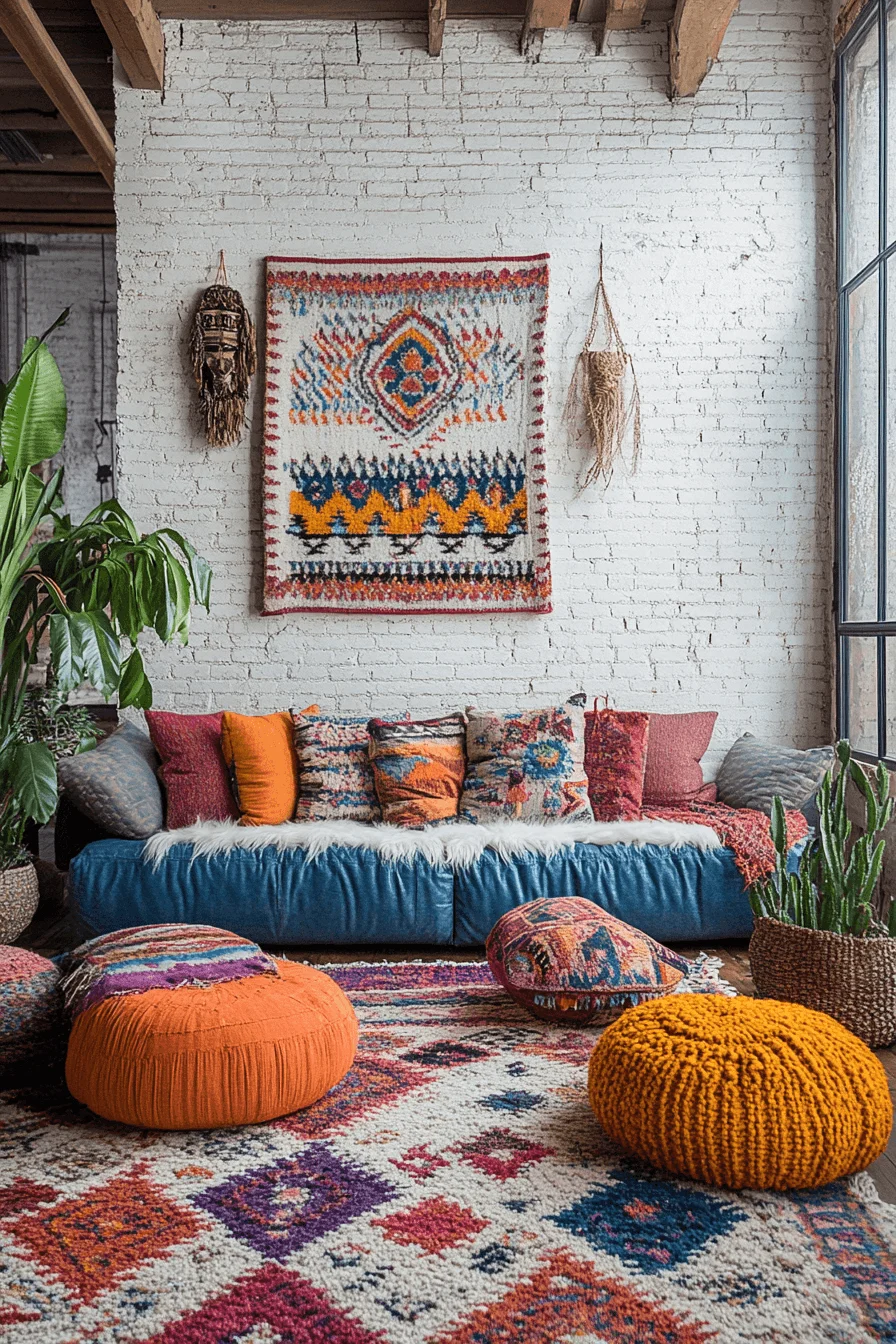
Express individuality with a Bohemian Eclectic Mix, combining vibrant patterns and textures with sleek, affordable furniture. Thrifted textiles and unique decor pieces create a lively, personalized space full of warmth and creativity.
16. Zen-Inspired Calm Corner
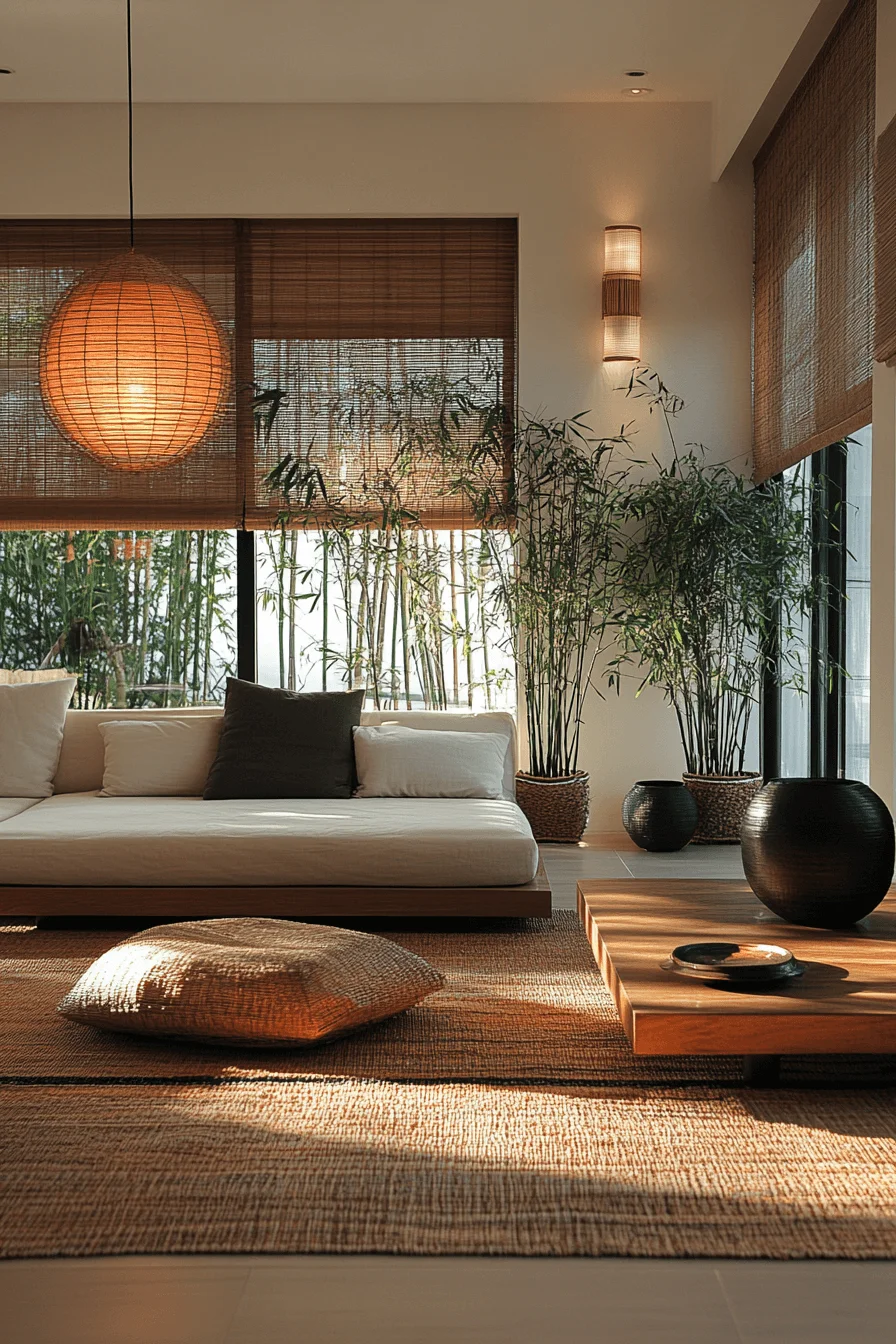
Create a peaceful Zen-Inspired Calm Corner with bamboo elements and minimalist decor in soft, neutral shades. This affordable design fosters tranquility and balance, offering a soothing retreat within your home.
17. Architectural Statement Space
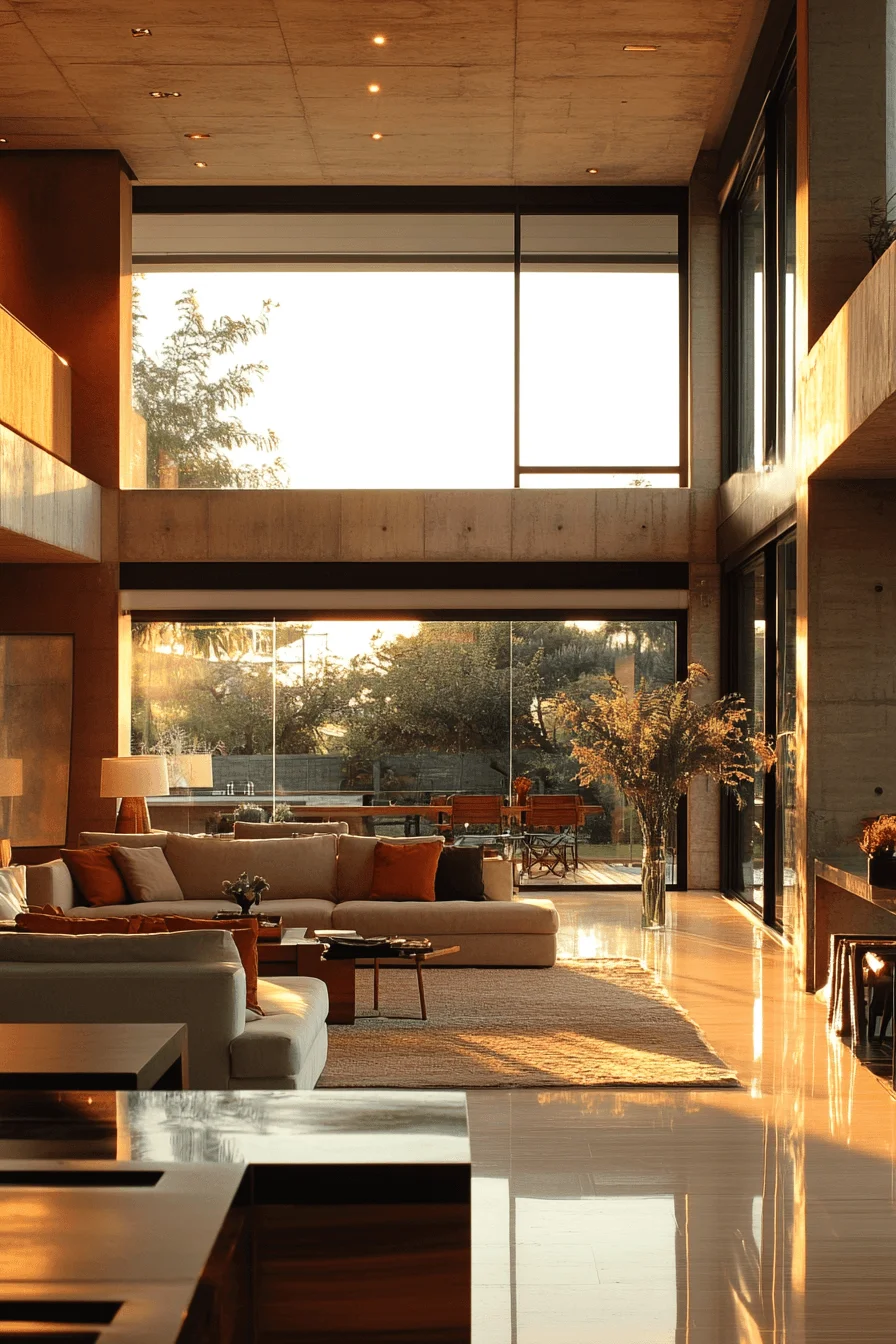
Highlight unique architectural features with an Architectural Statement Space. Incorporate built-in shelving or textured walls alongside affordable, upscale accents to craft a sophisticated and functional living area.
18. Masculine Modern Pad
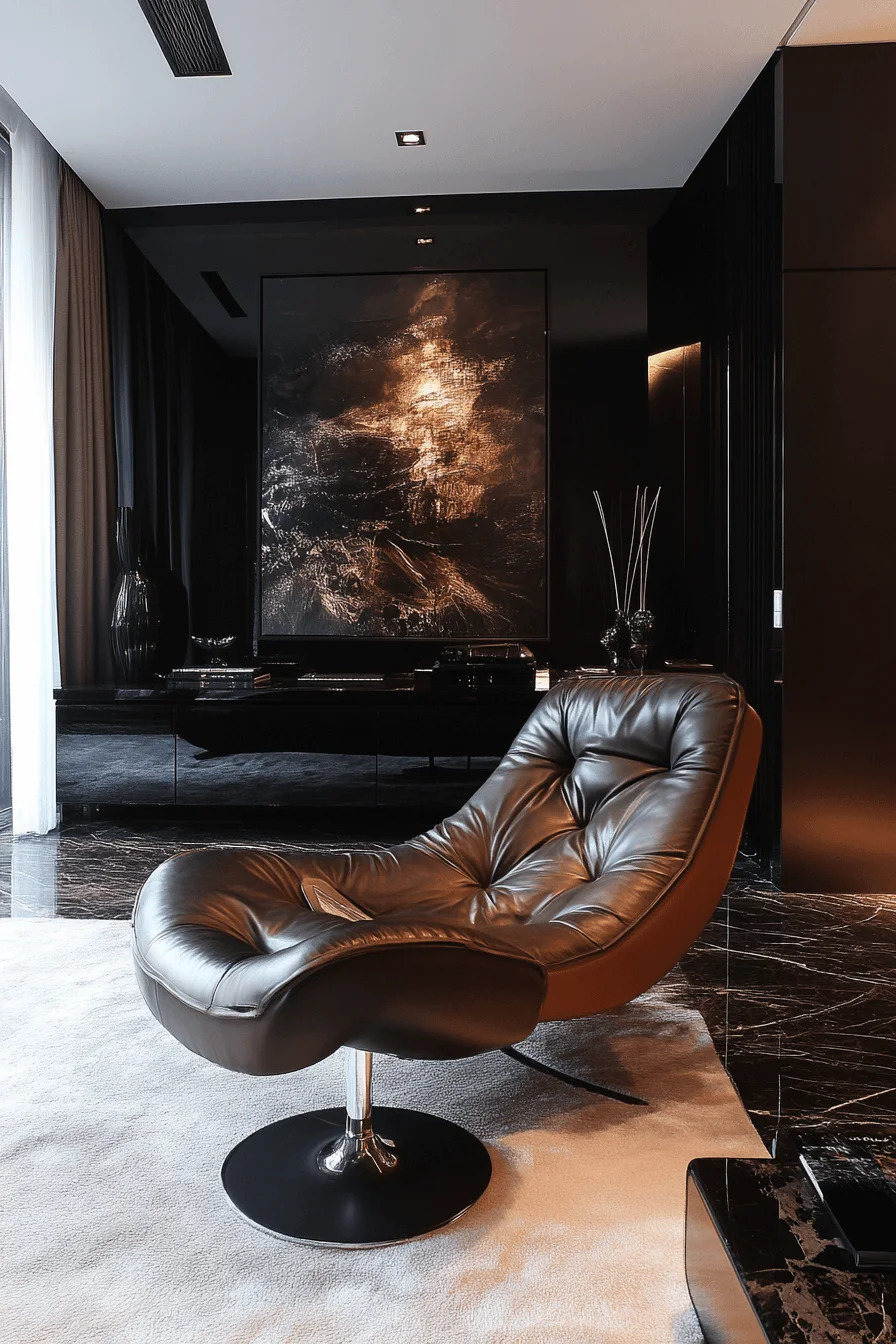
Design a Masculine Modern Pad with dark color schemes and streamlined technology like wall-mounted TVs. This budget-conscious approach creates a sleek, uncluttered environment ideal for relaxation or entertaining guests.
19. Warm Wood Accent Nook
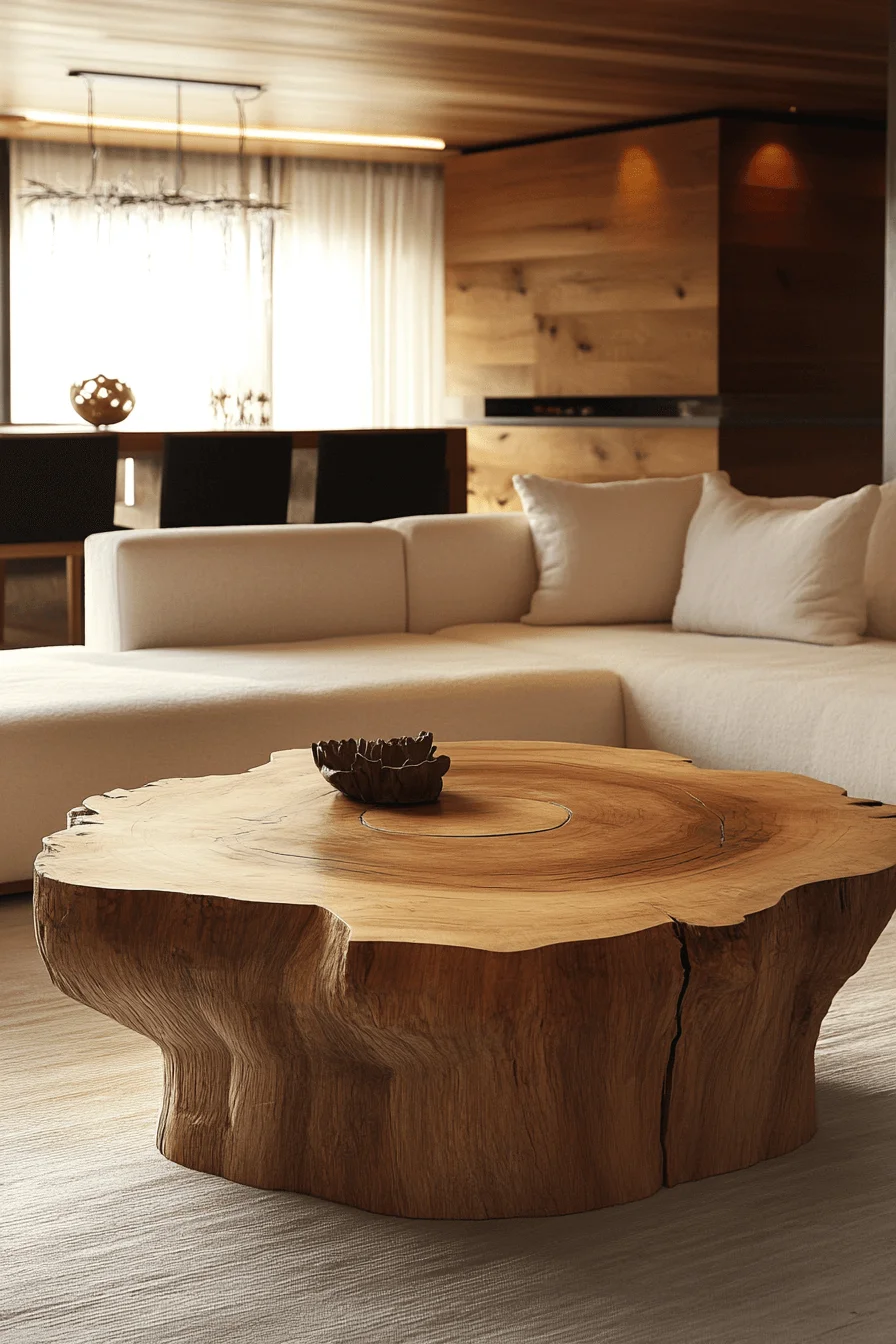
Introduce warmth with a Wood Accent Nook, where affordable wooden flooring or furniture pieces add natural texture and charm. This inviting space blends rustic elements with modern design for a timeless, budget-friendly look.
20. Energetic Urban Living
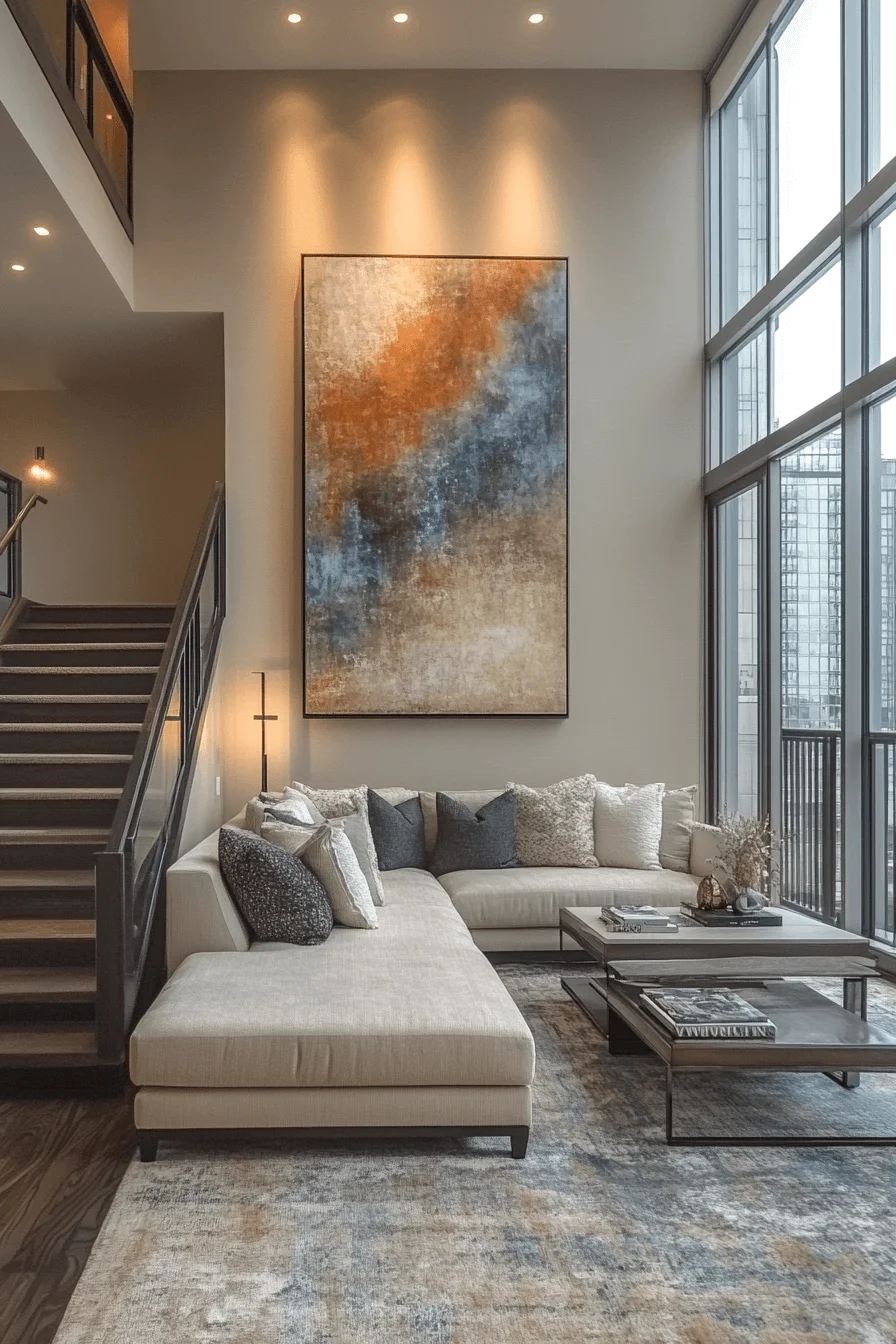
Capture the vibrancy of city life with an Energetic Urban Living space. Bold artwork and reflective surfaces combined with modular, affordable furniture create a dynamic and stylish environment that resonates with metropolitan energy.
21. Coastal Breeze Lounge
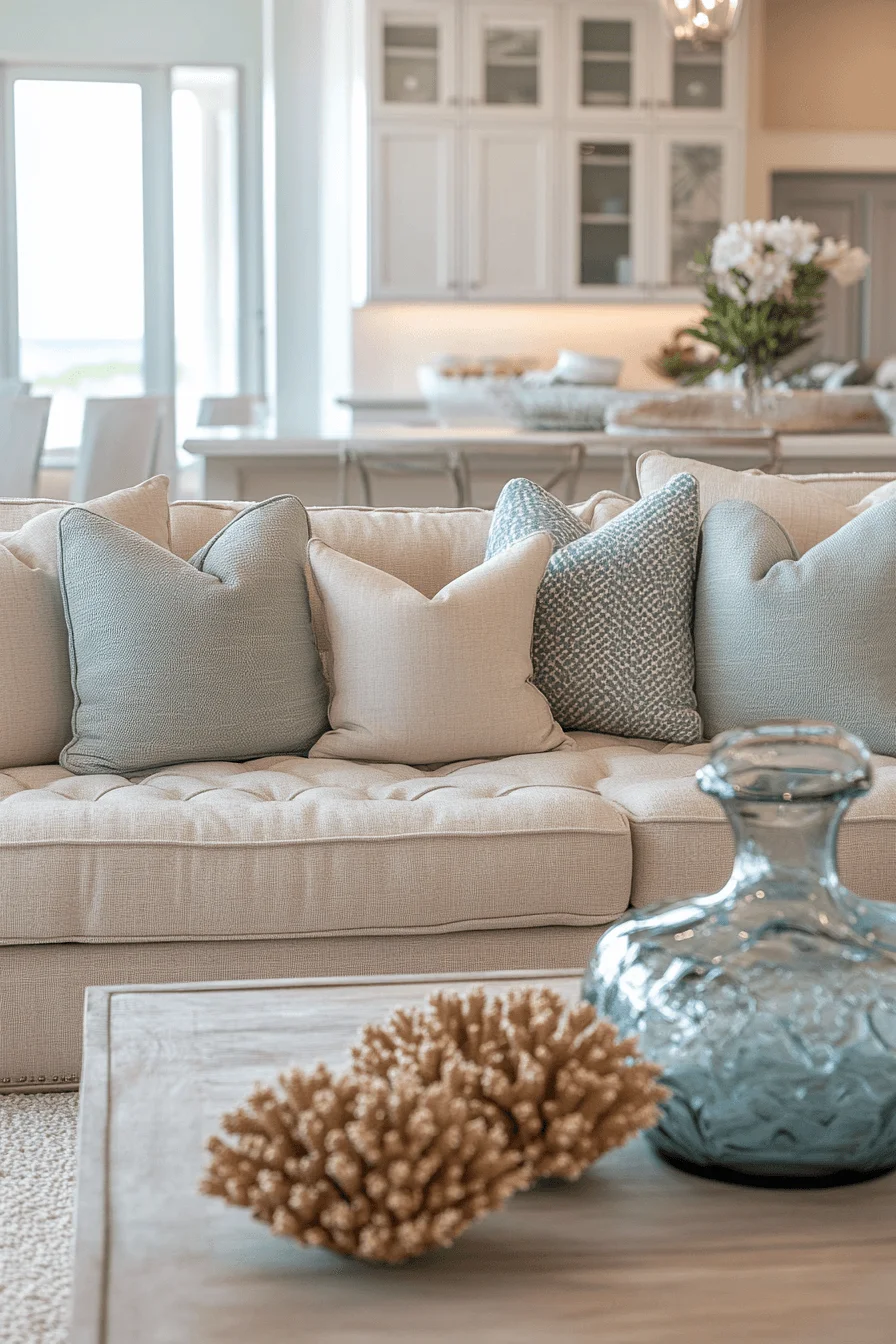
Bring a breath of fresh air with a Coastal Breeze Lounge, featuring soft blues and simple furnishings. Thrifted rattan accents add texture and a laid-back beach vibe, creating a casual and uplifting space on a budget.
22. Bold Artistic Haven
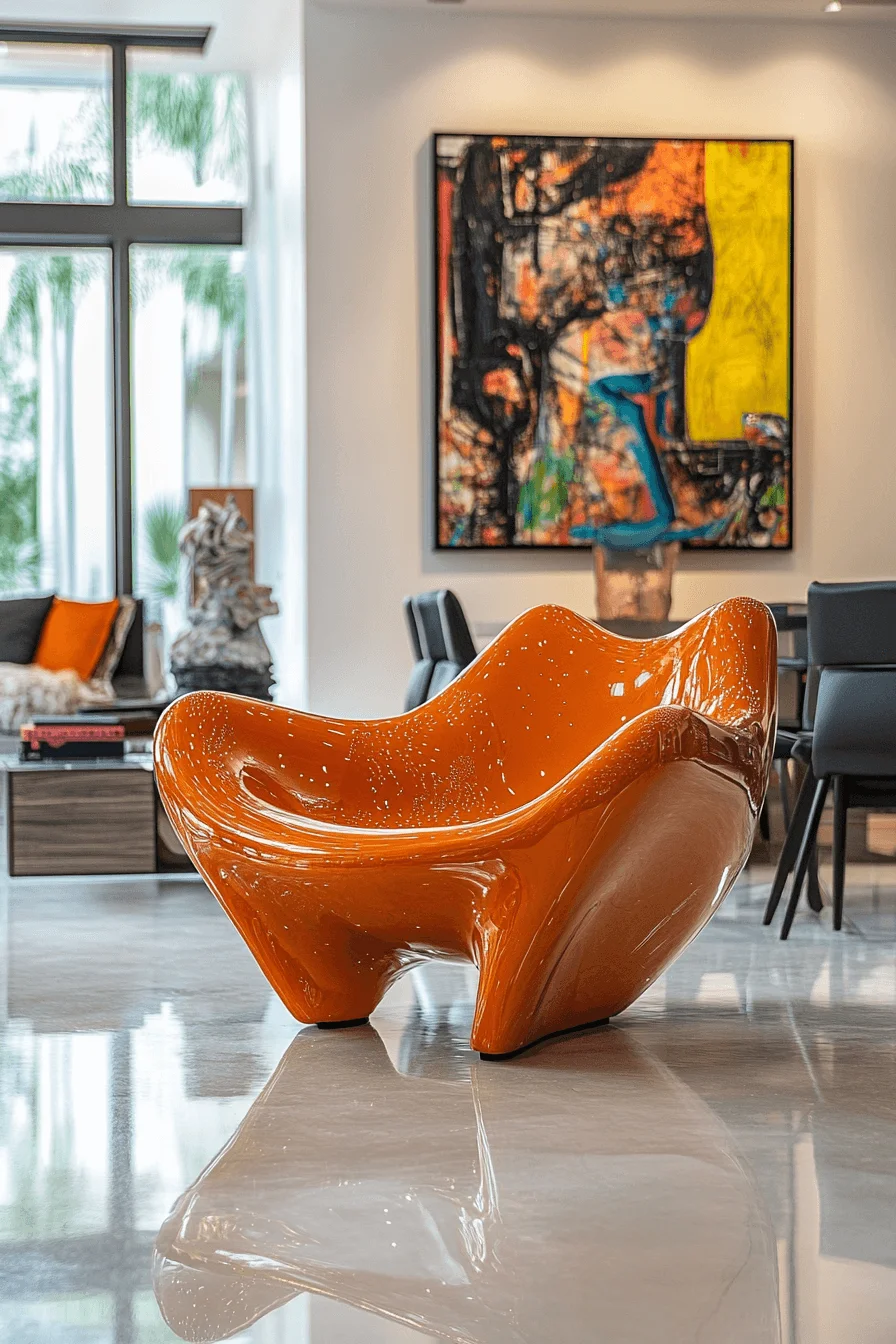
Make a statement with a Bold Artistic Haven, where quirky furniture and striking local artwork create an inspiring and affordable creative space. This design encourages daily bursts of imagination and individuality.
23. Compact Urban Living
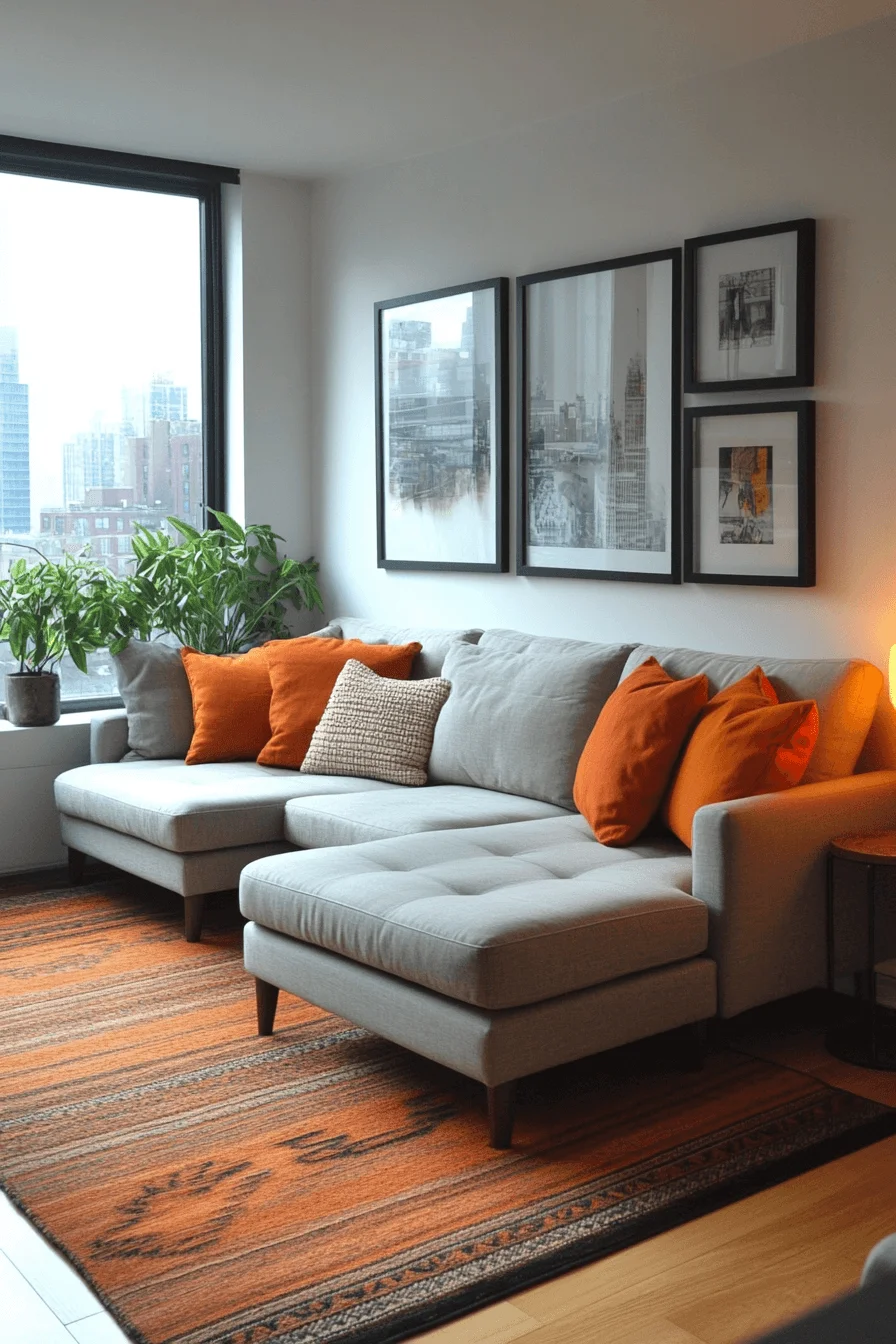
Optimize small spaces with a Compact Urban Living design, utilizing multifunctional furniture and wall-mounted technology to maintain a sleek, clutter-free environment. This smart layout maximizes functionality without sacrificing style.
24. Adaptable Modular Space
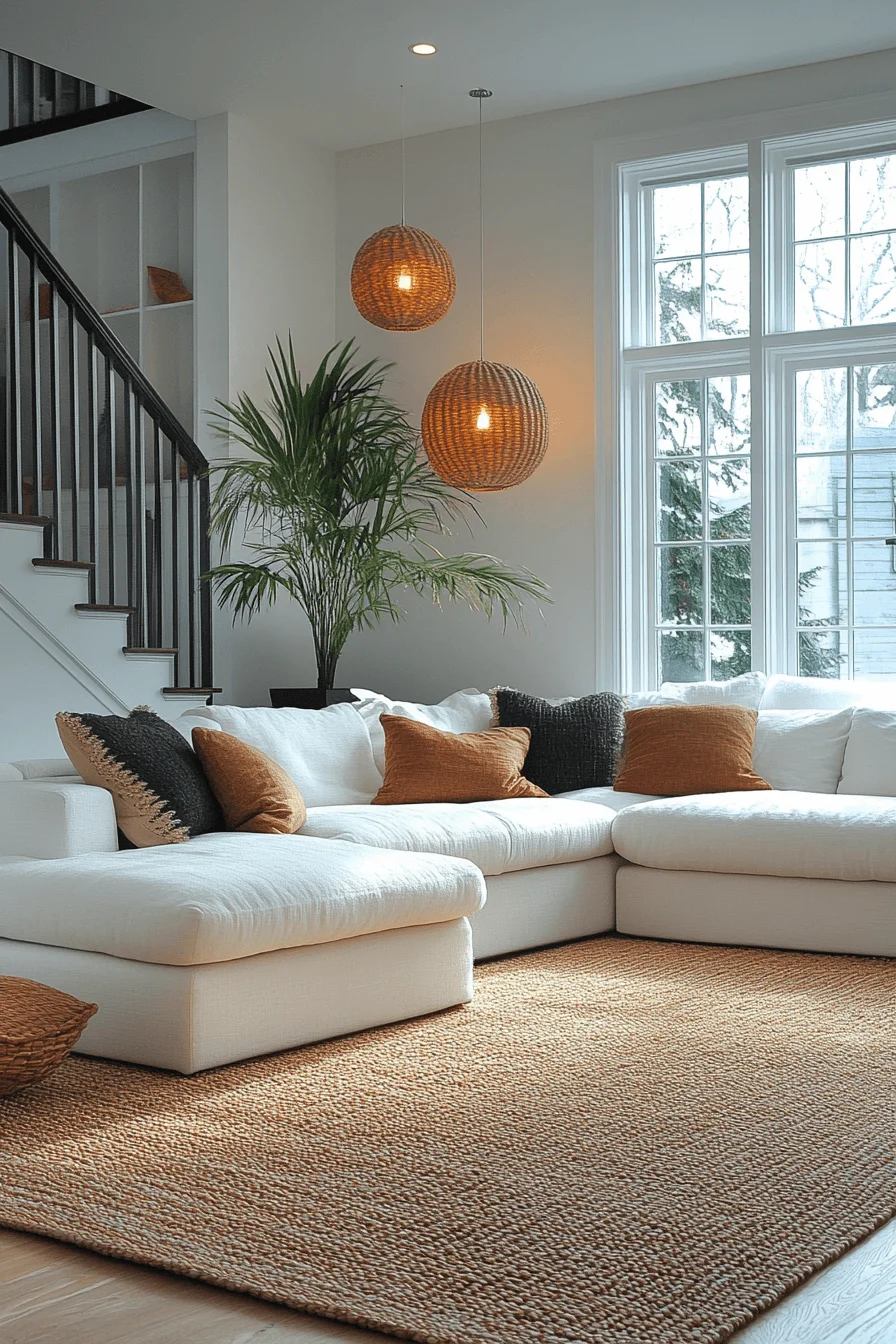
Enjoy versatility with an Adaptable Modular Space, featuring movable sofas and budget-friendly lighting that allow you to effortlessly change the room’s layout to suit any occasion. This flexible design keeps your living area fresh and engaging.
25. Nature-Infused Sanctuary
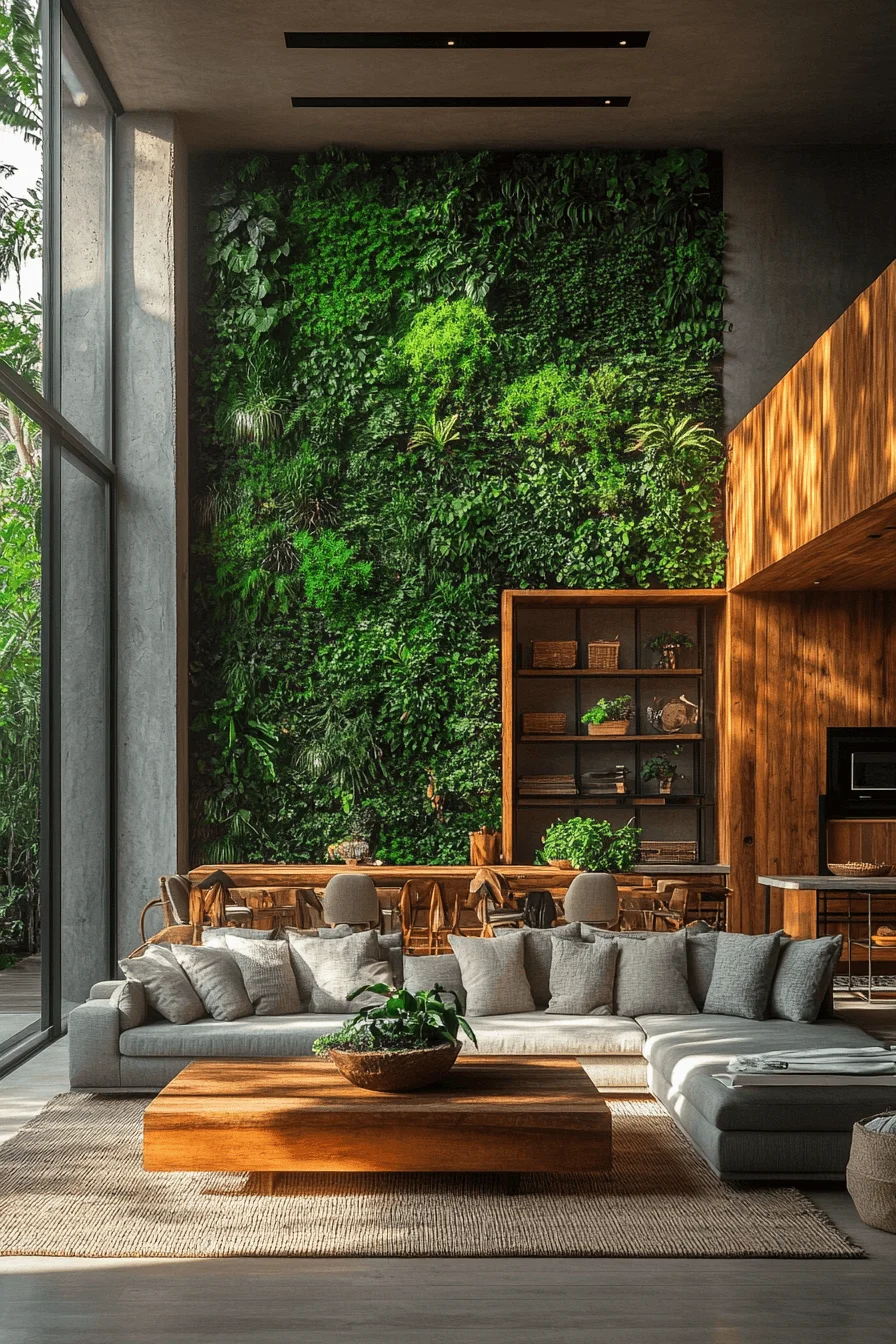
Reconnect with nature in a Nature-Infused Sanctuary, where abundant plants and large windows combine with simple, organic decor to create a calming, budget-conscious environment that brings the outdoors inside.
26. Geometric Flair Lounge
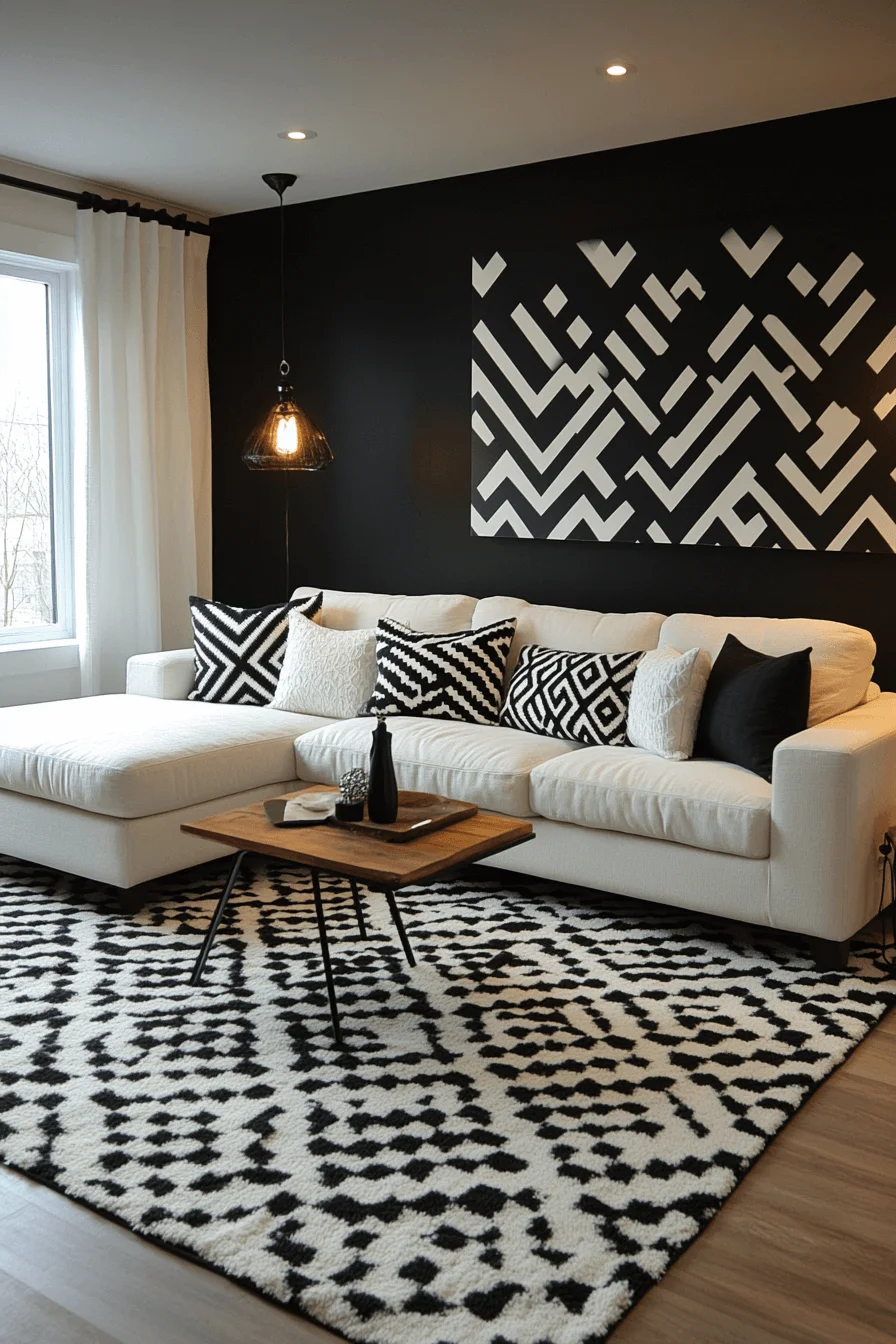
Introduce dynamic energy with a Geometric Flair Lounge, where bold patterns on affordable rugs and cushions add visual interest without overwhelming the space. This approach effortlessly injects modern vibrancy into your living room.
27. Plush Velvet Comfort
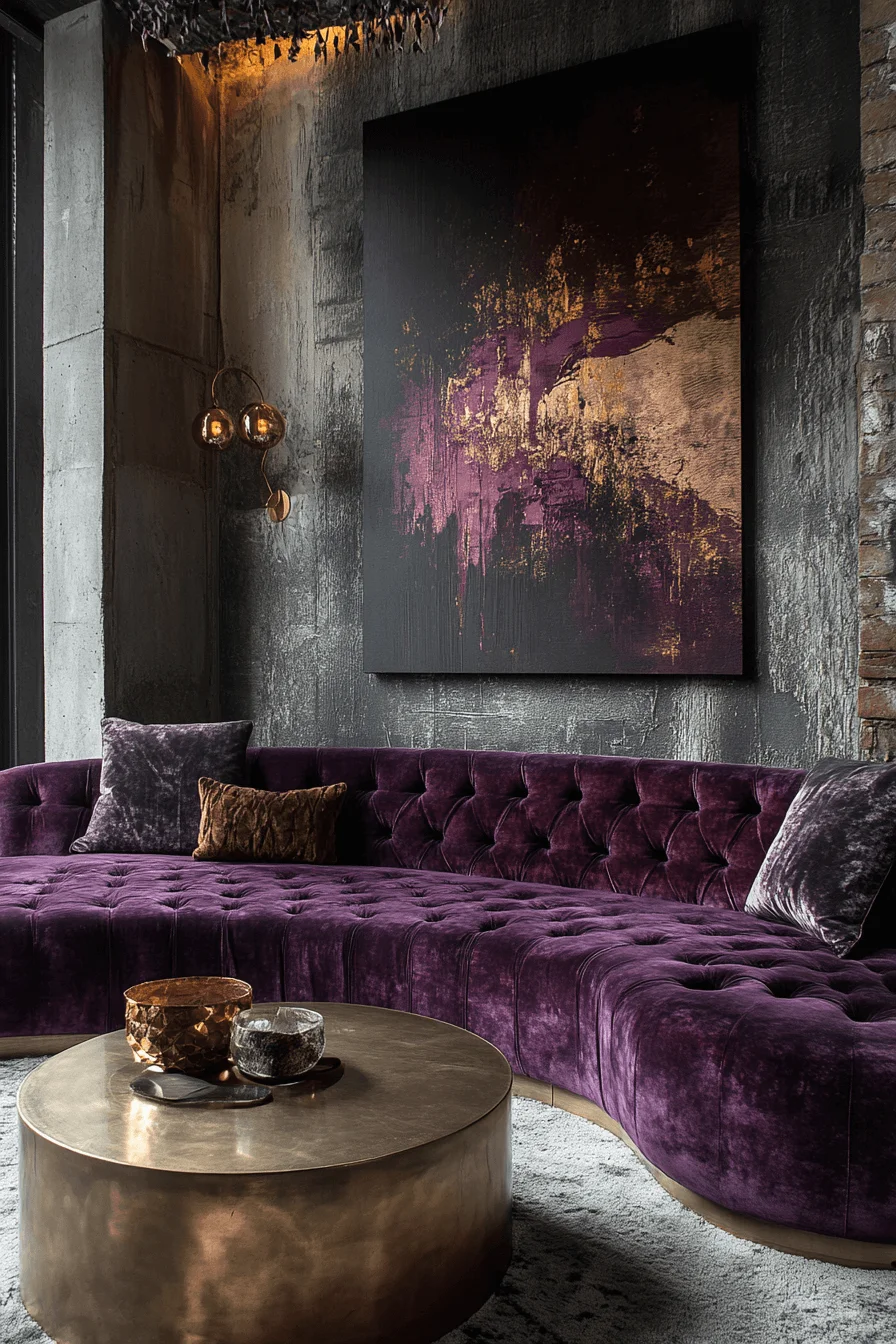
Indulge in Plush Velvet Comfort with deep-hued velvet cushions and thrifted fabrics that add a touch of luxury to a sleek, affordable setup. This cozy space invites relaxation and style every day.
28. Smart Connected Living
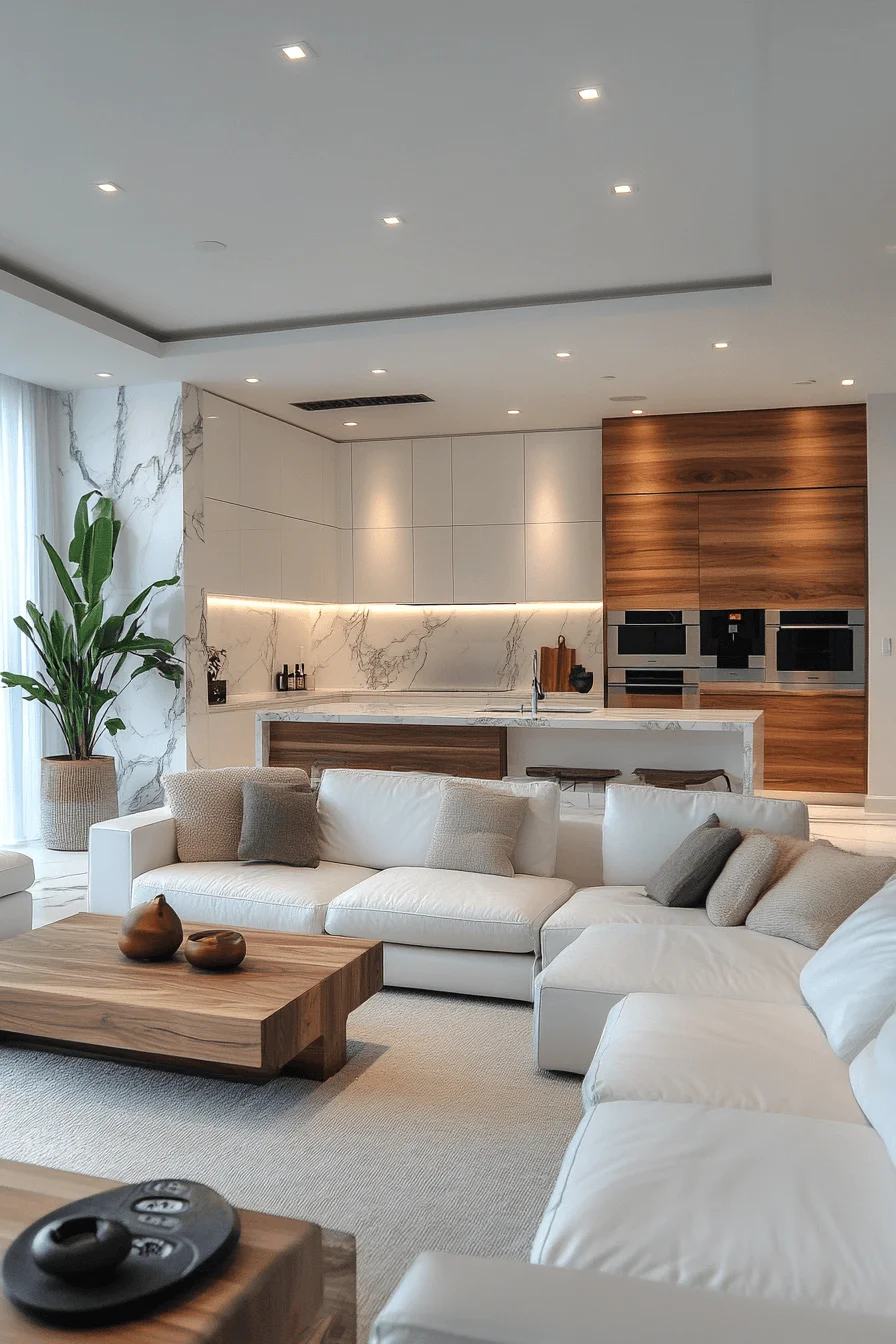
Enhance convenience with a Smart Connected Living space, integrating affordable automated lighting and a streamlined furniture arrangement. This modern haven simplifies daily life while maintaining a stylish edge.
29. Timeless Contemporary Blend
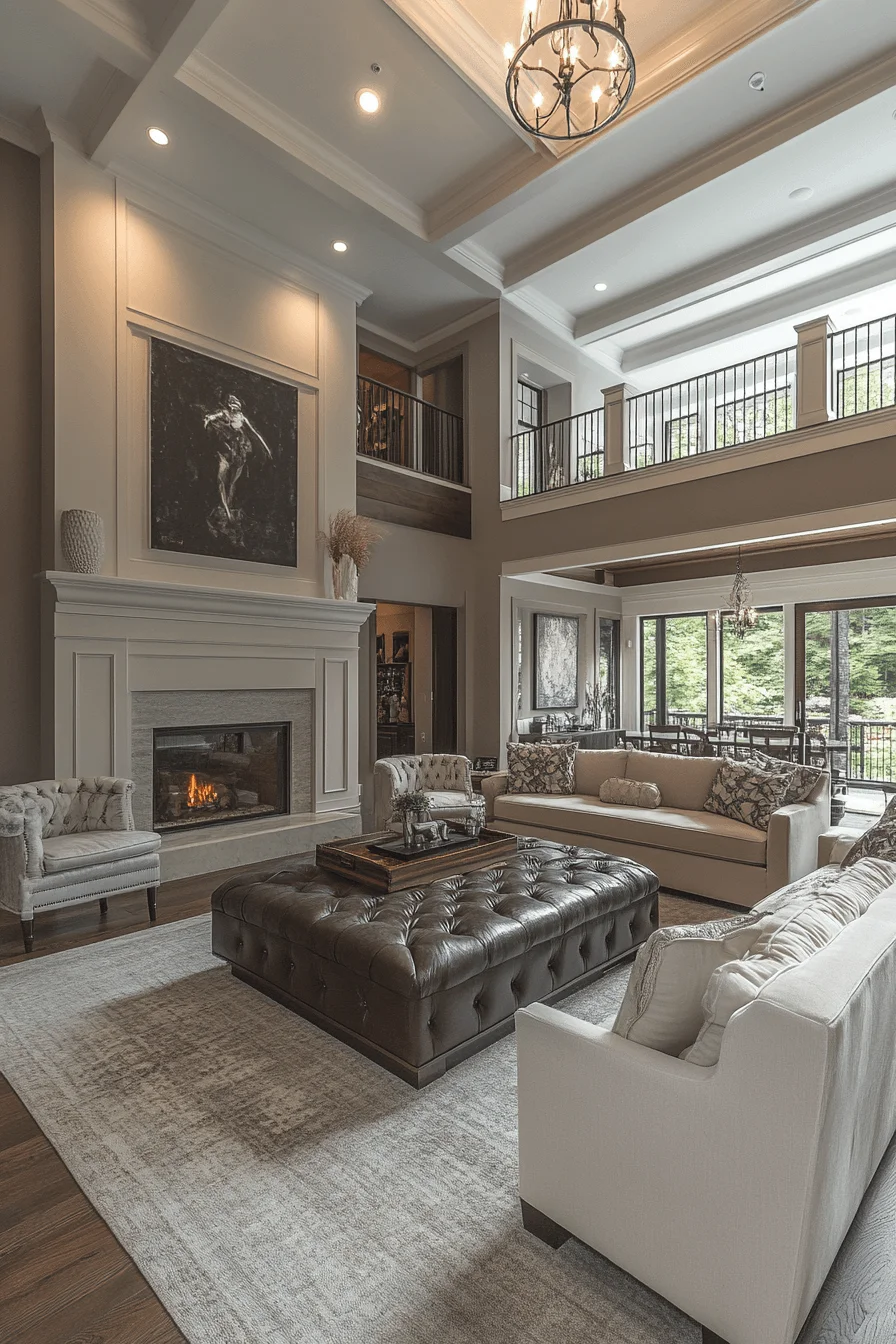
Merge classic and modern elements in a Timeless Contemporary Blend, where traditional forms updated with fresh colors meet affordable modern furnishings. This harmonious design exudes charm and comfort without stretching your budget.
In summary, these contemporary modern living room inspirations offer a versatile framework to craft a stylish, enduring space. By combining sleek design, thoughtful furniture choices, and purposeful decor, you can create a living room that balances modernity with timeless appeal. Whether your style leans toward minimalism or eclectic layering, these ideas empower you to design a living area that reflects your personality and enhances your comfort for years ahead.