
Transforming an underused attic into a cozy and practical bedroom can be a rewarding project, but it requires thoughtful planning to overcome the unique architectural hurdles these spaces present. Sloping ceilings, exposed beams, and limited headroom often restrict traditional design approaches, demanding innovative strategies to optimize every inch. Understanding the specific layout and structural nuances of your attic is essential to avoid wasted space and create a comfortable, inviting retreat.
Understanding Your Attic’s Structural Layout and Challenges
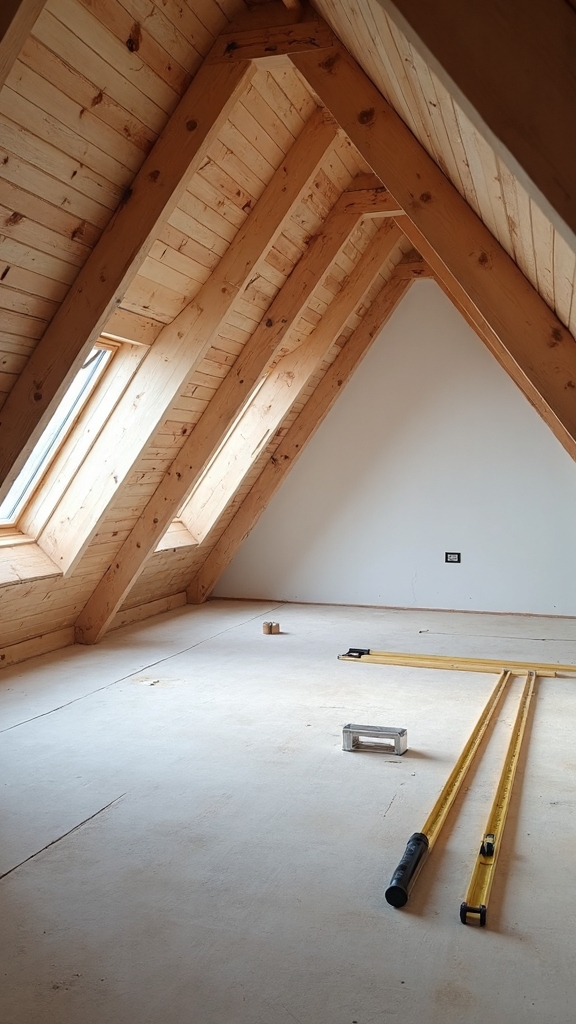
Begin by thoroughly evaluating your attic’s dimensions and architectural features. Take precise measurements of ceiling heights at various points, paying close attention to where the roof’s slope reduces usable vertical space. Note the presence of structural elements such as beams, ductwork, or wiring that could limit furniture placement or storage options.
Distinguish between areas with sufficient headroom for standing and those better suited for sitting or sleeping arrangements. For example, a loft bed might be an excellent fit under a steeply pitched roof, freeing up floor space below. Custom-built shelving or cabinetry designed to fit around support posts and angled walls can help you capitalize on every nook and cranny.
Choosing Furniture That Complements Sloped Ceilings and Compact Spaces
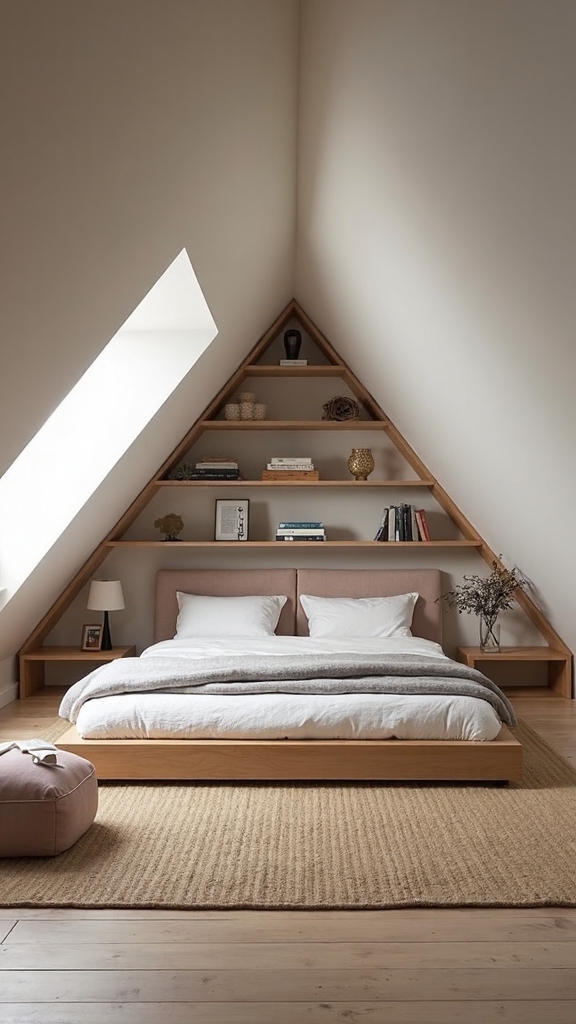
Selecting the right furnishings is crucial when working with angled ceilings and limited room. Opt for low-profile beds, dressers, and seating that fit comfortably beneath slanted walls without overwhelming the space.
Incorporate multifunctional pieces such as storage ottomans or bed frames with integrated drawers to enhance utility without sacrificing floor area. Reserve taller furniture for sections of the attic with full ceiling height, typically near the center, to maintain an open feel.
Keep window placement in mind to ensure natural light isn’t obstructed and that furniture doesn’t hinder window operation or access to storage.
Innovative Storage Ideas Tailored for Angled Roof Spaces
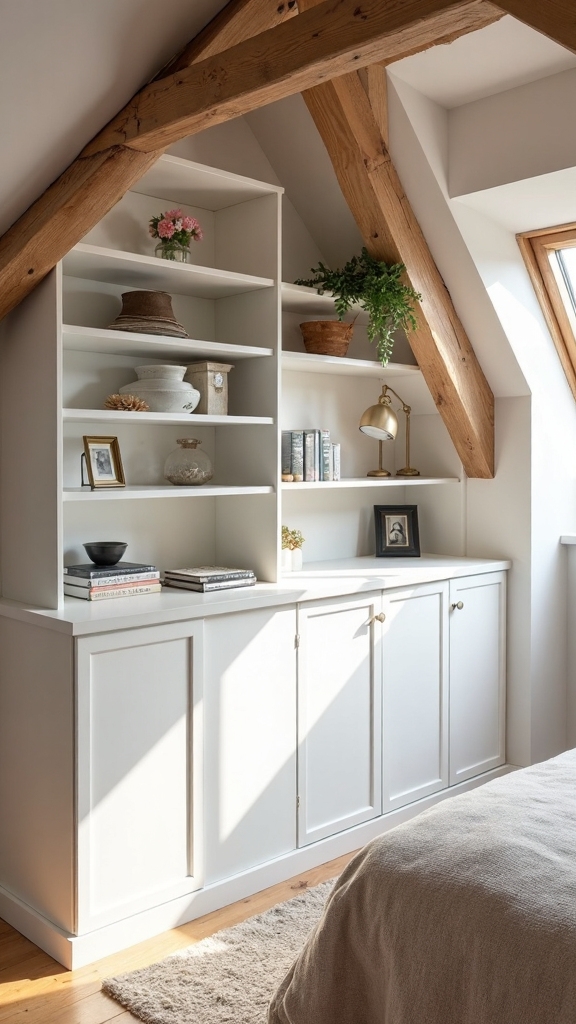
Attic bedrooms often feature unconventional angles that call for creative storage solutions. Utilize tiered shelving units in corners where walls meet the roofline to create layered storage that follows the room’s natural shape.
Built-in cubbies embedded into sloped walls can make the most of otherwise wasted space. Low-profile drawers that slide under the lowest ceiling points are perfect for storing seasonal items, while wall-mounted hooks and hanging organizers transform awkward angles into practical storage zones without encroaching on floor space.
Enhancing Lighting to Visually Expand Attic Bedrooms
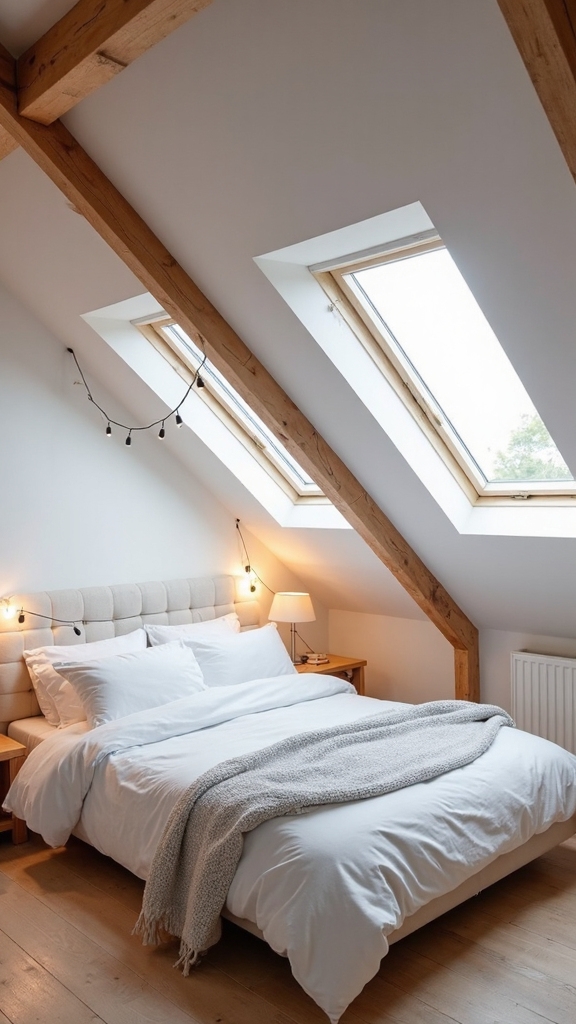
Effective lighting can dramatically transform a cramped attic into a bright, airy sanctuary. Prioritize natural light by installing larger skylights or dormer windows where feasible, flooding the room with daylight.
Recessed lighting along sloped ceilings offers ambient illumination without reducing headspace. Consider versatile fixtures like wall sconces with built-in shelves or pendant lamps that double as reading lights to maximize functionality.
Layer your lighting scheme with table lamps, LED strip lights under eaves, and string lights to eliminate shadows and add depth, making the room feel more spacious and welcoming.
Flooring and Wall Finishes to Optimize Space and Light
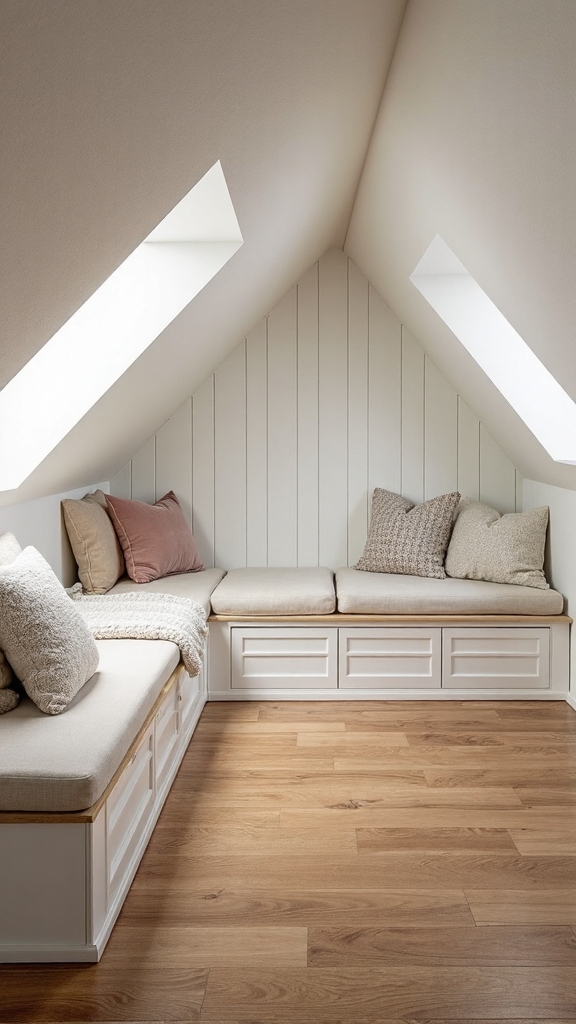
Complement your lighting choices with flooring and wall treatments that visually enlarge the attic. Light-toned hardwood or laminate flooring not only reflects natural light but also creates a seamless flow throughout the room.
Install space-efficient shelving along angled walls to boost vertical storage without crowding the space. Custom cabinetry that follows the roof’s slope can convert awkward corners into highly functional storage areas.
Use soft, neutral paint colors to make walls recede visually, and consider horizontal paneling or strategically placed mirrors to counteract any sense of confinement by creating the illusion of greater width.
Maintaining Comfort with Ventilation and Temperature Control
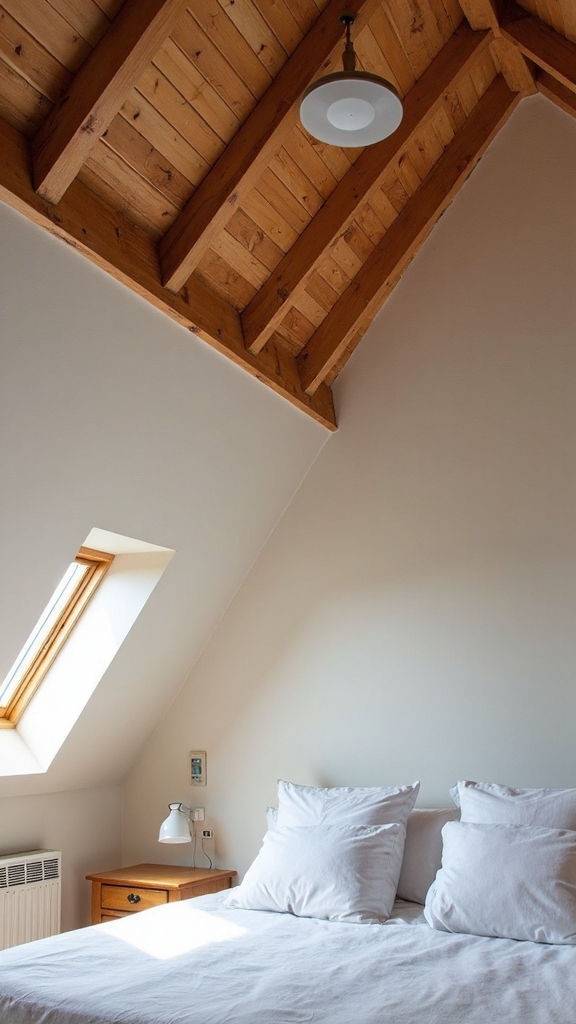
Even the most beautifully designed attic bedroom can feel uncomfortable without proper airflow and temperature regulation. Attics tend to trap heat and moisture, so ensuring adequate ventilation is critical for year-round comfort.
Incorporate ridge and soffit vents to promote continuous air circulation. Installing exhaust fans near windows helps expel stale air during warmer periods. For efficient heating and cooling, mini-split systems offer a ductless solution that’s ideal for tight spaces.
Proper insulation is equally important; materials rated between R-38 and R-60 in ceilings and walls help maintain consistent indoor temperatures by preventing heat loss in colder months and keeping interiors cool during warmer times.
Final Thoughts on Creating Your Attic Bedroom Retreat
With careful planning and thoughtful design, your attic can be transformed from an overlooked storage area into a stylish, functional bedroom. By addressing the unique structural challenges, selecting furniture that fits the space, and incorporating clever storage and lighting solutions, you’ll maximize every inch of your attic’s potential. Don’t forget to prioritize ventilation and insulation to ensure your new retreat remains comfortable throughout the seasons. Tackle the project step-by-step, and you’ll soon enjoy a charming attic bedroom that perfectly balances practicality and aesthetic appeal.
For furniture that fits perfectly in sloped spaces, explore options like low profile beds and storage ottomans to maximize your attic’s functionality. Additionally, LED strip lights are excellent for adding ambient lighting in tight corners without taking up space.