My adventure into the dynamic realm of maximalism started as a quest to showcase my individuality through interior design. This daring style embraces a rich fusion of vibrant colors, striking patterns, and a variety of textures-creating a visual tapestry that reflects personal stories and cultural roots. I soon realized that maximalism transcends merely filling a room with objects; it’s about thoughtfully assembling collections that echo one’s life journey while maintaining a cohesive and balanced atmosphere amid the abundance.
Maximalist interiors boldly celebrate diversity through fearless color combinations and pattern mixing, crafting spaces that are both curated and lively. Diving deeper, I found that this design philosophy transforms any environment into a vivid expression of inner passions and experiences, standing in contrast to the restraint often associated with minimalism. Maximalism is for those who embrace boldness, vibrancy, and eclecticism, turning their homes into authentic extensions of their character.
Essential Insights Into Maximalism
- Maximalism empowers self-expression through an eclectic mix of decorative elements.
- Utilizing bold patterns and vibrant colors, it turns interiors into personal stories.
- Achieving harmony is crucial to balancing richness with order.
- Textures and patterns diversity distinguish maximalist spaces from minimalist ones.
- Embracing maximalist decor means crafting a home that fully embodies your personality.
Decoding Maximalism in Contemporary Design
Exploring maximalist design reveals a philosophy that challenges the minimalist creed of ‘less is more.’ To understand what maximalism entails, picture a space where a medley of patterns, a spectrum of vibrant colors, and diverse design elements converge to form a rich, personality-infused environment. As an advocate of maximalist interiors, I embrace not just the idea of ‘more is more’ but the deeper notion of ‘more of you is more.’
At its core, maximalism tells a story-one that reflects the inhabitant’s travels, passions, and tastes. It’s about curating a space that feels intimate and exuberantly full. This style blends textures, eras, and hues into a vibrant canvas that mirrors the complexity of life itself.
However, maximalism’s layered look is far from chaotic. Beneath its colorful surface lies a disciplined method of arrangement. Each item is deliberately placed so that the room feels full yet never cluttered. Every piece contributes to a harmonious, functional, and visually captivating space.
- Highlighting rooms with statement furnishings
- Using bold artwork as focal points
- Balancing contrasting patterns and textures
- Employing a vivid color scheme that narrates a personal story
- Collecting meaningful objects that reflect life experiences
Whether browsing vintage shops or modern design boutiques, my passion for maximalist elements remains undeterred by space limitations or budget constraints. Maximalist design is more than a style-it’s a vibrant rebellion against sterile, impersonal interiors, fostering spaces brimming with warmth and character.
Ultimately, this maximalist design philosophy invites creativity and personalization. It celebrates breaking free from conventional norms, offering a refuge where individuality reigns. In a world saturated with mass-produced goods, maximalism stands as a bold declaration that your home is a canvas for your unique story.
Transitioning From Minimalism to Maximalism
Having spent years immersed in minimalist aesthetics, shifting to a maximalist home design felt like a liberating embrace of self-expression. The maximalism style rejects empty spaces and muted tones, instead offering a vibrant palette and bold patterns that vividly narrate our personal stories.
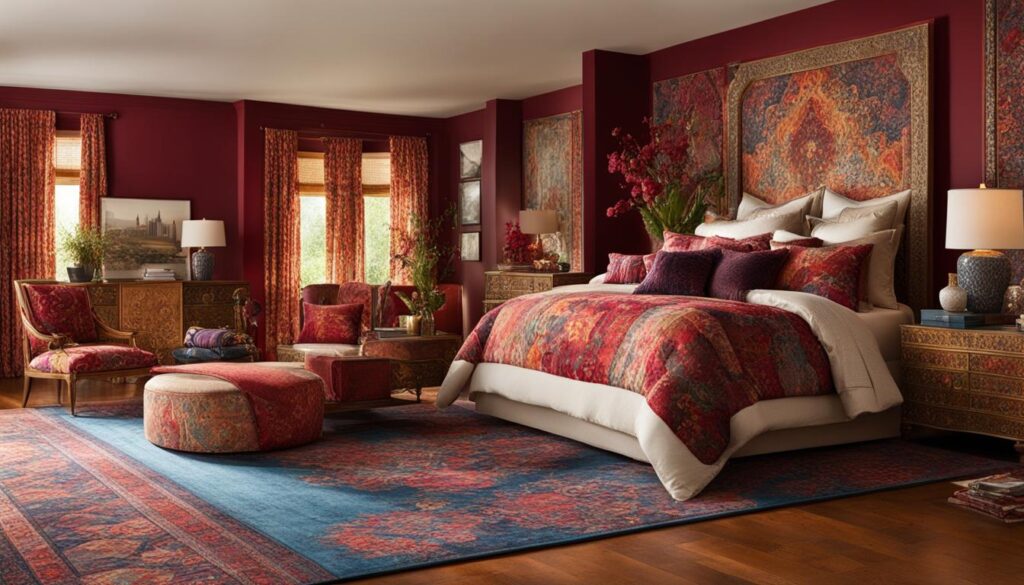
Fundamental Elements of Maximalist Design
Embarking on a maximalist decor journey reveals its eclectic essence. Here are the foundational components I weave into my maximalist spaces:
- Layering diverse patterns and textures to add dimension and intrigue
- Fearlessly combining colors, favoring boldness over subtlety
- Incorporating cherished artifacts that narrate personal tales
- Injecting whimsy and surprise through varied art and decor
Benefits of Adopting Maximalism
The richness of maximalist decorating offers numerous advantages for both living spaces and mental wellness. For me, the rewards include:
- The freedom to experiment with diverse decor without fearing clutter
- The ability to express my story through meaningful possessions
- Creating a lively environment that uplifts mood and nurtures mental health
Adding plant life further enlivens the space, introducing organic shapes and textures that complement the maximalist aesthetic.
Mastering Pattern and Texture Mixing in Maximalism
My exploration of pattern mixing and textures in maximalist interiors began as a way to infuse energy and personality into my home. Known for its abundant use of bold patterns, this style allowed me to craft a vibrant visual experience filled with colors, shapes, and materials. The secret to success lies in balance-ensuring diverse elements coexist without overwhelming the senses.
One effective strategy is varying pattern scales. For example, pairing large botanical wallpaper with smaller geometric cushions works beautifully when they share a color palette or theme, creating cohesion without chaos. Here’s how I applied this in my space:
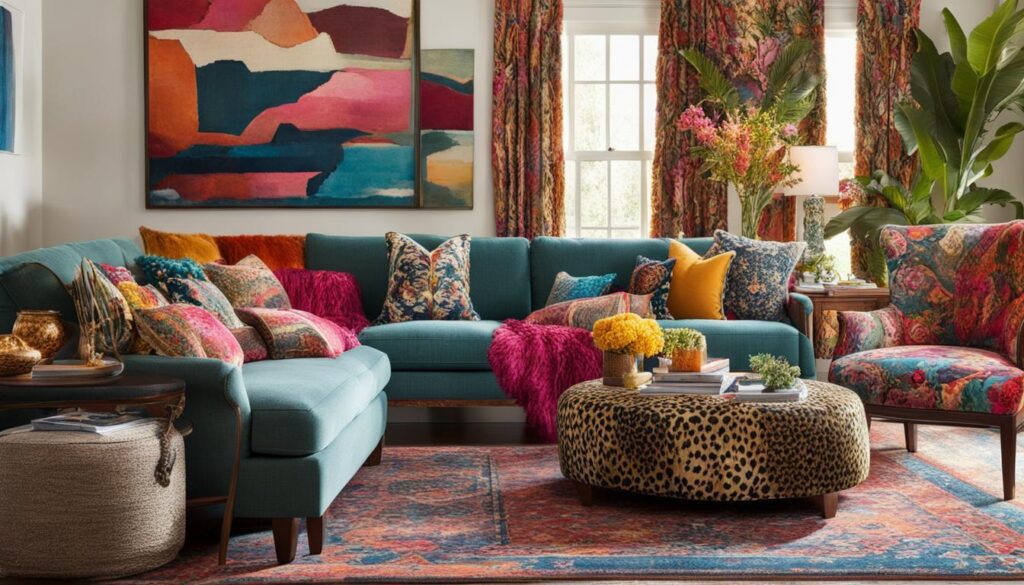
- Starting with a statement wall featuring intricate wallpaper as the room’s centerpiece
- Complementing it with upholstery in subtler, smaller patterns to add depth
Textures are equally vital. In my maximalist retreat, I combined the plushness of velvet cushions with the rugged texture of a jute rug, creating a tactile contrast that invites touch and visual interest. This interplay of materials keeps the space warm and engaging.
- Layer different fabrics across furniture and accessories to vary texture
- Mix glossy and matte finishes for a dynamic sensory experience
Ultimately, blending patterns and textures in maximalist decor celebrates diversity and contrast, crafting a space that is as vibrant and unique as its inhabitant.
The Psychology of Color in Maximalist Design
Delving into color psychology reveals how deeply colors influence the emotional atmosphere of maximalist interiors. Colors are not mere decoration; they evoke feelings and set the tone. For instance, a fiery red can ignite passion and energy, while a calming sage green fosters tranquility. Each shade contributes to a layered emotional narrative within the space.
Mood Creation Through Color
My use of vibrant colors is intentional, crafting stories within the room. A deep cobalt blue evokes the vastness of the sky, grounding the spirit and inspiring imagination. Meanwhile, a burst of coral energizes the space, sparking creativity and lively conversation.
Harmonizing Bold Colors with Neutrals
Color balance is essential. In maximalism, the interplay between vivid hues and neutrals creates a visual rhythm. Neutral tones act as a calming backdrop, allowing bold colors to shine without overwhelming. This balance is akin to a well-composed symphony where every note complements the others.
- Using neutral walls to soften intense reds and oranges
- Incorporating cool blues and greens to counterbalance warm yellows and pinks
- Adding beige or gray accents to provide visual rest amid vibrant colors
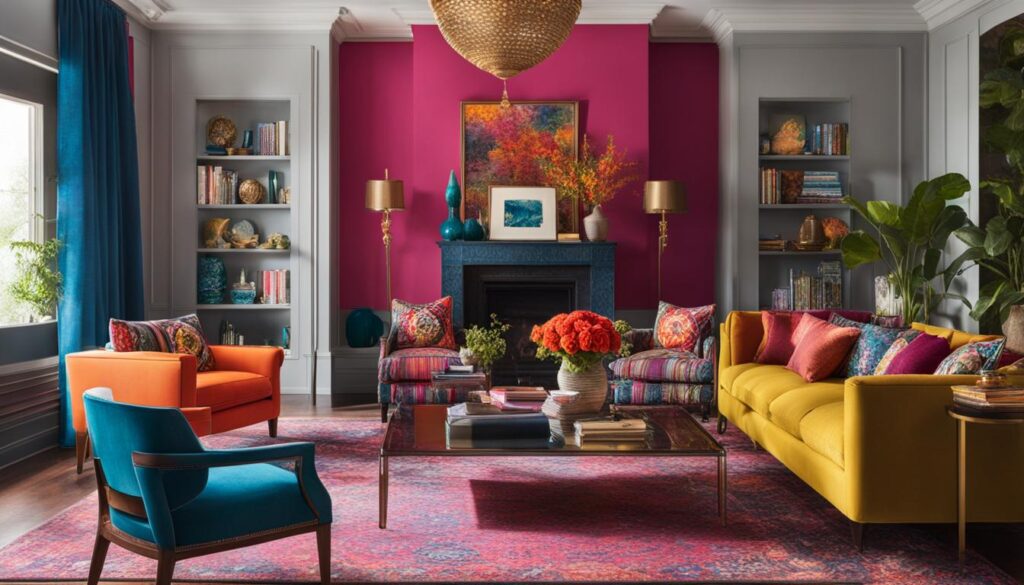
For me, color is a multisensory experience that shapes mood, guides movement, and sets the stage for a life lived vividly within a spectrum of inspiring hues.
Selecting Eclectic Art for Maximalist Spaces
Walking through my home, I see that maximalist art is more than decoration-it’s storytelling. Each bold art piece contributes to a curated chaos where colors narrate, textures sing, and the blend of old and new reflects my eclectic spirit.
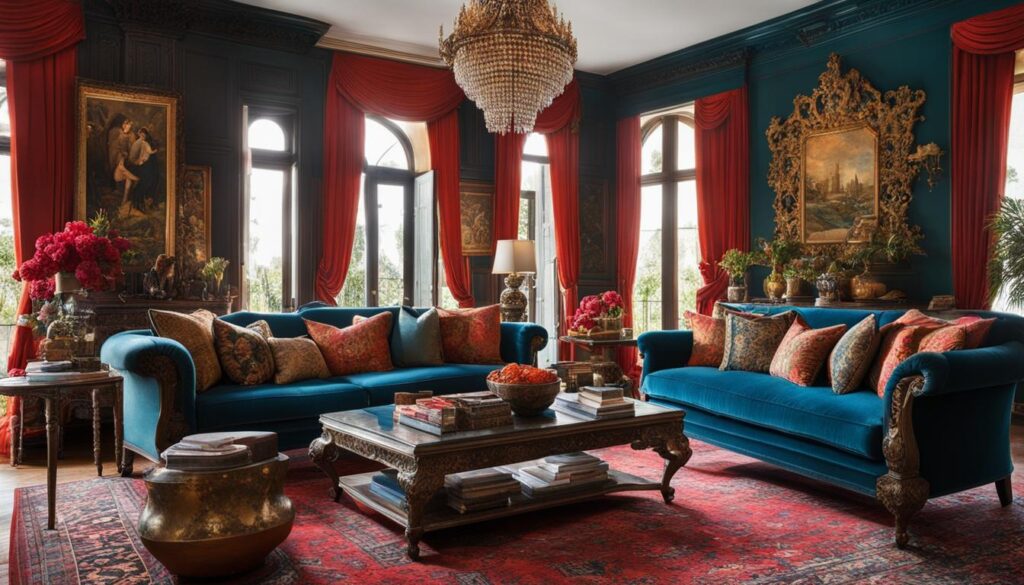
Curating this collection means seeking pieces that are unapologetically vibrant, expressive, and sometimes intriguingly unconventional. The fusion of diverse eras and cultures enriches the aesthetic, turning my home into a visual celebration of abundance and diversity.
- Discovering timeless finds in vintage shops
- Collaborating with contemporary artists for custom creations
- Pairing classical artworks with modern abstracts to spark dialogue
- Incorporating sculptures that add depth and provoke thought
- Showcasing global artifacts that reflect a worldly perspective
In a space where art and living intertwine, my maximalist sanctuary embodies the belief that design should be both seen and deeply felt. Each piece is a chapter of my life, an emotion, or a dream, forming a gallery that truly represents me.
Maximalism in Compact Spaces: Strategies for Impact
Contrary to common assumptions, maximalism in small spaces proves that limited square footage doesn’t restrict creativity. The secret lies in impactful design strategies that maximize every inch with boldness and flair. With a thoughtful approach, even the tiniest rooms can become vibrant expressions of personality.
Smart Design for Small Rooms
Incorporating maximalism into compact areas requires intentional choices. I favor multifunctional furniture that adds texture and narrative rather than just filling space. Vibrant fabrics and statement pieces inject grandeur into modest footprints. Reflective surfaces amplify light and pattern, enhancing the sense of openness.
Visual Techniques to Expand Space
Illusion plays a key role in small space maximalism. Painting walls and ceilings with continuous bold patterns creates a feeling of boundlessness. Strategically placed mirrors multiply light and color, while vertical lines draw the eye upward, making ceilings appear higher.
- Layering patterns: Combining large and small prints adds depth without overwhelming.
- Bold color schemes: Dramatic palettes differentiate zones while maintaining cohesion.
- Selective statement pieces: A single standout artwork or furniture anchors the room.
With careful planning, even the smallest spaces can embody maximalism’s essence, telling a rich story without feeling cramped.
Integrating Botanical Accents in Maximalism
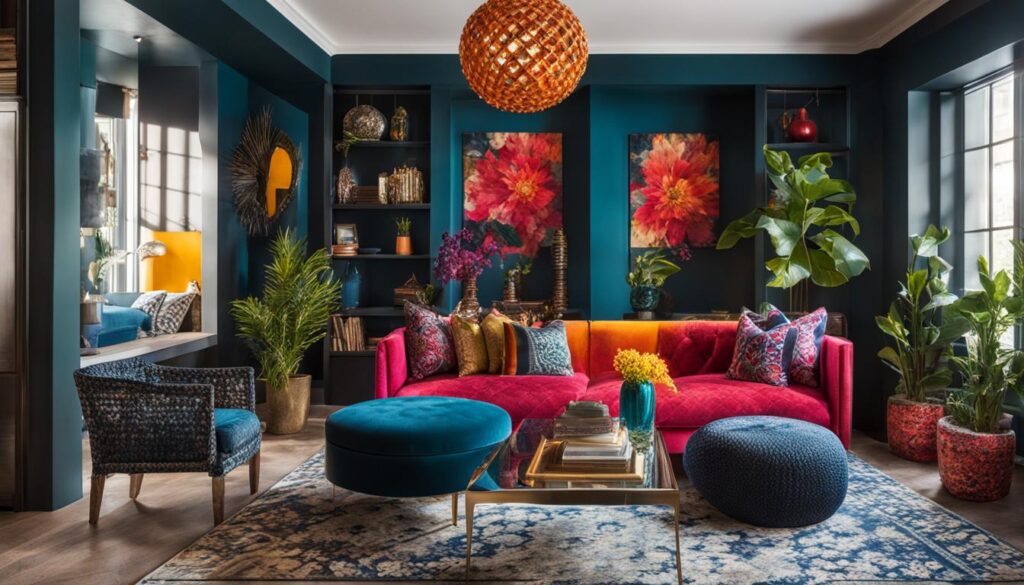
As a devoted maximalist plant enthusiast, I find that incorporating botanical decor elevates my interiors beyond trends-it revitalizes them. Indoor greenery not only beautifies but also injects life into the eclectic mix of patterns and colors. A lush array of plants adds texture and vibrancy, enhancing the maximalist ethos of abundance.
My method of blending plants into maximalist design is both intentional and playful. Layering various species creates a visual harmony that echoes maximalism’s love for richness. Here are some tips I follow:
- Use plant placement to complement or contrast your color scheme-foliage can intensify or soften the palette.
- Mix textures and shapes-pair delicate ferns with bold monstera leaves for dynamic contrast.
- Create focal points with large indoor trees or statement planters-these anchor the space and bring nature indoors.
- Incorporate window boxes-they add color, filter light, and offer a seasonal display.
Balancing lush growth with intentional design ensures plants enhance rather than overwhelm, harmonizing nature with maximalist artistry.
Historical and Global Influences in Maximalism
Exploring maximalist decor reveals a rich blend of historical influences and global aesthetics. This approach is not about random accumulation but about carefully selecting pieces that celebrate human creativity across cultures and eras.
Celebrating Cultural Diversity in Design
I embrace a wide range of cultural designs, appreciating the stories behind each artifact. From the intricate filigree of Baroque to the minimalist elegance of Japanese design, these elements enrich my space with worldly sophistication.
- Combining vibrant Moroccan tiles with sleek Scandinavian furniture for a unique fusion
- Incorporating Japanese Kintsugi pottery, symbolizing beauty in imperfection
- Using traditional African textiles to add movement and color, honoring underrepresented cultures
Merging Historical and Modern Elements
The charm of nostalgic decor lies in its ability to evoke memories and spark curiosity. Blending antique pieces with contemporary design creates timeless spaces. For example, a Victorian chandelier can illuminate a room furnished with mid-century modern chairs, weaving a narrative of design evolution.
- An Art Deco mirror reflecting modern surroundings while recalling the glamour of the past
- A 1960s Saarinen table paired with Renaissance tapestries, bridging centuries of style
- Reclaimed barn wood serving as a backdrop for sleek, modern sofas, merging rustic and urban vibes
By intertwining historical decor with global influences, I craft interiors that celebrate the stories of artisans and explorers, embodying maximalism’s spirit of diversity and grandeur.
Supporting Local Artisans in Maximalist Design
My love for maximalist decor extends beyond aesthetics to include a commitment to community. Incorporating local artisan decor enriches my home with unique craftsmanship and supports traditional skills. These hand-crafted accents offer more than just distinctive interior updates; they represent a connection to local culture and sustainable practices.
Choosing artisan pieces is a conscious act of supporting the local economy. Each item, whether a hand-thrown vase or a woven wall hanging, adds authenticity and elevates my home’s story while fostering economic empowerment.
- Discovering treasures at local markets and galleries
- Commissioning custom pieces that reflect personal style
- Building relationships with artisans and appreciating their craft
- Selecting items that celebrate regional cultural motifs
These unique finds embody a design philosophy that values individuality over mass production, giving my home a distinctive character and supporting the artisans behind the work.
Final Thoughts on Maximalism
Through my exploration of eclectic interiors, I’ve learned that maximalism is more than a counterpoint to minimalism; it’s a bold style embrace that honors the richness of personal narratives. The maximalist trends captivate not only visually but also symbolize a return to artistic individuality within our living spaces. A home becomes a vibrant gallery reflecting our journeys, passions, and achievements through every vivid color, daring pattern, and varied texture.
Successfully integrating maximalist decor tips requires intention and strategy to maintain harmony without chaos. Whether through botanical vibrancy, eclectic art collections, or supporting local artisans, each element contributes to a space brimming with personality and creativity. This thoughtful curation fulfills our innate desire for self-expression and meaningful environments.
Embracing maximalist design invites us to break free from monotony, exploring a world rich in color and life. By adopting an eclectic home style, we make a statement about our unique tastes and create sanctuaries that empower us to live boldly within walls that resonate with our essence. To me, maximalism is a celebration where ‘more’ is not just more-it’s a tribute to all that we are and aspire to be.
FAQ
What is maximalism in interior design?
Maximalism in interior design is a philosophy that embraces a rich mix of vibrant colors, bold patterns, varied textures, and diverse decor styles. It focuses on creating layered, expressive interiors that reflect the personality and experiences of the occupants. Unlike minimalism’s simplicity and restraint, maximalism celebrates abundance and the thoughtful arrangement of eclectic elements to form a cohesive, lively environment.
How does maximalist decor differ from minimalist decor?
Maximalist decor contrasts with minimalist decor in its approach to space, color, and ornamentation. Minimalism emphasizes ‘less is more’ with clean lines, neutral tones, and open spaces. Maximalism, on the other hand, embraces ‘more is more,’ encouraging a mix of patterns, vibrant colors, eclectic collections, and personal artifacts. This results in interiors full of energy, personality, and creative expression.
Can maximalism work in small spaces?
Yes, maximalism can thrive in small spaces by making strategic design choices that enhance visual interest and depth. Techniques like extending bold colors across multiple surfaces, layering patterns thoughtfully, and using mirrors to reflect light can create the illusion of a larger, cohesive space while injecting personality.
How can I balance vibrant hues and neutrals in maximalist design?
Balancing vibrant colors with neutrals involves creating contrast that keeps the space lively yet comfortable. Neutrals serve as grounding elements, offering visual rest and preventing overwhelm. Incorporating varied textures and shades within neutral tones maintains interest and depth without detracting from the overall vibrancy.
How do I mix patterns and textures in a maximalist space effectively?
Effective mixing of patterns and textures involves varying pattern scales and confining certain designs to specific areas or accent pieces. Balance is essential-select one or two dominant patterns as focal points and use others as complementary accents. Incorporating diverse textures through fabrics, furnishings, and decor adds depth and visual interest, creating an intentional yet harmonious ‘organized chaos.’
What role does art play in maximalist interior design?
Art is central to maximalist interior design, adding personality and depth. It involves curating a diverse mix of styles, periods, and cultural influences, creating a narrative that reflects the homeowner’s tastes and experiences. Maximalist art can cover walls, be layered, or include sculptural pieces, contributing to a rich, multi-dimensional visual experience.
How do botanical elements contribute to the maximalist style?
Botanical elements infuse maximalist interiors with energy, freshness, and life. They complement color palettes and introduce organic shapes that contrast with structured decor. Layering plants of different sizes and textures embodies maximalism’s principle of abundance and complexity, while also offering psychological benefits linked to nature connection.
Can I blend different historical periods and cultural designs in maximalist decor?
Absolutely. Mixing various historical periods and cultural designs is a defining feature of maximalist decor. This approach creates a rich, layered aesthetic that tells a story and adds depth. It celebrates diversity and sophistication, resulting in interiors that are eclectic, intriguing, and uniquely personal.
Why should I consider adding local crafts and artisan accents to my maximalist interior?
Incorporating local crafts and artisan accents enhances your space’s uniqueness and supports sustainability. These handcrafted pieces connect your home to local culture and community, adding originality and depth. This aligns with maximalism’s emphasis on personal expression and appreciation for skilled craftsmanship.