Creating Personal Art When You’re “Not an Artist”: Tips from Interior Design Experts

Art belongs to everyone. Throughout my extensive experience in interior design, I’ve observed that the most impactful artworks in a home are often not pricey gallery acquisitions but rather heartfelt creations made by the residents themselves. These self-crafted pieces, which clients frequently downplay with phrases like, “I’m not an artist,” tend to become the most captivating and meaningful elements within their living spaces. This article aims to guide you through accessible methods to craft personal art that enriches your environment, even if you’ve never identified as creative before.
Embracing Creativity Beyond Traditional Artistry
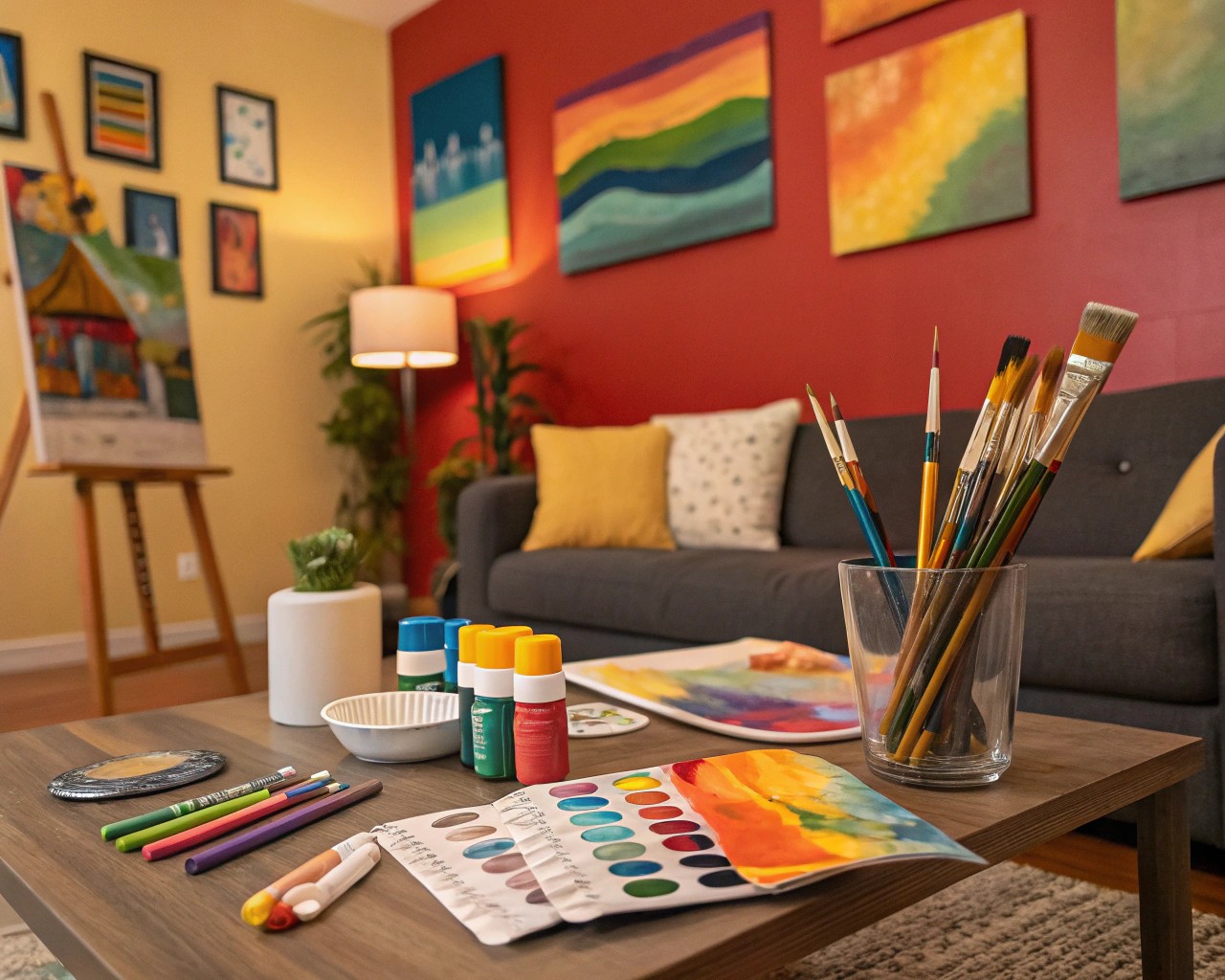
Many people often say, “I’m not creative,” a mindset rooted in the misconception that art requires expert skill. However, true artistry is less about technical mastery and more about the courage to express oneself. Creativity surrounds us constantly, waiting to be tapped into, as famously observed by artists who found inspiration in everyday life.
Example: Transforming a Dining Room with Personal Expression
Consider the story of Maria, a busy attorney who initially dismissed her own workshop paintings as “just beginner’s attempts.” Upon viewing her vibrant abstract canvases, it became clear these works conveyed emotions and stories that commercial art often lacks. Now, her dining area proudly showcases her creations, sparking conversations and adding a unique charm that no store-bought piece could replicate.
The Unique Value of Handmade Art in Your Home
Incorporating art into interior design is essential for injecting personality and warmth into any room. Handmade art elevates this by embedding authenticity and personal narrative that mass-produced pieces cannot offer.
When you create your own artwork, you unlock several benefits:
- Your space becomes a true reflection of your individuality, impossible to duplicate.
- You cultivate a stronger emotional bond with your surroundings.
- Your home tells a genuine story about your life and experiences.
- You gain daily joy from witnessing your own creative efforts.
From my professional perspective, clients who integrate their own art report a deeper sense of belonging and pride in their homes. Remember, art doesn’t have to coordinate with your furniture-it should resonate with your spirit.
Discovering the Right Artistic Outlet for You
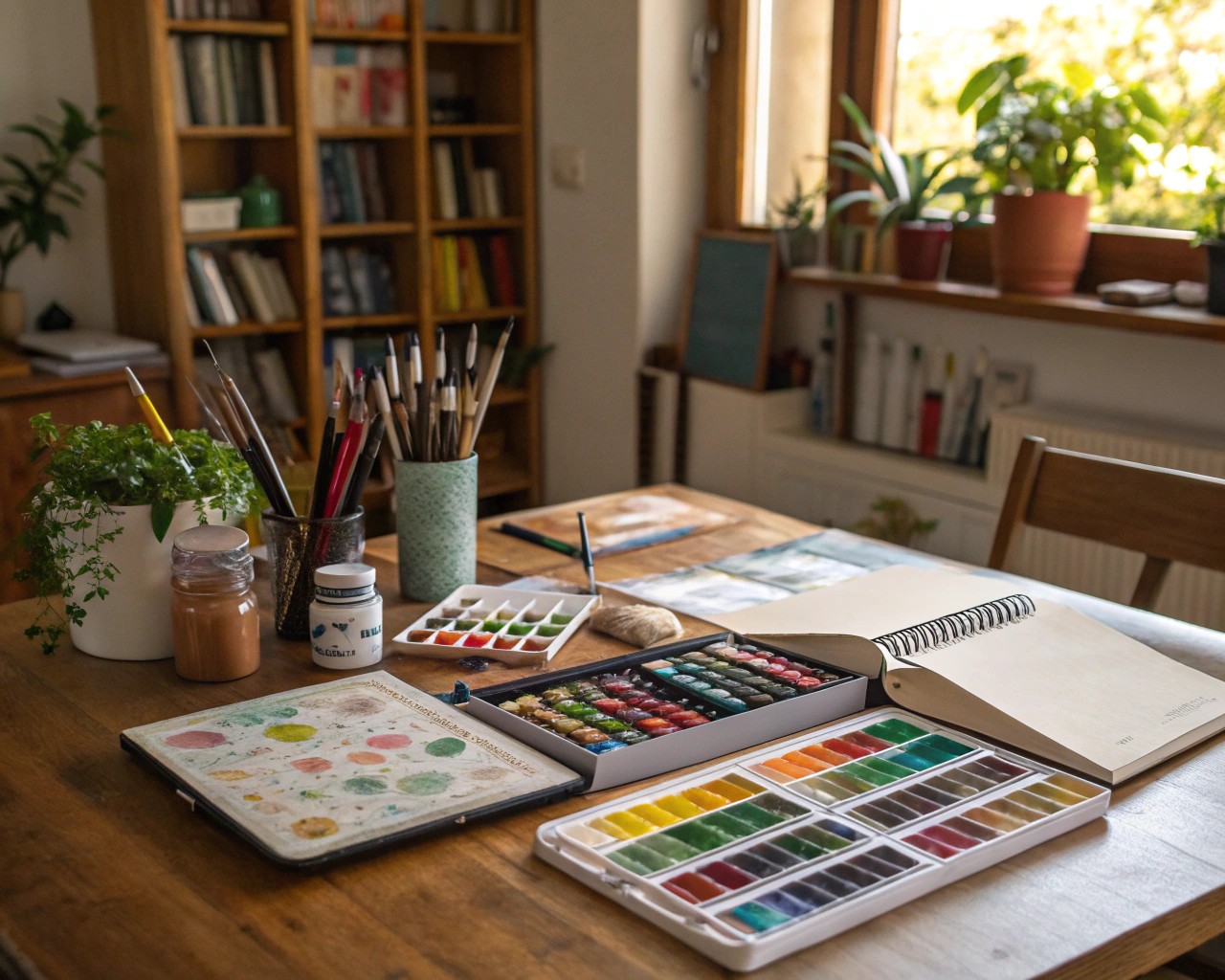
Starting an art project can feel daunting if you’re unsure where to begin. Fortunately, there are numerous creative avenues that require minimal traditional skills and can be adapted to any space or budget.
Creative Mediums Suitable for Beginners
| Medium | Skill Level | Cost | Beginner Friendly | Space Requirements |
|---|---|---|---|---|
| Collage | Minimal | Low | ★★★★★ | Compact |
| Abstract Painting | Low | Moderate | ★★★★☆ | Medium |
| Photography | Low to Medium | Varies | ★★★★☆ | Minimal |
| Mixed Media | Low | Moderate | ★★★★☆ | Medium |
| Textile Art | Medium | Moderate to High | ★★★☆☆ | Medium |
| Sculptural Assemblies | Low | Varies | ★★★★☆ | Medium to Large |
| Digital Art | Medium | Higher Initial Investment | ★★★☆☆ | Minimal |
| Nature-Inspired Art | Minimal | Very Low | ★★★★★ | Varies |
For those feeling hesitant, starting with collage or abstract painting is often the easiest way to dive in. These methods encourage experimentation without the pressure of replicating reality.
Creative Projects Tailored to Your Environment
Ideas for Indoor Living Areas
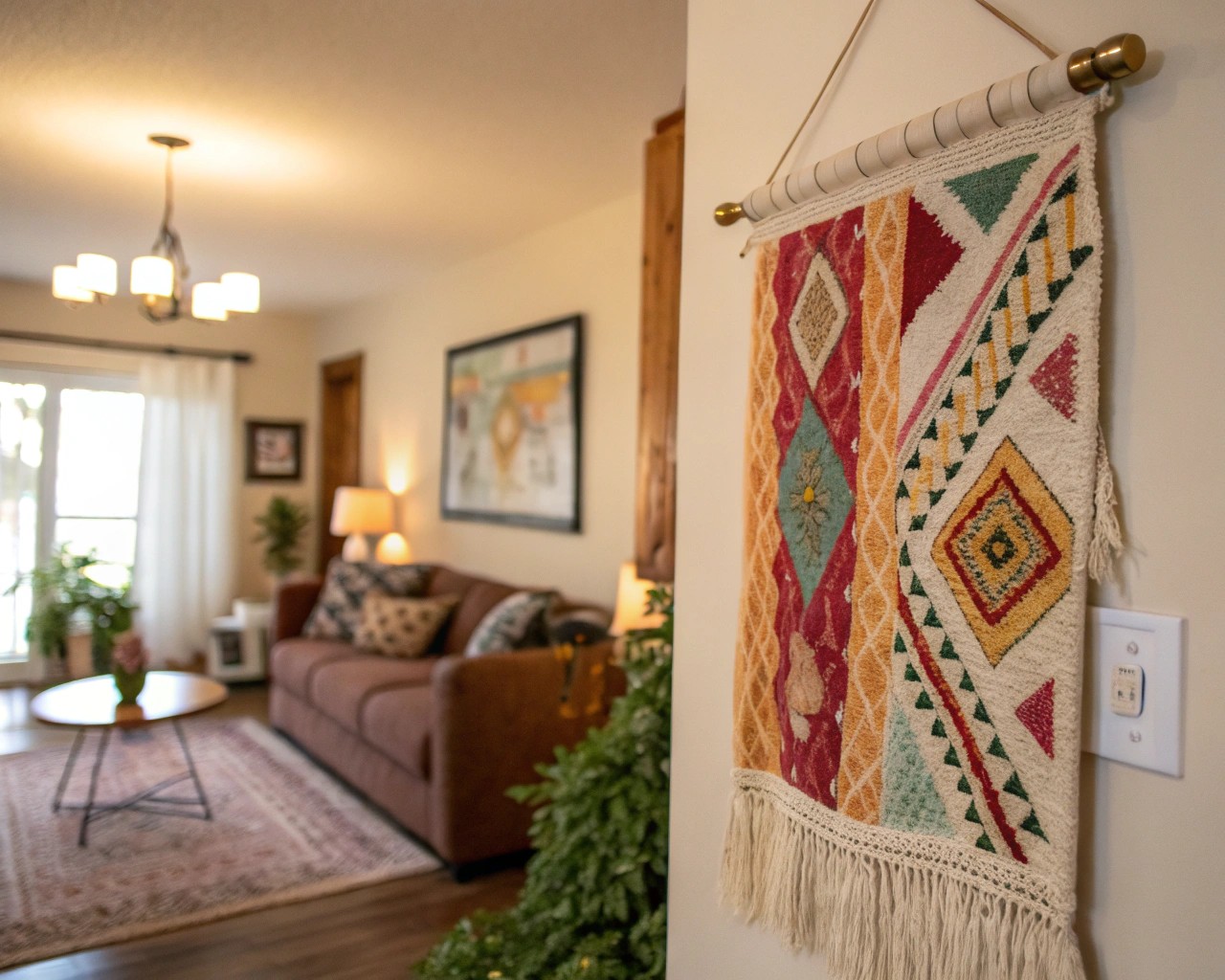
- Swipe Painting: Apply paint blobs and drag them across the canvas for spontaneous abstract effects-ideal for bold statement pieces.
- Fabric Wall Hangings: Try simple weaving or tie-dye techniques to add texture and warmth to your walls.
- Object Assemblies: Collect meaningful items like driftwood, stones, or metal scraps and arrange them into sculptural art that tells your story.
Outdoor Art Inspirations
Drawing from garden design principles, here are some creative ways to personalize your outdoor spaces:
- Mosaic Pathways: Use broken tiles or glass pieces to craft unique stepping stones that guide visitors through your garden.
- Living Sculptures: Design planters or vertical gardens that change with the seasons, blending art with nature.
- Durable Outdoor Paintings: Create weatherproof canvas art using acrylics sealed for outdoor use.
Example: Revitalizing a Garden on a Budget
The Johnsons, a retired couple, wanted to refresh their garden without overspending. They transformed reclaimed wood into artistic sculptures and crafted mosaic stepping stones from discarded ceramics. Their guests often express surprise when told these pieces were handmade, highlighting the charm of personalized garden art.
Simple Techniques Anyone Can Try
Artistic creation doesn’t require formal training. Here are ten accessible techniques that beginners can master and expand upon:
- Collage with Paint: Layer cutouts over painted backgrounds or blend paint into collaged areas for depth.
- String Art: Create geometric or abstract designs by wrapping thread around nails on a board.
- Alcohol Ink on Tiles: Drop vibrant inks on ceramic tiles for fluid, colorful patterns.
- Nature Prints: Use leaves or flowers dipped in paint to imprint natural shapes onto surfaces.
- Tape Resist Painting: Apply tape in patterns, paint over, then peel to reveal crisp lines.
- Assemblage Art: Combine found objects into cohesive sculptural pieces.
- Block Printing: Carve simple designs into foam or vegetables for stamping.
- Paint Pouring: Pour mixed acrylic paints to create flowing abstract art.
- Mini Zen Gardens: Design small sand gardens with raked patterns for relaxation.
- Decorative Book Edges: Paint the edges of old books to transform them into artful accents.
Showcasing Your Creations with Style
Crafting your own art is just the first step; how you display it can dramatically influence your space’s ambiance. Thoughtful placement enhances both the visual appeal and emotional impact of your artwork.
Effective Display Tips
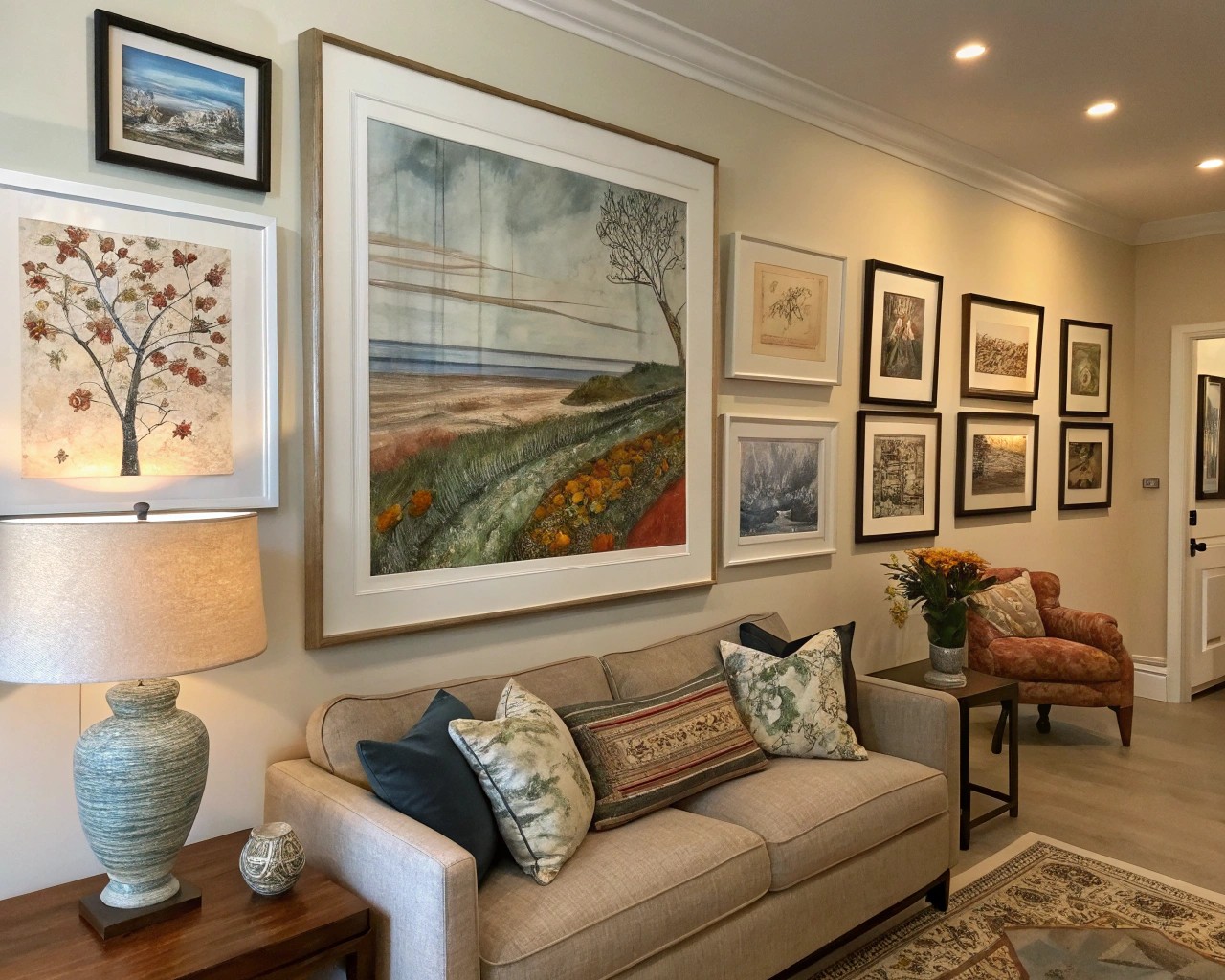
- Create a Focal Point: Hang larger pieces where they naturally attract attention upon entering.
- Encourage Interaction: Position intriguing artworks near seating to inspire conversation.
- Surprise with Placement: Use unexpected spots like above doorways or staircases to highlight overlooked areas.
- Mind the Height: Aim to hang art so its center aligns with eye level, roughly 57 to 60 inches from the floor.
Example: Energizing a Creative Workspace
A small creative agency we worked with chose to display rotating artwork made by their own employees instead of buying generic prints. This approach not only cut costs but also fostered a vibrant, inspiring atmosphere that clients and staff alike appreciated.
Shifting the “I’m Not Creative” Mindset
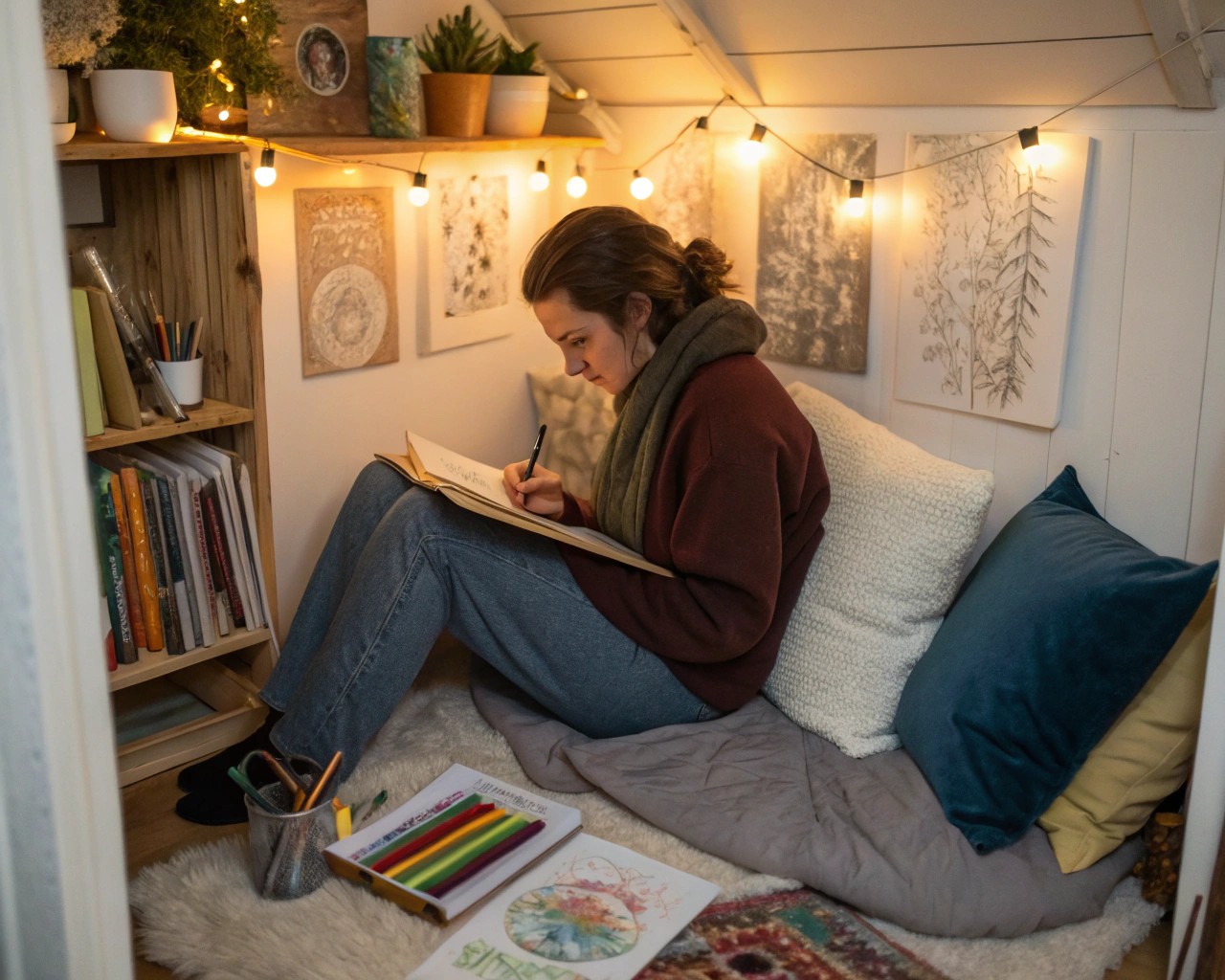
The greatest hurdle to making art is often the belief that you lack creativity. It’s important to recognize that creativity is a natural part of daily life, expressed in countless ways beyond traditional art.
Strategies to Overcome Creative Blocks
- Redefine Art as Creation: Focus on the act of making rather than the pressure to produce a masterpiece.
- Accept Imperfections: Embrace flaws as part of what makes your art unique and authentic.
- Enjoy the Process: Find joy in creating without fixating on the final product.
- Start Small: Begin with manageable projects to build confidence gradually.
For hesitant creators, starting with temporary or evolving pieces can reduce pressure and encourage experimentation.
Art as a Path to Wellbeing and Design Harmony
Beyond aesthetics, engaging in art-making can serve as a powerful form of self-care, helping to alleviate stress and enhance emotional wellbeing. Many clients find that creating personal art deepens their connection to their homes and supports mental health.
Healing and Dynamic Spaces Through Art
- Customized Wellness Areas: We assist clients in designing art for bedrooms or meditation corners that promote calm and healing.
- Seasonal Artistic Updates: Refreshing art pieces with the changing seasons keeps interiors lively and responsive.
- Collaborative Family Projects: Joint art-making strengthens family bonds and personalizes shared spaces.
Example: A Personal Healing Journey Through Art
After a significant loss, Linda sought a fresh start in her home. She began creating collages using fabrics, maps, and flowers tied to cherished memories. This creative process became a therapeutic outlet, and the resulting artworks now serve as meaningful focal points that honor her past while embracing new beginnings.
Integrating Design Principles into Your Art
When you create your own art, you engage directly with fundamental design elements such as space, line, form, texture, color, light, and pattern. Understanding these can help you craft pieces that harmonize with and enhance your interiors.
Color, in particular, plays a vital role in setting mood. Designers often use artwork to introduce calming blues and greens in restful areas or energizing reds and yellows in social spaces.
If you’re unsure about color choices, start by incorporating hues already present in your room and add one contrasting shade to create visual interest.