
Entering the world of airbrushing can be daunting for beginners due to the vast array of models available. Choosing an airbrush that offers a perfect blend of quality, user-friendliness, and affordability is often challenging. However, this guide is designed to simplify that process for you.
After evaluating numerous airbrushes tailored for novices, we’ve pinpointed the best options that combine intuitive features with the capacity to support your growing expertise. Whether you prefer gravity-fed designs or dual-action triggers, this article covers all the essentials to get you started confidently.
Airbrushing Fundamentals for New Users
Before selecting your first airbrush, it’s important to grasp the basics of airbrushing. This technique involves using compressed air to spray paint or other liquids through a specialized tool called an airbrush. It enables artists to achieve fine details and smooth gradients that are difficult with traditional brushes or aerosol sprays.
Varieties of Airbrushes
Airbrushes come in different types, each offering unique benefits for beginners:
- Single-action airbrushes control only the airflow, with paint flow preset. Their simplicity makes them easier for beginners to handle initially.
- Dual-action airbrushes allow simultaneous control of air and paint flow, offering greater precision and versatility once you become comfortable with the technique.
- Gravity-fed airbrushes have a paint cup on top, using gravity to feed paint. They require less air pressure and excel at detailed work, favored by many artists and hobbyists.
- Siphon-fed airbrushes draw paint from a container beneath or beside the tool, ideal for larger projects due to their higher paint capacity.
Key Parts and Features
Understanding the main components of an airbrush helps beginners make informed choices:
- Needle and nozzle: These determine the spray width. Smaller needles (0.2-0.3mm) create fine details, while larger ones (0.5-0.8mm) cover bigger areas faster.
- Trigger mechanism: Controls paint and air release; mastering this is essential for smooth operation.
- Air source: Usually a compressor that provides the necessary pressure to atomize paint.
- Paint reservoir: Holds the paint; sizes vary depending on the project scale.
- Mixing chamber: Where paint and air combine before spraying, influencing spray consistency.
Air Pressure Basics
Proper air pressure is vital for optimal airbrush performance:
- Standard operating pressure typically ranges from 15 to 50 PSI, with 20-25 PSI being ideal for most beginner applications.
- Lower pressures (10-20 PSI) are suited for delicate details and thin lines, perfect for miniature painting or intricate artwork.
- Higher pressures (30-50 PSI) are better for thicker paints or covering large surfaces quickly, such as fabric or automotive painting.
- Moisture traps are essential to prevent water from contaminating your paint and ruining finishes.
- Pressure regulators help maintain steady airflow, improving control and consistency.
Choosing Your First Airbrush: What to Prioritize

When selecting your initial airbrush, several features significantly impact usability and results. Here’s what to focus on:
Nozzle Diameter and Spray Width
The nozzle size influences the detail and coverage you can achieve. Sizes range from 0.2 mm to 0.7 mm, with smaller nozzles delivering finer lines. For beginners, a 0.3 mm nozzle is a versatile choice, balancing detail and coverage without frequent clogging. This size allows you to practice various techniques without needing multiple airbrushes initially.
Trigger Precision and Control
Dual-action triggers are preferred for their superior control, enabling you to adjust air and paint flow independently. Pressing down controls airflow, while pulling back adjusts paint volume. Although they require practice, mastering dual-action triggers early on enhances your technique and reduces the need for future upgrades.
Gravity Feed vs. Siphon Feed Airbrushes
Gravity-fed airbrushes, with their top-mounted paint cups, offer better paint flow at lower pressures and are easier to clean, making them ideal for beginners. Siphon-fed models, which pull paint from below, are better suited for large-scale projects due to their larger paint capacity. For newcomers, gravity-fed options like the Iwata Neo or Badger Patriot 105 provide excellent control and ease of use.
Top Airbrush Picks for Beginners
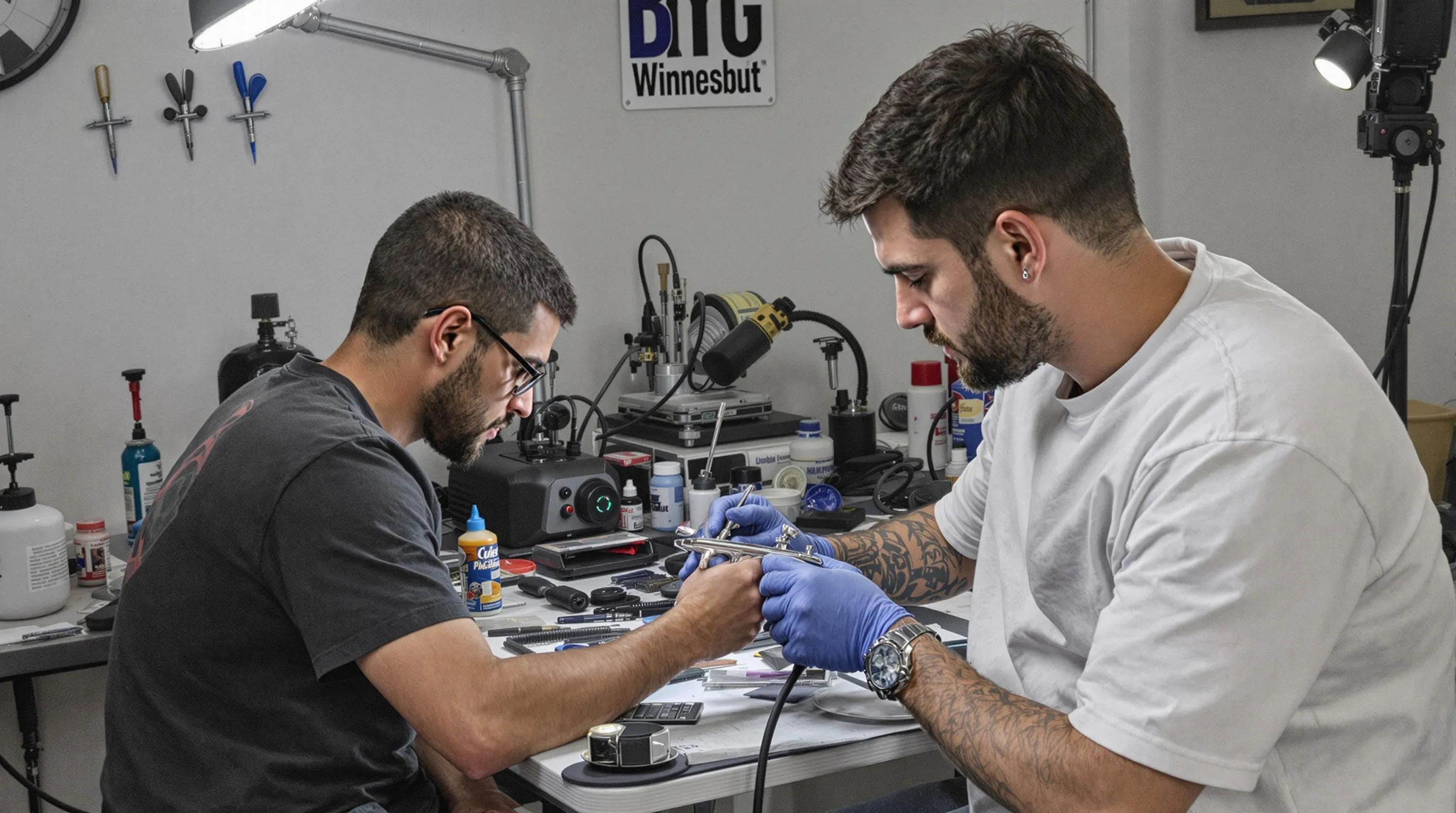
After extensive testing, here are our top recommendations that blend quality, ease of use, and affordability for those new to airbrushing.
Affordable Airbrushes Under $50
Battery-Powered Starter Kits offer portability and budget-friendly entry points for casual users exploring airbrushing.
Master Airbrush G233 is a top-rated budget choice known for its straightforward setup and easy cleaning, perfect for beginners focusing on technique development.
Compact Mini Airbrush Sets often include basic compressors and essential accessories, providing a complete package for immediate practice without a hefty price tag.
Mid-Tier Airbrushes for Serious Beginners
Iwata Neo is a standout gravity-fed model offering near-professional performance at an accessible price point.
Master Airbrush Advanced Kits combine reliable compressors with dual-action airbrushes, delivering a comprehensive setup that removes guesswork.
Gaahleri Models have gained traction for their adaptability across various painting styles, balancing quality and beginner-friendly features.
Generic Compressor Bundles in this range provide dependable performance for those committed to learning airbrushing seriously.
Premium Kits Worth the Investment
Harder & Steenbeck Ultra exemplifies German precision engineering, with user-friendly maintenance and exceptional performance.
Iwata-Medea Eclipse offers durability and advanced control, ideal for beginners ready to advance their skills.
Mr. Hobby PS-771 is a gravity-fed airbrush praised for its fine detail capabilities, often compared favorably to higher-end models.
Most quality kits include compressors with moisture traps and adjustable pressure controls. Gravity-fed designs and dual-action triggers dominate our recommendations for their efficiency and precision.
Must-Have Airbrush Accessories for Beginners
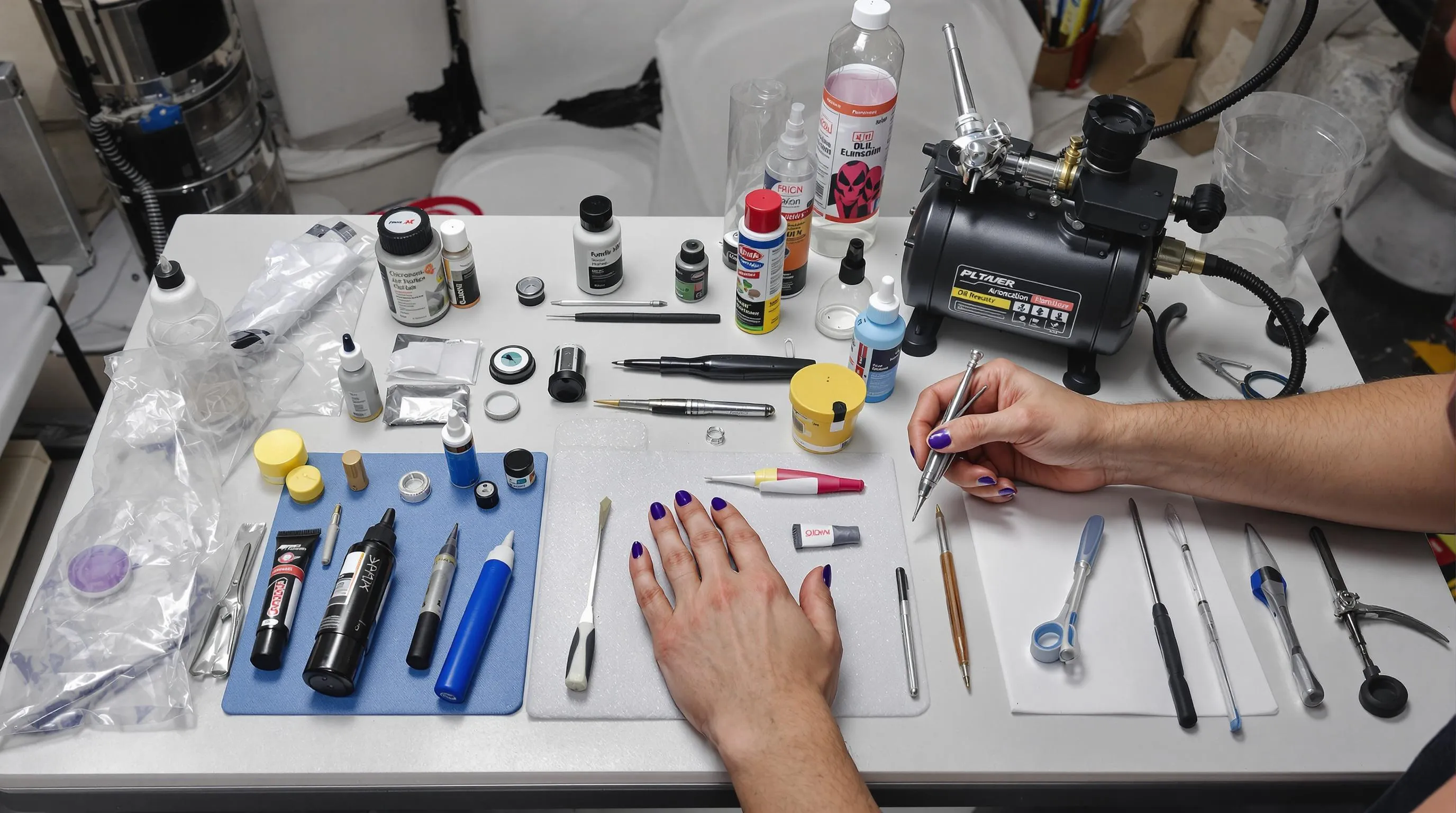
To complement your airbrush, certain accessories are essential for smooth operation and maintenance.
Compressor Tips
Oil-free compressors with adjustable PSI (15-30 PSI) and built-in moisture traps are ideal for beginners. Models featuring auto-shutoff prevent overheating during extended use, enhancing safety and equipment longevity. Compact, quiet compressors with tanks provide steady airflow, improving spray consistency.
Cleaning and Upkeep Tools
Maintaining your airbrush extends its lifespan and performance. Use cleaning pots to catch overspray, pipe cleaners and interdental brushes for internal parts, and nozzle reamers to clear dried paint safely. Paint thinners like Vallejo Airbrush Thinner help prevent clogs. Quick-release couplers simplify disassembly, and spare needles and nozzles minimize downtime. Regular flushing after use and monthly deep cleans are recommended. Store your airbrush horizontally to avoid leaks.
Fundamental Airbrush Techniques for Beginners
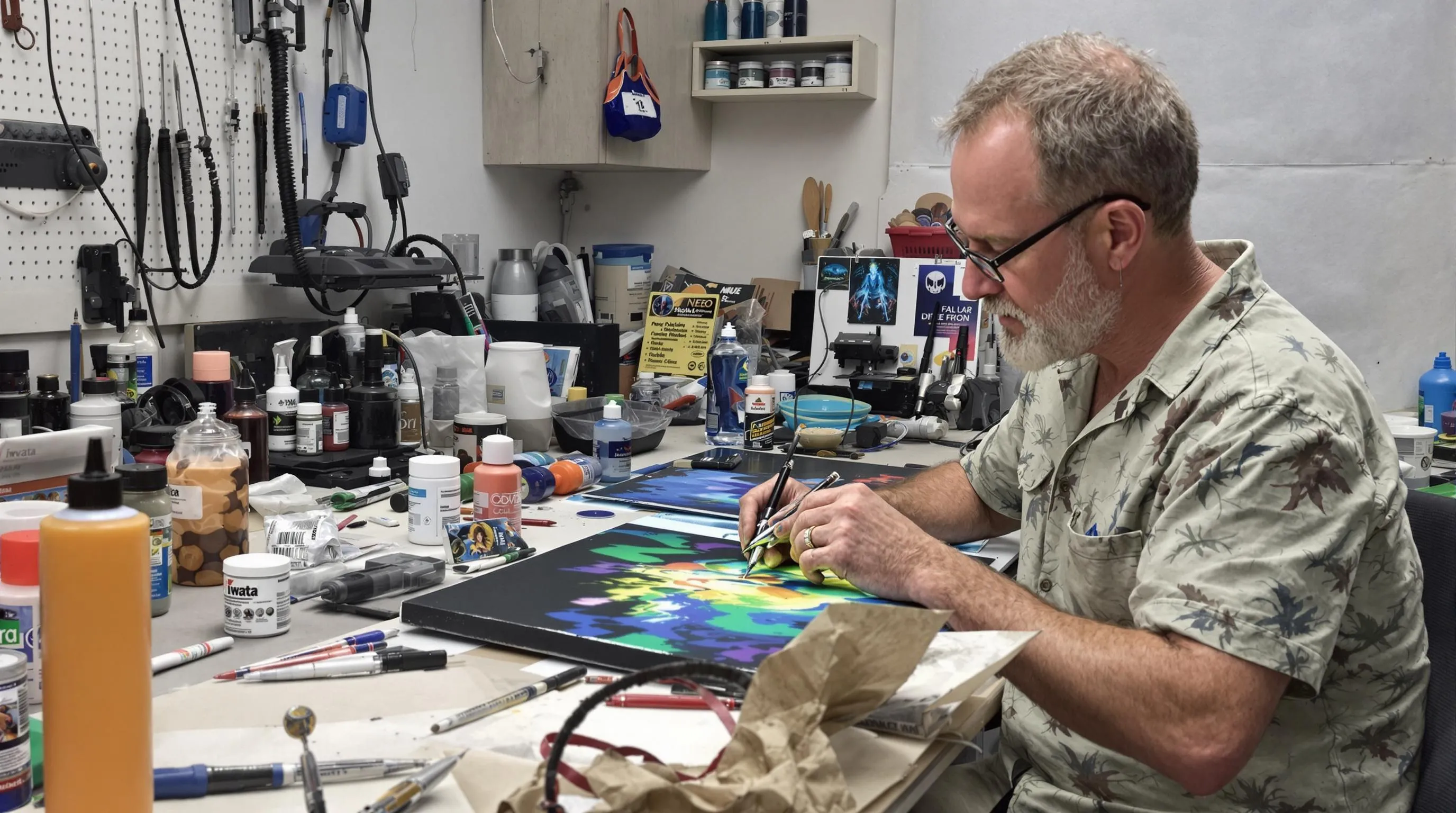
Once equipped with a reliable airbrush like the Iwata Neo or Badger Patriot 105, mastering these five techniques will build a strong foundation:
- Layering: Apply multiple thin paint layers to add depth and smooth transitions, avoiding paint pooling.
- Blending: Use steady air pressure and smooth movements to create seamless color gradients. The Harder & Steenbeck ULTRA V2.0 excels with its precise 0.2mm nozzle.
- Stenciling: Employ masks or templates for sharp shapes and repeated patterns, ensuring stencils are firmly secured.
- Freehand: Develop control by painting without guides, experimenting with distance and angle. The Badger Patriot 105’s interchangeable nozzles offer versatility for this.
- Wash: Apply diluted paint at low pressure to enhance shading and texture, especially useful in model painting.
Regular practice of these techniques accelerates skill development and builds muscle memory for advanced work.
Airbrush Maintenance Best Practices
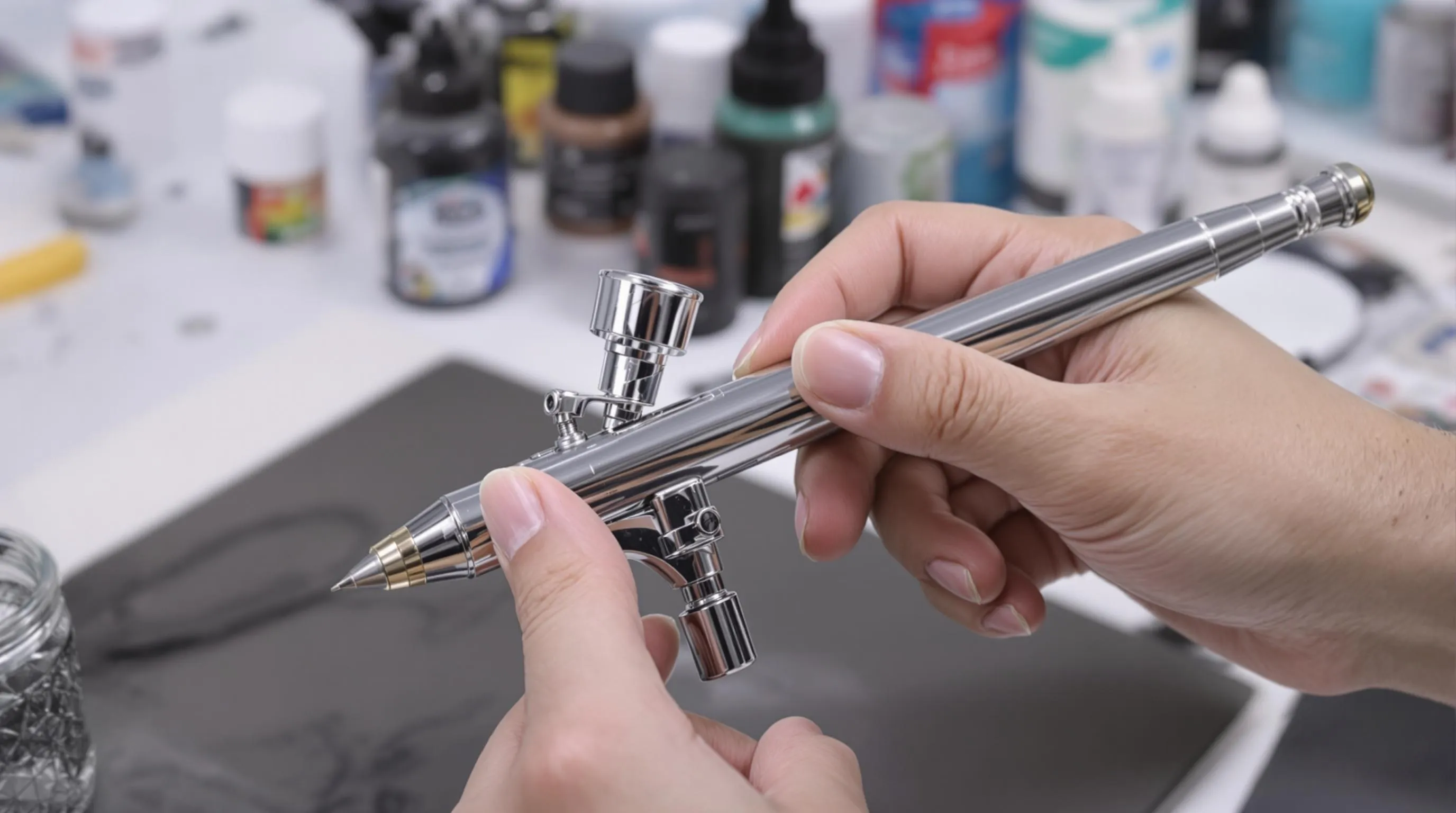
Proper care is key to keeping your airbrush in top condition. Follow these guidelines regardless of your model:
Immediate Cleaning After Use
Flush your airbrush with the correct thinner or cleaning solution immediately after use to prevent paint drying inside. Warm water works for water-based paints, while solvent-based paints require specific thinners.
Weekly Deep Cleaning
Disassemble and soak parts like the needle, nozzle, and air cap in cleaning solution weekly to remove stubborn residue. Pay special attention to the nozzle, where clogs often form.
Proper Paint Thinning
Use manufacturer-recommended thinning ratios to avoid clogs and ensure smooth spraying. Test paint consistency before loading to prevent issues, especially with entry-level airbrushes like the Master G233 or Gaahleri models.
Regular Lubrication
Apply airbrush-specific lubricant to moving parts such as the needle and trigger every 5-10 cleanings to reduce wear and maintain smooth operation.
Proper Storage
Store your airbrush with protective caps on needles and nozzles in a dry, dust-free environment. Consider dedicated holders or cases to protect delicate components.
Regular Nozzle Inspection
Check nozzles for damage or blockages by holding them up to light. Replace damaged nozzles promptly to maintain spray quality.
Avoid Harsh Chemicals on Seals
Use mild cleaning agents on rubber seals and O-rings to prevent deterioration and air leaks.
Ultrasonic Cleaning for Tough Clogs
Ultrasonic cleaners can effectively remove stubborn dried paint from internal parts, though they are optional for beginners.
Solving Common Airbrush Issues for Beginners
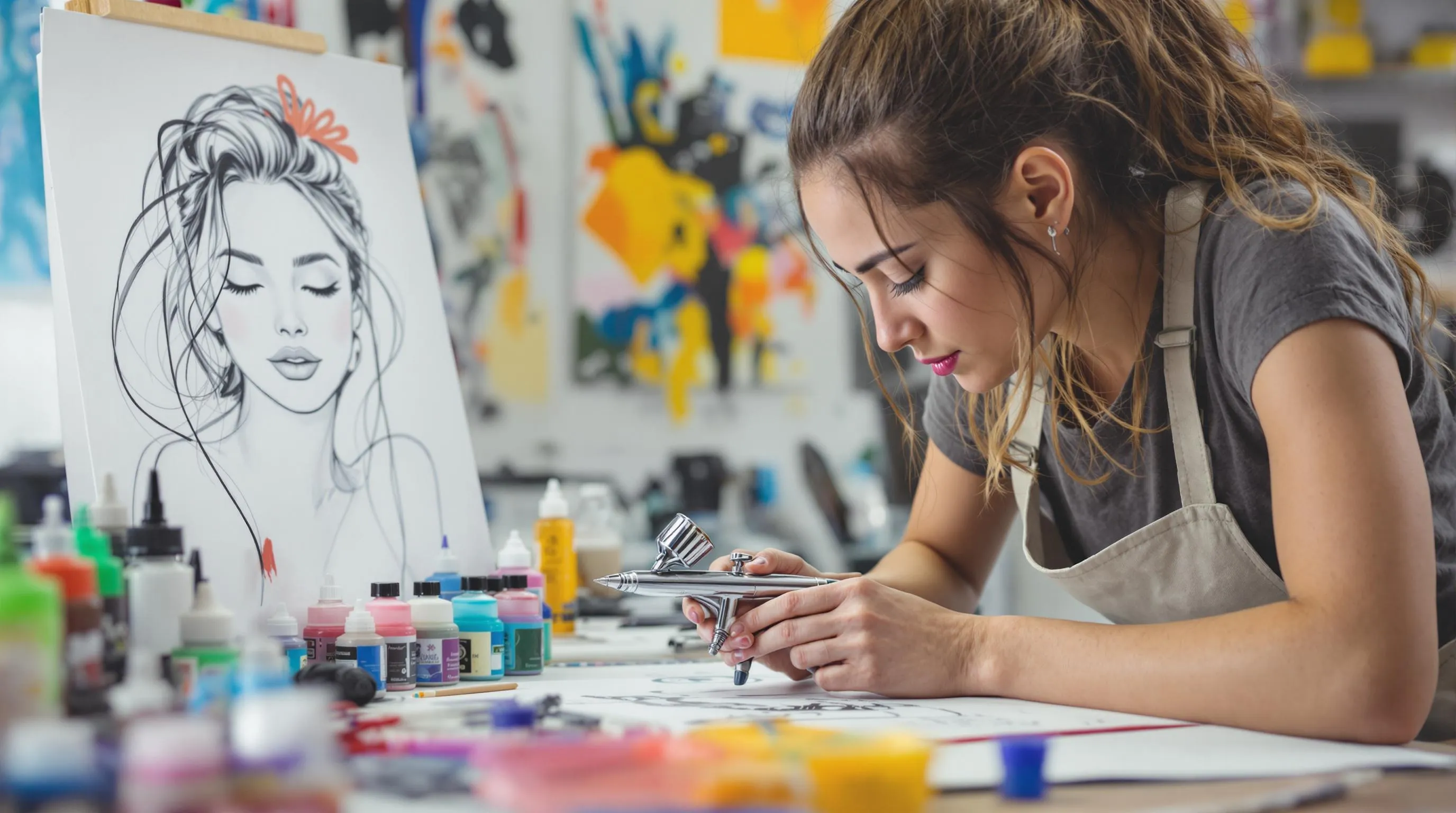
New airbrush users often face technical challenges. Here’s how to address the most frequent problems:
Dry Tip Issues
Dry tip occurs when paint dries on the needle tip, disrupting spray. Prevent this by thinning paint properly and cleaning the needle regularly during use. Keep a cleaning solution nearby to dip the needle tip as needed.
Clogging Solutions
Clogs often result from paint buildup in the nozzle or air cap. Use fine needles or cleaning tools to clear blockages and maintain a strict cleaning routine. Proper paint thinning also reduces clog risks.
Fixing Sputtering
Sputtering causes uneven paint application and is usually due to incorrect air pressure or dirty components. Adjust your compressor settings and clean the airbrush thoroughly to resolve this.
Inconsistent Spray Patterns
Check nozzle alignment and ensure all parts are correctly assembled. Tighten loose connections and inspect seals to maintain consistent airflow and spray quality.
Where to Purchase Quality Airbrushes for Beginners
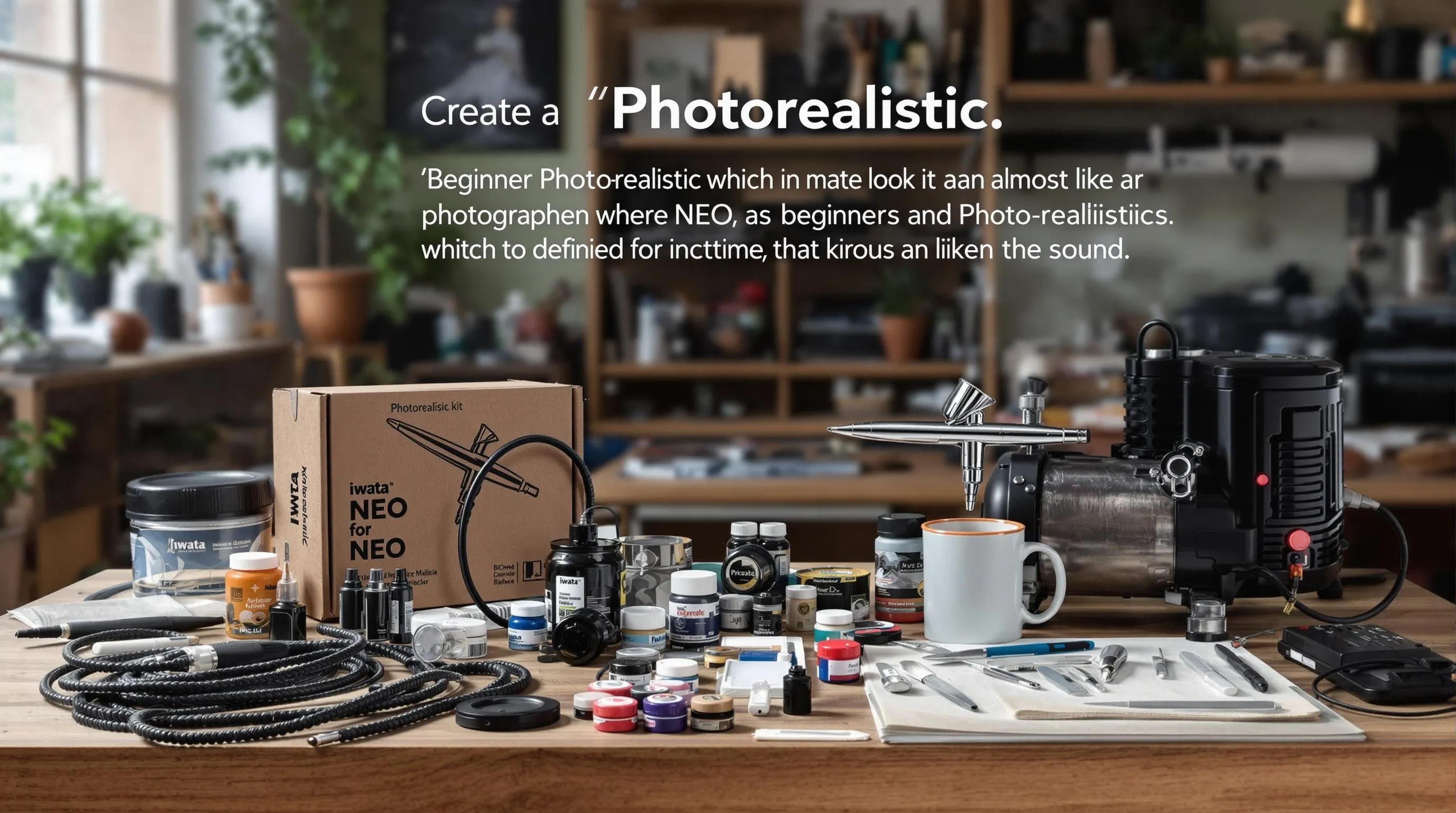
Choosing a trustworthy retailer is as important as selecting the right airbrush. Here are some reliable options:
Trusted Online Retailers
Specialized stores like SprayGunner offer excellent customer support and a wide range of beginner-friendly models such as the Harder & Steenbeck Ultra. Amazon provides competitive prices and fast shipping on popular airbrushes like the Iwata NEO CN and Badger Patriot 105. Hobby-specific websites stock specialized models ideal for miniature painting.
Physical Stores
Local hobby shops allow hands-on comparison and sometimes testing of airbrushes like the Sparmax HB040 or Gaahleri GHAD-39. Art supply chains often carry beginner models and knowledgeable staff. Specialty painting stores stock premium options and provide expert advice.
Purchase Considerations
Complete kits including airbrush, compressor with moisture trap, and accessories offer the best value. Pay attention to warranty and return policies, especially for online purchases. Bundled deals often save money compared to buying components separately.
Budgeting for Your Airbrush Setup
Entry-level airbrushes generally cost between $50 and $100, with mid-range models priced from $100 to $200. Premium kits can reach $300 or more. Don’t forget to budget for essential accessories like cleaning kits and spare parts.
Advancing from Beginner to Intermediate Airbrushing
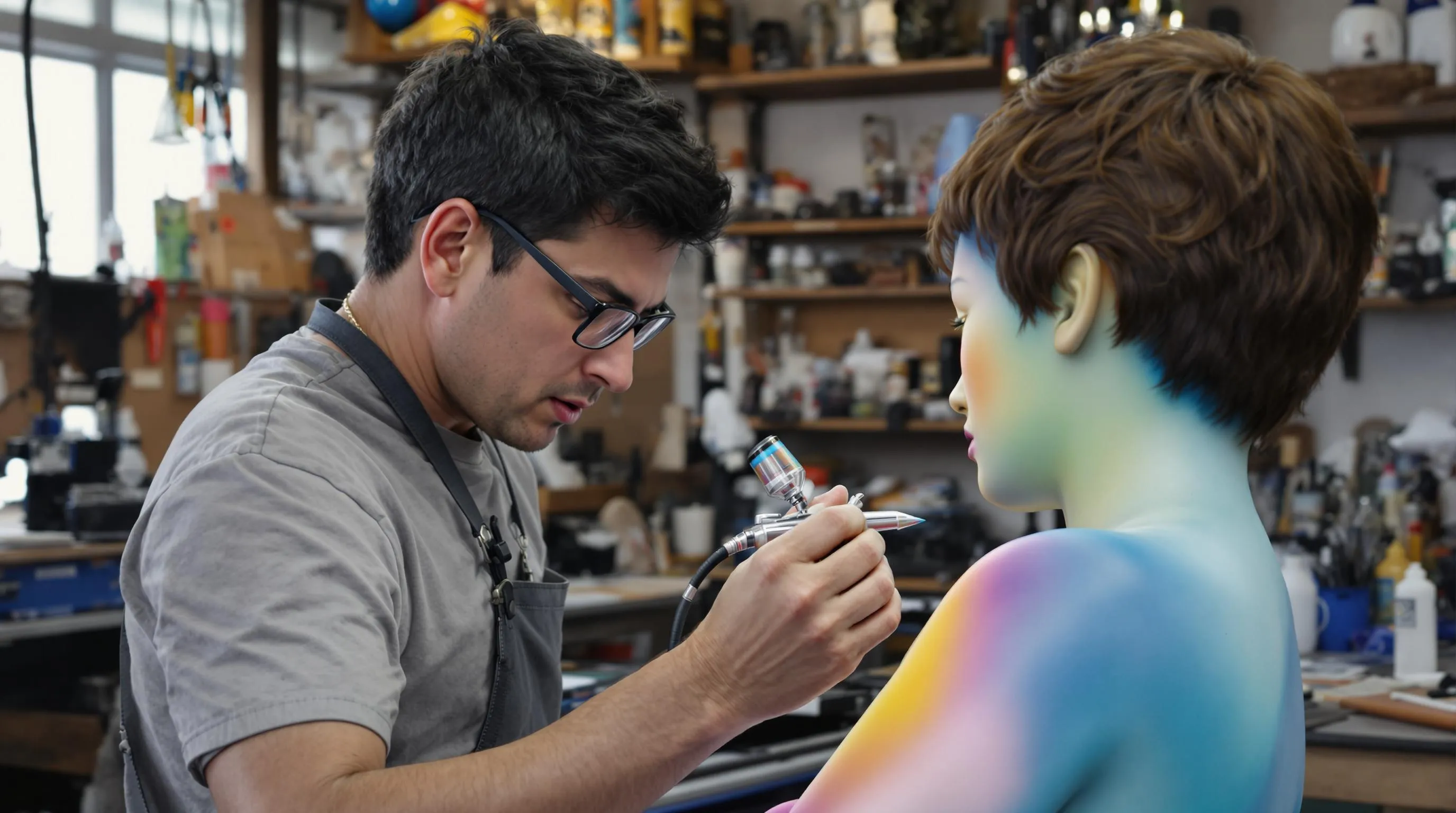
Focus on Mastering Fundamentals
Begin by perfecting basic techniques such as even primer application and zenithal highlighting, which simulates natural light on models. Consistent basecoating helps develop trigger control and paint flow understanding, laying the groundwork for advanced skills.
Strategic Equipment Upgrades
Upgrade your tools as your skills improve. The Harder & Steenbeck Evolution and Iwata Eclipse HP-CS offer enhanced precision for intricate projects. The GSI Creos PS-771 with a 0.3 mm nozzle provides finer detail capabilities. Upgrade only when your technique justifies it to avoid unnecessary expenses.
Refining Your Technique
Use thinner paint mixtures and lower PSI (12-20) for controlled application on detailed areas. Maintain rigorous cleaning routines to prevent clogs, especially when working with finer nozzles.
Exploring Intermediate Skills
Practice freehand gradients, stencil work, masking, and color modulation to expand your creative range and reinforce foundational skills.
Investing in Supportive Accessories
Enhance your setup with moisture traps, quick-release connectors, and multiple paint cups to streamline workflow and reduce technical frustrations.
Selecting the Perfect Airbrush for Your Craft
Choosing the right starter airbrush doesn’t have to be complicated. Prioritize models that are easy to use yet offer room for growth. A gravity-fed, dual-action airbrush with a 0.3 mm nozzle is an excellent starting point.
Complement your airbrush with a quality compressor and cleaning supplies to ensure smooth operation and longevity. With the right tools and care, you’ll be creating stunning airbrush art in no time.
Enjoy your airbrushing journey!
Frequently Asked Questions
What is airbrushing and how does it work?
Airbrushing is a painting method that uses compressed air to atomize and spray paint or other liquids through a fine nozzle. This allows for precise control over paint application, enabling detailed work, smooth gradients, and consistent coverage that traditional brushes can’t easily achieve.
What’s the difference between single-action and dual-action airbrushes?
Single-action airbrushes control only airflow, with paint flow preset manually. Dual-action airbrushes let you control both air and paint flow simultaneously-pressing down controls air, pulling back controls paint. Dual-action offers greater precision but requires more practice, making it the preferred choice for serious beginners.
Should beginners choose gravity-fed or siphon-fed airbrushes?
Gravity-fed airbrushes are generally better for beginners due to lower air pressure requirements, better control, and easier cleaning. Siphon-fed models are suited for larger projects but can be more complex to manage. Gravity-fed models like the Iwata Neo or Badger Patriot 105 are excellent starting points.
What nozzle size is best for beginners?
A 0.3 mm nozzle is ideal for beginners, offering a balance between fine detail and coverage. Smaller nozzles (0.2 mm) provide finer lines but clog more easily, while larger nozzles (0.5 mm) cover more area but with less detail.
What compressor features should beginners look for?
Look for oil-free compressors with adjustable PSI (15-30 PSI), moisture traps to prevent water contamination, quiet operation, and preferably a tank for steady airflow. Auto-shutoff features add safety and convenience.
How much should beginners expect to spend on a quality airbrush?
Quality beginner airbrushes typically cost between $50 and $100. Mid-range models range from $100 to $200, while premium kits exceed $200. Complete starter kits with compressors usually fall between $80 and $250. Budget options under $50 exist but may lack durability.
What maintenance routine is essential for airbrushes?
Essential maintenance includes cleaning immediately after use, weekly deep cleaning, using properly thinned paints, regular lubrication, proper storage, and inspecting nozzles and needles for damage. Consistent care prevents most common issues and extends airbrush life.
How can I fix a clogged airbrush?
Increase air pressure to 30-40 PSI and run cleaner through the airbrush. If needed, disassemble and soak parts in cleaner, using brushes or reamers carefully. Ultrasonic cleaners can help with stubborn clogs. Prevent clogs by thinning paint properly and cleaning after each use.
What causes sputtering or inconsistent spray patterns?
Sputtering is caused by improper paint thinning, dried paint in the nozzle, damaged needles, incorrect air pressure, or loose nozzle connections. Fix by adjusting paint consistency, cleaning thoroughly, checking needle condition, setting correct air pressure (usually 15-25 PSI), and tightening components.
When should beginners upgrade their airbrush equipment?
Upgrade when you’ve mastered basic techniques like smooth basecoats and gradients, feel limited by your current gear, and maintain your equipment well. This usually occurs after consistent practice. Consider models like the Harder & Steenbeck Evolution or Iwata Eclipse for enhanced performance.