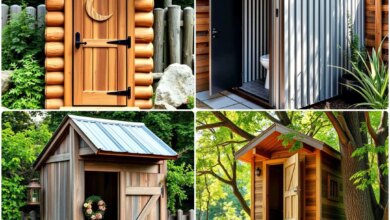
The school courtyard is far more than just an open area-it serves as a dynamic platform for creativity, education, and social interaction. Whether designed as an energetic playground or a serene garden, a thoughtfully crafted courtyard extends the classroom outdoors, nurturing both academic growth and recreational enjoyment. These spaces offer students a chance to connect with nature, collaborate on projects, and enhance their well-being. By implementing innovative school courtyard ideas, schools can revitalize neglected areas into inspiring environments for exploration, learning, and community building.
Creating Engaging Outdoor Classroom Spaces
Transforming a courtyard into an outdoor classroom merges nature with education in a seamless way. Furnish the area with flexible seating options such as portable desks, benches, or natural log stools placed under shaded canopies. Incorporate teaching aids like chalkboards, whiteboards, or mobile projectors to support diverse lesson formats. This open-air environment sparks creativity, encourages teamwork, and promotes experiential learning. It’s an excellent setting for environmental studies, offering a refreshing alternative to conventional indoor classrooms and turning the courtyard into a vibrant learning hub.
Interactive Gardens: A Living Classroom
Introducing a courtyard garden filled with native flora, colorful perennials, and small trees creates a lively and educational green space. Raised garden beds or vertical planters can make gardening accessible and visually engaging. This garden becomes a hands-on classroom for biology, ecology, and sustainability lessons. Students learn about biodiversity, plant life cycles, and environmental responsibility while actively participating in the care and growth of the garden.
Amphitheater Seating for Community and Collaboration
Incorporate tiered or circular amphitheater-style seating crafted from natural materials like stone or wood to create a versatile gathering spot. This design is perfect for hosting performances, group discussions, or school assemblies under the open sky. Surrounding the seating with lush greenery or planters enhances the ambiance, making the space inviting and connected to the natural surroundings. Such a setup fosters interaction and maximizes the courtyard’s multifunctional potential.
Sensory Gardens and Interactive Water Elements
Design a sensory garden that stimulates all five senses by planting fragrant herbs such as rosemary and thyme, textured plants like lamb’s ear, and vibrant flowers. Complement this with tactile pathways, wind chimes, or gentle water features like splash pads or small fountains. These elements provide therapeutic benefits and inclusivity, catering to students with diverse needs. Additionally, interactive water installations can serve as educational tools to demonstrate concepts like the water cycle and conservation, while also offering a calming focal point within the courtyard.
Shaded Retreats for Year-Round Use
Install shade structures such as pergolas, tensile sails, or canopies made from durable, weather-resistant materials to create comfortable outdoor spaces protected from sun and rain. These shaded zones can host seating or activity areas, making the courtyard usable throughout the year. Combining functionality with aesthetic appeal, these shelters encourage students to gather, learn, or relax in a pleasant environment regardless of weather conditions.
Zones for Creativity and STEM Exploration
Dedicate sections of the courtyard to foster creativity and scientific inquiry. An outdoor art gallery featuring weatherproof frames, murals, or sculpture pedestals can showcase student artwork and inspire imagination. Meanwhile, a STEM activity area equipped with interactive installations like sundials, weather stations, or programmable robotics tables encourages hands-on experimentation and critical thinking. These spaces stimulate innovation and provide diverse learning opportunities beyond the traditional classroom.
Quiet Corners for Reading and Mindfulness
Designate a tranquil reading nook with cozy seating options such as hammocks, beanbags, or benches nestled among greenery. Stock the area with a variety of books to encourage leisure reading and intellectual curiosity. Nearby, an outdoor labyrinth made from stones or pavers can offer a meditative path for students to practice mindfulness and reduce stress. These peaceful retreats balance the courtyard’s active zones, supporting mental well-being and focus.
Promoting Physical Activity and Wellness
Incorporate a sports and activity section featuring equipment like mini basketball hoops, table tennis tables, or fitness stations. Use vibrant, slip-resistant flooring to ensure safety and visual appeal. This area supports physical education and recess activities, encouraging teamwork and healthy movement. Additionally, a playground with age-appropriate climbing structures, slides, and balance beams provides a fun outlet for energy and social interaction, complemented by nearby shaded seating for supervision and rest.
Environmental Stewardship Through Courtyard Features
Enhance the courtyard’s ecological value by establishing a butterfly habitat with pollinator-friendly plants such as milkweed, coneflowers, and lavender. Include shallow water sources and educational signage to teach students about pollination and ecosystem health. A rain garden planted with moisture-loving native species can manage stormwater runoff naturally while beautifying the space. These sustainable elements promote environmental awareness and hands-on learning about conservation practices.
Fostering Community Through Art and Social Areas
Create a community mural or wall where students, staff, and parents can collaborate on rotating artistic projects using weatherproof materials. This shared canvas encourages self-expression and school pride. Complement this with a picnic area furnished with durable tables, benches, and shade umbrellas, providing a welcoming spot for outdoor meals and socializing. These features strengthen community bonds and make the courtyard a lively social hub.
Additional Inspiring Courtyard Features
- Outdoor Stage: A simple wooden platform with seating and a backdrop offers a venue for performances and presentations, boosting student confidence and engagement in the arts.
- Greenhouse: A compact greenhouse supports lessons in sustainable agriculture, allowing students to cultivate herbs, vegetables, and flowers while exploring plant biology.
- Chess Garden: Large-scale chessboards and durable pieces provide a stimulating environment for strategic thinking and quiet recreation.
- Music Zone: Weatherproof instruments like drums, xylophones, and chimes invite students to experiment with sound and rhythm in a collaborative outdoor setting.
Conclusion: Transforming Courtyards into Dynamic Learning Environments
School courtyards possess immense potential to enrich educational experiences and cultivate a strong sense of community. By integrating versatile features such as outdoor classrooms, sensory gardens, and active play zones, these spaces become multifunctional areas that inspire creativity, learning, and social interaction. Thoughtful designs that blend natural elements with interactive installations cater to diverse student needs, promoting inclusivity, wellness, and environmental stewardship. Embracing these innovative school courtyard ideas can transform underused outdoor areas into vibrant centers of growth and connection.
Key Insights for Effective Courtyard Design
- Versatility: Design courtyards to serve multiple purposes, from learning and performances to play and relaxation.
- Nature Integration: Incorporate native plants, gardens, and habitats to foster environmental awareness and sustainability.
- Interactive Elements: Use water features, musical instruments, and art installations to engage students creatively.
- Accessibility: Ensure spaces are inclusive with accessible seating, sensory gardens, and quiet zones.
- Balance of Activity and Calm: Combine active sports areas with peaceful reading nooks and mindfulness paths.
- Customization: Tailor courtyard features to align with the school’s educational goals and community culture.
Steps to Enhance Your School Courtyard
- Assess Existing Conditions: Evaluate the current courtyard’s size, features, and potential for improvement.
- Gather Input: Engage students, educators, and staff to identify desired uses and priorities.
- Select Features: Choose ideas that complement the school’s mission, budget, and aesthetic preferences.
- Collaborate with Experts: Work with landscape designers, architects, and maintenance teams to develop a detailed plan.
- Emphasize Sustainability: Opt for eco-friendly materials, native plants, and water-saving designs.
- Plan for Upkeep: Establish maintenance routines to keep the courtyard safe, functional, and attractive over time.