
Few natural wonders captivate quite like trees adorned with luminous white bark, standing out vividly against their environment. From the delicate elegance of birches to the smooth allure of aspens, these trees introduce brightness and texture to forests, gardens, and urban landscapes alike. Their distinctive bark not only enhances their aesthetic charm but also symbolizes their ecological resilience and adaptability. Whether you admire the radiant glow of birch or the sleek finish of aspen, these 15 white-barked trees offer a refined touch to any outdoor space.
Elegant White-Barked Trees to Illuminate Your Landscape
1. Birch Trees (Betula Species)
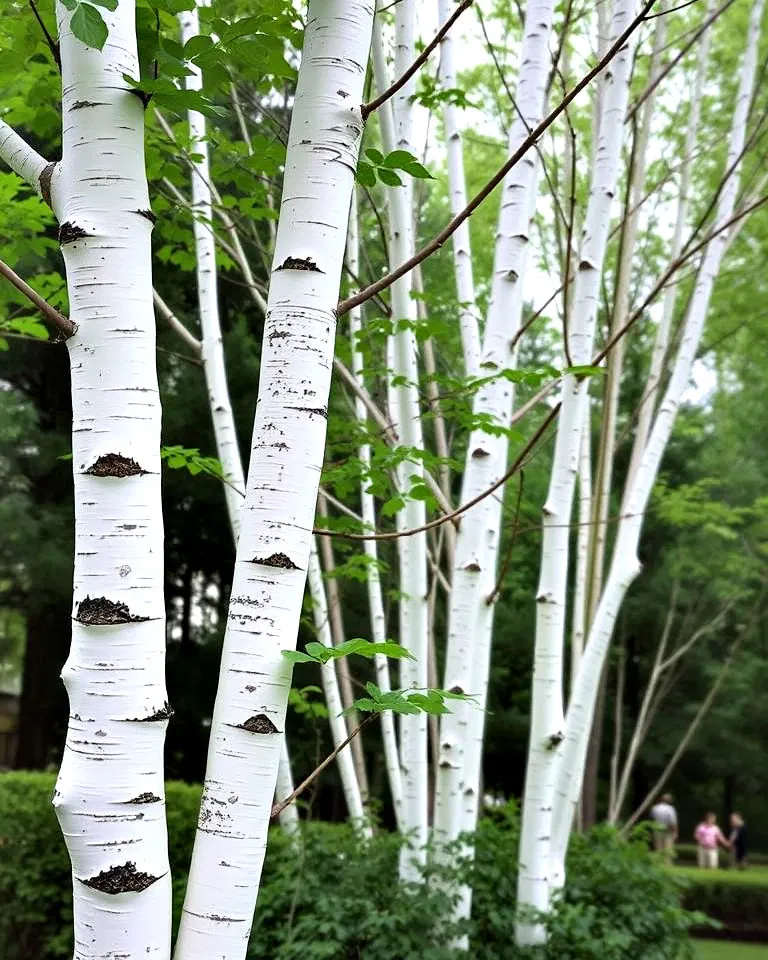
Birches are celebrated for their strikingly white, papery bark that peels away in thin layers, unveiling lighter hues beneath. The characteristic dark streaks create a natural contrast that enhances their visual appeal. Popular varieties such as the paper birch and silver birch flourish in temperate zones, making them excellent choices for lining walkways or accentuating garden beds. Their graceful form and bark texture bring both charm and functionality to outdoor settings.
2. Aspen Trees (Populus tremuloides)
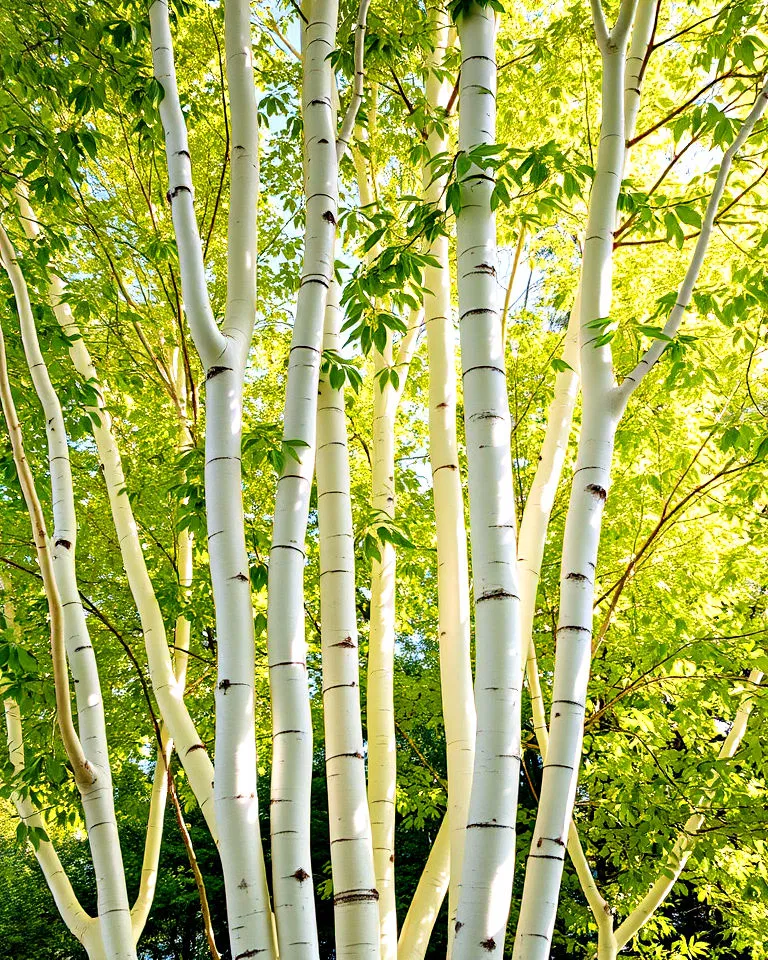
Known for their smooth, pale bark that seems to shimmer in sunlight, aspens thrive in cooler climates and often grow in dense groves. Their bark contains chlorophyll, allowing them to photosynthesize even during winter months. This fast-growing species adds a peaceful, dynamic element to expansive gardens or natural landscapes, creating a serene atmosphere with its gently trembling leaves.
3. Ghost Gum (Corymbia aparrerinja)
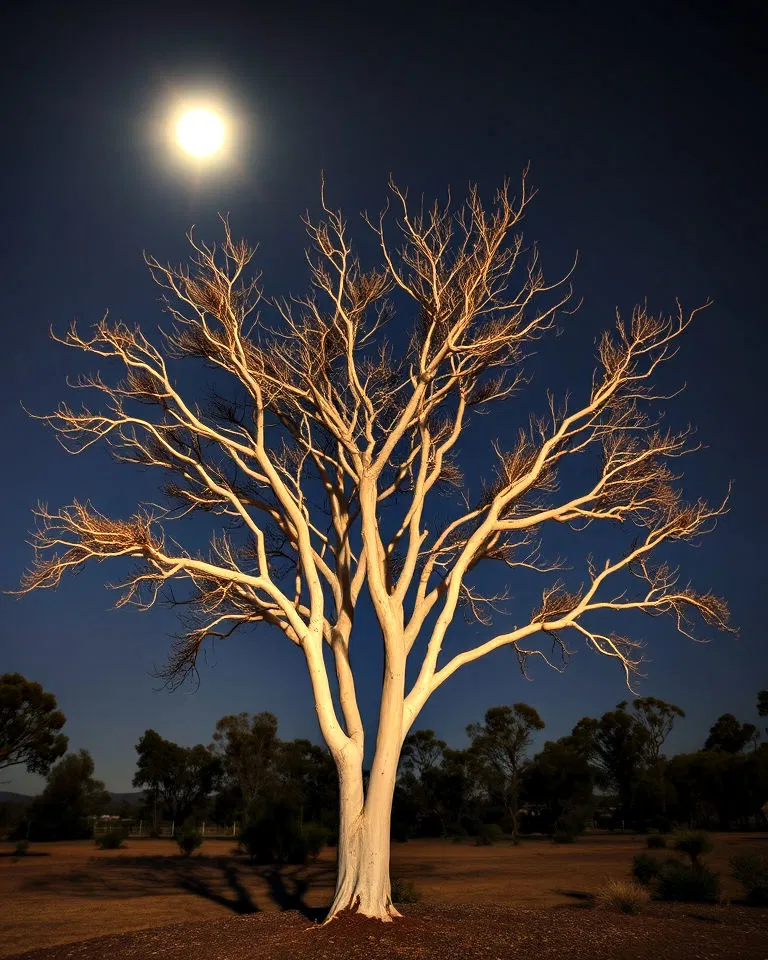
Native to the arid regions of Australia, the ghost gum stands out with its ethereal, smooth white bark that glows softly under moonlight. Its slender trunk and sparse canopy create a minimalist yet striking silhouette, perfect for xeriscaping or drought-resistant gardens. This tree exemplifies resilience and exotic beauty, making it a captivating focal point in dry landscapes.
4. White Poplar (Populus alba)
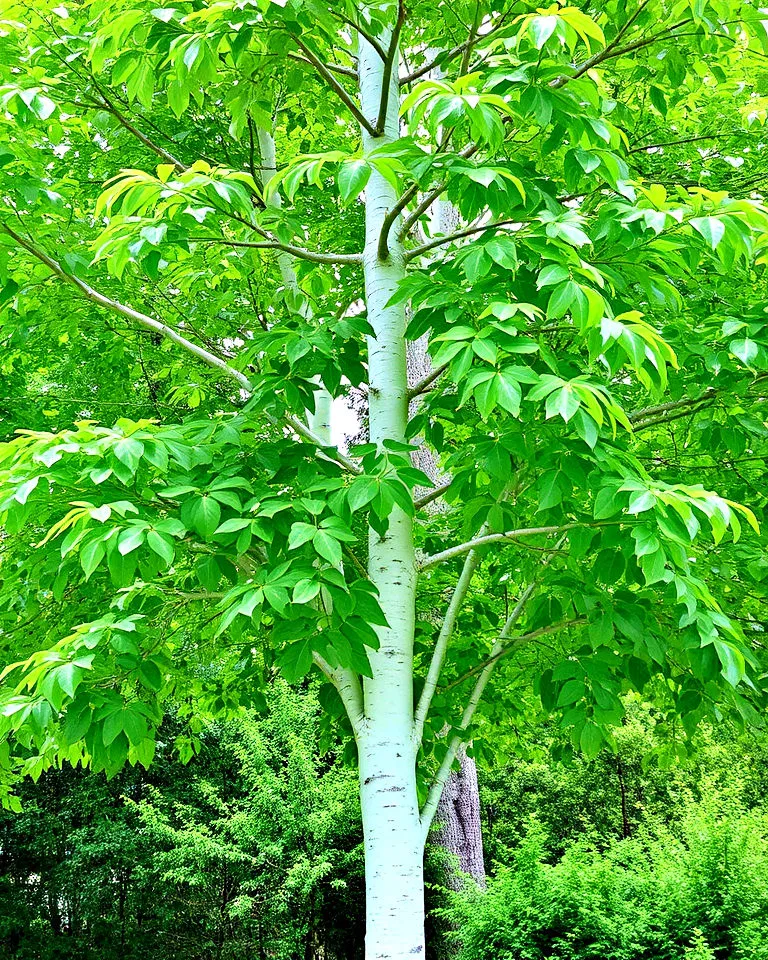
The white poplar is distinguished by its silvery-green foliage and textured white bark, often marked with subtle gray patterns that add depth. This fast-growing tree adapts well to a variety of soil conditions, making it suitable for large gardens or as a natural border along pathways. Its shimmering leaves and bright trunk provide year-round visual interest.
5. Sycamore (Platanus occidentalis)
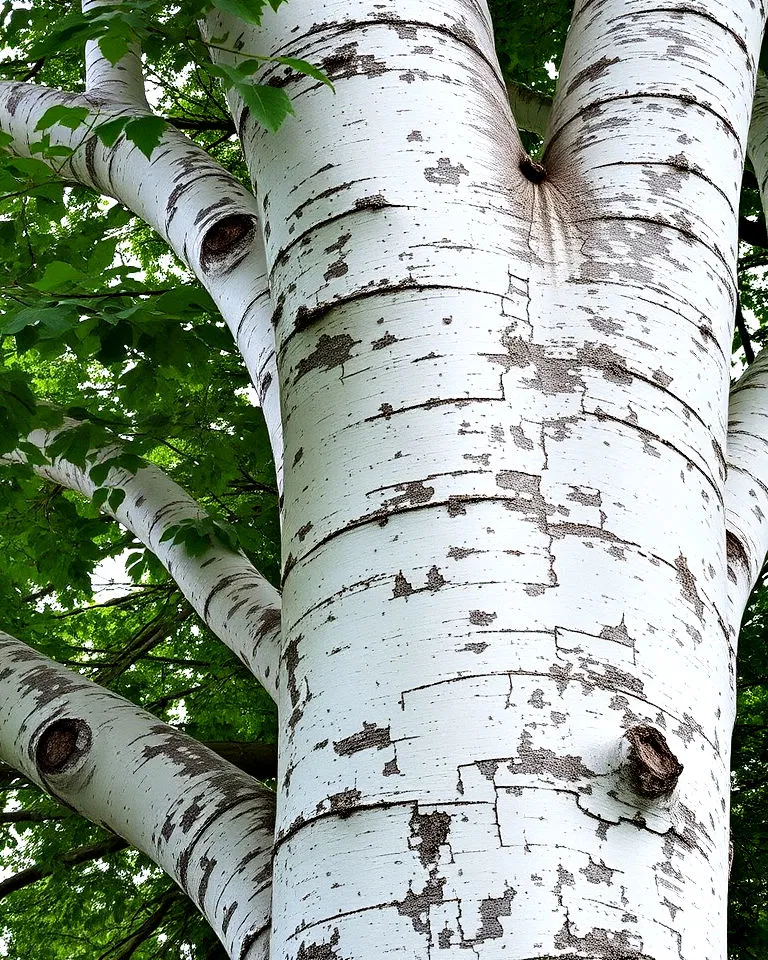
The sycamore tree is notable for its grand stature and distinctive bark that peels away in patches, revealing creamy white and gray mottling beneath. Commonly found near waterways and urban parks, sycamores offer generous shade and a commanding presence. Their textured bark adds character and a sense of history to any landscape.
6. Himalayan Birch (Betula utilis var. jacquemontii)
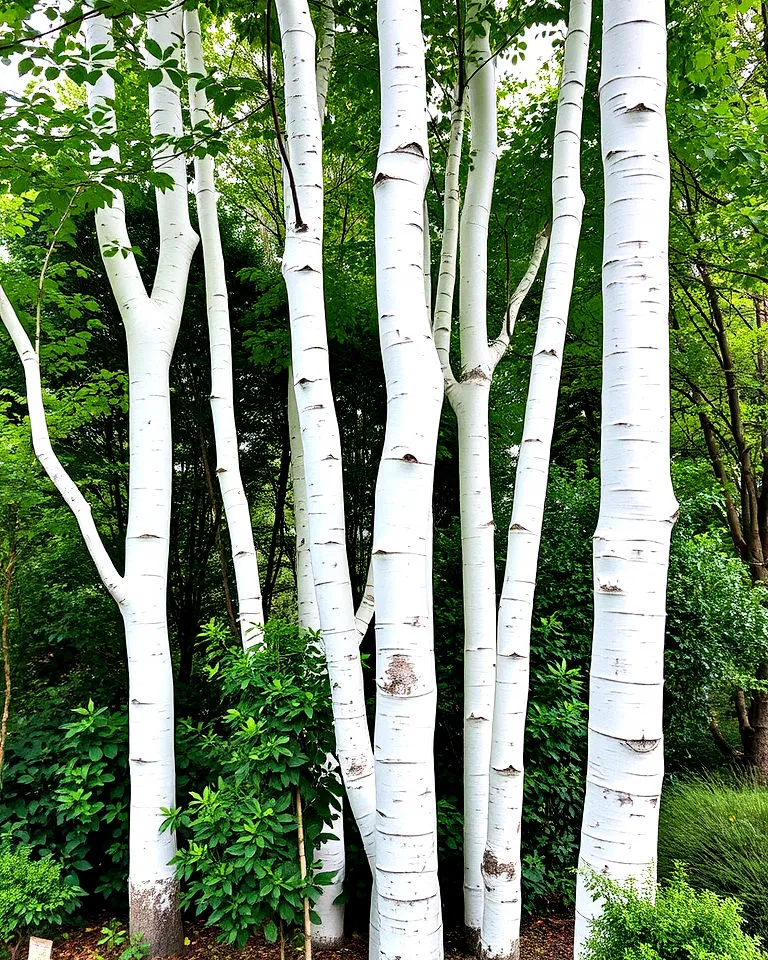
Originating from the lofty Himalayan ranges, the Himalayan birch features bright, snowy-white bark that peels in delicate, papery strips. Its radiant trunk contrasts beautifully with darker foliage, making it a prized specimen in temperate gardens. This birch adds a luminous quality to outdoor spaces, enhancing both light and texture.
7. Whitebark Pine (Pinus albicaulis)
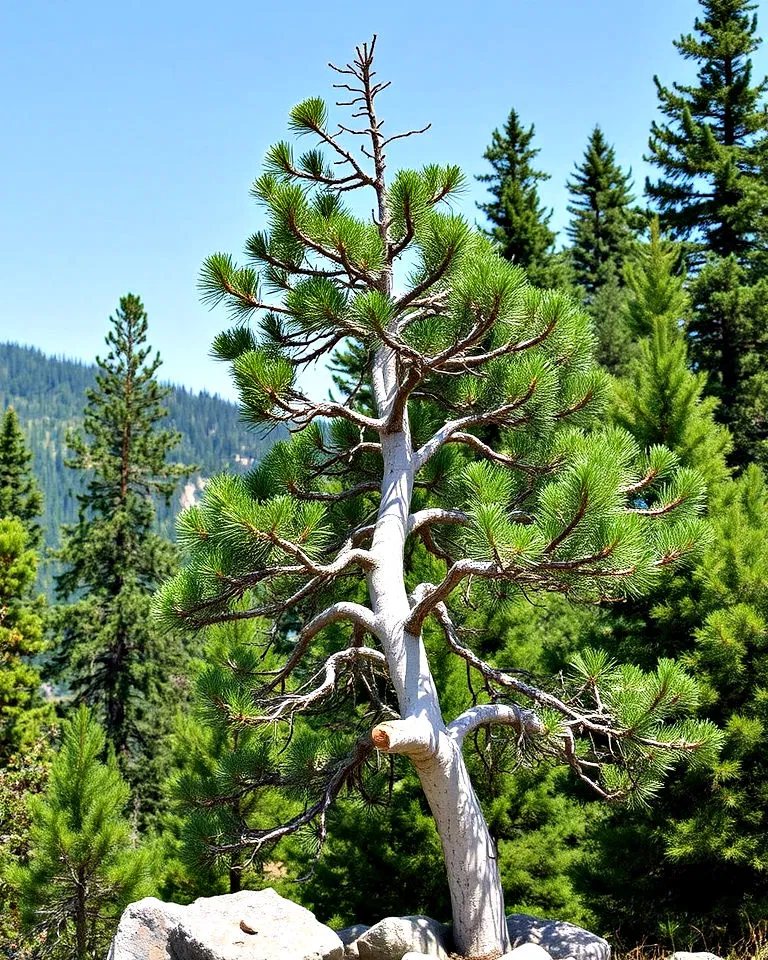
Thriving in high-altitude environments, the whitebark pine is recognized by its pale, rugged bark and gnarled trunk. This hardy conifer is well-suited for alpine gardens and rocky landscapes. Beyond its ornamental value, it plays a crucial ecological role by providing seeds that sustain various wildlife species, including birds and mammals.
8. Lacebark Pine (Pinus bungeana)
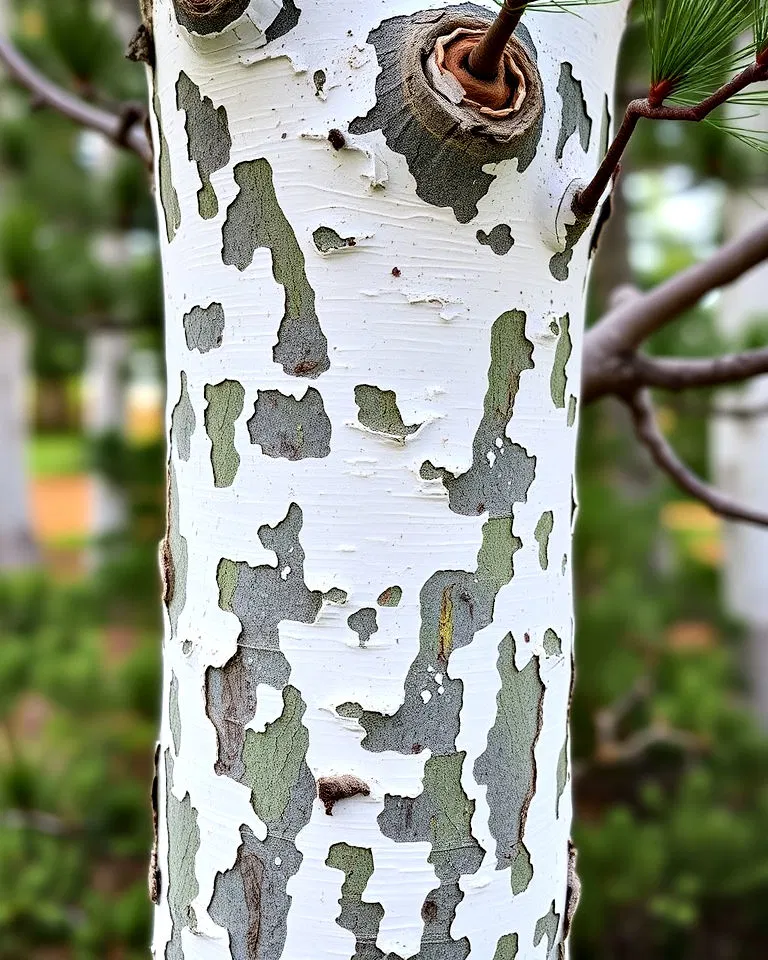
Originating from China, the lacebark pine is admired for its unique bark that exfoliates naturally, revealing a mosaic of white, green, and gray patches. This slow-growing tree is a long-lived ornamental favorite, adding artistic texture and visual intrigue to gardens and parks. Its distinctive trunk makes it a standout specimen for those seeking something truly exceptional.
9. Silver Maple (Acer saccharinum)
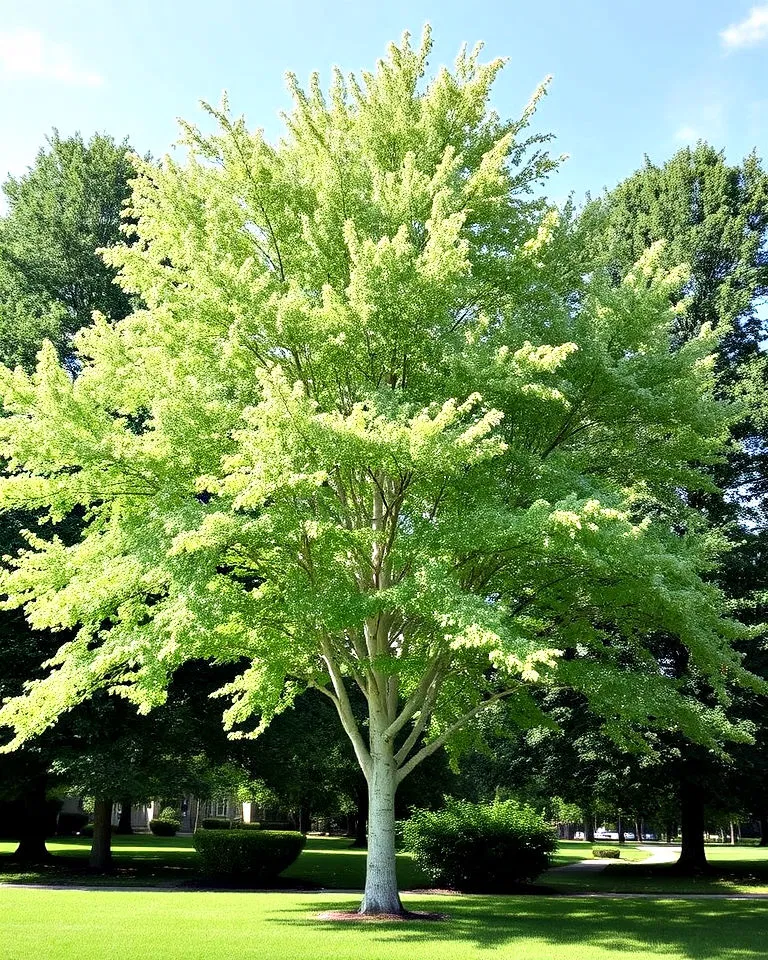
Commonly found along waterways and in urban environments, the silver maple is prized for its pale bark that gradually darkens and develops fissures with age. Its rapid growth and broad canopy provide excellent shade, making it a popular choice for large yards and city parks. The shimmering leaves add a graceful, lively element to any setting.
10. Snow Gum (Eucalyptus pauciflora)
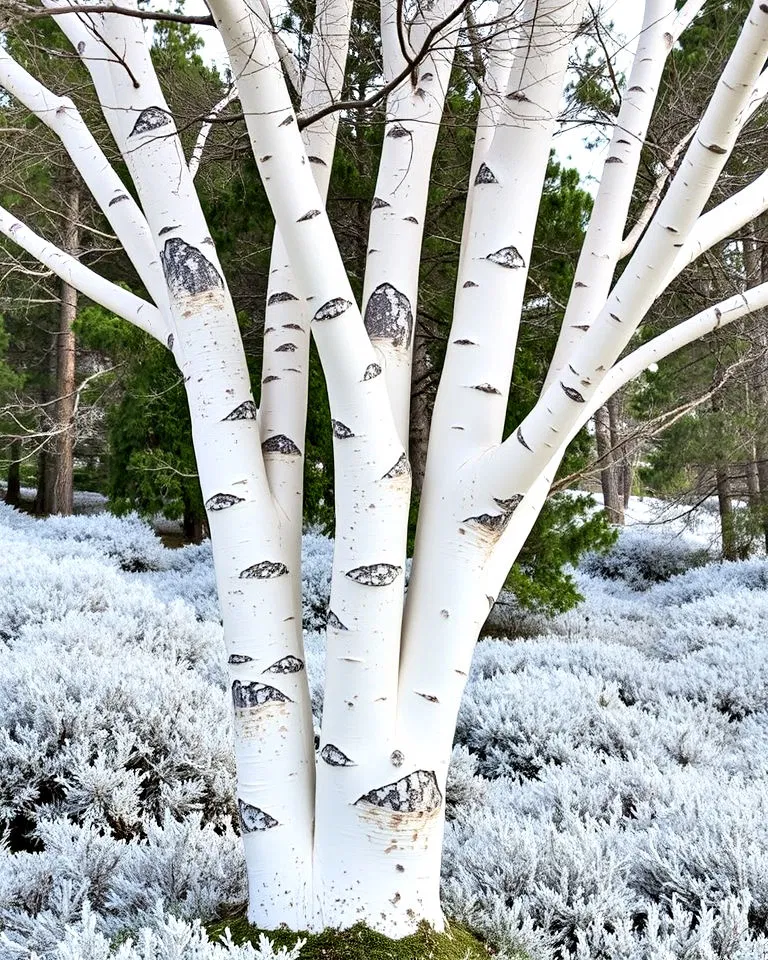
Adapted to cooler climates, the snow gum features smooth white bark streaked with gray and cream tones. Native to Australia, it thrives in alpine regions and is an excellent choice for gardens seeking year-round greenery. Its bark peels in patches, creating unique patterns, while its evergreen leaves maintain visual interest throughout the seasons.
11. Paperbark Maple (Acer griseum)
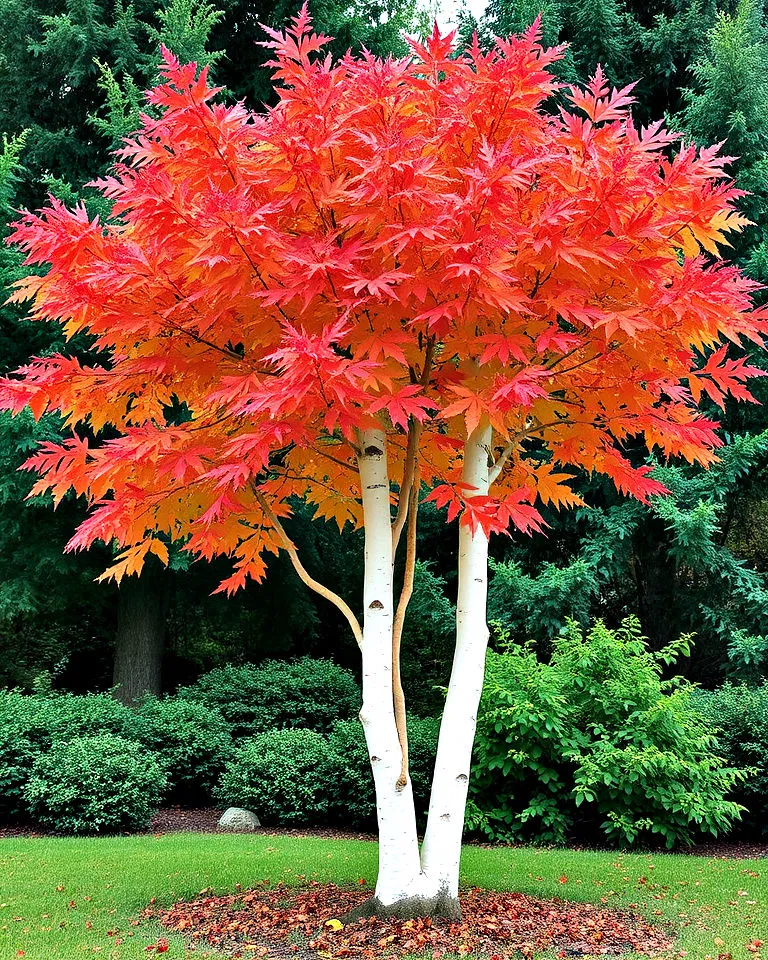
The paperbark maple is a small to medium-sized tree known for its peeling bark that reveals creamy white layers beneath rich cinnamon-colored underbark. Thriving in temperate zones, it is a favorite for ornamental gardens, offering year-round texture and subtle sophistication. Its bark pairs beautifully with lush green foliage, enhancing any garden design.
12. Quaking Aspen (Populus tremuloides)
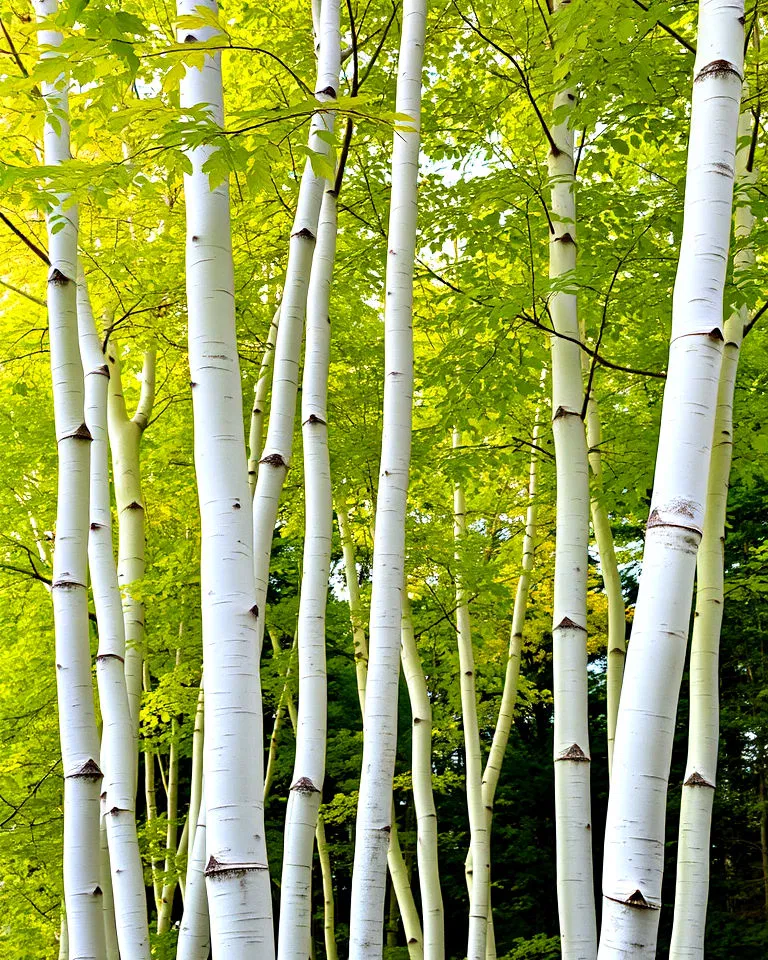
Famous for its shimmering, fluttering leaves, the quaking aspen features smooth, pale bark punctuated by occasional dark knots. This fast-growing tree thrives in groves, creating tranquil, cohesive landscapes. Its bark supports photosynthesis during colder months, enhancing its resilience in northern climates. The quaking aspen adds movement and lightness to both forested and private garden spaces.
13. European White Elm (Ulmus laevis)
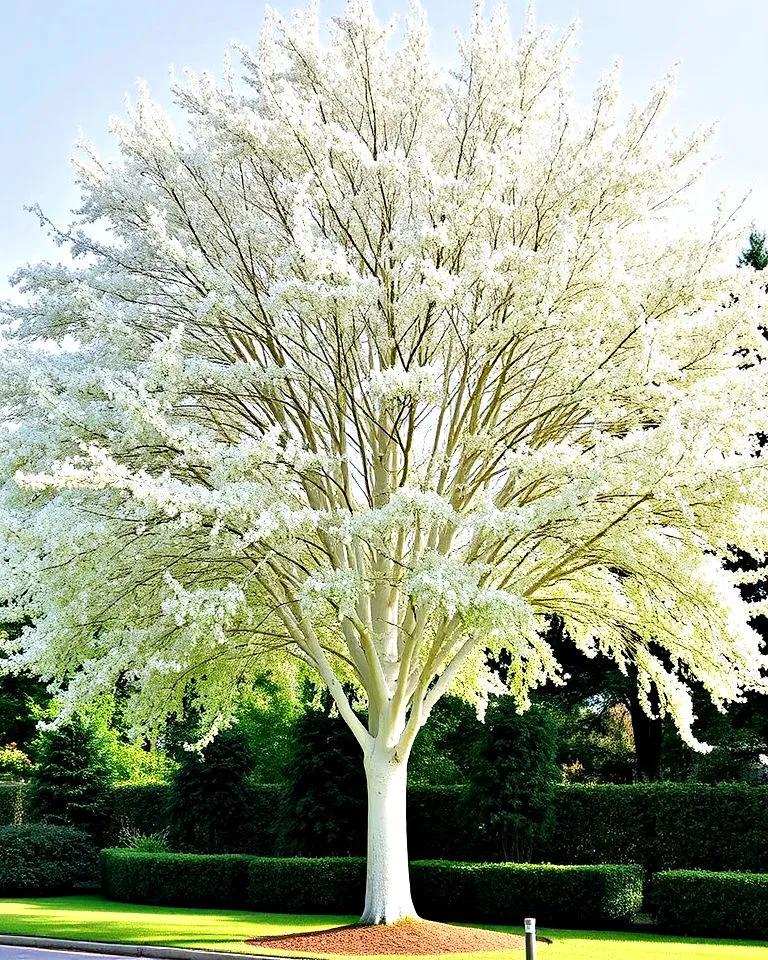
The European white elm boasts a smooth, silvery-white bark that matures into a textured cream surface. Known for its adaptability and durability, it thrives in diverse environments. Its elegant canopy and pale trunk make it a favored choice for lining avenues or serving as a striking solitary specimen, complementing both contemporary and traditional landscapes.
14. Silver Birch (Betula pendula)
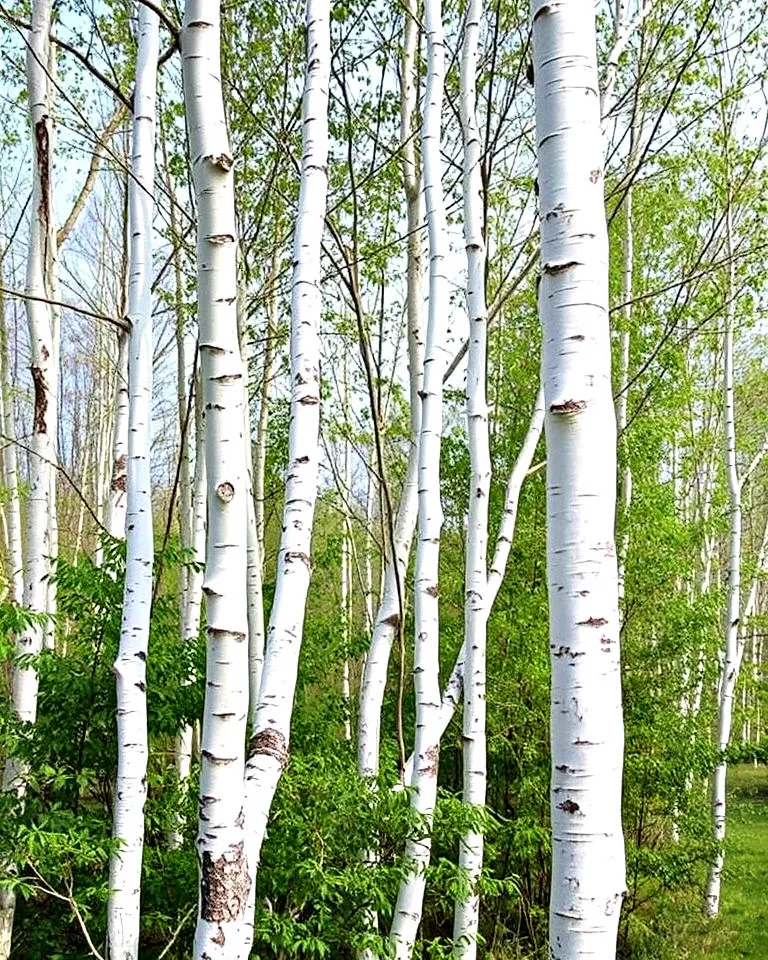
Silver birches are instantly recognizable by their bright white bark, often marked with black fissures that add striking contrast. Thriving in cooler climates, these trees bring a sense of lightness and airiness to gardens and parks. Their delicate branches and fluttering leaves enhance their ethereal presence. Fast-growing and adaptable, silver birches are both decorative and practical.
15. Japanese White Birch (Betula platyphylla)
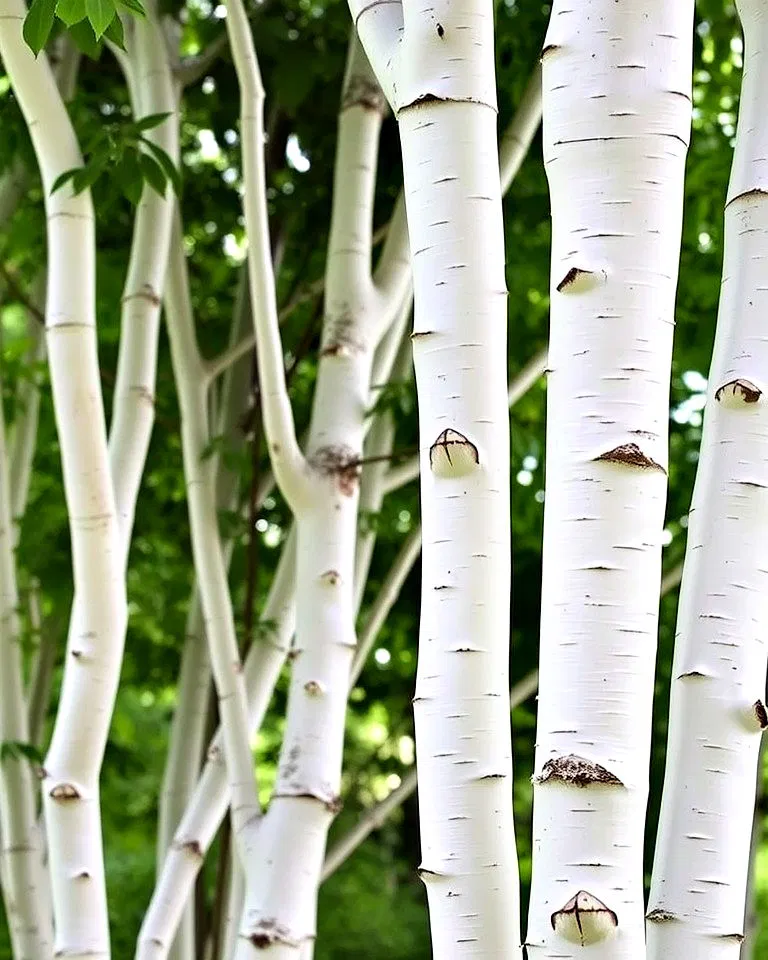
Native to Asia, the Japanese white birch features smooth, strikingly white bark accented with subtle horizontal lines. This ornamental tree thrives in temperate climates, where its tall, slender form adds vertical interest to gardens. Over time, its bark develops a creamy texture, making it a favored choice for creating natural focal points in both minimalist and traditional landscapes.
Summary: The Timeless Charm of White-Barked Trees
White-barked trees serve as living sculptures in nature, combining aesthetic beauty with remarkable resilience. From the classic birch to the exotic ghost gum, each species offers unique textures and hues that brighten and enliven outdoor spaces. These 15 white-barked trees are excellent choices for creating tranquil, visually stunning landscapes that captivate throughout the seasons. Select the ideal tree for your garden and enjoy the elegant glow they provide year-round.
Essential Insights
- Varied Options: From familiar birches to rare ghost gums, white-barked trees offer a wide range of textures and colors.
- Striking Visuals: Their bright bark creates eye-catching contrasts, serving as natural focal points in any landscape.
- Versatile Growth: Many species, including aspens and silver birches, adapt well to different climates and soil types.
- Ecological Importance: Trees like the whitebark pine support local wildlife by providing food and shelter.
- Year-Round Appeal: Their bark remains visually appealing even in dormant seasons, ensuring continuous landscape interest.
Next Steps for Garden Enthusiasts
- Assess Your Environment: Consider your garden’s size, climate, and soil before selecting a tree.
- Choose Wisely: Pick a species that aligns with your aesthetic goals and regional conditions.
- Strategic Placement: Position trees to maximize their visual impact, such as along walkways or as centerpieces.
- Mix and Match: Combine white-barked trees with other plants to create diverse and balanced landscapes.
- Maintain Properly: Learn about each tree’s care needs, including watering, pruning, and pest management, to ensure healthy growth.