With a passion for both journalism and design, I have long been fascinated by the intricate history embedded within Victorian interior design. Originating from the 19th century during Queen Victoria’s reign, this style epitomizes classic Victorian design and grandeur. Victorian style interiors serve as enduring tributes to an era that prized meticulous craftsmanship and a strong sense of cultural identity. These interiors are characterized by lavish furnishings, elaborate motifs, and a warm, inviting color scheme that collectively convey the elegance and refinement central to the Victorian decor style.
In my study of Victorian era home decor, I’ve observed how diverse influences-from Gothic Revival to Queen Anne-meld seamlessly to create a timeless aesthetic. This eclectic fusion produces a charm that remains captivating in modern interiors. Entering a room styled in this classic elegance feels like stepping into a rich historical narrative, surrounded by sumptuous beauty and tradition.
Understanding the Core of Victorian Interior Design
Diving into the world of Victorian era designs, one immediately senses the profound historical significance they carry. The Victorian period was more than a timeframe; it was a dynamic artistic movement marked by detailed ornamentation and cultural depth. The reign of Queen Victoria profoundly shaped the arts, including interior design, where homes became showcases of the period’s opulent tastes and sophisticated styles.
Historical Foundations and Royal Influence
The Victorian home interior reflects an age of transformation and affluence, where design became a medium to express technological progress and global cultural exchanges. Queen Victoria’s era blended various historical styles, resulting in a design language that remains timeless and monumental.
Signature Characteristics of Victorian Design
Exploring the hallmarks of Victorian style design, one is struck by the rich variety of Victorian design elements present. These interiors feature intricately carved woodwork, luxurious lace and velvet fabrics, and a profusion of decorative patterns. Together, these components vividly illustrate the era’s aesthetic values and social aspirations.
The Splendor of Victorian Living Areas
The grandeur of Victorian era designs is most evident in living spaces, where every detail exudes luxury. Sumptuous upholstery, heavy draperies, and ornate lighting fixtures combine to create an atmosphere of timeless elegance. These features not only highlight the enduring influence of Victorian aesthetics but also demonstrate the lasting appeal of carefully curated, grand interiors.
Key Elements Defining Victorian Interiors
Delving further into Victorian decor, the intricate craftsmanship and refined elegance become unmistakable. This style is an artistic expression marked by deep, dark wood finishes that evoke stories from a bygone era. These rich tones contrast beautifully with the clean lines and simplicity favored in contemporary design, creating a harmonious blend of old and new.
In my work with Victorian architecture, I emphasize the balance between traditional grandeur and modern practicality. I select regal color schemes that accentuate architectural details, complemented by contemporary accents to ensure the historical charm coexists with today’s lifestyle needs. Accessories-whether sleek lamps or subtly patterned rugs-play a vital role in narrating the room’s story, enhancing the Victorian aesthetic without overwhelming the space.
- Drawing rooms often feature elaborate wood carvings and plush fabrics, fostering an inviting atmosphere for social gatherings.
- Bedrooms reflect the era’s elegance with draped four-poster beds and finely embroidered linens, offering a serene retreat.
Every room within a vintage Victorian home design maintains a connection to the past while accommodating modern living. This approach honors the craftsmanship of the era, integrating it seamlessly into contemporary interiors. My goal is to preserve and celebrate Victorian qualities, ensuring they remain vibrant in today’s homes.
Timeless Victorian Color Schemes
Exploring the Victorian decorating style, the distinctive color palettes stand out as a defining feature. The rich hues that dominated the era continue to inspire sophisticated interiors worldwide.
Deep Jewel Tones and Luxurious Shades
The essence of Victorian design is incomplete without its hallmark jewel tones. I often admire how deep burgundy, emerald green, and sapphire blue create a warm, inviting ambiance. These colors embody the Victorian preference for atmospheric luxury and classic elegance, enveloping spaces in historical richness.
Balancing Neutrals with Vibrant Accents
In my experience, pairing neutral shades with vivid accents brings harmony and sophistication to Victorian palettes. Creams and beiges serve as active backdrops, enhancing the lush textures of velvet and brocade. The use of floral and paisley patterns in wallpapers and draperies adds depth and complexity, reflecting the intricate, layered approach characteristic of this enduring style.
Decorative Details and Antique Treasures
Reflecting on the lavish designs that define Victorian style interiors, it’s evident that the grandeur of the era is closely tied to the thoughtful selection of decorative accents and antiques. These elements are not mere embellishments but integral threads in the rich fabric of a Victorian era-inspired interior.
Heirloom Furniture and Timeless Pieces
At the heart of elegant Victorian interiors lies antique furniture. These heirloom items transcend functionality, serving as storytellers of the Victorian era. From intricately carved mahogany bookcases to velvet-upholstered chaise lounges, each piece adds historical depth and character to the living space.
Sumptuous Fabrics and Ornate Wall Coverings
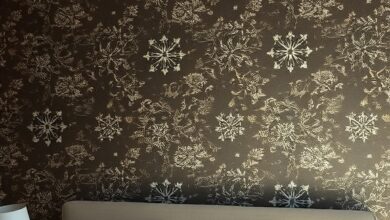
Richly patterned textiles and wall coverings are essential in enhancing the Victorian ambiance. Carefully chosen floral tapestries and fabrics, often adorned with tufting and gilded threads, imbue rooms with warmth and aristocratic flair. Elaborate wallpapers transform walls into visual narratives of a luxurious past.
Stained Glass and Period Artworks
Stained glass windows showcase exquisite craftsmanship, casting colorful light that animates the room and reflects Victorian artistry. Likewise, period paintings framed in gilded moldings grace walls, paying tribute to the era’s artistic heritage and lending a gallery-like sophistication to the home.
Architectural Grandeur in Victorian Interiors
Exploring Victorian houses interior design reveals a wealth of architectural detail that enriches period homes. The defining traits of Victorian style interior design go beyond decoration, telling stories of an era that celebrated artisanal skill and meticulous attention to detail. Walking into a room adorned with ornate Victorian decor feels like hearing whispers of history and tradition.
Key architectural features include majestic ceiling medallions that crown rooms, expansive windows that flood spaces with natural light highlighting intricate moldings, and the refined elegance of wainscoting that elevates the overall aesthetic. These elements stand as testaments to the Victorian era’s dedication to design as both craft and passion.
Gothic Revival influences appear in pointed arches and detailed tracery, while Queen Anne styles introduce gentle curves and softer color schemes, adding romantic touches to living areas. The presence of textured wallpapers and ornate chandeliers further enhances the luxurious atmosphere.
- Impressive turrets and bay windows
- Delicate woodwork and intricate tracery
- Use of varied materials to create tactile richness
- Antique furnishings as historical artifacts
- Plush carpets complementing detailed wall patterns
Each design element contributes to a cohesive sense of magnificence. Experiencing a Victorian-inspired interior is like journeying through history, where every detail reveals a new chapter of grandeur. Contemporary interpretations continue to draw inspiration from the authenticity and character that only time-honored design can offer.
Blending Victorian Charm with Modern Living
Integrating modern Victorian interior design into today’s homes requires a delicate balance between historical opulence and contemporary practicality. By selecting Victorian decor styles that honor the past while meeting modern needs, we craft elegant interiors that feel both nostalgic and functional. This fusion respects the Victorian legacy while embracing the comfort and simplicity desired in contemporary Victorian design.
Incorporating Victorian Sophistication into Modern Comfort
With a keen eye for detail, I weave Victorian elegance into modern conveniences by choosing soft, muted color schemes inspired by the era that harmonize with today’s sleek technology and comfort. Thoughtful fabric and texture choices evoke the lavishness of the past without compromising ease of living. This blend bridges the gap between historical allure and contemporary lifestyle demands.
Refreshing Classic Victorian Furnishings for Today
Giving classic Victorian furniture a modern update is another strategy I use to keep these pieces relevant. For example, reupholstering an antique Victorian chaise with contemporary textiles injects fresh energy while preserving its timeless charm. Such contrasts enrich the design narrative, creating a dialogue between eras that appeals to discerning tastes. Every item is chosen for both beauty and function, ensuring the Victorian decor style thrives alongside modern minimalism and efficiency.
Frequently Asked Questions
What defines Victorian interior design?
Victorian interior design is distinguished by its refined elegance and intricate detailing, featuring luxurious furnishings, rich color palettes, and ornate moldings. It reflects the grandeur and sophistication of the Victorian era, incorporating classic Victorian design elements such as wainscoting and decorative trims, alongside era-appropriate Victorian decor styles.
How did Queen Victoria influence Victorian interior design?
Queen Victoria’s reign ushered in a period of innovation and cultural shifts, which were mirrored in interior design. Her influence fostered a blend of styles including Gothic Revival, Rococo Revival, and Renaissance Revival, contributing to the rich and diverse aesthetics that define Victorian interiors.
What are the key features of Victorian design aesthetics?
Key features include elaborate Victorian decor, complex patterns, luxurious textures, and a palette of deep, rich colors. Architectural details such as ceiling medallions, decorative moldings, and dark wood finishes enhance the grandeur. The style also embraces a fusion of historical influences, creating a visually rich and storied environment.
What are the typical color palettes used in Victorian interior design?
Victorian era designs often showcase dramatic jewel tones such as deep burgundy, emerald green, and sapphire blue, which create a warm and opulent atmosphere. These are balanced with neutral shades like creams and beiges that highlight the intricate textures and patterns, embodying the classic elegance of the Victorian decorating style.
How important are antiques in Victorian style interiors?
Antiques are central to Victorian style interiors. From antique furniture to heirloom pieces, they bring authenticity and historical depth. These are complemented by rich textiles, stained glass, and period artwork, all contributing to the refined ambiance reminiscent of the Victorian era.
Can you describe the architectural features seen in Victorian style interiors?
Victorian houses interior design is marked by ornate architectural details such as expansive windows, high ceilings, decorative wainscoting, and moldings. Features like turrets and bay windows further enhance the Victorian style interior, reinforcing the ornate Victorian decor that defines the era.
How do you modernize Victorian interior design without losing its classic charm?
Modernizing Victorian interiors involves balancing historic elegance with contemporary needs. This can be achieved by blending Victorian sophistication with modern comforts, selecting updated color schemes and fabrics, and incorporating sleek, functional furniture alongside traditional pieces. The result is a contemporary Victorian design that maintains the ornate beauty of the past while offering today’s convenience.
What are some modern takes on classic Victorian furnishings?
Contemporary interpretations of Victorian furnishings include reupholstering antiques with modern fabrics, pairing Victorian sofas with minimalist coffee tables, and using updated lighting that complements traditional decor. These approaches refresh elegant interiors and allow the timeless appeal of Victorian decor style to thrive in modern homes.