Imagine standing in your kitchen. The counters gleam, appliances hum reliably, yet the walls remain bare-empty expanses of uninspired paint. Instead of feeling warm and inviting, the space resembles a sterile lab, functional but soulless. It’s a room for chores, not a sanctuary for living.
That sense of emptiness is what distinguishes a thoughtfully designed home from a mere collection of belongings. Your kitchen should be more than a food prep area; it should be a nurturing environment that reflects your personality. The walls aren’t just structural-they’re blank canvases ready to showcase your style and creativity. Let’s dive into transforming your kitchen walls into a vibrant, functional backdrop that energizes your daily routine.
Strategic Preparation: Crafting the Perfect Kitchen Wall Design (Step One)
Before you rush to hang art or splash on paint, it’s essential to lay a solid foundation. Just as you wouldn’t plant a sun-loving flower in the shade, decorating your kitchen walls requires thoughtful planning. Randomly adding elements can lead to a disjointed and impractical space. Careful preparation saves time, money, and frustration.
Begin by evaluating your current kitchen style, setting a realistic budget, and honestly assessing how you use the space. This foundational work might seem mundane, but it’s crucial for creating a kitchen that’s both stunning and functional.
1. Analyze Your Kitchen’s Existing Aesthetic and Color Scheme
A common pitfall is purchasing decor that clashes with your kitchen’s established look. Your kitchen already speaks through its cabinetry, countertops, and flooring. Is the vibe cozy and rustic, sleek and contemporary, or somewhere in between? Take time to observe the existing colors and textures.
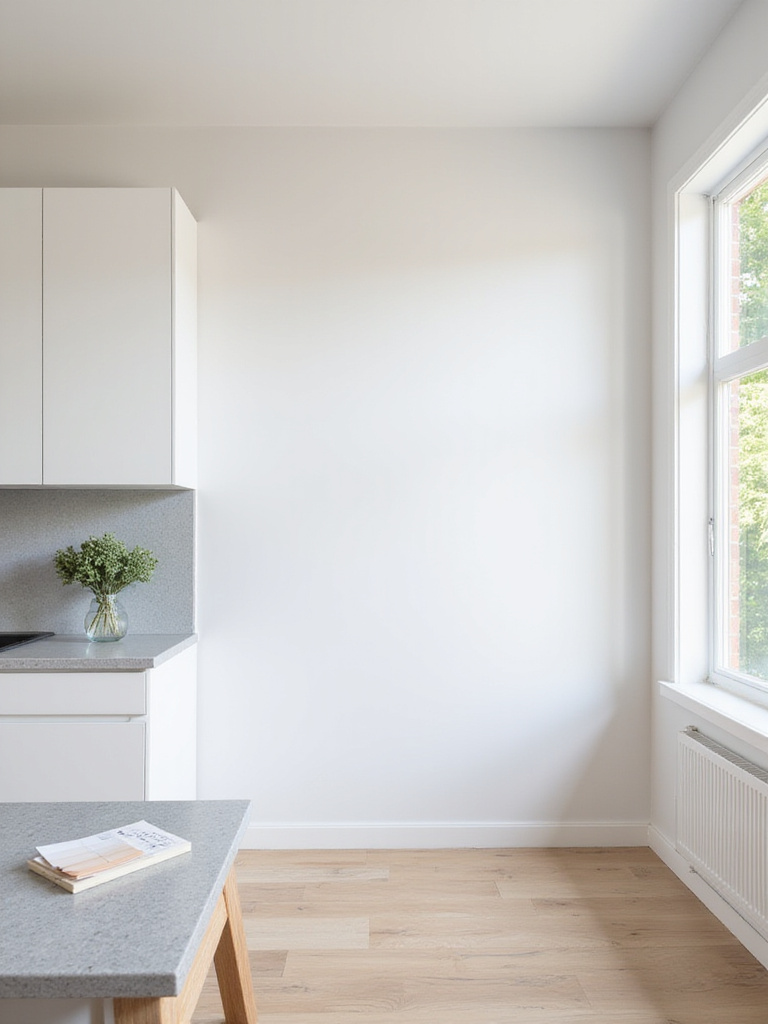
Rather than matching everything exactly, aim for a harmonious blend-like companion plants that thrive together. For example, if your cabinets are warm-toned wood, pairing them with cool metals might feel off. Instead, consider accents in terracotta or brushed brass to complement the warmth. Snap photos at different times of day to catch subtle undertones. This quick exercise helps your space feel cohesive and professionally curated.
2. Establish a Clear Budget to Direct Your Choices
Discussing finances upfront can be uncomfortable, but it’s vital. Without a budget, you risk overspending on a single item and compromising the rest of your design. Setting a spending limit empowers you to make savvy, creative decisions.
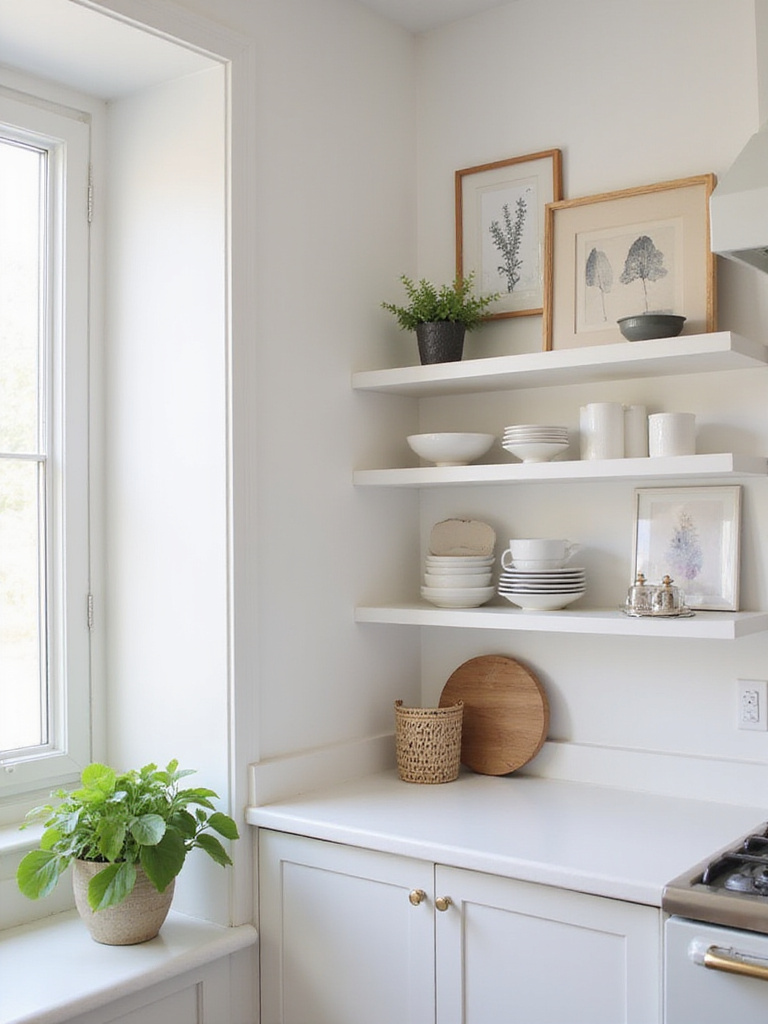
Once you know your budget, prioritize. Maybe a pricey art piece is out of reach, but a high-quality print of botanical illustrations, framed in a thrifted frame, can deliver similar charm at a fraction of the cost. A budget isn’t a limitation-it’s a roadmap guiding you to impactful, meaningful choices.
3. Identify High-Use and Mess-Prone Areas to Choose Durable Materials
The kitchen is a busy workspace where spills and splashes are inevitable. Walls near the stove and sink endure the most wear and require resilient finishes. Consider materials like ceramic tile, tempered glass backsplashes, or washable paints in these zones.
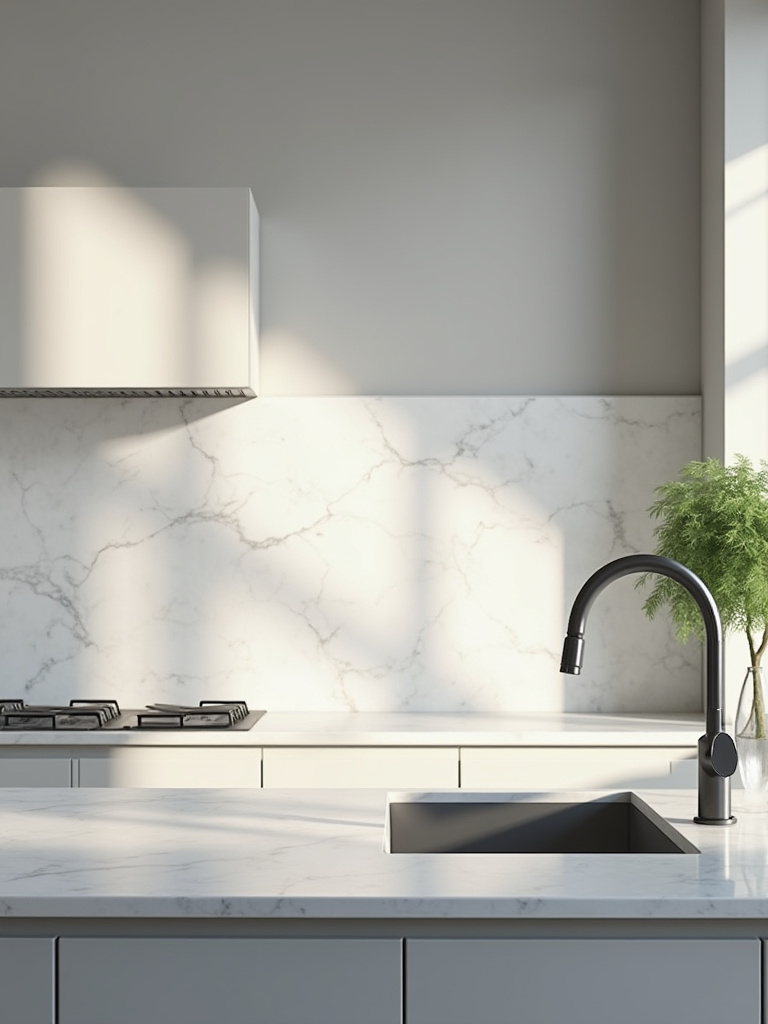
For walls adjacent to high-traffic paths-like near trash bins or doorways-opt for surfaces that withstand frequent cleaning without damage. Avoid delicate finishes in these spots. Practicality ensures your kitchen remains beautiful and functional over time.
4. Factor in Natural Lighting to Select Complementary Colors
Lighting dramatically influences how colors appear. A paint shade that looks vibrant online might seem dull in a north-facing kitchen with cooler light. Conversely, a west-facing kitchen bathes in warm afternoon sun, altering color perception.
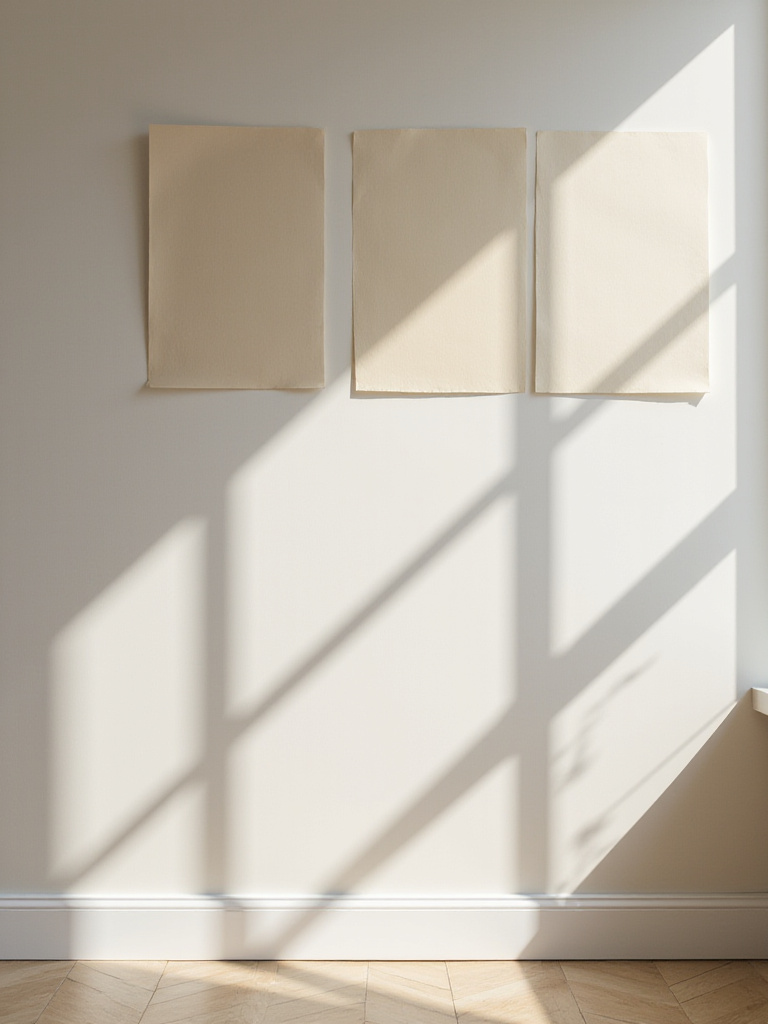
Test paint samples on your walls and observe them throughout the day. This is especially important if you plan to grow herbs on shelves or windowsills, as the same light that nurtures plants will affect your wall colors. Embracing your kitchen’s natural light creates a balanced, lively atmosphere.
Deepening Your Design: Understanding Kitchen Flow and Function (Step Two)
With the basics in place, it’s time to delve into how your kitchen operates. A visually stunning kitchen that hinders your workflow is frustrating. By mapping your movements and needs, you ensure every decorative element enhances your daily routine.
5. Chart Your Kitchen Workflow to Optimize Decor Placement
Before drilling holes, simulate your kitchen activities. Open cabinets, use appliances, and move through your prep zones. Identify where doors swing and where you stand or pivot.
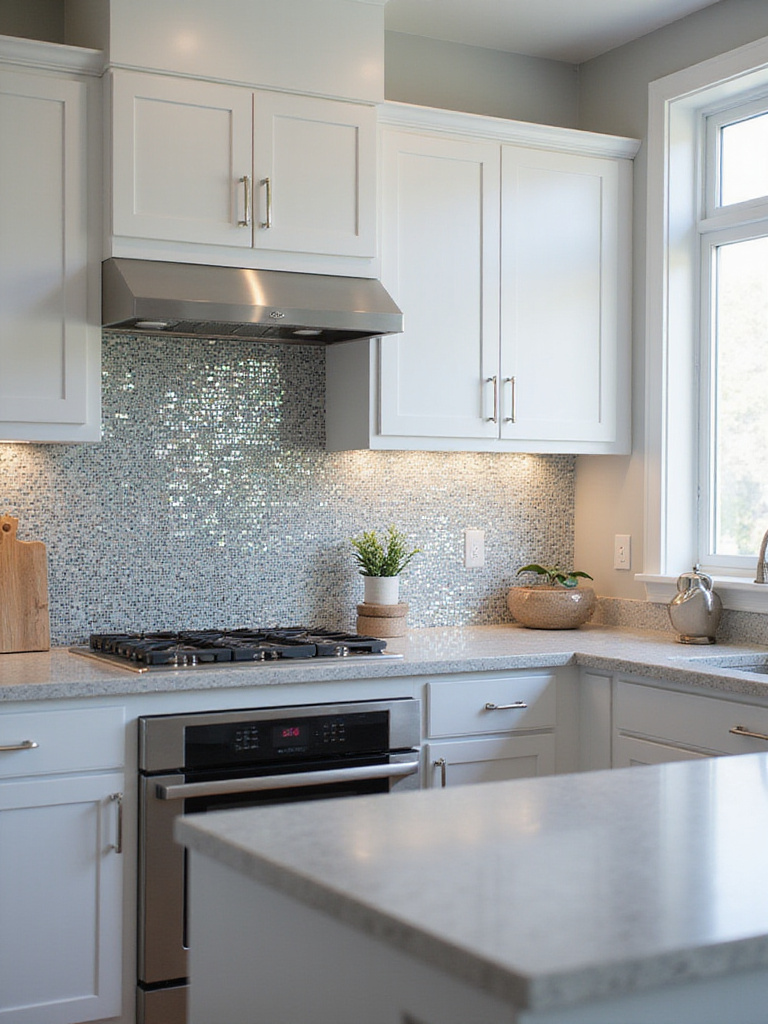
Use painter’s tape to mark “no-go” zones and door clearances on your walls. This simple step prevents costly mistakes like hanging art where a cabinet door opens or blocking outlets with shelves. It ensures your decor complements your kitchen’s rhythm rather than obstructing it.
Transforming Your Vision into Reality: Essential Wall Treatments and Fixtures (Step Three)
Now that you’ve planned thoroughly, it’s time to add the foundational design elements that set the tone for your kitchen’s personality and practicality.
6. Opt for Durable, Washable Paint Finishes
Matte paint may look elegant in bedrooms, but in kitchens, it absorbs stains and smudges. Instead, choose eggshell or satin finishes that offer a subtle sheen and are easy to clean. For areas prone to heavy splashes, semi-gloss paint provides extra protection.
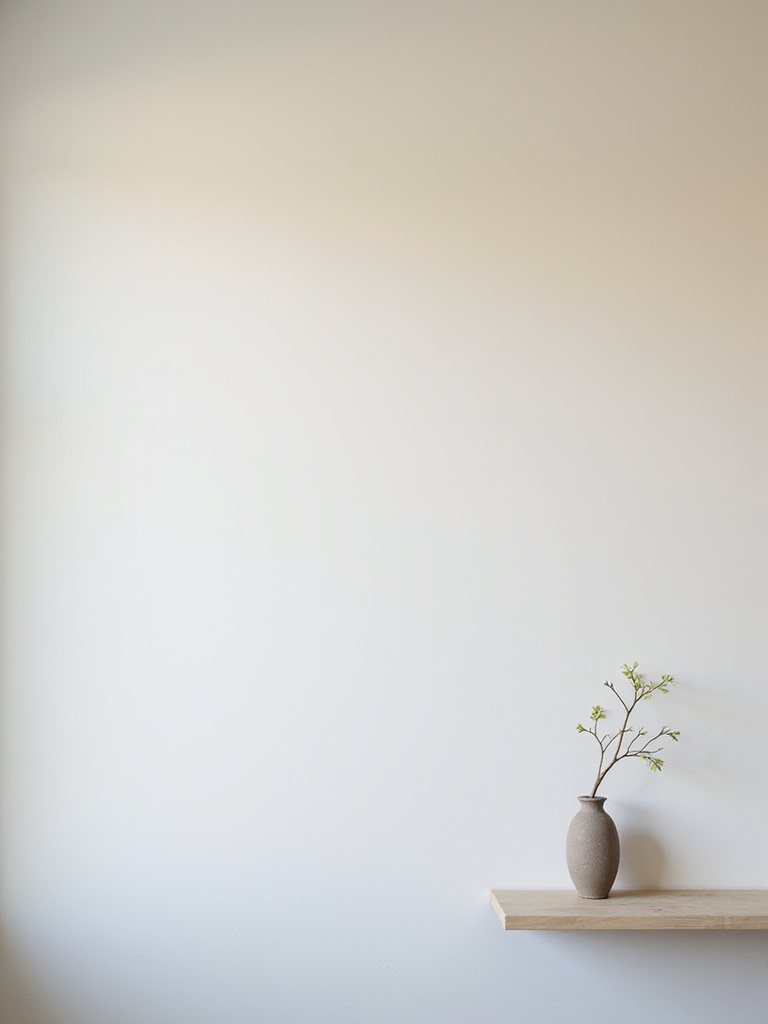
Choosing the right finish is a practical investment that keeps your kitchen looking fresh and reduces the need for frequent repainting.
7. Elevate Your Kitchen with Stylish Tile Backsplashes
A backsplash is both protective and decorative. Move beyond standard subway tiles and explore artisanal options like handcrafted zellige, iridescent glass mosaics, or patterned cement tiles. Extending the backsplash up to the bottom of upper cabinets or shelves creates a seamless, high-end effect.
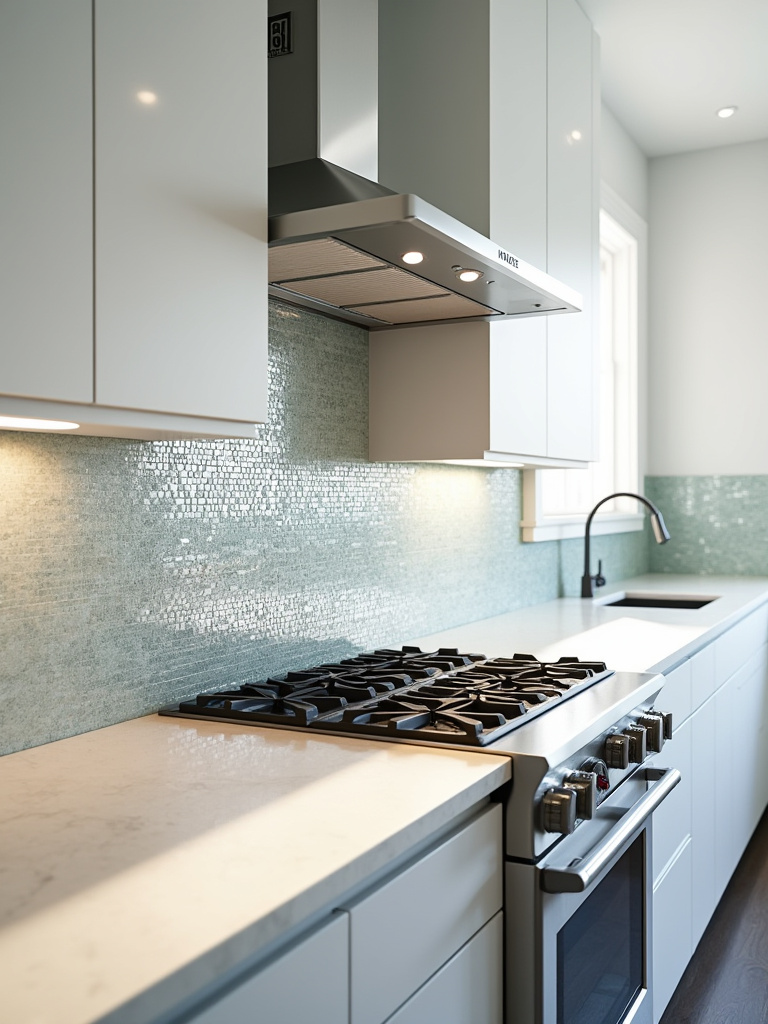
A well-chosen backsplash protects your walls while adding a bold design statement.
8. Incorporate Floating Shelves for Practical Display and Storage
Floating shelves break up cabinetry monotony and offer a platform to showcase your kitchen’s character. Use them to house fresh herb pots, elegant glass bottles of oils and vinegars, or artisanal ceramics. This blend of beauty and utility keeps counters clear and adds life to your walls.
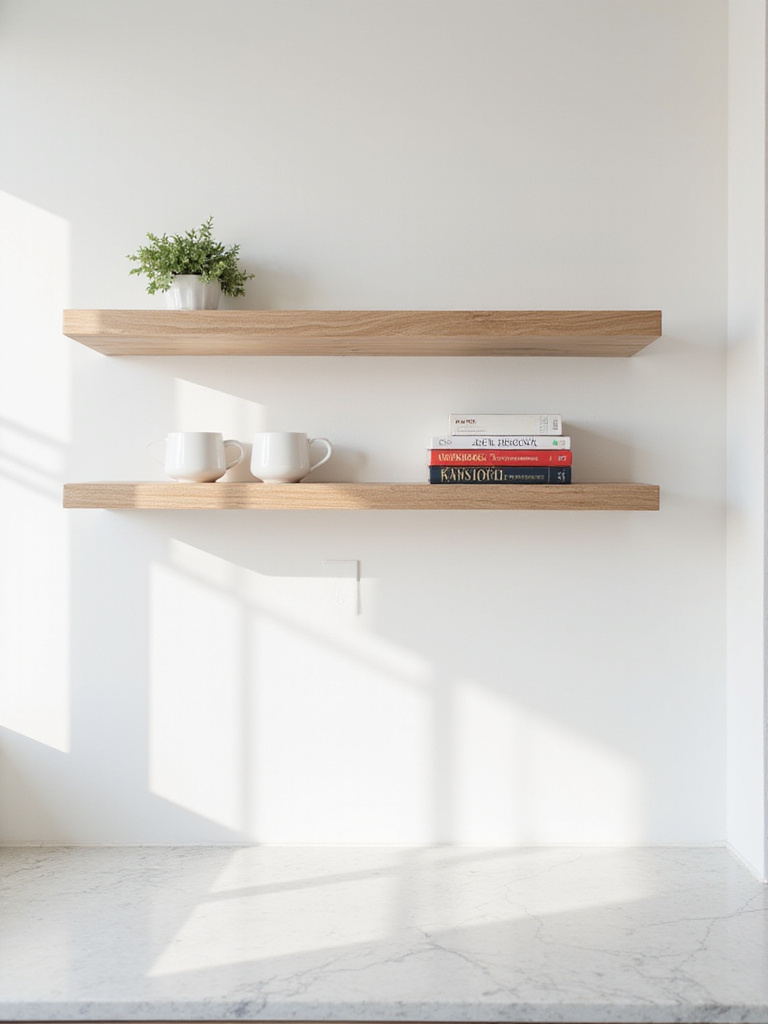
Think of your shelves as a curated garden of everyday essentials and cherished items.
9. Design a Gallery Wall with Food-Inspired Art and Vintage Prints
A gallery wall can narrate your culinary story without resorting to clichés. Frame a handwritten family recipe, vintage botanical prints of edible plants, or artisanal seed packets. Pressed herbs from your garden mounted on linen backgrounds add a personal, organic touch.
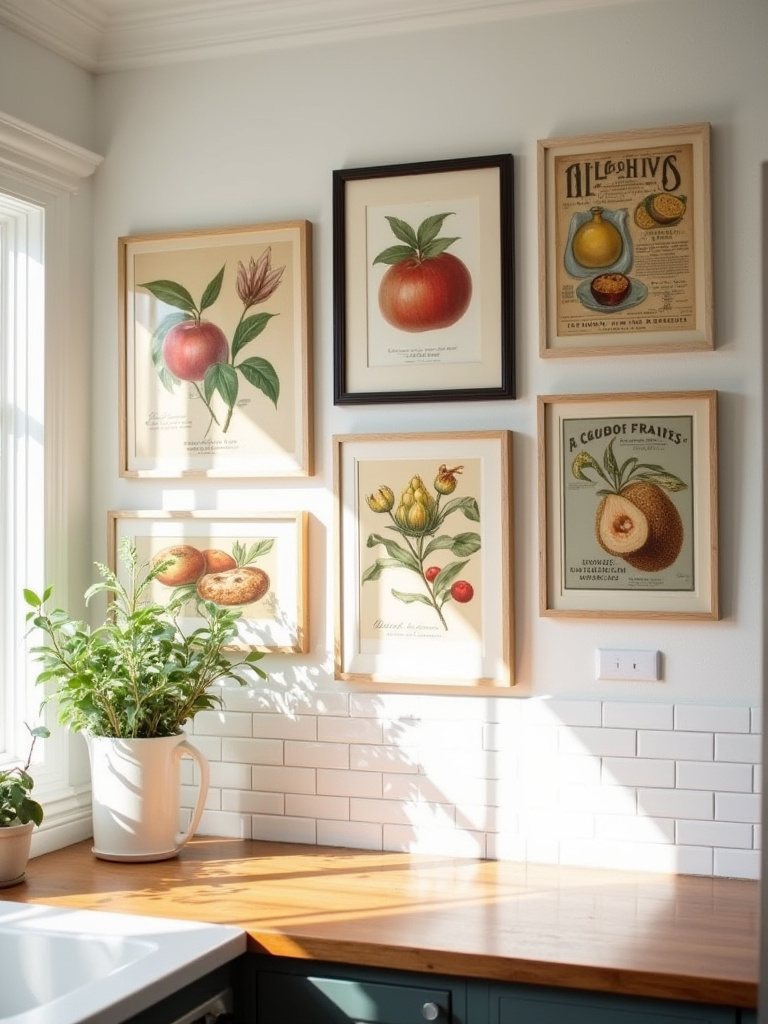
This approach transforms your kitchen walls into a heartfelt tribute to the food and traditions you cherish.
Adding Versatility and Charm: Innovative Wall Features (Step Four)
With the core elements in place, it’s time to introduce adaptable features that enhance both style and function, making your kitchen feel dynamic and personalized.
10. Use Wall-Mounted Pot Racks for Efficient Storage and Visual Appeal
In compact kitchens, freeing up cabinet space is crucial. A wall-mounted pot rack not only declutters but also turns cookware into a rustic display. Copper pans, cast iron skillets, and stainless steel pots hung together create a warm, authentic atmosphere.
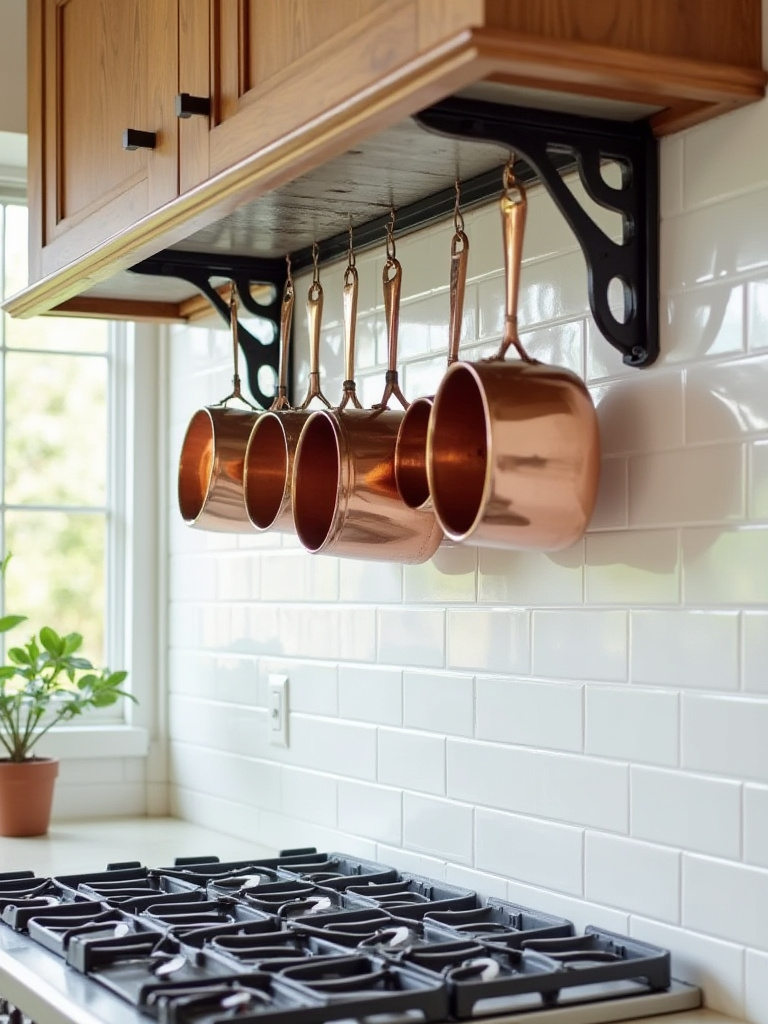
This solution blends practicality with charm, especially valuable in space-limited urban homes.
11. Refresh Walls Instantly with Peel-and-Stick Wallpaper
Peel-and-stick wallpaper is a renter-friendly, low-commitment way to add texture and pattern. Choose designs that echo natural elements-botanical motifs, grasscloth textures, or geometric patterns inspired by honeycombs. Use it to create accent walls, line shelves, or brighten pantry interiors.
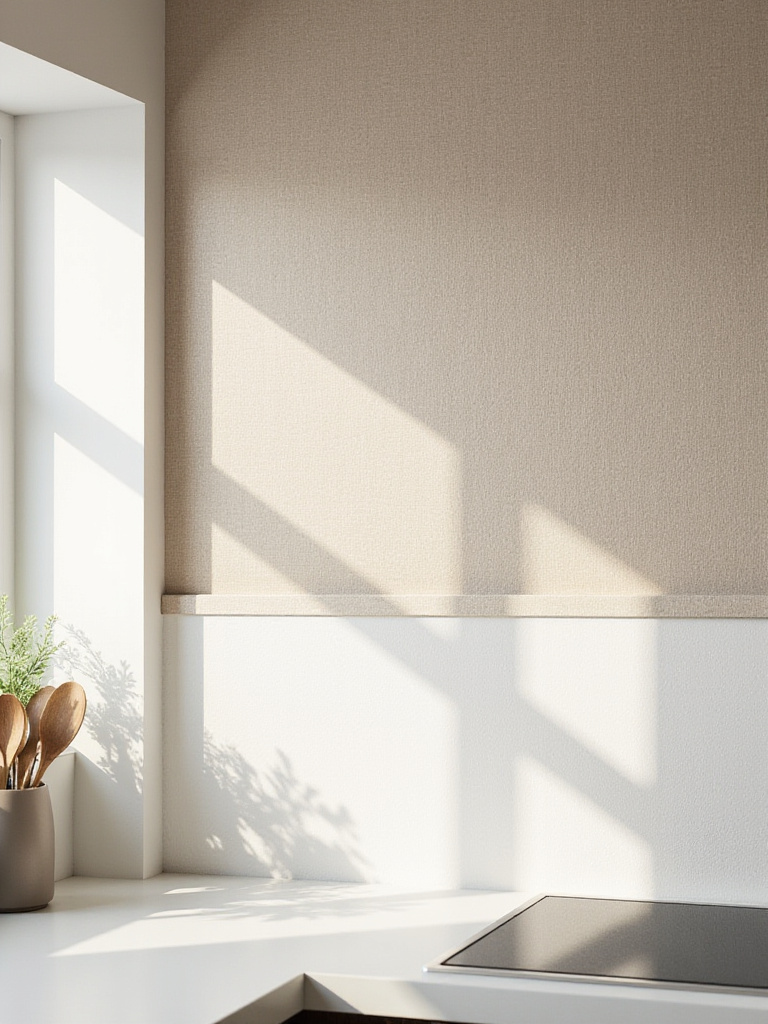
When you’re ready for a change, it peels off cleanly, making it a fun, risk-free design tool.
12. Amplify Light and Space with Mirrors
Mirrors are a timeless trick to brighten and visually expand kitchens, especially those with limited natural light. Position a large mirror opposite a window to double incoming light, benefiting both plants and people.
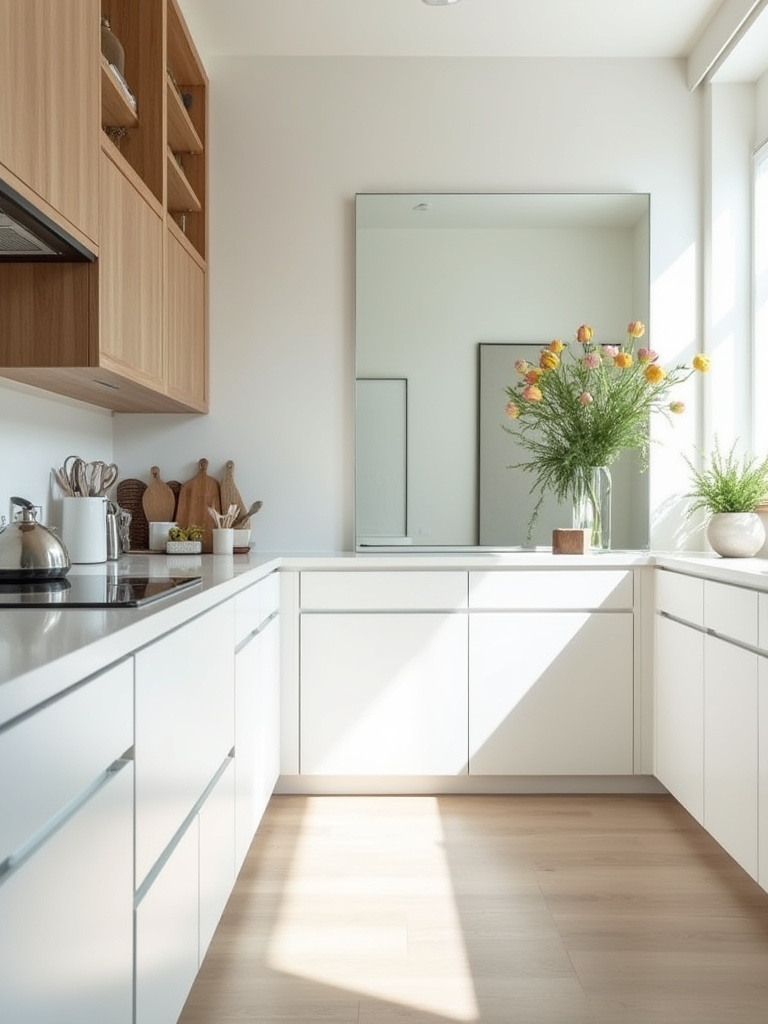
Consider antique mirror tiles for a smoky, elegant backsplash or a vintage-framed mirror in a dining nook. This simple addition can transform a cramped kitchen into an airy, inviting space.
Refining Style and Function: Advanced Techniques for a Personalized Kitchen (Step Five)
With your kitchen’s structure and key features established, it’s time to focus on the details that add depth, mood, and individuality.
13. Mix Textures and Materials for Rich Visual Appeal
Monotonous surfaces can feel cold. Layering textures-like rough wood shelves against smooth tile, woven textiles beside metal racks, or matte slate paired with polished chrome-creates sensory interest and warmth.
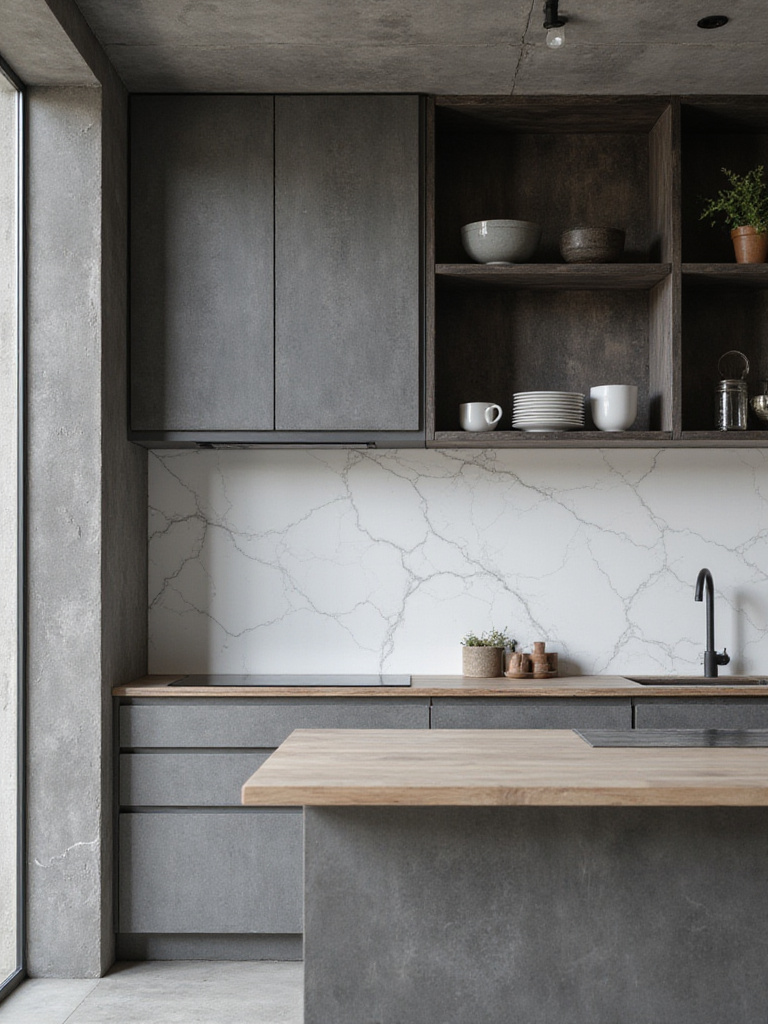
This thoughtful layering makes your kitchen feel curated and inviting.
14. Install Under-Cabinet Lighting for Practicality and Ambiance
Under-cabinet lighting is transformative. It eliminates shadows on work surfaces, enhancing safety and ease during food prep. Additionally, it creates a cozy atmosphere when overhead lights are dimmed, highlighting your backsplash and countertops.
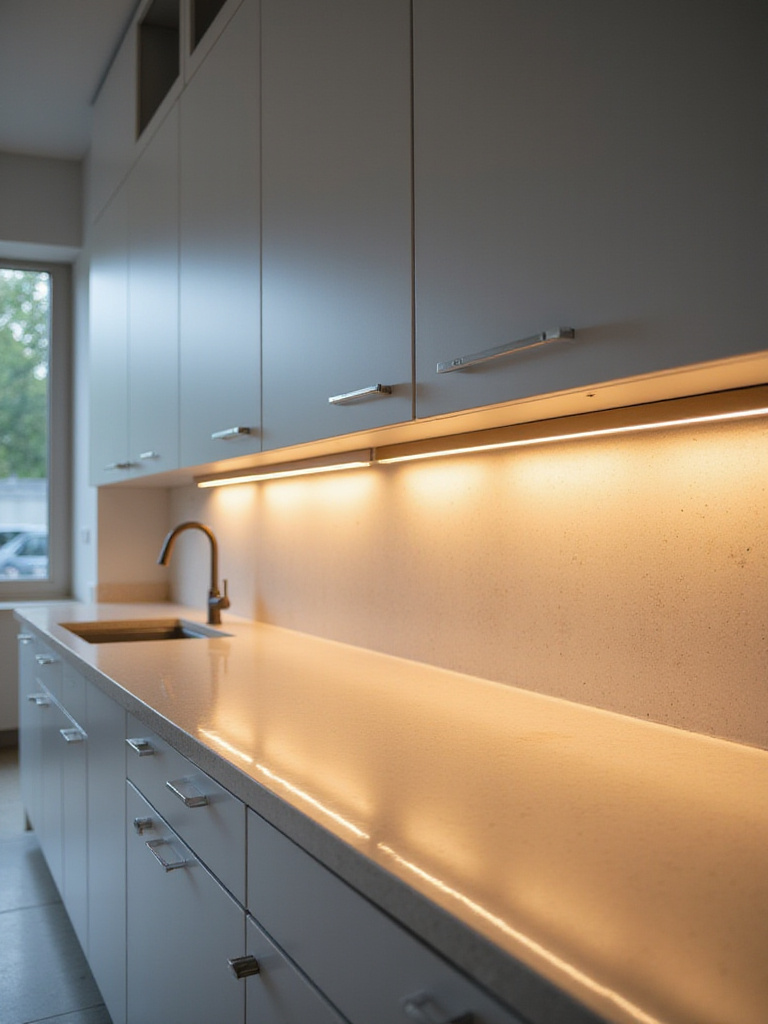
It’s a simple upgrade that elevates both function and style.
15. Add Personality with Wall Decals or Stencils
For a custom artistic touch without permanence, use decals or stencils. Choose subtle botanical vines, delicate bees, or geometric patterns to add whimsy and nature-inspired charm. These are easy to apply and remove, perfect for refreshing your kitchen’s look.
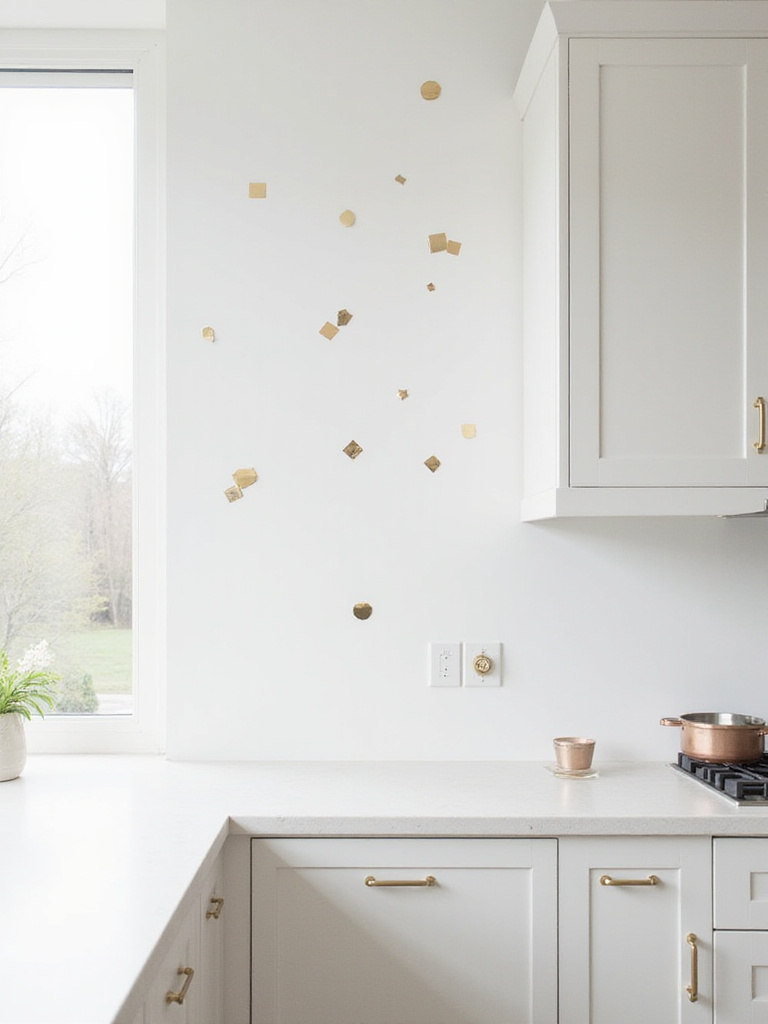
These small details add charm and uniqueness without a big commitment.
16. Create a Chalkboard or Whiteboard Wall for Notes and Recipes
In a digital age, a chalkboard or whiteboard wall offers a tactile, interactive space for meal plans, grocery lists, and recipe jotting. It becomes a family hub, fostering connection and organization.
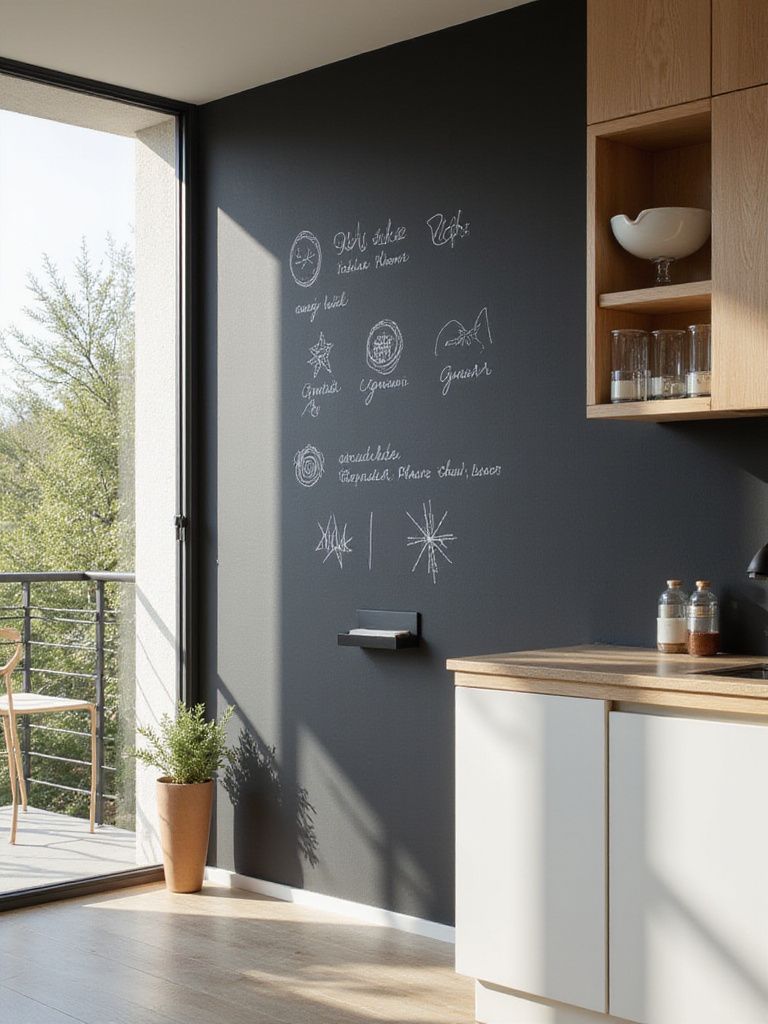
Enhance it with a wooden frame and magnetic primer to display photos and recipe cards, turning it into a functional art piece.
Maintaining and Personalizing: Long-Term Kitchen Wall Care and Styling (Step Six)
Finally, focus on the finishing touches and upkeep that keep your kitchen vibrant and uniquely yours over time.
17. Display Culinary Treasures on Open Shelves or Hooks
Your kitchen walls can showcase your culinary journey. Vintage teacups, copper measuring spoons, or artisanal hot sauces collected from travels deserve to be seen. Use open shelving or hooks to turn these items into a personal museum.
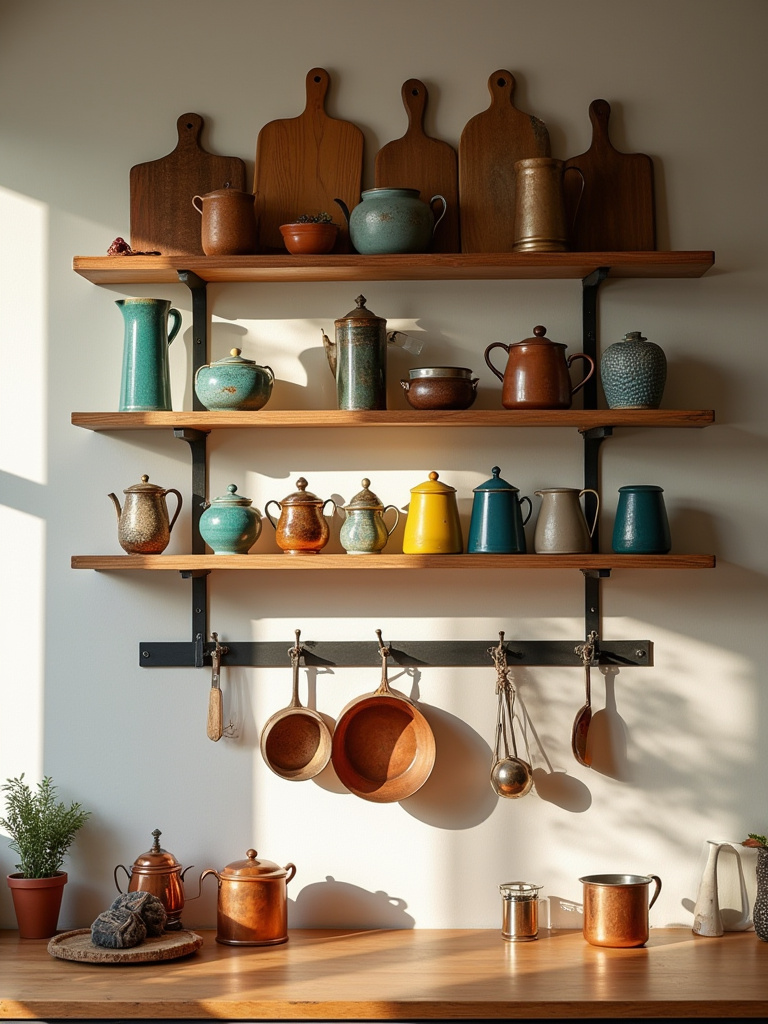
Curating these items adds depth and personality, connecting you daily to your food stories.
18. Refresh Wall Decor Seasonally for a Dynamic Atmosphere
Your kitchen should evolve with the seasons. Simple swaps-like a wreath of dried herbs in autumn, bright botanical prints in spring, or evergreen garlands in winter-keep the space feeling fresh and connected to nature.
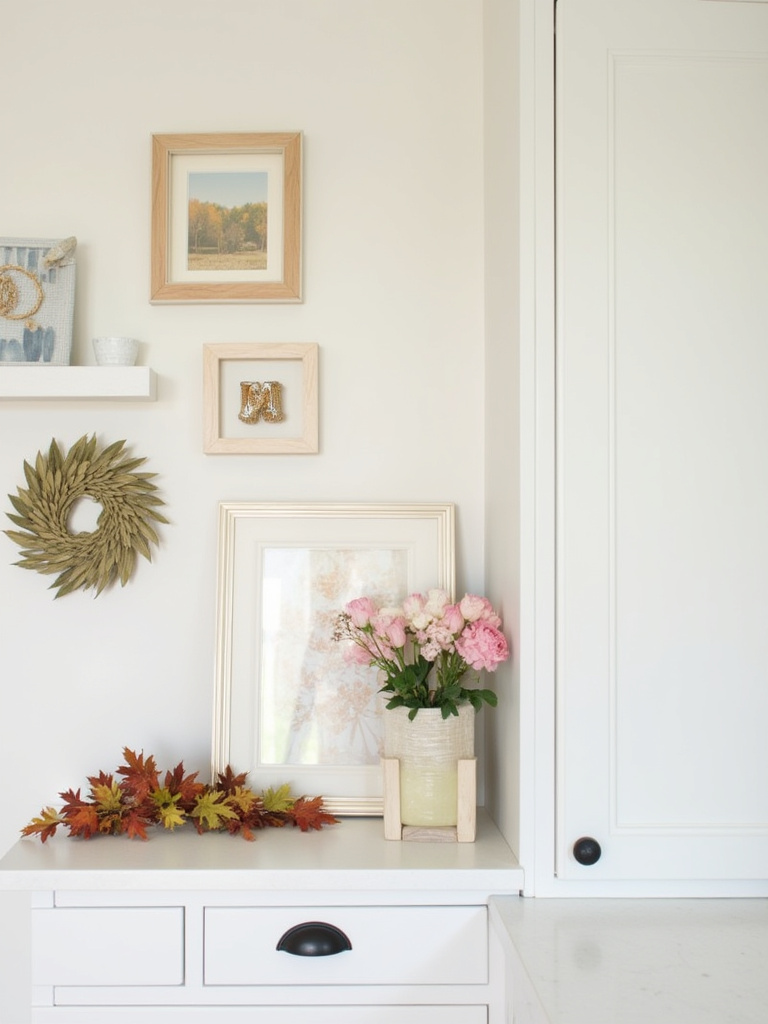
These small, intentional changes maintain a lively, welcoming environment year-round.
19. Commit to Regular Cleaning and Maintenance for Longevity
Though less glamorous, consistent cleaning preserves your kitchen’s beauty. Dust shelves and frames weekly, and wipe down backsplashes and splash zones monthly with gentle, non-toxic cleaners. This care prevents grease buildup and keeps colors vibrant.
Maintaining your space is an act of love that honors your investment and effort.
Final Thoughts
Your kitchen walls are more than structural elements-they’re opportunities to express your story, nurture your lifestyle, and create a welcoming environment. These 19 strategies aim to help you view your kitchen as a living ecosystem, blending beauty, function, and personality.
You don’t need to tackle everything at once. Start with one idea that resonates-whether it’s adding a floating shelf for herbs, framing a cherished recipe, or testing a paint color in natural light. Each intentional step brings your kitchen closer to a space that truly supports and inspires you.