Let’s settle the debate once and for all: wet rooms versus walk-in showers-how do they truly differ?
These two bathroom styles often get confused, but spoiler alert-they’re distinct concepts. If you’ve spent time browsing home design boards, you might be wondering which option suits your space best.
Having dived deep into bathroom trends (yes, those late-night “dream bathroom” scrolls count as research), I’m here to clarify things.
😅 Whether you’re feeling puzzled, overwhelmed, or just plain curious about bathroom layouts, let’s unpack the essentials-straightforward, insightful, and with a dash of personality.
Understanding Wet Rooms: The Ultimate Open Shower Concept
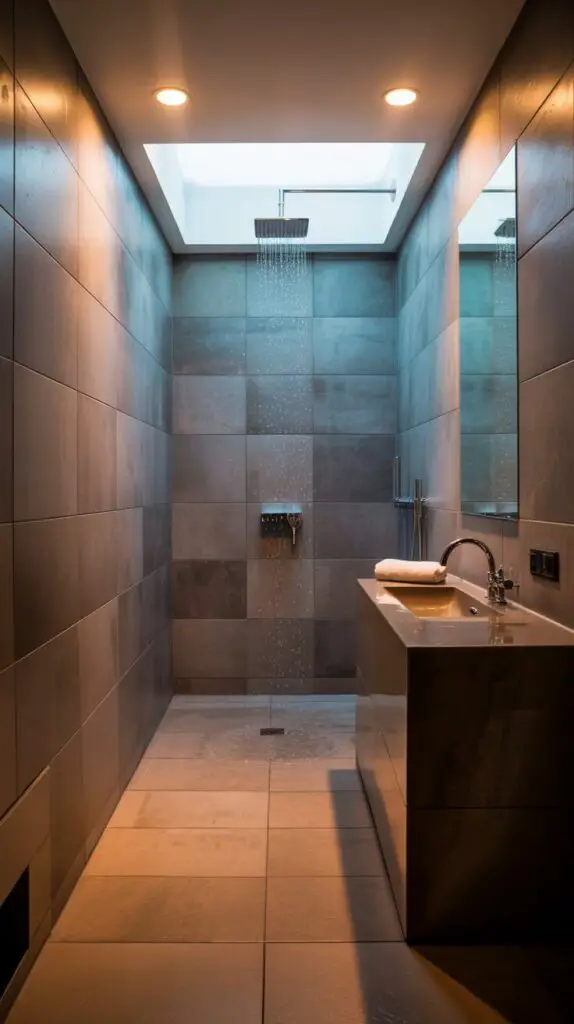
A wet room is essentially a bathroom that’s been completely sealed and waterproofed-professionally known as “tanking.” Unlike traditional showers, there’s no enclosure or tray; the entire bathroom floor serves as the shower base.
Imagine stepping into a space where water flows freely across a gently sloped floor, with no barriers to interrupt the sleek, seamless design.
Core Characteristics of Wet Rooms:
- Absence of shower trays – The floor is carefully angled to direct water toward the drain.
- Comprehensive waterproofing – Walls and floors are fully sealed to prevent leaks.
- Open layout – Often no glass screens, though you can add one to protect fixtures like toilets.
- Enhanced accessibility – Ideal for those with mobility needs or anyone who dislikes stepping over shower edges.
Ambiance and Style:
Wet rooms exude a minimalist, spa-inspired atmosphere-think high-end resorts or boutique hotels. They create a sense of spaciousness and modern luxury that’s hard to beat.
Walk-In Showers: The Balanced Modern Choice
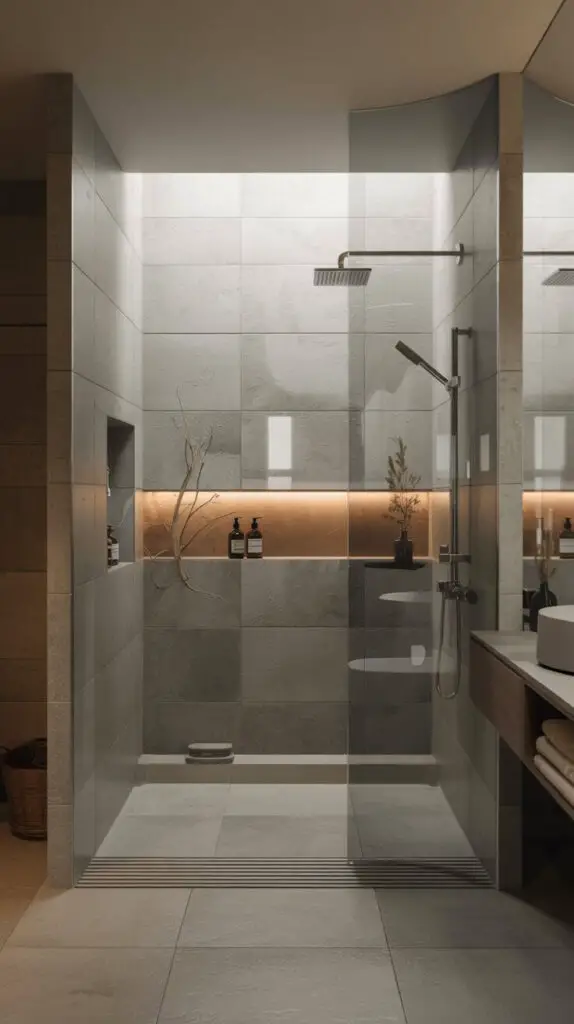
A walk-in shower offers a contemporary, open feel without converting the entire bathroom into a wet zone. It’s a practical middle ground between a traditional shower and a wet room.
Defining Features of Walk-In Showers:
- Low-profile or flush shower trays – You can enter without stepping over a high edge.
- Glass panels or partial enclosures – These help contain water spray and keep the rest of the bathroom dry.
- Selective waterproofing – Only the shower area is sealed, not the entire room.
- Clearly defined shower space – The shower zone is distinct from the rest of the bathroom.
Style and Practicality:
Walk-in showers strike a balance between elegance and function. They offer a sleek, modern look without the extensive waterproofing and renovation that wet rooms require.
Wet Room vs. Walk-In Shower: Side-by-Side Comparison
Let’s simplify the differences with a quick overview:
| Aspect | Wet Room | Walk-In Shower |
|---|---|---|
| Waterproofing | Entire bathroom is fully waterproofed | Only the shower section is waterproofed |
| Shower base | No tray; floor is tiled and sloped | Low-profile or flush tray present |
| Barriers | Usually none or minimal glass screen | Glass panels or screens to contain water |
| Installation complexity | More involved and costly | Less complex and more budget-friendly |
| Design freedom | Highly flexible, open layouts | Moderate flexibility with defined zones |
| Accessibility | Excellent for all users | Accessible but may have slight step |
| Water splash control | Can be challenging without screens | Easier to manage with enclosures |
In essence: A wet room transforms your entire bathroom into a shower-friendly space, while a walk-in shower offers an open, step-free shower area within a conventional bathroom setup.
Installation Insights: What to Expect
Now, let’s talk about the practical side-how much effort and cost are involved?
Installing a Wet Room:
- Complete waterproofing is essential-walls, floors, and sometimes ceilings need sealing.
- Floor adjustments are necessary to ensure proper drainage.
- Professional expertise is highly recommended to avoid costly mistakes.
Bottom line: Wet rooms require significant preparation and investment but deliver a stunning, seamless finish.
Installing a Walk-In Shower:
- Often involves replacing an existing bathtub or shower enclosure.
- Tray installation is straightforward and less disruptive.
- Can be completed faster and with a smaller budget.
Cleaning and Upkeep: Which Is More Manageable?
Let’s be honest-maintaining a stylish bathroom shouldn’t feel like a full-time job.
Wet Room Maintenance:
- Water tends to spread across the floor, especially without screens.
- Regular drain cleaning is crucial to prevent blockages.
- Potential for mold growth if waterproofing isn’t flawless.
Walk-In Shower Maintenance:
- Water containment is easier thanks to glass panels.
- Shower trays simplify cleaning routines.
- Lower risk of water damage outside the shower area.
Maintenance winner: Walk-in showers offer a more hassle-free experience.
Optimizing Space: Which Option Suits Compact Bathrooms?
Surprisingly, wet rooms can be a fantastic solution for small bathrooms.
Advantages of Wet Rooms in Limited Spaces:
- Eliminating shower enclosures creates a more open, airy feel.
- Shower placement is flexible, fitting even awkward layouts.
- Visual continuity makes the room appear larger.
However, if you dislike the idea of your toilet or vanity getting damp, a walk-in shower might be preferable.
Walk-In Showers in Compact Areas:
- Still a space-efficient choice.
- Requires enough room for trays and glass panels.
- Helps keep the wet area contained, reducing moisture spread.
Making the Choice: Which Fits Your Lifestyle?
Here’s the honest truth-there’s no universal answer. Your decision depends on your priorities and bathroom specifics.
Consider a wet room if:
- You crave a cutting-edge, open-concept bathroom.
- Your space is small or uniquely shaped.
- Accessibility is a top concern.
- You’re prepared to invest in professional installation.
Opt for a walk-in shower if:
- You want a stylish upgrade without a full remodel.
- Ease of cleaning and maintenance matters.
- You’re working within a tighter budget.
- You desire a modern look with less complexity.
Pro tip: Some homeowners blend elements of both-installing a walk-in shower within a partially waterproofed bathroom for a custom approach. Designer rebels, unite! 👀
From Experience: What I’ve Learned
Having lived with a wet room, I can vouch for its stunning aesthetic and spa-like feel. But a misdirected shower spray once turned my bathroom into a mini pool-socks included. RIP.
On the flip side, renovating a guest bathroom with a walk-in shower was a breeze. Quick installation, sleek design, and dry towels every time-definitely a win.
Between the two, I lean toward walk-in showers for their balance of style and practicality.
Wrapping Up: Wet Room or Walk-In Shower?
Still undecided? Here’s a quick summary:
- For a bold, modern statement, choose a wet room.
- For practical luxury with less fuss, walk-in showers are your best bet.
Remember, what looks flawless on social media might not suit your daily routine-unless you enjoy mopping up water regularly.
Whichever you pick, you’re on track to creating a chic, functional bathroom. And hey, even if things get a little wet and wild, you’ll have a memorable renovation story to tell. 😉
Happy bathroom designing! 💧
Related Reads: