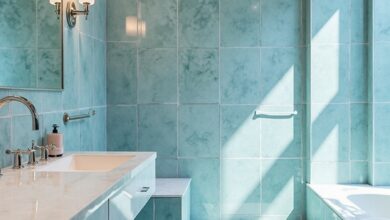
Transforming your kitchen into a dark academia kitchen means crafting a space that transcends mere cooking-it becomes a sanctuary of classic elegance and intellectual allure. Imagine soft, vintage-inspired lighting casting a warm glow over walls painted in deep, contemplative shades, evoking the ambiance of a venerable study or library. This design style marries gothic mystique with practical sophistication, offering a culinary environment that inspires creativity and reflection. If you appreciate aesthetics that honor history, mystery, and refined artistry, this kitchen style is your gateway to a timeless retreat.
Immersive Color Schemes for Depth and Drama
At the heart of a dark academia kitchen lies a palette rich in moody, profound colors. Shades such as deep charcoal, emerald green, and wine red set a tone of quiet sophistication. These hues work harmoniously with natural elements like aged wood and rugged stone, grounding the space in authenticity. Matte finishes on cabinetry and walls enhance the enigmatic atmosphere, inviting a sense of scholarly calm. This color strategy not only evokes a timeless quality but also fosters an environment conducive to thoughtful culinary exploration.
Authentic Woodwork and Cabinetry: Craftsmanship Meets Nostalgia
Incorporating vintage wooden cabinetry-ranging from intricately detailed mahogany to smooth walnut-imbues the kitchen with warmth and character. Distressed or hand-finished surfaces amplify the nostalgic feel, reminiscent of antique libraries or classic studies. Complement these with aged brass or vintage-style hardware to elevate the overall aesthetic. The natural wood tones beautifully contrast with the darker wall colors, creating a balanced and inviting environment that honors traditional craftsmanship.
Open Display Shelves Showcasing Antique Ware
Open shelving offers a unique opportunity to blend utility with visual storytelling. Display collections of antique ceramics, brass utensils, or weathered glass jars to add texture and historical depth. Incorporate elements like vintage cookbooks, dried herbs, or ceramic pots to enrich the narrative. Shelves made from reclaimed wood or supported by wrought iron brackets reinforce the dark academia vibe, turning your kitchen into a curated gallery of functional art.
Gothic-Inspired Lighting to Set the Mood
Lighting plays a pivotal role in defining the dark academia kitchen’s ambiance. Opt for wrought iron chandeliers, candelabra-style sconces, or pendant lamps with intricate metalwork. Warm, dimmable bulbs mimic the soft flicker of candlelight, creating an intimate and contemplative atmosphere. These fixtures not only illuminate but also serve as sculptural accents, enhancing the kitchen’s dramatic and scholarly aura.
Luxurious Natural Surfaces: Stone and Marble
Countertops crafted from natural stone such as soapstone, marble, or slate add a layer of enduring elegance. Dark marble varieties with striking veining or textured slate surfaces complement the cabinetry and color scheme, grounding the kitchen in a sense of permanence. These materials are both practical and visually compelling, reinforcing the old-world charm central to the dark academia aesthetic.
Brass and Metallic Details for Vintage Sophistication
Incorporate brass elements through faucets, cabinet handles, and lighting fixtures to introduce warmth and a touch of vintage glamour. Over time, the natural patina that develops on brass adds authenticity and depth. These metallic accents provide a striking contrast against darker woods and walls, balancing the kitchen’s palette and enhancing its refined character.
Integrated Bookshelves and Cozy Library Corners
Where space permits, floor-to-ceiling bookshelves filled with cookbooks, classic literature, or decorative antique volumes transform the kitchen into a multi-functional intellectual haven. Adding a built-in ladder or a comfortable reading nook with a plush armchair invites moments of quiet study or culinary inspiration. This feature seamlessly blends the culinary and academic worlds, enriching the kitchen’s narrative.
Timeless Flooring Patterns: Checkered and Herringbone
Underfoot, classic patterns like checkered tiles or herringbone wood flooring introduce visual interest and historical resonance. Black-and-white ceramic tiles or dark-stained hardwood arranged in these patterns evoke traditional European interiors, grounding the kitchen in a sense of heritage while maintaining modern usability.
Artistic Backsplashes as Focal Points
Behind the stove or sink, ornate backsplashes featuring Victorian-inspired motifs or gothic patterns in muted tones such as olive, gray, or deep blue serve as captivating centerpieces. Dark grout lines enhance the intricate designs, adding depth and cohesion. These artistic elements protect the walls while elevating the kitchen’s overall aesthetic.
Textile Layering for Warmth and Texture
Introduce plush textiles like velvet curtains, embroidered cushions, or patterned rugs in rich, earthy tones to soften the kitchen’s darker elements. Layering these fabrics adds tactile comfort and visual complexity, making the space feel inviting and lived-in-much like a cozy academic retreat.
Apothecary-Style Storage Solutions
Utilize glass jars with brass lids, labeled containers, and vintage wooden boxes to organize spices, herbs, and dry goods. This style of storage not only enhances functionality but also contributes to the kitchen’s historical narrative, reminiscent of an old apothecary or scholar’s cabinet.
Dramatic Window Treatments
Heavy drapes or velvet curtains in jewel tones like emerald or burgundy frame windows with grandeur, controlling light and adding a theatrical element. Layering these with sheer panels allows for adjustable natural light, balancing intimacy with openness.
Classic Range Hoods and Vintage Appliances
A range hood crafted from copper, brass, or carved wood with ornate detailing becomes a commanding centerpiece above the stove. Pairing this with retro-style appliances reinforces the kitchen’s timeless academic atmosphere, blending function with historical charm.
Candlelight and Candelabras for Ambiance
Incorporate tall, tapered candles in antique metal holders or elegant candelabras to evoke the flickering glow of a medieval study. Positioned on dining tables or countertops, these elements deepen the kitchen’s moody, literary-inspired ambiance.
Paneled Walls and Architectural Details
Dark-stained wood paneling or painted wainscoting in shades of black, gray, or forest green adds structural elegance. Coffered ceilings or intricate moldings further enhance the room’s stately presence, echoing the grandeur of historic academic institutions.
Hanging Herb Gardens for Freshness and Charm
Suspended planters made of brass or wrought iron filled with fragrant herbs like rosemary, thyme, and sage bring a lively, natural element to the kitchen. This blend of greenery and vintage materials connects the space to nature while maintaining its scholarly roots.
Aged Mirrors to Add Depth and Mystery
Strategically placed antique-finished mirror panels on walls or cabinet doors introduce subtle reflections that enhance light without compromising the kitchen’s intimate mood. These mirrors contribute an additional layer of texture and historical intrigue.
Copper Cookware as Functional Decor
Displaying copper pots, pans, and utensils on walls or overhead racks adds warmth and artisanal appeal. Whether polished or naturally aged, copper cookware serves as both practical tools and decorative statements, reinforcing the kitchen’s vintage scholarly vibe.
Personalized Library Nooks Adjacent to the Kitchen
Creating a small reading corner with built-in shelves stocked with cookbooks, classic literature, and vintage tomes offers a quiet retreat within or near the kitchen. Furnish this space with a comfortable chair or bench to encourage moments of reflection and study.
Antique Furniture as Statement Pieces
Incorporate standout antique furnishings such as a Victorian sideboard or a Gothic dining table to anchor the room. These pieces, rich in craftsmanship and historical detail, add gravitas and character, allowing simpler decor to complement their presence.
Deep Green Cabinetry for Botanical Elegance
Complement natural wood tones with cabinetry painted in lush, dark green hues. Paired with brass hardware and marble surfaces, this choice bridges the natural world with academic sophistication, enriching the kitchen’s layered aesthetic.
Wrought Iron Accents for Gothic Flair
From cabinet handles to lighting fixtures, wrought iron elements introduce a gothic, old-world charm. Whether featuring elaborate scrollwork or minimalist designs, these durable accents unify the kitchen’s dark palette and natural textures.
Stained Glass Inserts for Color and Intrigue
Incorporate stained glass panels near sinks or as cabinet door inserts to infuse the kitchen with muted colors and intricate patterns. The interplay of light through these windows adds depth and a sense of mystery, enhancing the overall ambiance.
Vintage Clocks and Curated Artwork
Adorn walls with antique clocks or framed prints featuring historical scenes, botanical illustrations, or literary quotes. These curated pieces contribute to the kitchen’s intellectual atmosphere, providing both function and aesthetic appeal.
Summary of Essential Dark Academia Kitchen Features
- Rich, Moody Colors: Utilize deep greens, charcoals, and burgundies to create a contemplative environment.
- Timeless Woodwork: Vintage cabinetry with aged finishes adds warmth and historical depth.
- Gothic and Scholarly Details: Wrought iron, candelabras, and open shelving with antique items evoke intellectual charm.
- Natural Materials: Marble, stone, and wood surfaces provide authenticity and texture.
- Functional Vintage Decor: Brass fixtures, apothecary jars, and hanging herb gardens blend utility with style.
- Atmospheric Lighting: Warm, dimmable fixtures enhance the cozy, mysterious mood.
- Classic Patterns and Textures: Herringbone floors, stained glass, and layered textiles enrich visual interest.
- Personalized Touches: Antique clocks, curated art, and statement furniture express individuality.
Next Steps to Create Your Dark Academia Kitchen
- Evaluate Your Space: Identify key areas for incorporating dark academia elements, such as cabinetry, lighting, and shelving.
- Choose a Cohesive Palette: Select deep, moody colors that complement your kitchen’s natural light and size.
- Invest in Quality Materials: Source vintage-style furniture, natural stone countertops, and wrought iron accents for authenticity.
- Enhance Lighting: Install gothic-inspired fixtures or dimmable warm bulbs to set the desired ambiance.
- Personalize with Decor: Display antique dishes, books, and unique collectibles that resonate with your style.
- Consult Design Experts: Collaborate with professionals experienced in vintage or historical aesthetics to refine your vision.
- Refine and Adapt: Continuously assess the balance between functionality and style as you develop your kitchen.