Designing a small kitchen that balances practicality with visual serenity is a nuanced endeavor. As a specialist in digital-age zen-inspired interiors, I’ve observed how compact kitchens can either become sources of daily stress or surprisingly efficient, peaceful retreats. The secret lies not in the size of the space but in deliberate, mindful design choices that prioritize both function and aesthetics.
Your petite kitchen is more than just a cooking area-it’s a chance to embrace the zen concept of “ma” (間), which celebrates the beauty of empty space. When every item is chosen for its utility and visual appeal, even the smallest kitchen can become a haven of calm and productivity. Here, I share 24 mindful strategies to enhance your small kitchen decor, optimizing both usability and tranquility.
Maximizing Vertical Space: Elevate Your Storage
In kitchens where horizontal room is scarce, the walls become invaluable assets. Utilizing vertical storage not only frees up counter space but also adds a sense of height and openness. This approach aligns with zen principles by maintaining order without overcrowding.
Beyond traditional cabinetry, consider installing floating shelves that extend upward, magnetic strips to display knives as functional art, or adaptable pegboards that evolve with your needs. Research indicates that smart use of vertical space can boost the perceived size of a room by nearly 20%, creating a psychological sense of expansion in your small kitchen decor.
Inspired by traditional Japanese kitchens, which use vertical surfaces to showcase objects with intention, this method creates a visual rhythm that soothes the mind and guides the eye upward.
Enhance Ambiance and Function with Under-Cabinet Lighting
Lighting dramatically influences how spacious and inviting a kitchen feels. Installing under-cabinet LED strips provides focused task lighting while softening shadows that can make small spaces feel cramped. This layered illumination highlights textures and materials, enriching the kitchen’s atmosphere.
Unlike harsh overhead lights, under-cabinet lighting offers a warm, continuous glow that enhances usability and comfort. Studies show that proper task lighting can reduce eye strain by up to 50%, making cooking safer and more enjoyable.
Use Mirrors to Visually Expand Your Kitchen
Mirrors are a clever design tool that can double the perceived size of a room by reflecting light and views. Positioning a mirror opposite a window captures natural light and outdoor scenery, creating an illusion of depth. Even small mirrored accents, such as cabinet inserts or backsplash panels, can significantly open up your small kitchen decor.
This technique embodies zen design’s emphasis on perception, transforming the feel of a space without physical alterations.
Choose a Light, Airy Color Scheme
Colors with high reflectivity-like whites, soft grays, and gentle pastels-amplify natural and artificial light, making walls seem to recede and rooms feel larger. Instead of stark white, opt for nuanced neutrals with varied textures such as veined quartz countertops, pale wood finishes, or subtle ceramic tiles to add warmth and depth.
Modern small kitchen decor trends favor softer, more inviting shades that balance brightness with comfort, creating spaces that feel both open and welcoming.
Clear Countertops to Create Calm and Function
In zen philosophy, empty space is purposeful presence. Keeping countertops free of clutter provides visual breathing room and maximizes usable workspace. Evaluate each item on your counters: does it serve a daily function, or could it be stored elsewhere? Appliances used less frequently, decorative objects without utility, and miscellaneous clutter often crowd surfaces unnecessarily.
Once you establish dedicated storage spots, maintaining a tidy countertop becomes effortless, enhancing both the kitchen’s appearance and your cooking efficiency.
Invest in Compact, Multi-Functional Appliances
Advances in kitchen technology have produced compact appliances that combine multiple functions, ideal for small kitchens. Devices like combination microwave-convection ovens, portable induction cooktops, and versatile multi-cookers reduce the need for numerous single-use gadgets, saving space and simplifying your workflow.
When selecting appliances, prioritize those that excel in their primary role while offering additional features, embodying the zen ideal of purposeful minimalism.
Incorporate Greenery with Small Plants and Culinary Herbs
Adding plants to your kitchen introduces life and a connection to nature, a core element of zen design. Herbs such as basil, thyme, or chives thrive on sunny windowsills and provide fresh ingredients at your fingertips. For lower-light areas, resilient plants like snake plants or pothos purify the air and require minimal care.
Choosing appropriately sized greenery ensures your kitchen feels vibrant without becoming overcrowded, enhancing both aesthetics and well-being.
Unify Storage with Stylish, Matching Containers
Visual coherence is key in small kitchens. Replacing mismatched packaging with uniform storage containers reduces visual clutter and creates a sense of order. Opt for stackable glass jars with bamboo lids for a natural look, sleek stainless steel canisters for modern spaces, or ceramic containers for a classic touch.
Consistent materials and shapes turn pantry storage into a curated display, contributing to the kitchen’s overall harmony.
Replace Upper Cabinets with Open Shelving
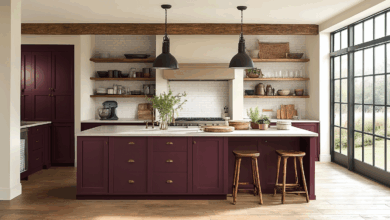
Open shelves lighten the visual weight of upper cabinetry, allowing the eye to move freely and creating a feeling of spaciousness. Display only essential, attractive items such as simple white dishes, clear glassware, or a few decorative ceramics. The empty space between objects is as important as the items themselves, fostering balance and rhythm.
Avoid overcrowding shelves to maintain the zen principle that emptiness is an active, meaningful element.
Hang Pots and Pans to Save Space and Add Character
Displaying cookware on ceiling racks or wall hooks frees cabinet space and turns everyday tools into design features. Choose hardware that complements your kitchen’s style-sleek stainless steel for modern looks or wrought iron for rustic charm. Thoughtful arrangement of different sizes and shapes creates a dynamic, balanced composition.
This approach honors the tradition of respecting cooking tools by making them visible and accessible.
Incorporate Foldable Tables and Seating for Flexibility
Foldable furniture adapts your kitchen to changing needs, expanding for meals and contracting for prep work. Wall-mounted drop-leaf tables fold flat when not in use, while folding chairs can be hung or tucked away, preserving floor space.
Choose pieces with clean lines and simple designs to maintain a minimalist aesthetic while enhancing functionality.
Organize Drawers with Custom Inserts and Dividers
Well-organized drawers maximize storage and reduce frustration. Beyond basic cutlery trays, consider adjustable dividers, tiered inserts, and spice organizers that keep items visible and accessible. Each tool should have a designated place, eliminating wasted space and mental clutter.
Invisible organization supports a minimalist kitchen by keeping surfaces clear and workflows smooth.
Install Magnetic Strips for Knives and Spices
Utilize the space between cabinets by mounting magnetic strips to hold knives or spice tins. This keeps essentials within reach and creates a clean, linear display that adds visual interest. Coordinate the strip’s finish with your kitchen hardware for a cohesive look.
Intentional arrangement transforms functional items into decorative elements.
Utilize Cabinet and Pantry Door Interiors
The backs of cabinet and pantry doors offer hidden storage opportunities. Attach racks for spices, hooks for utensils, or narrow shelves for cutting boards to maximize capacity without cluttering visible areas. Organize by frequency of use to maintain efficiency.
This clever use of overlooked surfaces enhances storage while preserving visual calm.
Add a Slim Rolling Cart for Mobile Storage
A narrow utility cart fits into tight gaps, providing extra storage and work surface that can be moved as needed. Multi-tiered carts combine vertical storage with mobility, adapting to various tasks like coffee prep, cooking, or entertaining.
This versatile piece blends seamlessly into your kitchen, offering both function and style.
Introduce Bold Color Accents for Personality
Strategic splashes of vibrant color enliven a neutral kitchen without overwhelming it. Consider a brightly colored appliance, a vivid backsplash tile, or colorful hardware to create focal points that express your style and evoke positive emotions.
This mindful use of color adds joy and individuality while maintaining overall spaciousness.
Display Small Artworks or Decorative Pieces
Art enriches your kitchen by adding layers of meaning and personal connection. Choose small-scale pieces that reflect your culinary philosophy or cultural heritage, such as botanical prints or handcrafted ceramics. Place them where they are protected from heat and moisture but easily appreciated.
These thoughtful touches transform your kitchen into a space that nurtures both body and spirit.
Define the Kitchen Area with a Stylish Rug
A well-chosen rug adds warmth, absorbs sound, and visually anchors the kitchen zone, especially in open-plan layouts. Runners are ideal for galley kitchens, elongating the space and defining work areas. Select durable materials like machine-washable cotton, stain-resistant polypropylene, or natural fibers that age gracefully.
The rug’s pattern and color should complement your design palette, adding texture and cohesion.
Refresh Your Kitchen with Updated Hardware
Hardware acts as the jewelry of your kitchen, offering a simple yet impactful style upgrade. New knobs, pulls, and handles can unify your design and introduce subtle interest. Consider finishes that coordinate with your fixtures and cabinetry, and prioritize tactile quality for a satisfying user experience.
High-quality hardware endures daily use, enhancing your kitchen’s longevity and appeal.
Optimize Corner Spaces with Specialized Organizers
Corners often become wasted areas in kitchens. Solutions like Lazy Susans, pull-out corner cabinets, and diagonal drawers transform these awkward spots into accessible storage. Properly designed corner organizers can reclaim up to 80% of previously unusable space, significantly boosting your kitchen’s capacity.
Embracing the unique shape of corners aligns with zen design’s respect for natural conditions.
Choose Slimline or Built-In Appliances for Seamless Integration
Standard appliances can overwhelm small kitchens. Slimline and built-in models offer full functionality in reduced dimensions, blending smoothly with cabinetry to create a cohesive look. Examples include narrower dishwashers, compact refrigerators, and integrated cooktops.
These options often consume less energy and water, supporting environmentally conscious kitchen design.
Layer Lighting to Enhance Depth and Usability
Effective lighting combines ambient, task, and accent layers to create a dynamic, inviting kitchen. Use recessed ceiling lights or central fixtures for general illumination, under-cabinet lights for work surfaces, and accent lights inside cabinets or above counters to highlight features.
This multi-dimensional approach adapts to different activities and times of day, enriching your small kitchen decor.
Incorporate Reflective Materials to Amplify Light
Surfaces like glossy tiles, stainless steel appliances, glass-front cabinets, and metallic fixtures reflect and diffuse light, brightening the space and adding visual interest. These materials create subtle shifts in perception, making your kitchen feel more open and tactilely engaging.
Combining reflective and matte finishes adds sensory depth beyond mere appearance.
Embrace Minimalism with Purposeful Selection
Minimalist kitchen design focuses on intentionality rather than scarcity. Keep only items that serve a clear function or bring genuine joy. This might mean fewer, higher-quality dishes, multi-use tools, or a single cherished plant instead of many lesser objects.
Negative space is treated as an active design element, balancing the room and enhancing its sense of calm.
Final Thoughts
Transforming a small kitchen into a space that is both efficient and serene requires mindful design rather than mere expansion. By thinking vertically, layering light, and curating with intention, even the most compact kitchens can become tranquil, functional sanctuaries.
Remember, limitations often inspire the most elegant solutions. Your small kitchen’s charm lies in how thoughtfully each element is chosen and placed, creating a harmonious environment where every inch serves a purpose and contributes to a peaceful cooking experience.