
One question I frequently encounter isn’t merely about achieving a modern look in a bedroom. It goes deeper: how to craft a sanctuary that promotes tranquility and mental clarity. Many worry that embracing a “zen” atmosphere means abandoning the conveniences of modern gadgets like smartphones, laptops, and smart speakers. They assume it’s a choice between peace and technology.
This is a common misconception. The essence of contemporary Japanese-inspired interiors lies in purposeful design. It’s about harmonizing your environment and devices to enhance your well-being rather than detract from it. The aim is to establish a serene backdrop that allows you to unwind fully after a busy day.
Rather than chasing fleeting trends, this approach embraces a mindful philosophy. Let’s explore the foundational principles that truly matter.
Establishing Your Vision: Crafting a Cohesive Modern Retreat
Before acquiring any furnishings or decor, the transformation begins with a clear mental blueprint. A genuinely peaceful room is the result of deliberate planning, not impulsive purchases. This stage lays the groundwork for a calming atmosphere.
1. Clarify Your Personal Style to Foster Harmony
When people hear “define your aesthetic,” they often feel pressured to select a trendy label-be it Minimalist, Japandi, or Scandinavian. Instead, pause and reflect on what serenity visually means to you. Disregard popular styles and focus on creating a visual narrative that soothes your unique sensibilities. This clarity simplifies every subsequent choice.
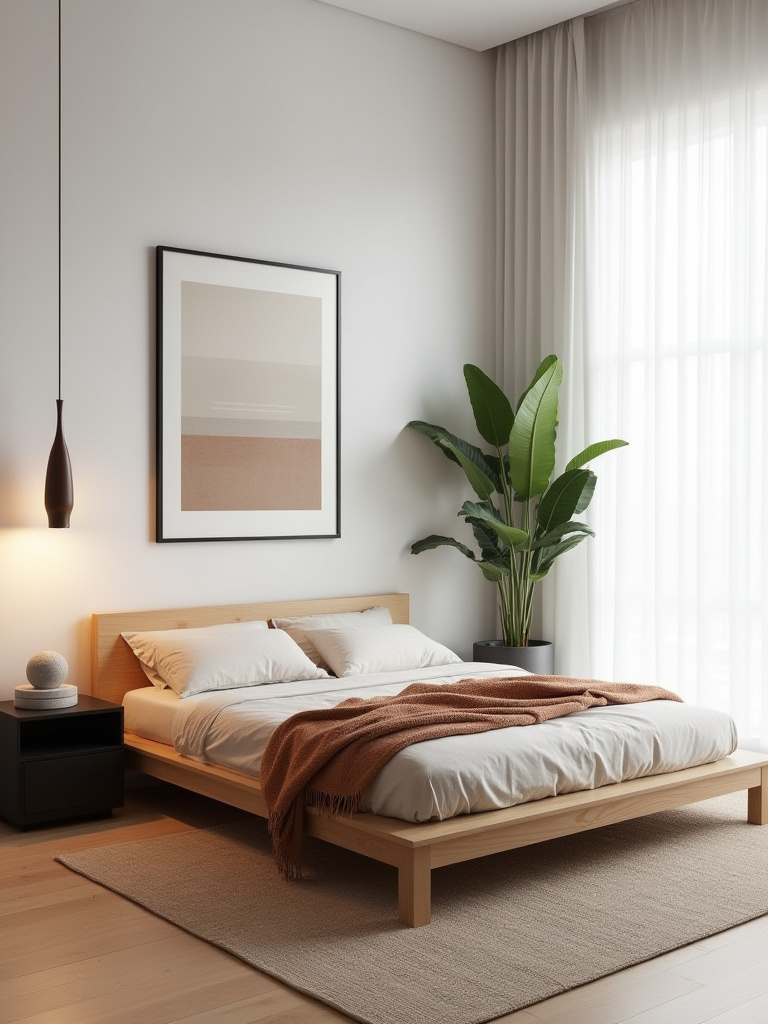
A frequent pitfall is compiling inspiration boards without dissecting why certain rooms resonate. Is it the natural wood tones? The uncluttered surfaces? The interplay of light and texture? Identifying these core elements forms your authentic style compass, preventing costly mismatches and fostering a space that feels genuinely comforting.
With this foundation, you can thoughtfully assess and integrate your existing belongings.
2. Embrace Ruthless Decluttering to Instantly Elevate Your Space
Removing excess items is the most transformative and budget-friendly design strategy. Every object contributes visual “noise” that taxes your brain. Decluttering isn’t mere tidying-it’s about silencing distractions to create mental breathing room. The spaciousness you experience is a genuine cognitive relief.
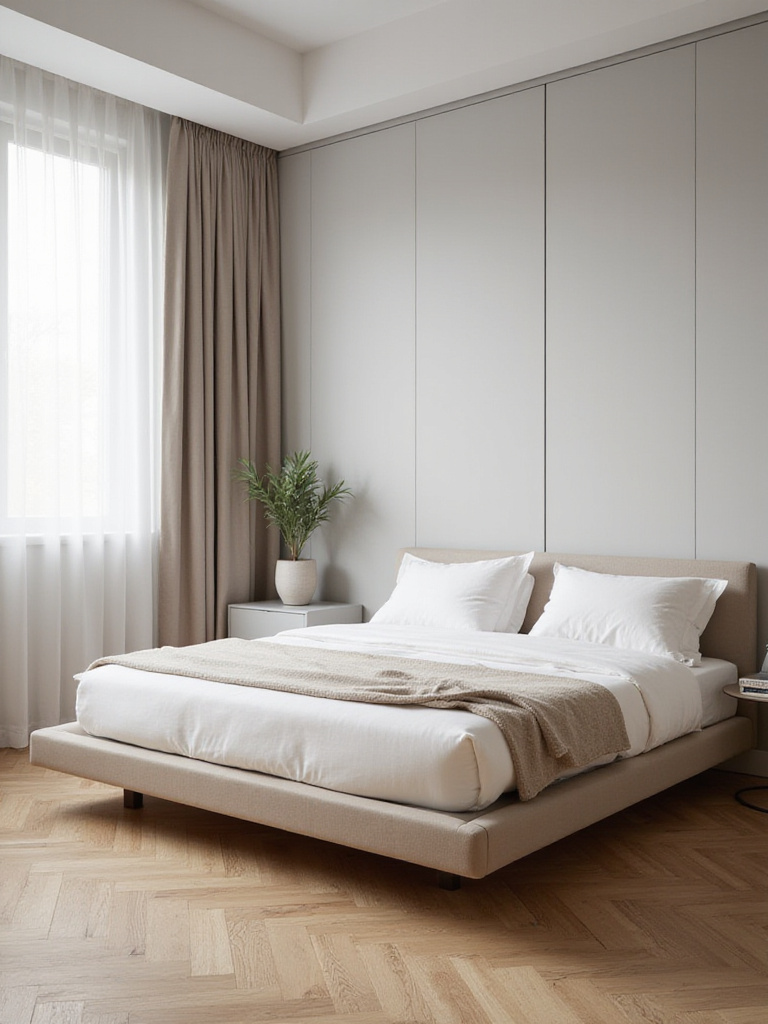
Contrary to popular advice, buying storage bins before decluttering only masks the problem. First, eliminate anything that doesn’t serve a clear function or bring you joy. Empty every drawer and surface, handling each item once-keep, donate, or discard. This disciplined approach is essential for cultivating tranquility.
Once cleared, you have a blank canvas to introduce a calming color scheme.
3. Opt for a Refined Neutral Palette to Enhance Calmness
Neutral tones form the backbone of a peaceful environment. Shades like creamy whites, gentle grays, and warm taupes aren’t dull-they provide a subtle stage that soothes the senses. Unlike vivid hues that demand attention, neutrals offer a restful visual experience, reflecting light and expanding perceived space. This is why spas and meditation rooms favor muted colors over bold accents.
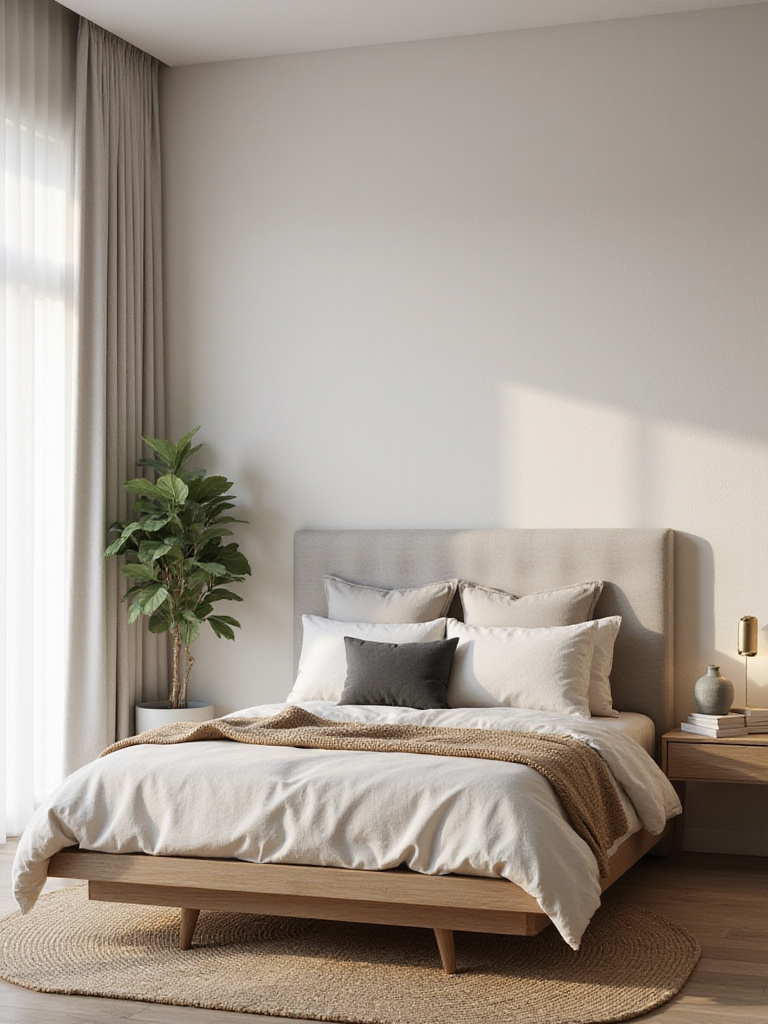
Beware of mixing undertones carelessly; pairing cool grays with warm beiges can create subtle visual tension. Test paint samples on your walls and observe them under different lighting conditions throughout the day. Select a primary neutral and complement it with shades from the same undertone family to build depth without discord.
This serene color foundation perfectly complements the next vital element: natural light.
4. Harness Natural Light to Brighten and Energize
Sunlight is more than illumination-it connects you to the outdoors, influencing mood and energy. A sunlit room feels more spacious, fresh, and alive. The Japanese concept of shakkei, or “borrowed scenery,” emphasizes integrating external views to enrich interior spaces. Maximizing daylight is crucial for balancing vitality and calm.
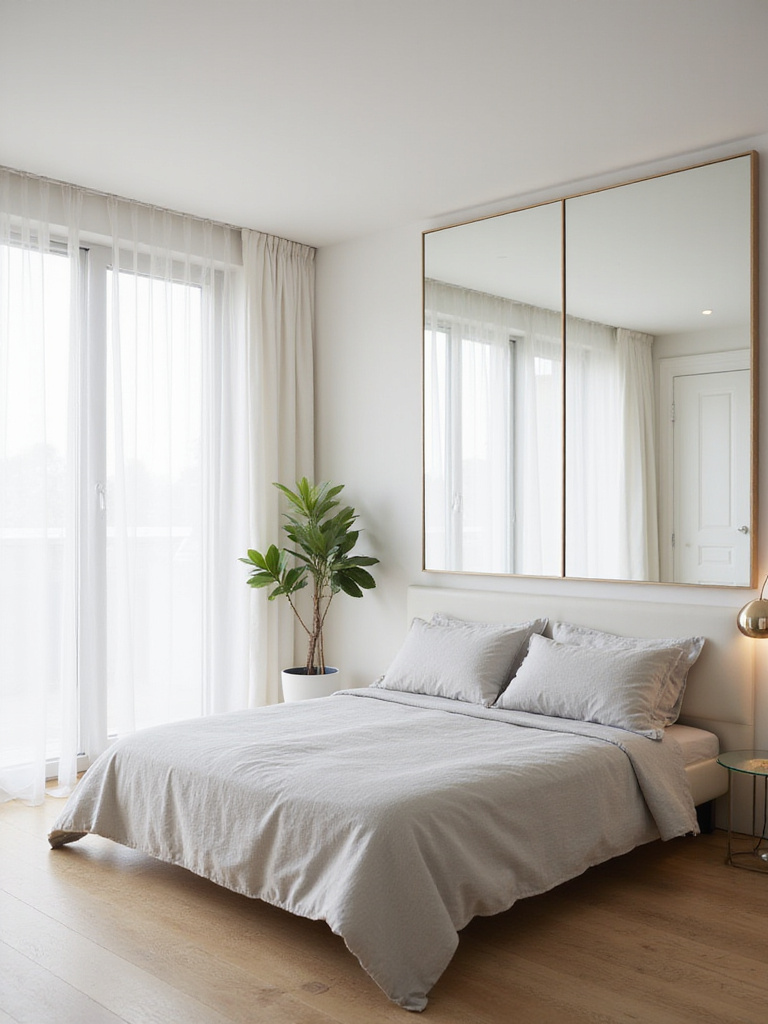
Avoid heavy drapes that obscure windows even when open. Instead, choose light-colored sheer curtains mounted wider and higher than the window frame to reveal the full glass area. Positioning a large mirror opposite the window can double the natural light, amplifying brightness and openness.
With a luminous, airy room, the next step is ensuring smooth navigation through the space.
5. Design Furniture Layouts That Promote Effortless Movement
Thoughtful spatial planning is an understated luxury. Poor layouts cause frustration-tight squeezes, blocked drawers, awkward pathways. Good flow respects empty space (ma) as much as furnishings, allowing free movement and a subconscious sense of ease.
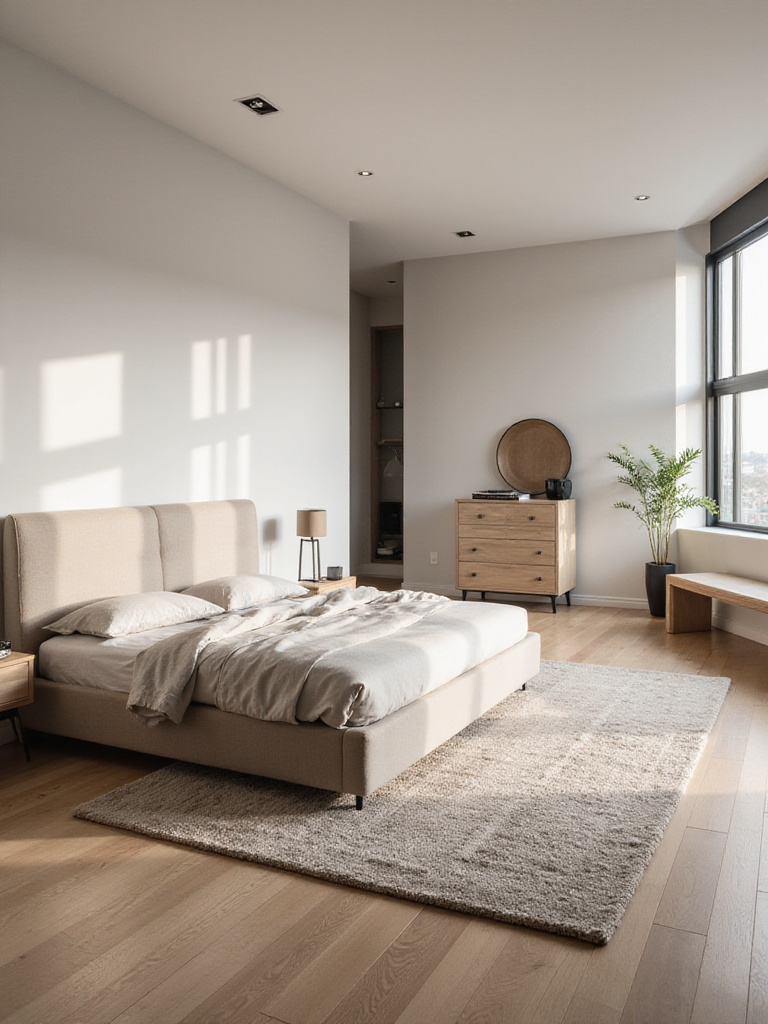
Before shifting heavy furniture, use painter’s tape to outline pieces on the floor. Walk through the space to test accessibility-can you easily move from door to closet? Is there enough clearance on both sides of the bed? This simple exercise prevents costly mistakes and ensures a comfortable layout.
With your spatial blueprint ready, it’s time to select the key furnishings that will define your room.
Essential Furnishings: Choosing and Positioning Modern Pieces
Furniture serves as the room’s sculptural foundation. Selecting the right items brings quiet confidence; the wrong ones add clutter. Here’s how to choose with purpose.
6. Favor Low-Profile, Sleek Furniture for a Minimalist Vibe
Furniture that sits low to the ground fosters stability and calm by lowering the room’s visual center of gravity, making ceilings feel taller and spaces more grounded. This echoes traditional Japanese interiors where life unfolds closer to the floor. Clean, unadorned lines prevent visual distractions, allowing the eye to glide smoothly.
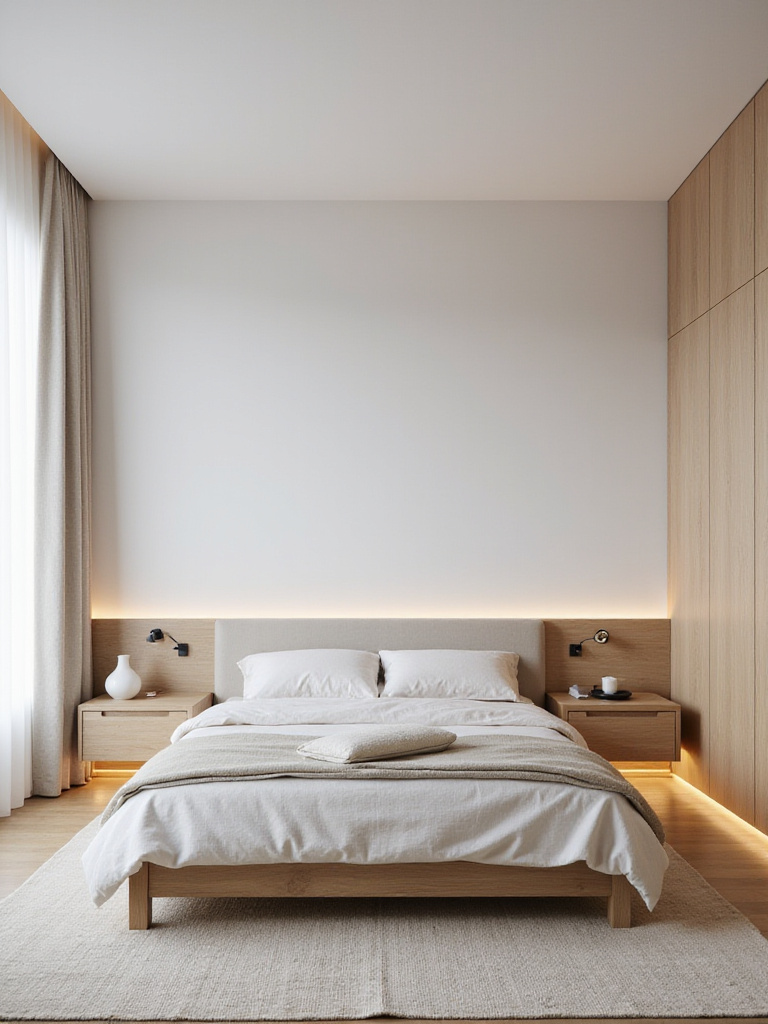
Minimalism doesn’t mean cold or uncomfortable. Balance sleek furniture with tactile elements-a soft wool rug beneath a streamlined platform bed, linen bedding with rich texture-to create a warm, inviting retreat. The interplay of smooth and textured surfaces adds sophisticated comfort.
7. Highlight Platform Beds as the Modern Bedroom’s Anchor
The platform bed epitomizes modern simplicity. Its design eliminates bulky box springs and bed skirts, presenting a unified, clean silhouette. This reduces visual clutter and reinforces the grounded, low-profile aesthetic. It’s a perfect example of “less is more.”
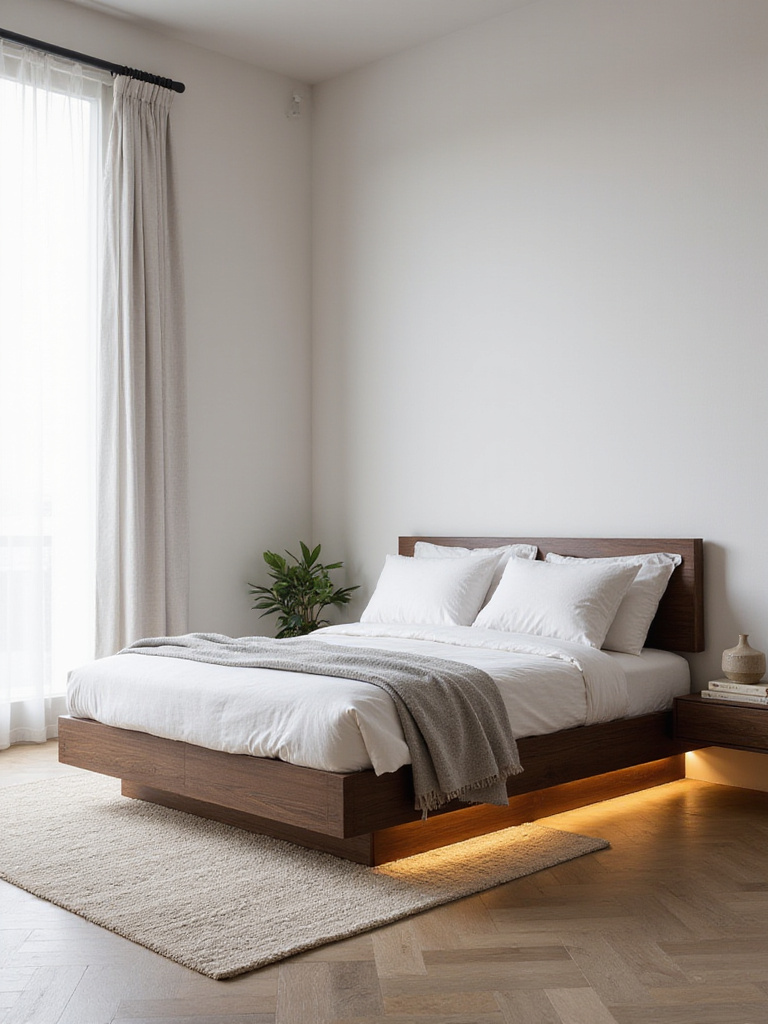
Beyond looks, platform beds offer practical benefits. Unlike creaky antique frames, a well-constructed platform bed with sturdy slats provides silent, stable support, enhancing sleep quality. It’s furniture designed for restful nights, not just aesthetics.
8. Fine-Tune Furniture Placement for Smooth Daily Use
Building on initial planning, this step focuses on precise spacing-ensuring at least 30 inches for main pathways and easy bed-making without awkward contortions. A room that looks good but feels cramped fails its purpose.
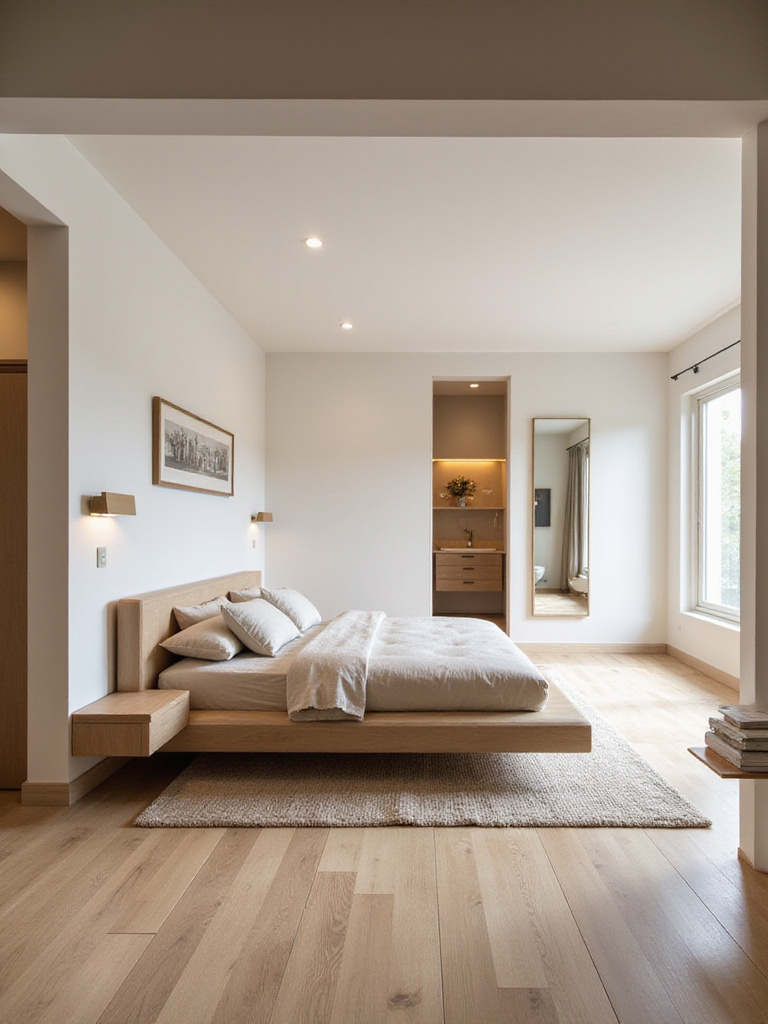
Resist the urge to fill every corner. An unused nook left empty breathes life into the room. Question each piece: does that oversized chair truly belong? Often, removing one unnecessary item opens the space more than adding several new ones.
9. Incorporate Concealed Storage to Maintain Visual Calm
Visible clutter disrupts serenity. Hidden storage solutions-like platform beds with built-in drawers, benches with lift-up tops, or sleek wardrobes with flush doors-combine function and minimalism. These smart pieces keep belongings out of sight, preserving the room’s peaceful vibe.
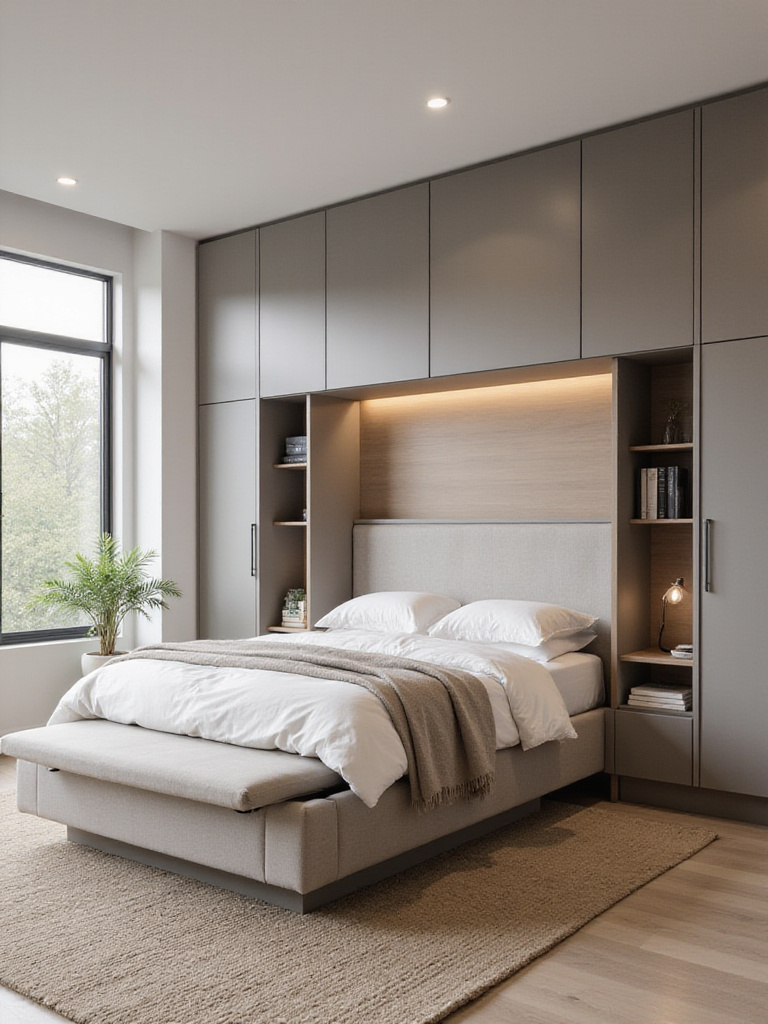
For example, replacing overflowing plastic hampers with a stylish storage bench featuring built-in compartments instantly eliminates visual chaos. The goal is to mask everyday mess behind a calm, elegant facade.
10. Choose Floating Nightstands for Sleekness and Ease
Traditional nightstands break the floor’s visual line and collect dust. Wall-mounted floating nightstands create an uninterrupted floor plane, making the room feel larger and more open. They also simplify cleaning-a small but meaningful convenience.
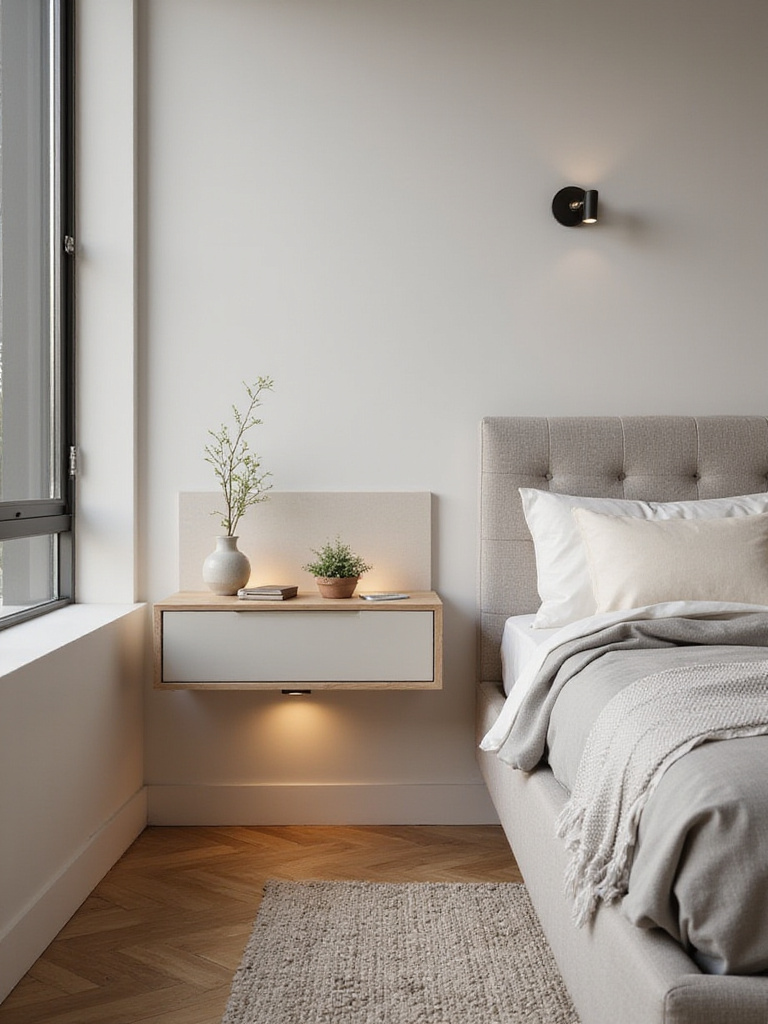
Proper installation is key: mount nightstands at mattress height for seamless integration and manage cords meticulously. Conceal cables inside walls or use color-matched raceways to avoid visual clutter from dangling wires.
Creating Ambiance: Lighting, Textures, and Artistic Touches
While furniture shapes the room, lighting, textiles, and art breathe life and personality into it.
11. Layer Lighting for Flexible Mood Settings
Relying solely on harsh overhead lighting kills ambiance. Layered lighting-ambient, task, and accent-allows you to tailor the room’s energy. Ambient light provides general illumination, task lighting supports activities like reading, and accent lighting adds warmth and drama.
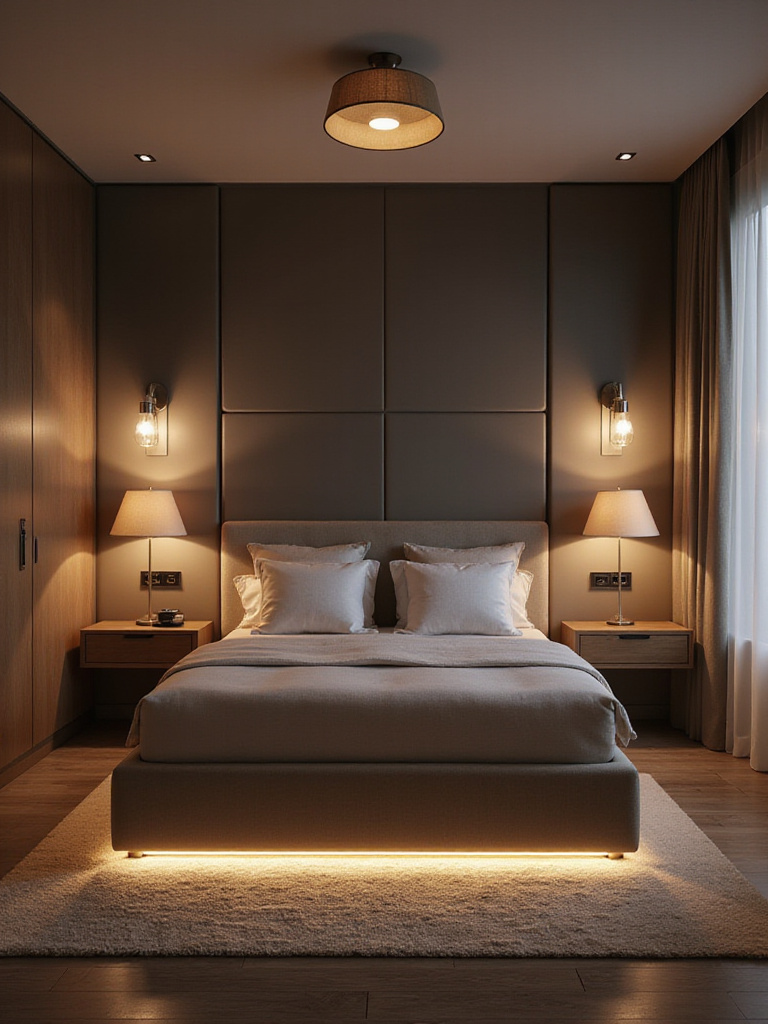
Prioritize warm light bulbs around 2700K, mimicking sunset hues rather than clinical white. Use dimmers and smart bulbs to create “scenes” like a gentle sunrise alarm or a cozy wind-down glow, programming your environment to support your natural rhythms.
12. Invest in Premium Linens for Ultimate Comfort
Your bedding is the largest tactile surface you interact with nightly. Choose high-quality natural fabrics such as long-staple cotton or linen for breathability, softness, and temperature regulation, all contributing to restorative sleep.
Explore premium bed linens on Amazon
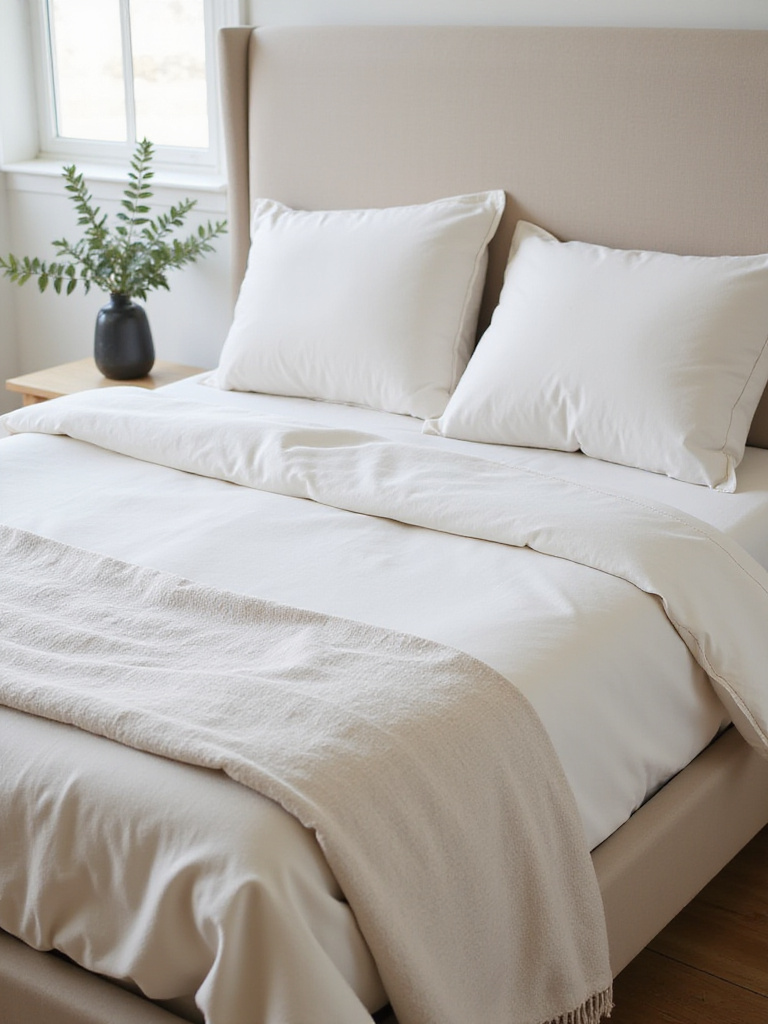
Ignore thread count marketing; fiber quality matters most. Egyptian or Pima cotton and authentic European linen offer superior feel and durability, making them worthwhile investments.
13. Layer Textures with Rugs and Throws for Warmth
A space filled only with smooth surfaces can feel sterile. Incorporate tactile elements like plush wool rugs, chunky knit throws, and textured pillows to add depth and coziness. These materials also absorb sound, enhancing quietness.
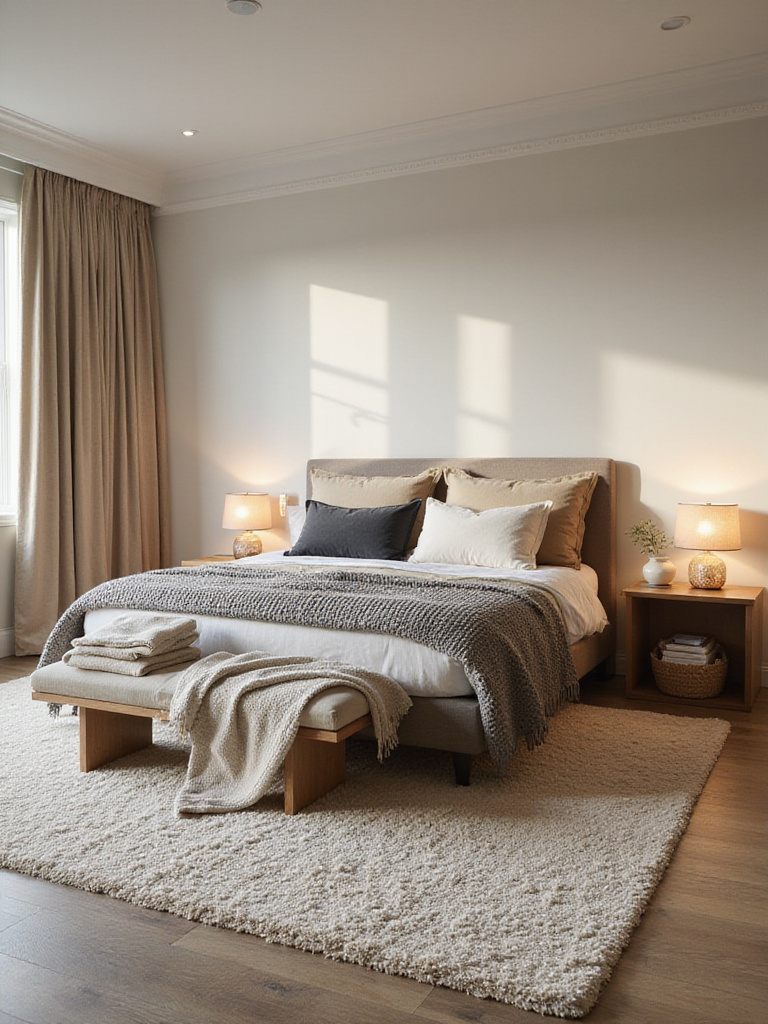
Texture doesn’t have to be bold. A monochromatic scheme with varied materials-like crisp cotton sheets, a ribbed coverlet, and a faux-fur pillow-creates a serene yet luxurious feel.
14. Select Minimalist Art for Calm, Impactful Walls
Art should invite quiet reflection, not overstimulation. One large, simple piece with restrained colors and clean lines is more effective than a cluttered gallery wall. Negative space around the artwork amplifies its presence and maintains the room’s uncluttered vibe.
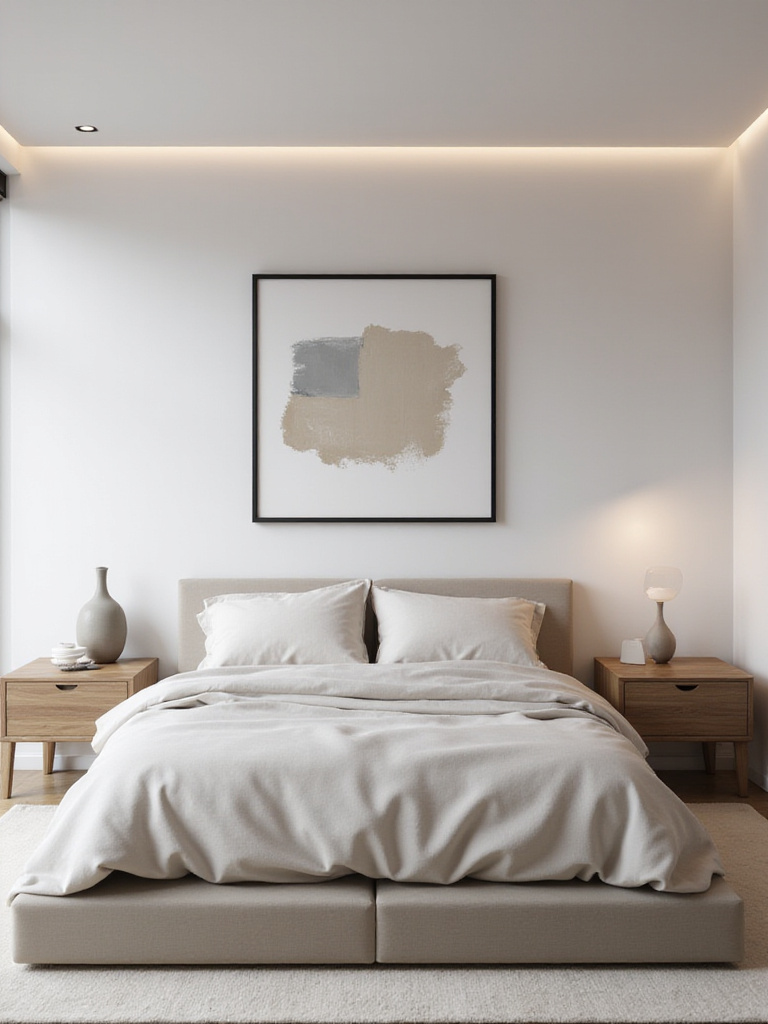
Scale matters: art should be roughly two-thirds the width of the furniture it hangs above. When uncertain, opt for a larger piece to create a confident focal point.
15. Bring Life with Indoor Plants in Stylish Planters
Plants introduce organic shapes, natural hues, and vitality, softening modern furniture’s hard edges. They also improve air quality and reduce stress, embodying biophilic design principles. A tall Fiddle Leaf Fig or trailing Pothos can instantly refresh a room.
Shop modern planters on Amazon
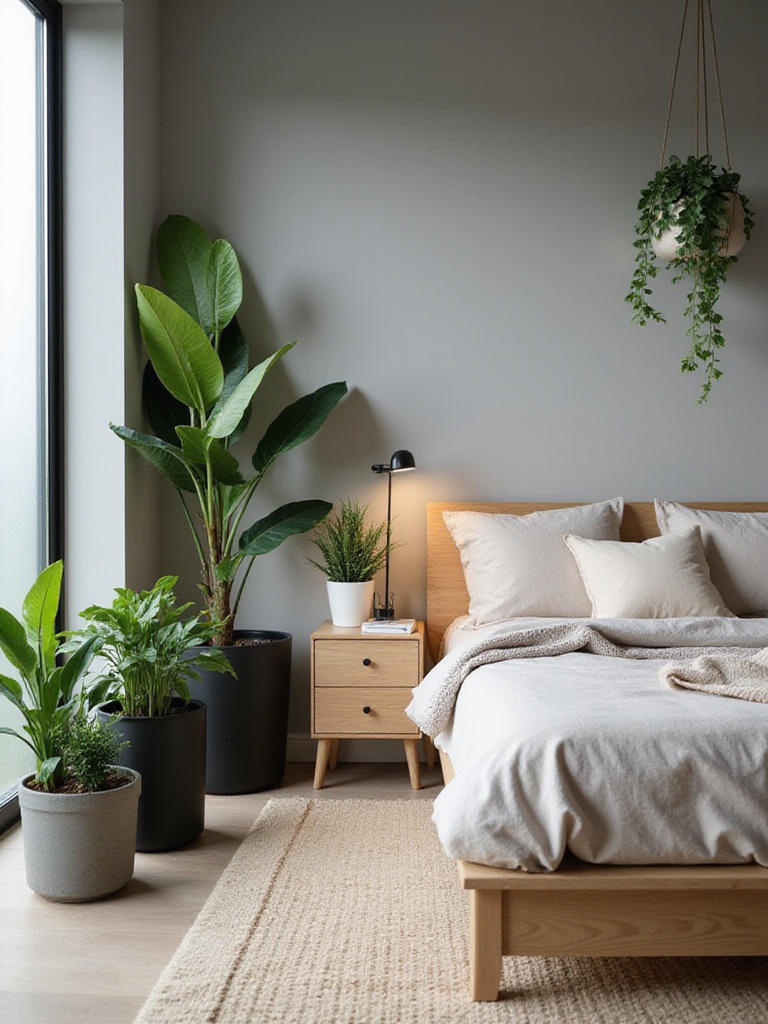
Choose planters that complement your decor-ceramics, matte black metal, or warm concrete. Snake Plants are ideal bedroom companions, as they’re low-maintenance and release oxygen overnight.
16. Add a Single Bold Accent Color for Visual Interest
After establishing a calm neutral base, a solitary pop of vibrant color injects personality and sophistication. Select one hue-such as deep emerald, burnt orange, or rich cobalt-and apply it sparingly to a few statement pieces like a velvet chair, cushion, or artwork.
Find bold accent chairs on Amazon
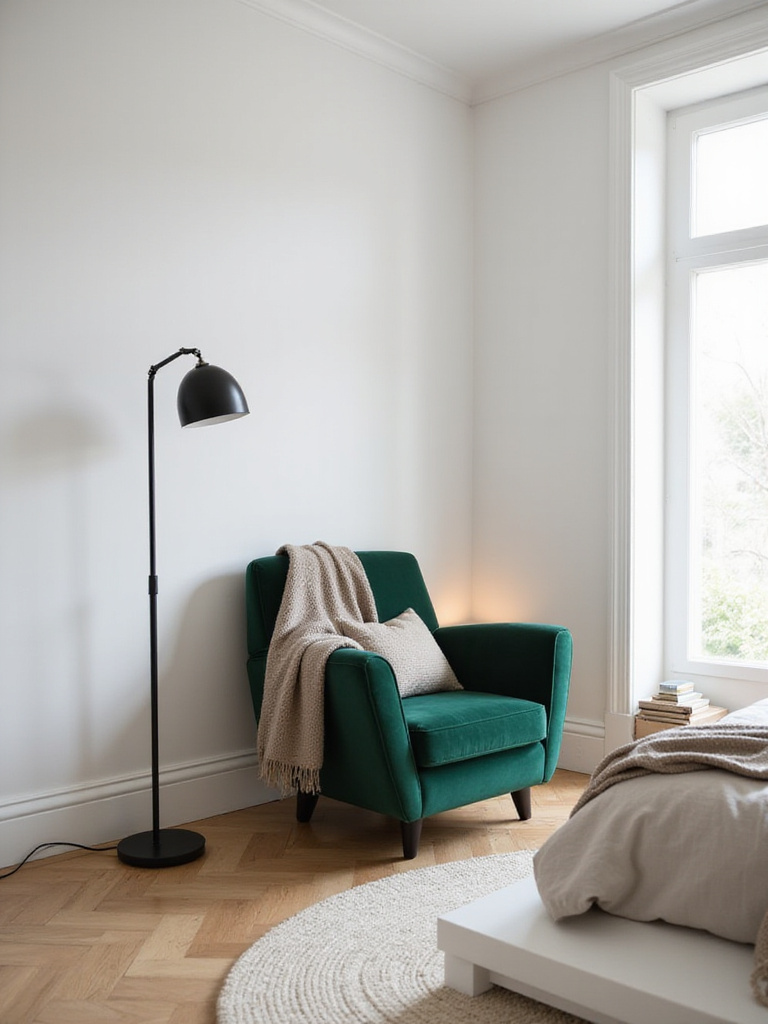
Avoid mixing multiple bright colors, which creates visual chaos. Limiting to one accent color maintains cohesion and elegance.
Elevating Functionality: Smart Tech and Personal Flourishes
Transform your bedroom from stylish to smart and intimate by integrating technology thoughtfully and adding personal touches.
17. Incorporate Smart Devices to Boost Comfort and Ease
Technology should unobtrusively support relaxation. Consider smart blinds that open gradually to mimic sunrise or lighting systems that adjust color temperature to your sleep cycle, shifting to warm tones before bedtime. These subtle automations foster restful routines.
Browse smart bedroom gadgets on Amazon
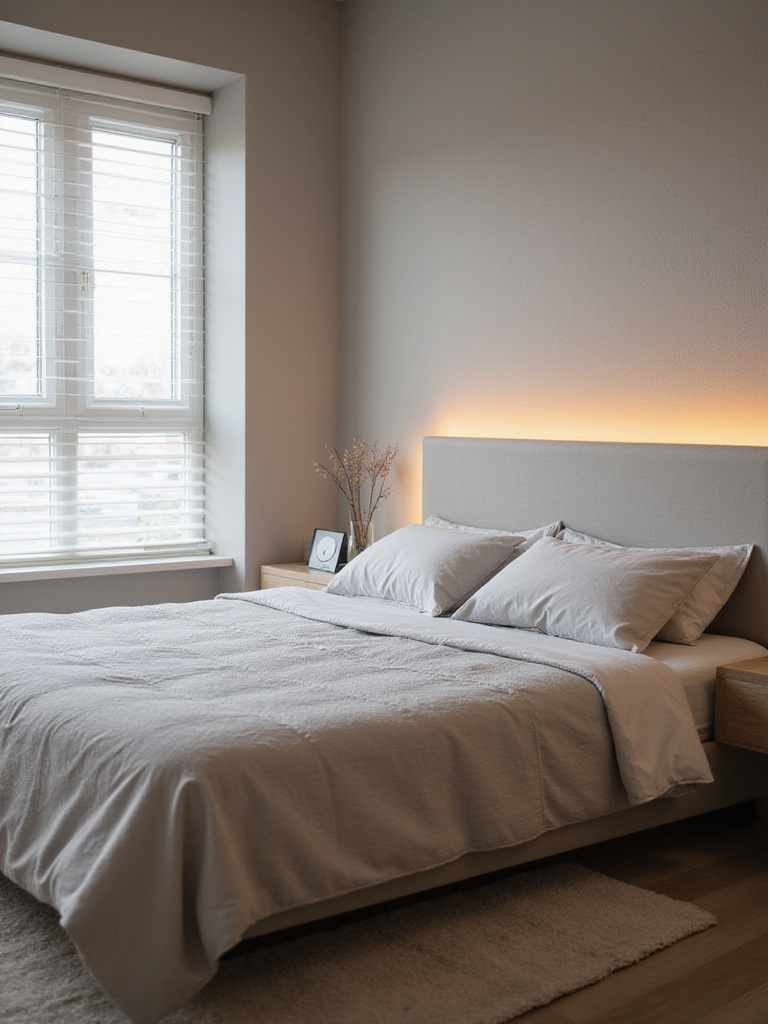
Start small-address one issue at a time. For example, replace a jarring alarm with a sunrise light or install a smart thermostat for consistent temperature. Simple routines, like a “Good Night” voice command that dims lights and activates white noise, can significantly reduce nightly friction.
18. Use Mirrors Strategically to Amplify Space and Light
Mirrors reflect light and create depth, making rooms appear larger and brighter. Position them to highlight attractive views or features, avoiding reflections of clutter.
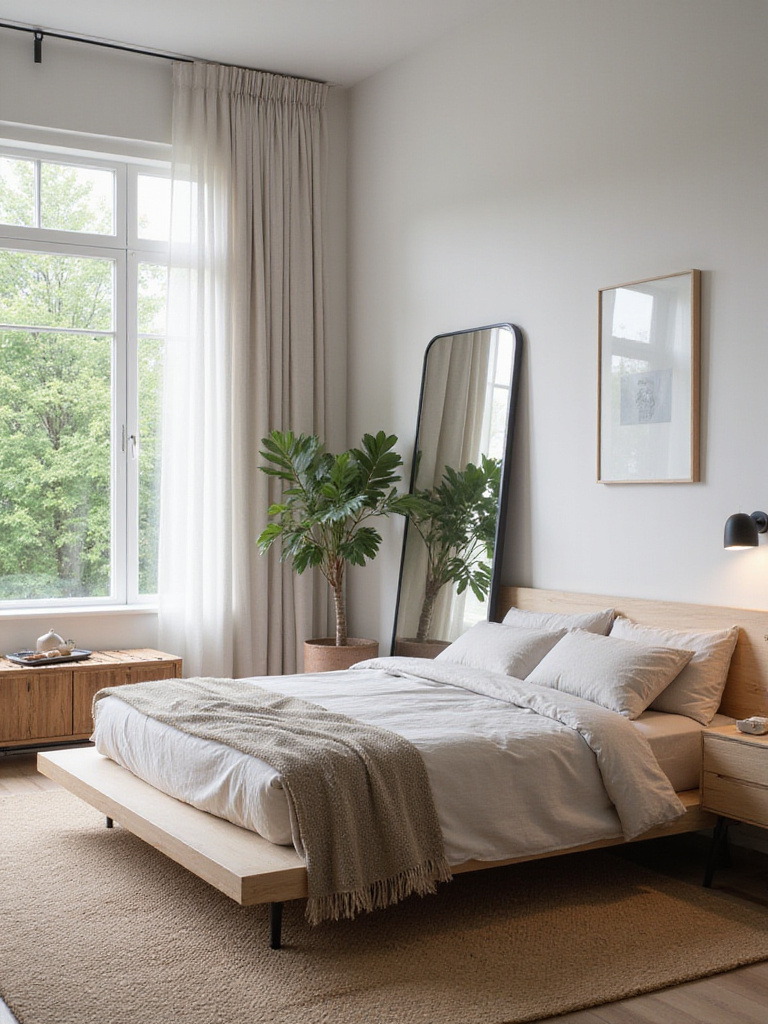
Leaning a tall mirror against a wall adds a relaxed, contemporary feel compared to formal hanging.
19. Create a Tech-Free Reading Corner for Mental Recharge
Designate a cozy nook free from screens to foster mindfulness. A comfortable chair, warm task lighting, and a small side table suffice. This space encourages reading physical books, meditation, or quiet reflection, helping reduce digital overload and improve sleep quality.
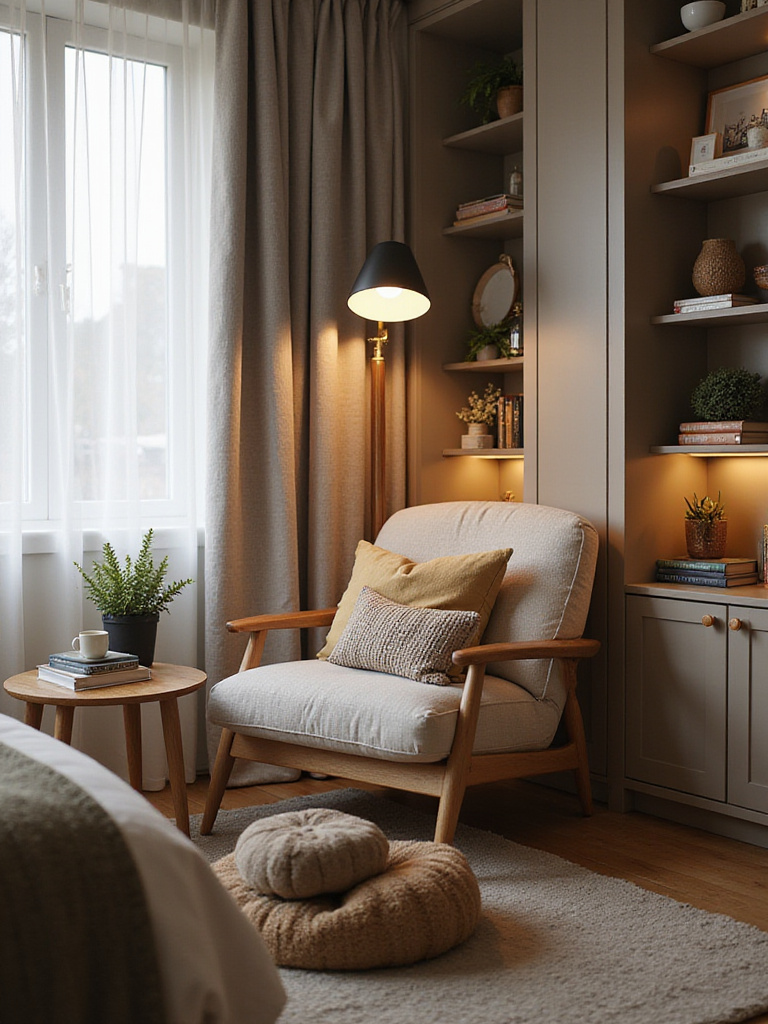
Encourage a nightly ritual of spending time here instead of scrolling on devices to promote faster, deeper sleep.
20. Curate Meaningful Keepsakes to Personalize Your Space
Personal items add soul but must be curated thoughtfully. Select a few cherished objects-a photograph, a special book, a travel memento-and display them intentionally, grouped in odd numbers with ample breathing room.
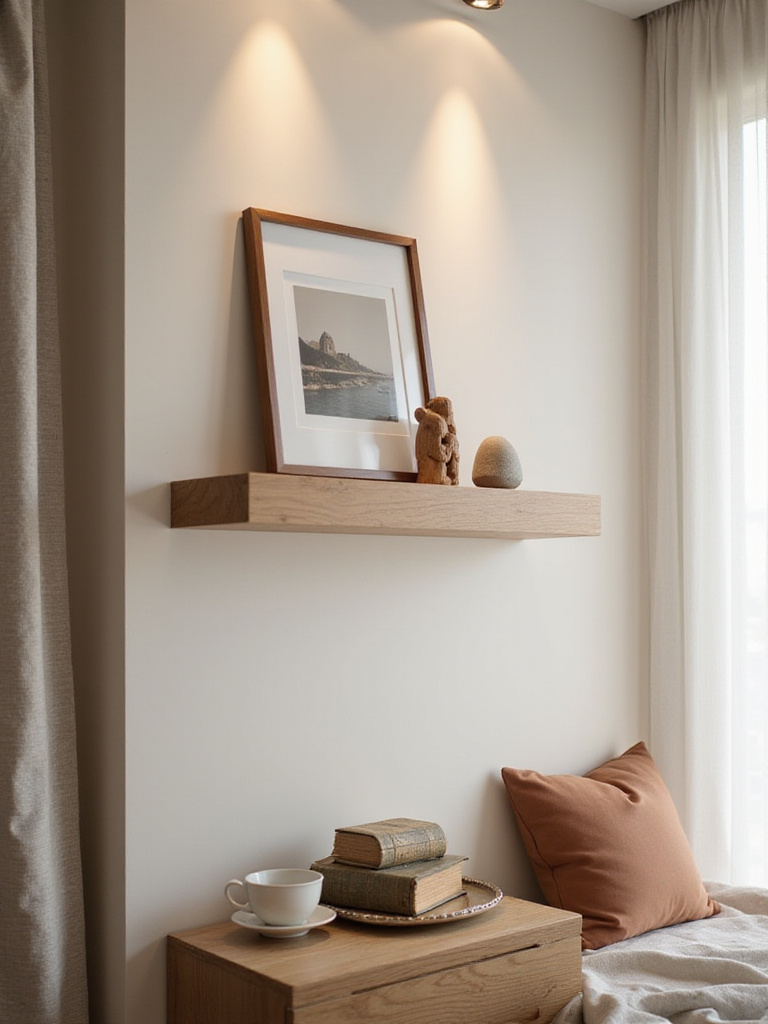
Resist overcrowding surfaces. A single elegant tray holding a few meaningful items creates a quiet narrative and elevates the room’s sophistication.
21. Prioritize Durable, Timeless Furniture for Lasting Style
Cheap, trendy furniture often deteriorates quickly, contributing to waste. Investing in well-crafted, classic pieces-solid wood beds and dressers with quality joinery-ensures longevity and enduring beauty.
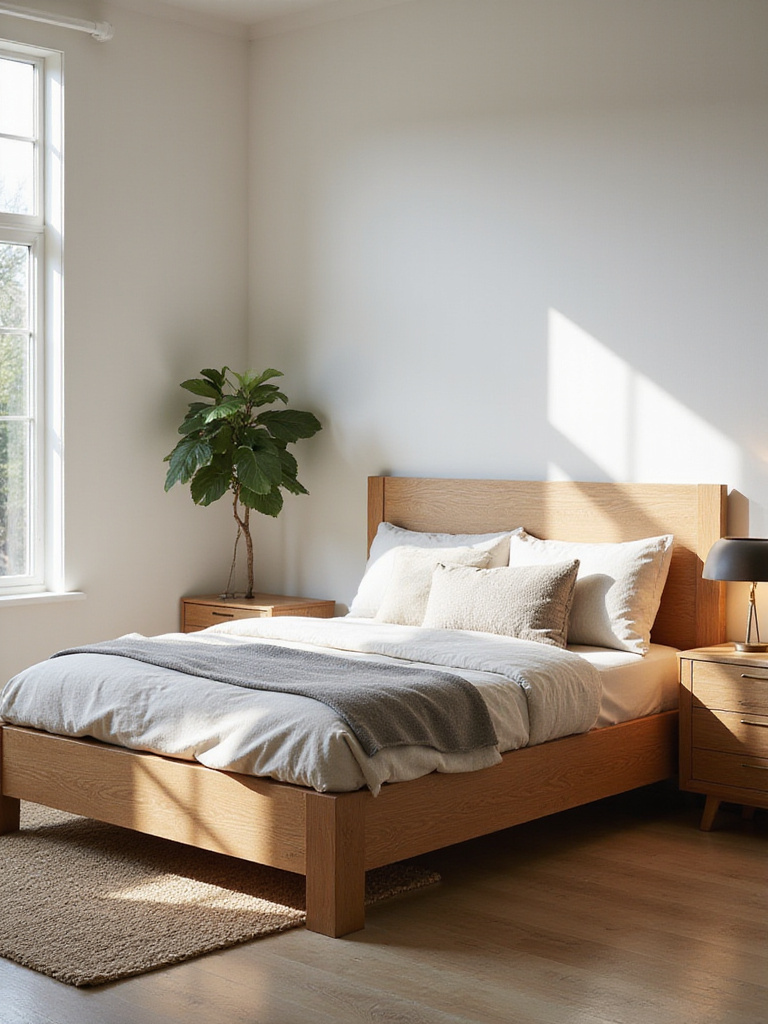
Though the initial cost is higher, quality furniture pays off by lasting decades and providing superior comfort. Vintage pieces often offer exceptional craftsmanship and unique character, making them excellent choices.
Designing a Restorative Haven for Your Well-Being
Transforming your bedroom into a modern, tranquil retreat is a mindful journey rather than a quick fix. Your surroundings profoundly influence your stress levels and restfulness. By cultivating a clear vision, decluttering intentionally, and selecting elements that balance beauty with calm, you create more than a room-you build a sanctuary.
This space honors your need for rest amid a hectic world, where technology supports rather than distracts, and every detail reflects your authentic self. Begin with one small step-clear your nightstand, invest in quality sheets, or add a plant-and watch your future self thank you for the peaceful refuge you’ve created.