Transforming a small living room into a comfortable and stylish haven is entirely achievable without compromising on coziness. Thoughtful design decisions can turn even the most compact spaces into multifunctional sanctuaries. By opting for furniture with gentle curves, arranging pieces to emphasize your room’s best attributes, and employing clever decor techniques, you can optimize every inch of your living area. Discover how subtle tweaks can enhance the perception of space while preserving the inviting atmosphere you desire.
Embracing Curved Furniture for Comfort and Flow
In tight living quarters, selecting furniture with rounded edges can dramatically soften the room’s overall feel. Curved sofas and chairs help to break up rigid lines, making the space feel more open and less confined.
Pair a crescent-shaped couch with compact nesting tables and a circular marble side table to boost usability without interrupting the room’s natural flow. These smooth contours foster a welcoming environment that visually expands the area by eliminating sharp angles that often make small rooms feel claustrophobic.
Highlighting Natural Light Through Window Arrangement
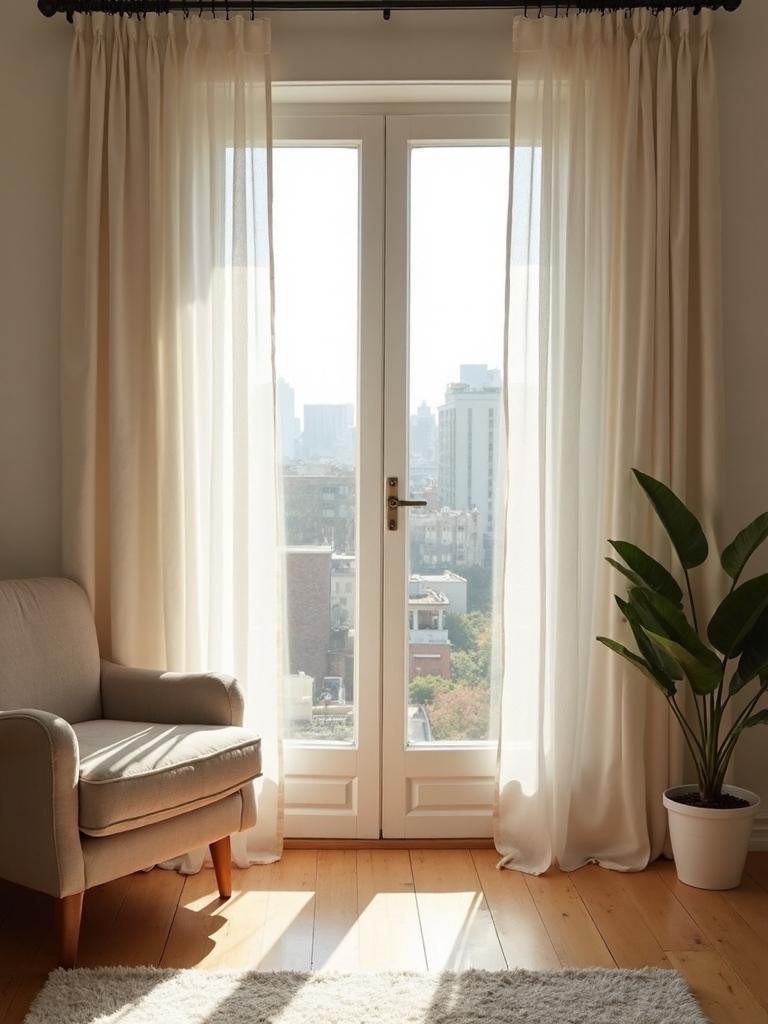
Positioning your seating to face or frame the window transforms it into a captivating focal point, instantly brightening and enlarging your living room. Stick to a neutral color scheme enhanced with tactile elements like plush faux fur throws and elegant lantern-style pendant lights to cultivate lasting comfort.
Incorporate floor-to-ceiling curtains to add depth and draw attention upward, allowing sunlight to pour in freely while turning outdoor views into dynamic artwork. This technique leverages natural features to make your space feel thoughtfully designed and more expansive.
Making the Fireplace the Room’s Heart
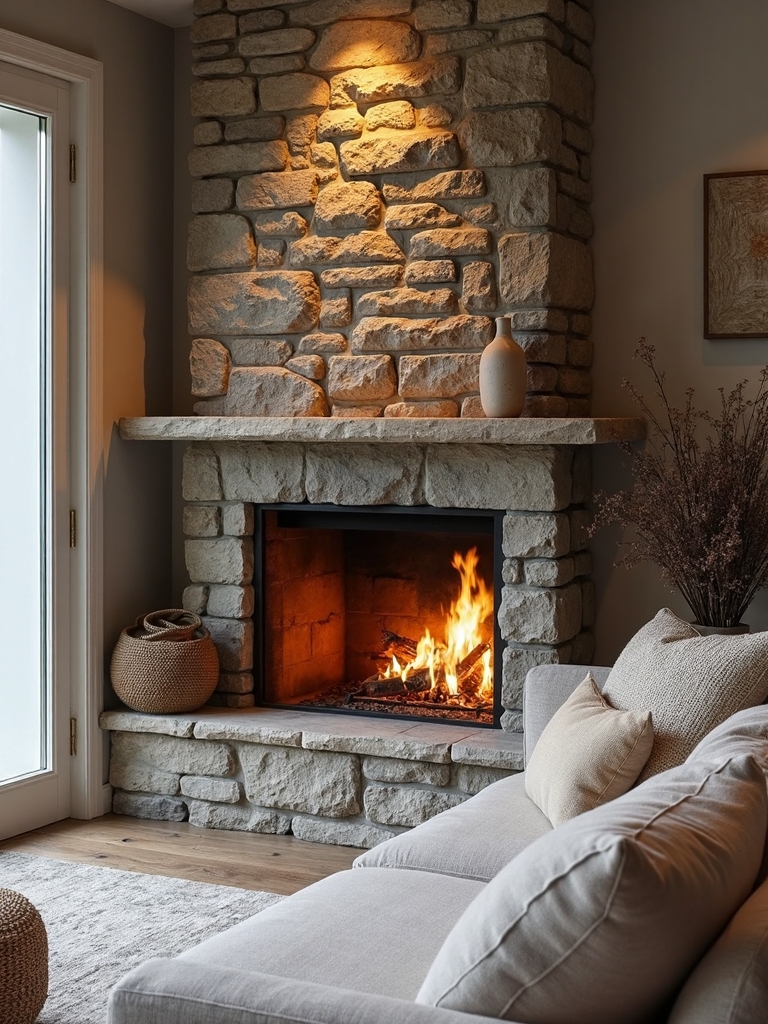
While windows bring in daylight, a fireplace offers a unique source of warmth and a strong visual anchor. Elevate your fireplace by installing a distinctive mantelpiece that adds charm and a sense of history.
If a functional fireplace isn’t an option, consider placing an antique mantel filled with flameless candles or topped with a decorative gilded mirror. Surround it with built-in shelving to showcase books and curated decor, and arrange seating to face this cozy hub, fostering intimate gatherings within your compact space.
Introducing Mural Wallpapers for Depth and Style
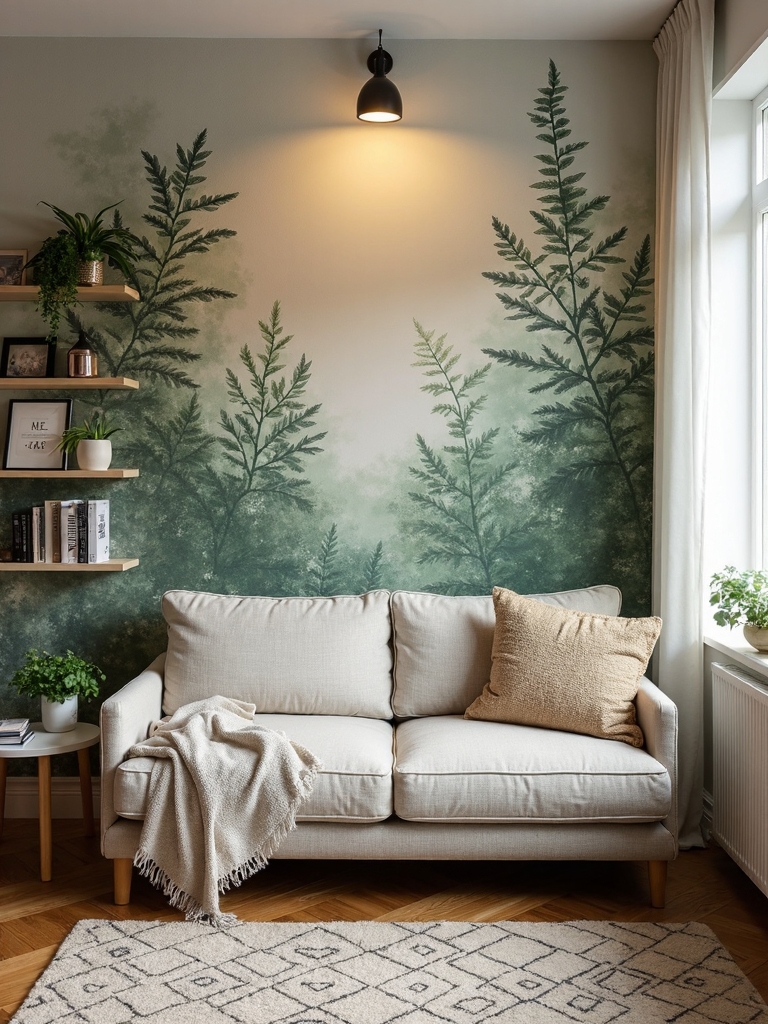
Inject personality and dimension into your small living room by applying mural wallpaper that doubles as artwork and architectural enhancement. This budget-friendly option offers a non-permanent way to introduce captivating visuals, such as serene landscapes or modern abstract designs, that visually broaden the room.
Coordinate the mural’s color scheme with your existing furnishings to maintain harmony. Layering tall drapes over windows complements the mural’s effect while preserving a snug ambiance. Unlike traditional wall hangings, murals transform your space into a distinctive and inviting environment.
Selecting an Oversized Sectional for Maximized Seating
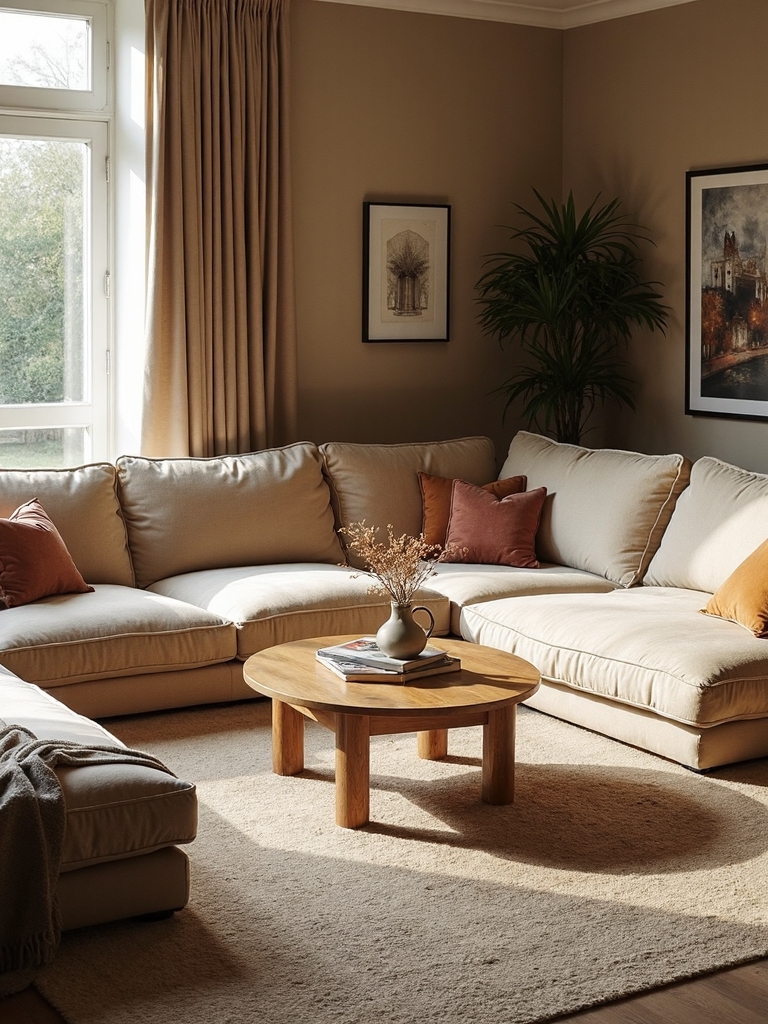
Contrary to popular belief, an oversized sectional can be a smart choice for small living rooms when used as a statement piece. It offers ample seating for family and guests while anchoring the room’s design.
High ceilings complement this approach by balancing the sectional’s scale, preventing the space from feeling cramped. Instead of cluttering the room with multiple small pieces, a single large sectional streamlines the layout and fosters a cozy, intentional atmosphere.
Using Bold Trim to Add Architectural Interest
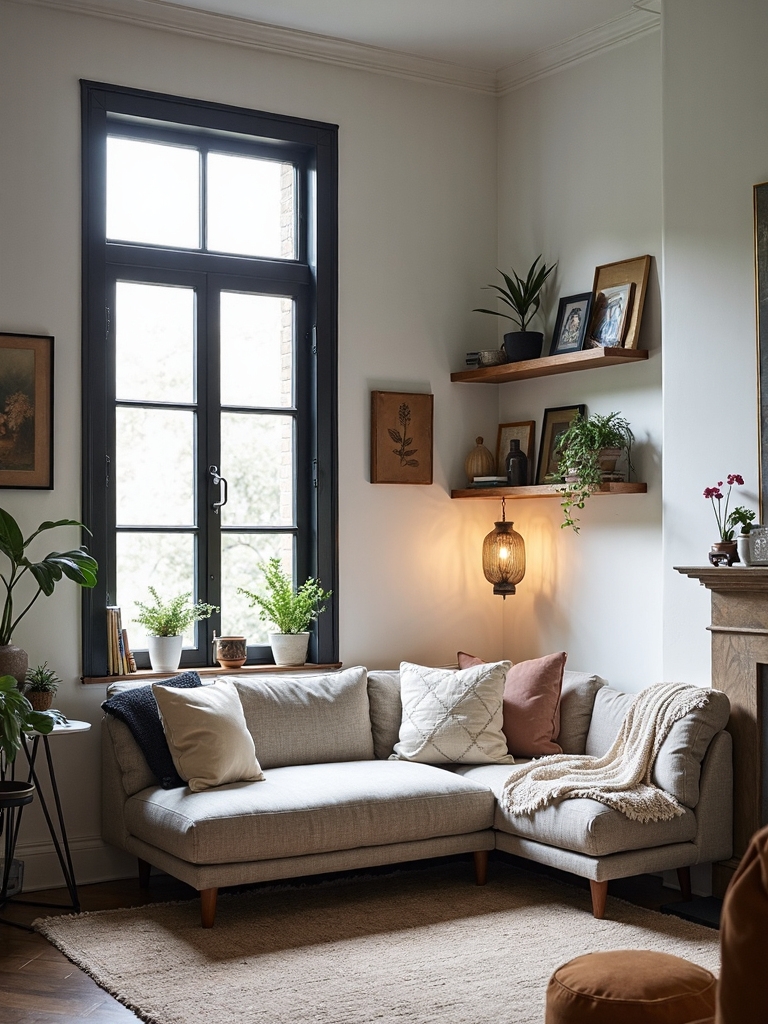
Elevate your small living room’s style by swapping standard white trim for vibrant, contrasting colors. This design tactic injects personality and sophistication, making the space feel deliberately styled rather than overlooked.
Try deep emerald green or rich navy blue trims against soft cream or beige walls to create striking visual layers. Bold trim draws the eye upward, adding depth and architectural flair that enhances the room’s perceived size and character.
Layering Patterns for Visual Richness

While minimalism is often recommended for small spaces, thoughtfully combining multiple patterns can transform your living room into a vibrant, personality-filled jewel box. Mix patterned curtains, upholstery, and rugs to add depth and interest.
Blues serve as an excellent base color-pair navy stripes with floral and geometric prints in varying scales. The secret lies in maintaining a unified color palette while varying pattern sizes, starting with a large-scale rug, medium-scale furniture fabrics, and smaller accent prints.
Neutral Tones for a Serene and Spacious Feel

For those who prefer a calmer aesthetic, neutral palettes offer a timeless way to make small rooms feel larger and more cohesive. Soft shades like warm beige, gentle gray, and creamy white create a tranquil backdrop that enhances natural light.
Incorporate subtle patterns through Roman shades or textured fabrics to add dimension without overwhelming the space. Mixing different textures in pillows, rugs, and curtains enriches the room’s visual appeal while maintaining a peaceful vibe.
Utilizing Vertical Space Above Windows
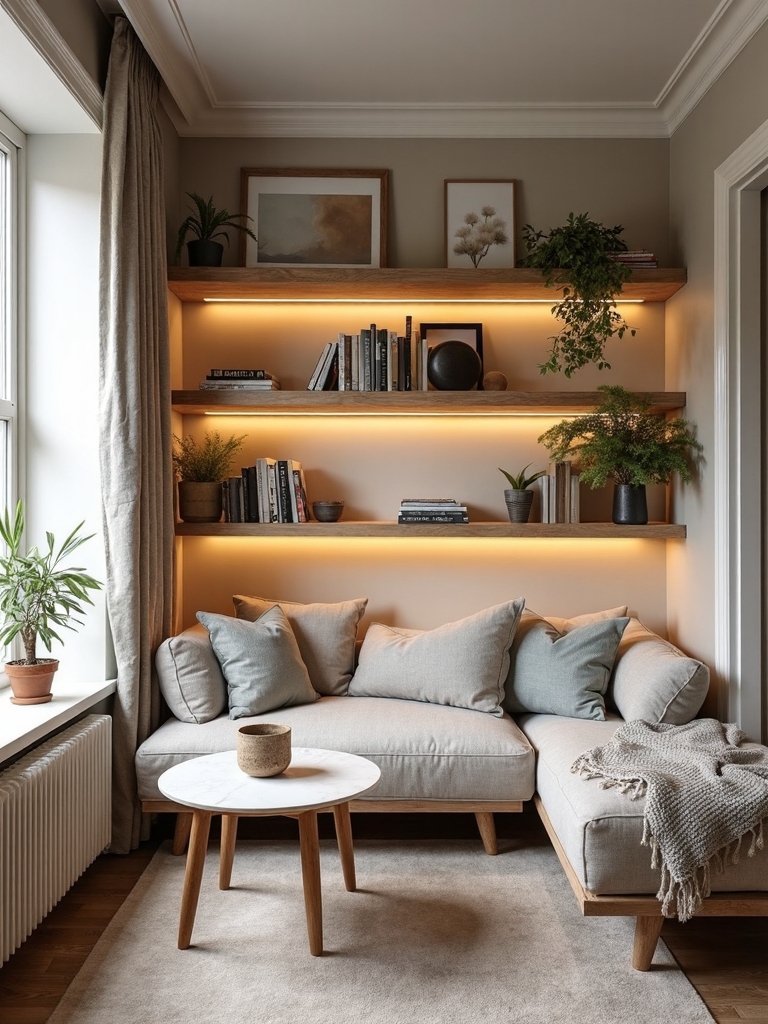
The area above windows is often neglected but offers valuable real estate for storage and display. Installing floating shelves here maximizes vertical space without encroaching on floor area, perfect for small living rooms.
Use these shelves to showcase books, plants, or decorative objects, drawing the eye upward and creating the illusion of higher ceilings. Adding subtle LED strip lighting beneath the shelves can enhance ambiance and highlight your curated displays.
Painting Ceilings to Enhance Room Dimensions
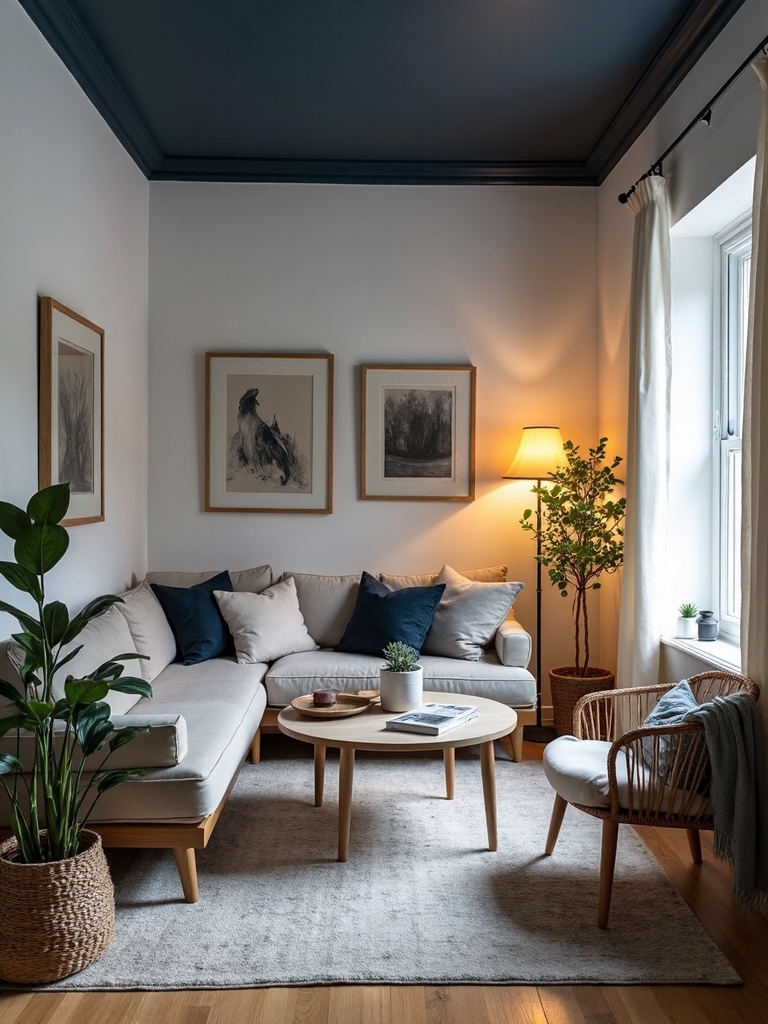
Ceilings are often overlooked in small room makeovers, yet painting them in rich, dark hues like charcoal or navy can add depth and intimacy. A glossy finish reflects light, creating a jewel-box effect that makes the space feel both cozy and expansive.
Contrasting ceiling colors with lighter walls visually separates the room’s planes, adding architectural interest and making the area feel more thoughtfully designed.
Soothing Color Schemes for Relaxation and Space
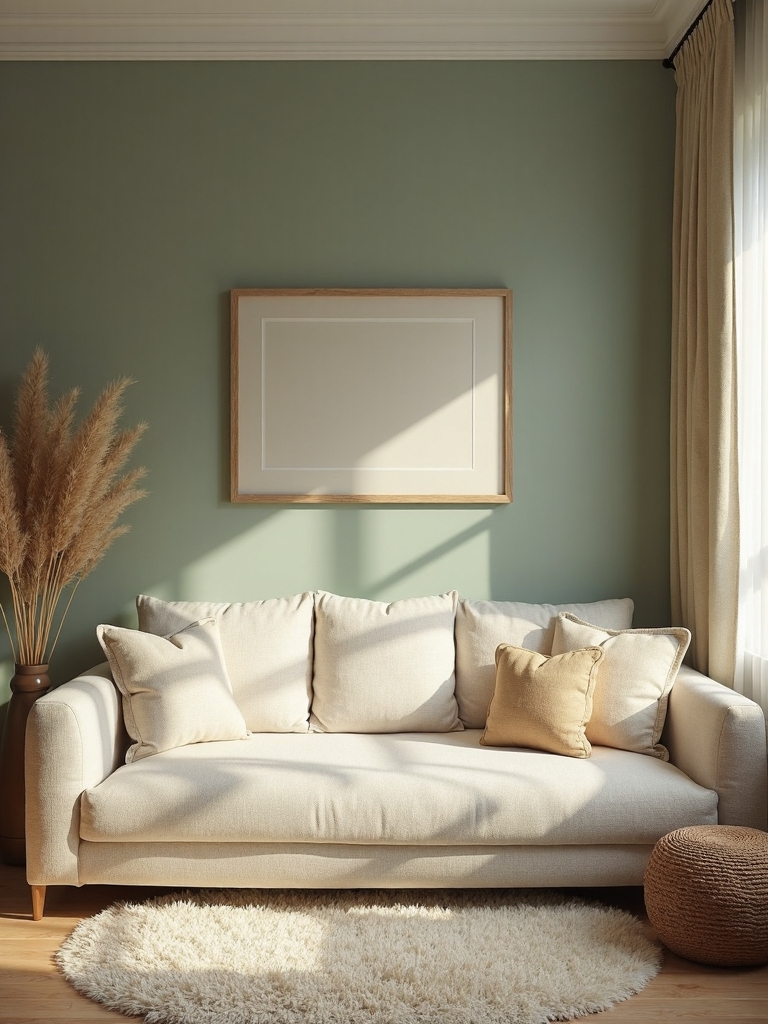
Soft, muted hues such as sage green, dusty blue, and warm taupe can transform confined rooms into peaceful retreats. These colors reflect light effectively, making walls appear to recede and the room feel more open.
Don’t hesitate to incorporate deeper shades like navy or charcoal, especially when balanced with ample lighting and light-colored furnishings. Painting walls, trim, and ceilings in complementary tones creates a seamless flow that visually enlarges your living space.
Investing in Quality Furniture for Lasting Style
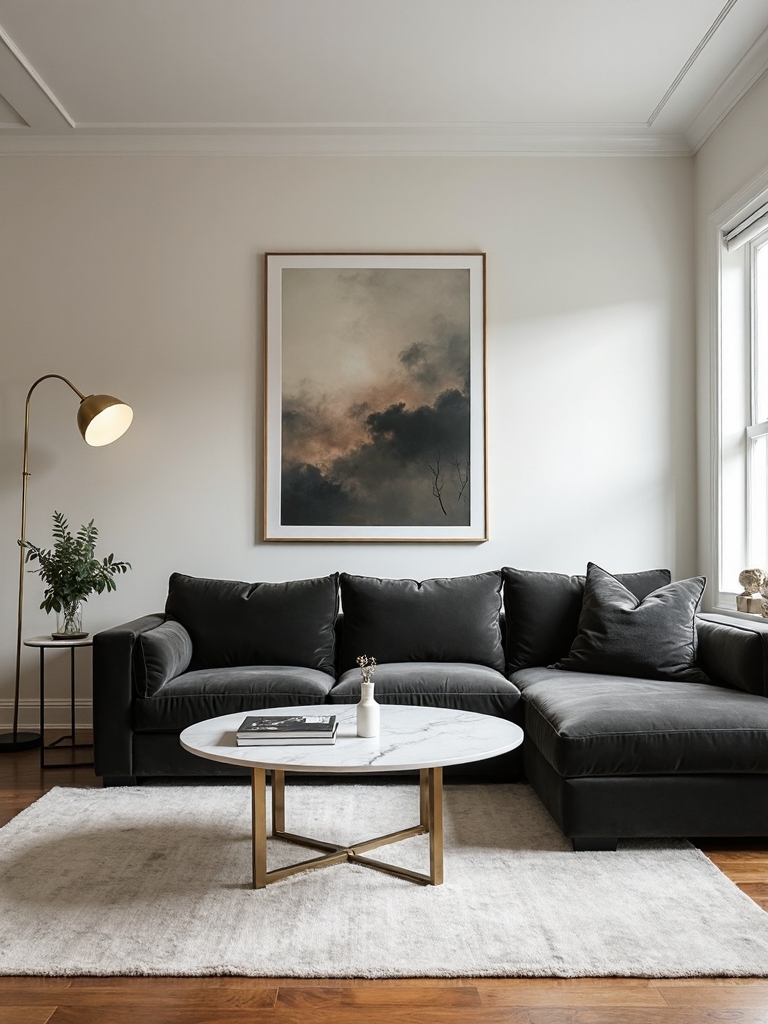
High-quality furniture elevates a small living room from cramped to chic, offering durability and timeless appeal. Opt for pieces that fit your space well-avoid oversized sectionals that overpower the room, and instead select well-scaled sofas and chairs.
Multi-functional furniture, such as daybed-style sofas or coffee tables with hidden compartments, enhances usability without clutter. Incorporating vintage or artisan pieces adds character and blends seamlessly with contemporary decor.
Adopting Minimalist Principles for Clarity and Comfort
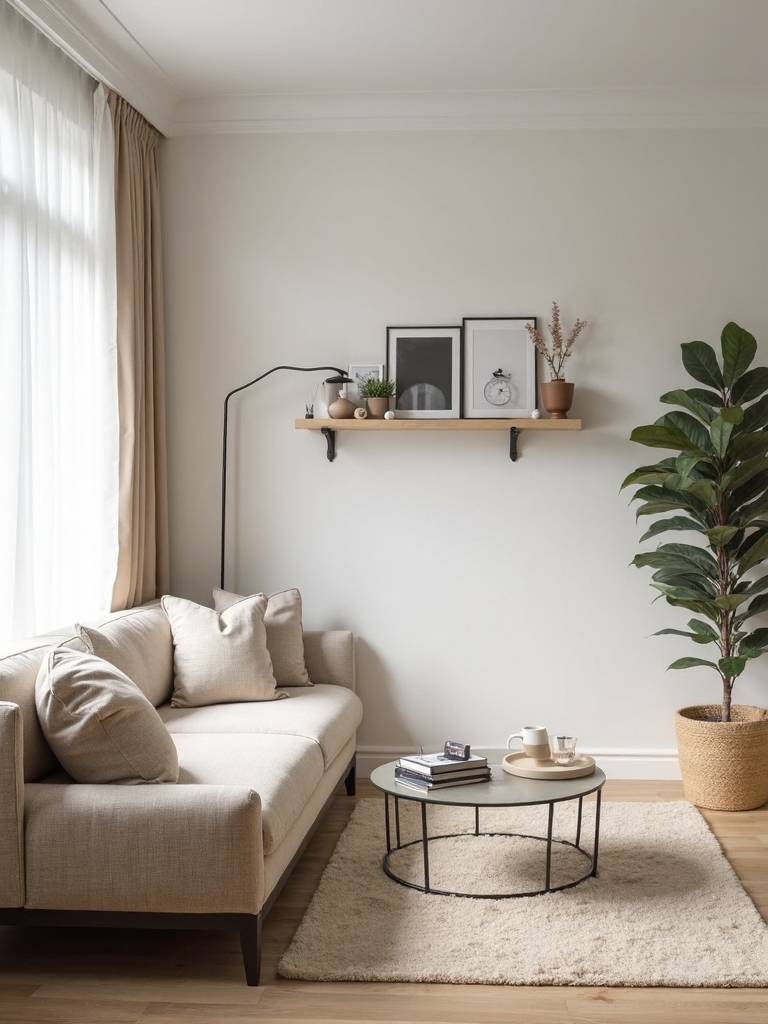
Minimalism transforms small spaces into serene, purposeful environments where every item has meaning. Incorporate natural materials like wood and stone to add warmth while maintaining clean, simple lines.
Choose compact side tables with sleek profiles and stick to neutral palettes-whites, soft grays, and beiges-to open up the room visually. Prioritize functionality and avoid clutter by selecting only essential decor, creating a balanced and breathable atmosphere.
Choosing Open-Design Furniture to Enhance Flow
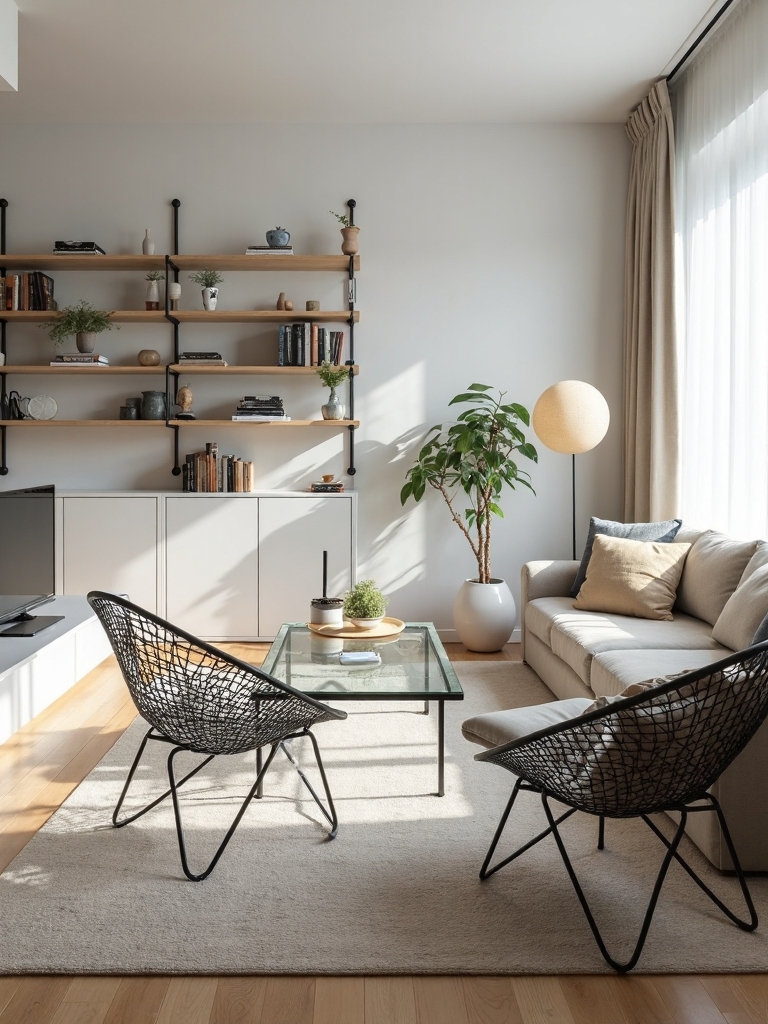
Furniture with open designs helps maintain sightlines and encourages movement, making your small living room feel more spacious and inviting. Consider a daybed-style sofa that doesn’t obstruct views and invites relaxation.
Opt for low-profile accent tables that provide surface space without dominating the room. Avoid bulky, closed-back furniture that can make the space feel boxed in. This approach fosters a seamless, airy ambiance.
Selecting Low-Profile Accent Tables for Functionality
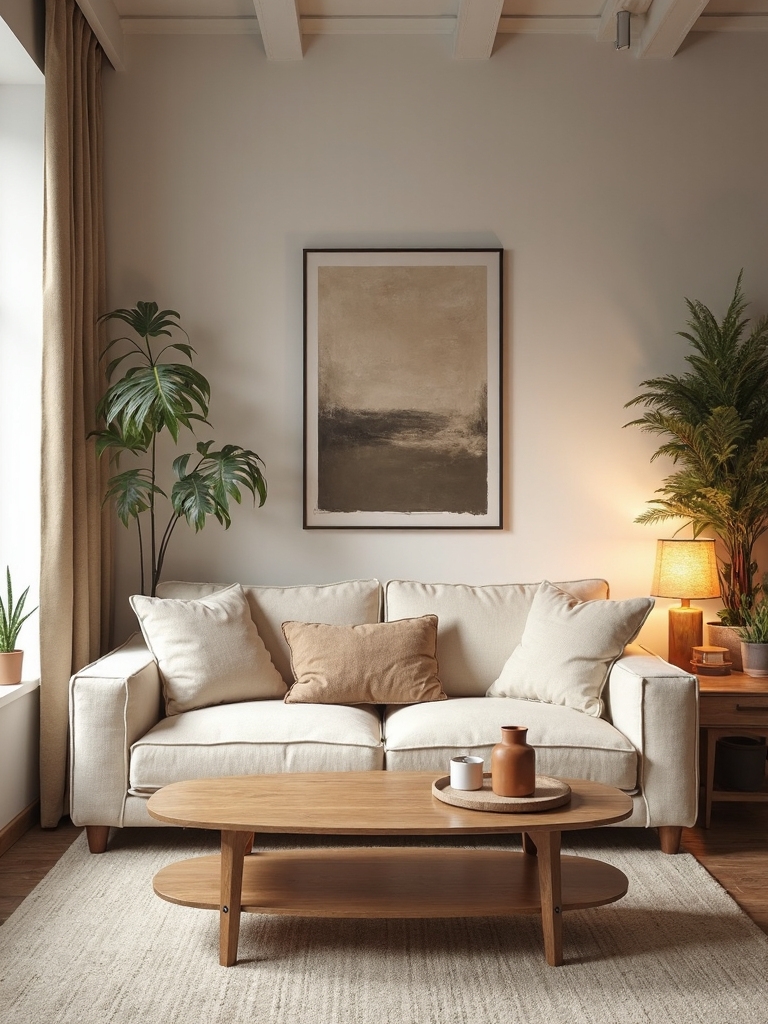
Low accent tables act as subtle anchors that maintain balance without consuming valuable floor space. Streamlined coffee tables with minimalist designs enhance flow and prevent overcrowding.
Pair these tables with sectional seating to create a cohesive look that supports both style and practicality, offering surfaces for drinks, books, and decor without overwhelming your compact living area.
Repurposing Existing Furniture for Budget-Friendly Updates
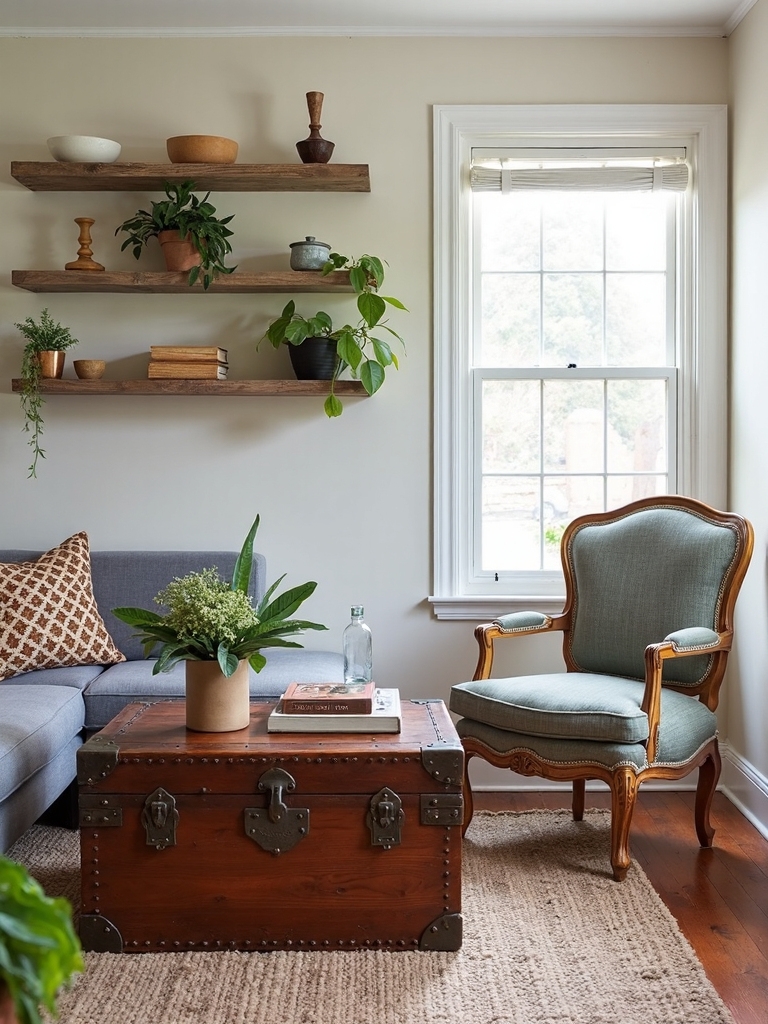
Refreshing your current furniture can breathe new life into your living room without a hefty price tag. Assess your pieces through the lens of your updated style goals.
Reupholster worn sofas in fabrics that harmonize with your color scheme, or refinish antique furniture to blend vintage charm with modern flair. Incorporate existing artwork and window treatments to maintain continuity and personalize your space.
Maximizing Functionality with Multi-Purpose Furniture
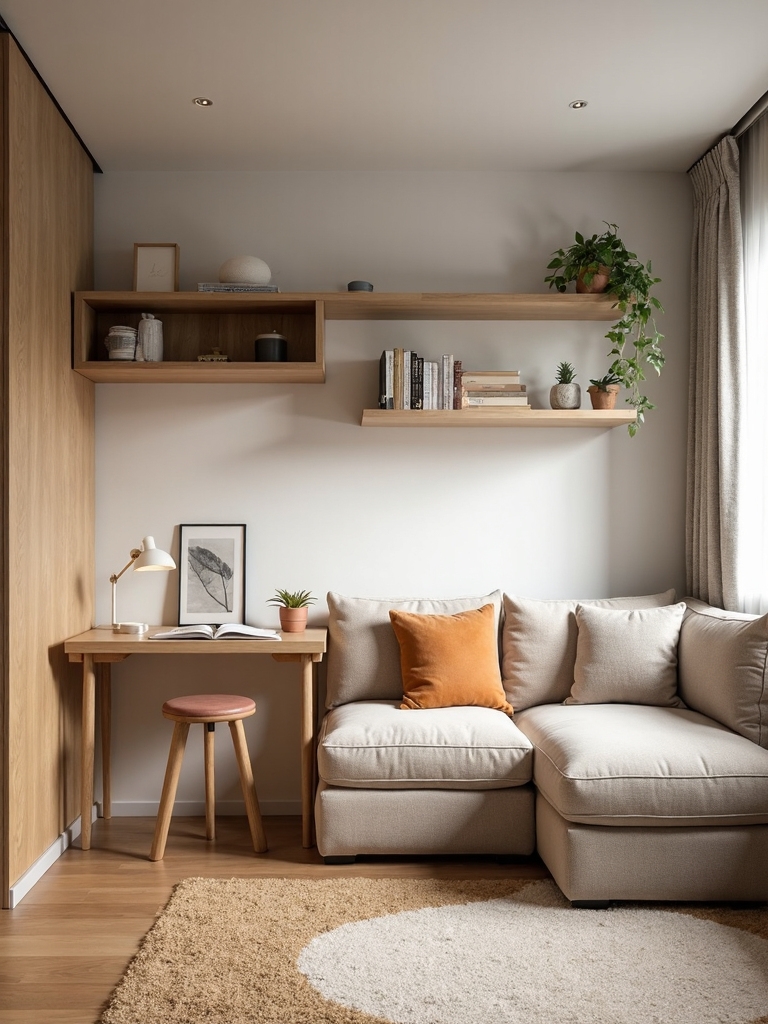
Choosing furniture that serves multiple roles can revolutionize your small living room’s usability. Sofa beds offer seating by day and sleeping space by night, while ottomans with storage replace bulky coffee tables.
Custom cabinetry and built-in shelving reduce clutter by providing concealed storage, allowing your room to feel open and organized. Arrange these elements to foster intimate conversation zones that feel inviting rather than cramped.
Enhancing Character with Architectural Elements
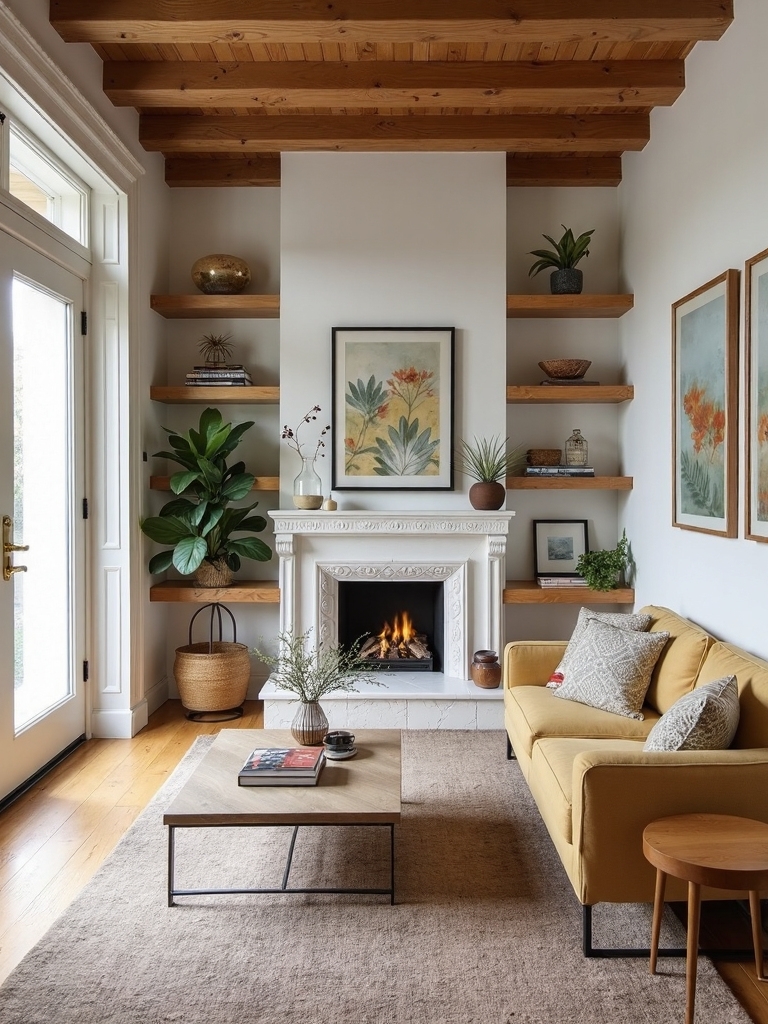
Architectural details add depth and personality, making your small living room feel thoughtfully designed. Crown molding draws the eye upward, creating the illusion of taller ceilings without major renovations.
Wainscoting or board-and-batten adds texture and visual interest to lower walls without bulk. Art rails offer flexible display options while maintaining clean lines. Scale is key-choose elements that complement your room’s size to avoid overwhelming the space.
Infusing Vibrancy with Color and Pattern
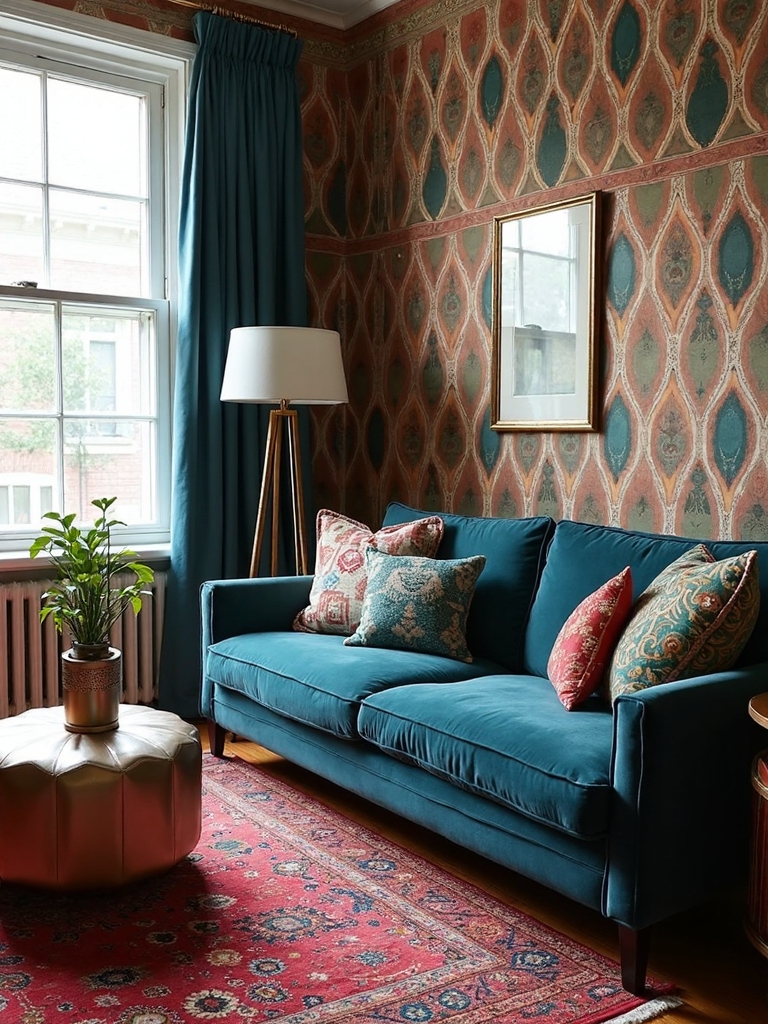
Incorporating color and pattern can transform a small living room into a lively, expressive space that reflects your personality. A balanced palette featuring calming shades like sage green can make the room feel larger and more serene.
Introduce patterned accents through throw pillows, textured rugs, or a single wallpapered accent wall. Mix patterns by scale-combine large florals with smaller geometric prints-and apply the 60-30-10 color rule: 60% neutral base, 30% secondary color, and 10% bold accent for harmony.
Crafting a Warm and Inviting Ambiance
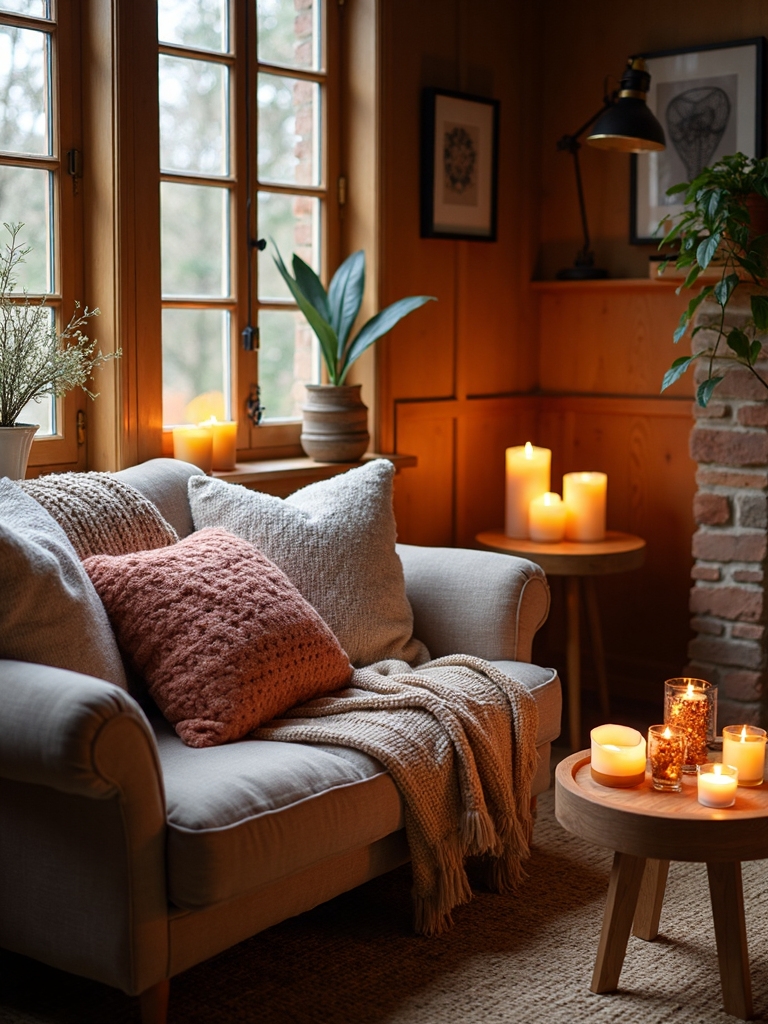
Beyond aesthetics, creating a cozy atmosphere involves layering soft lighting and textures. Replace harsh overhead lights with table lamps and wall sconces that emit gentle, diffused light.
Add plush throws and textured rugs to introduce warmth and tactile interest. Arrange seating in conversational layouts, such as a U-shape, to encourage connection. Incorporate natural elements like potted greenery and wooden accents to enliven the space, and use mirrors strategically to amplify light and openness.
Conclusion
With these innovative strategies, your small living room can evolve into a cozy, functional retreat that feels much larger than its actual size. Whether you choose to incorporate curved furniture, emphasize natural focal points, or experiment with bold patterns and colors, each approach unlocks your room’s full potential. Don’t let limited square footage restrict your imagination-embrace these design ideas and transform your compact space into the inviting haven you’ve envisioned.
Explore stylish options for curved sofas, nesting tables, and plush throws to elevate your small living room’s comfort and style.